 Hawai'i Journalism Initiative
UPDATE 11 p.m.: Maui County lifts tsunami evacuation orders
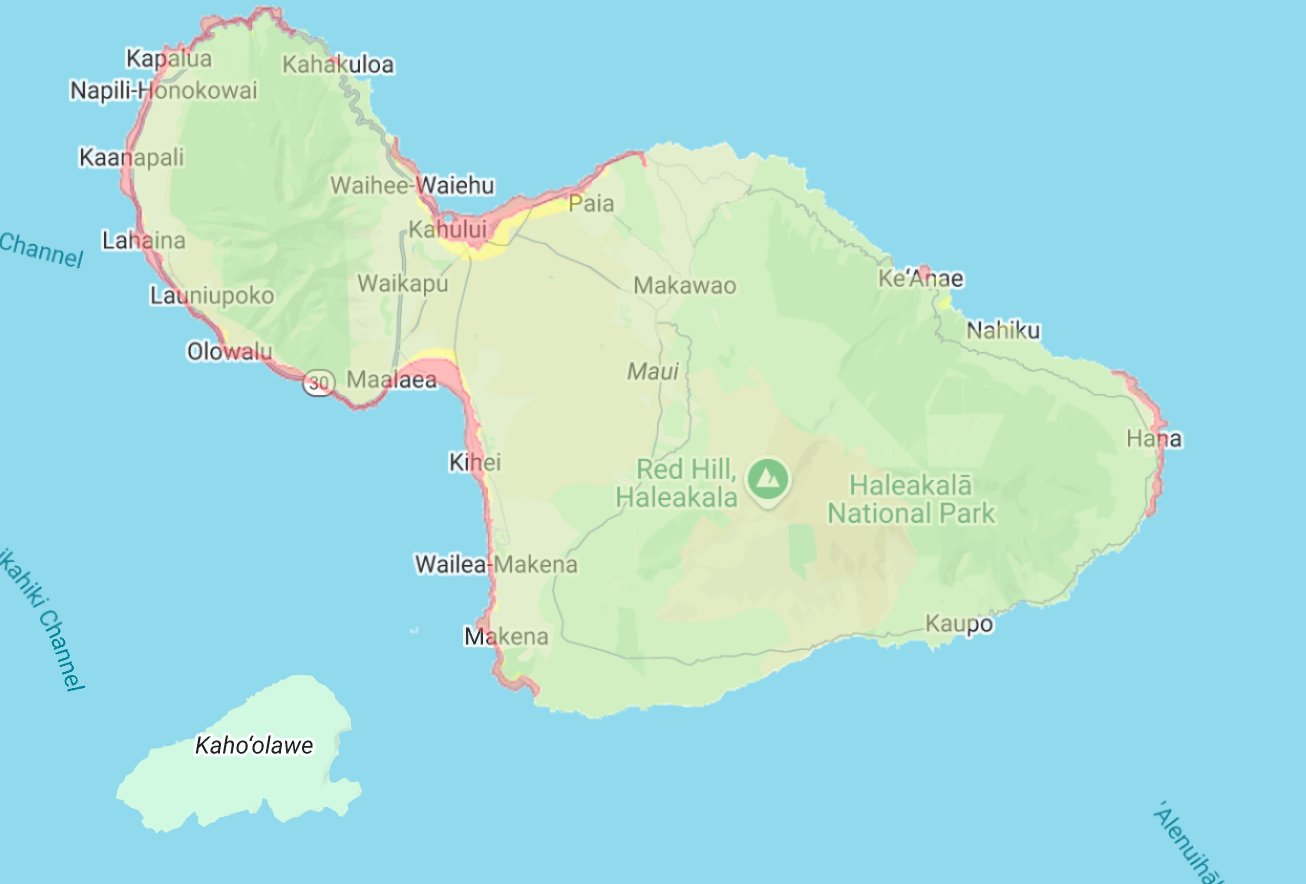
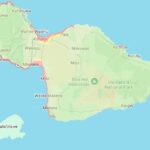
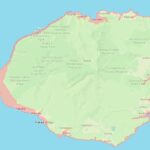
 The tsunami evacuation map is shown for Maui. Red indicates tsunami evacuation zones, while yellow indicates extreme evacuation zones.
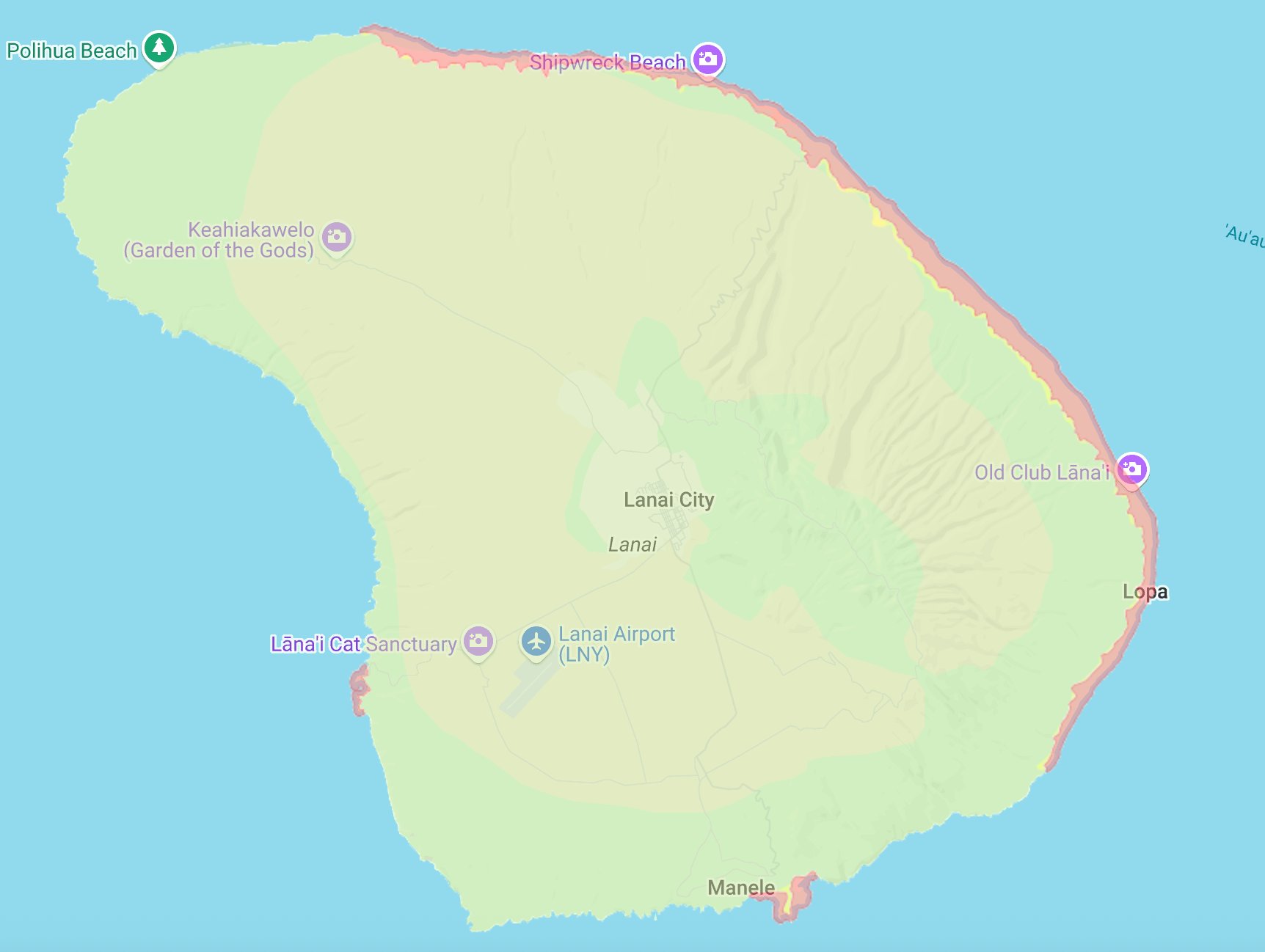
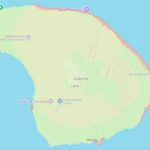
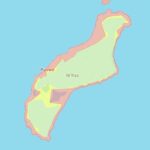
- The tsunami evacuation map is shown for Lana’i. Red indicates tsunami evacuation zones, while yellow indicates extreme evacuation zones.
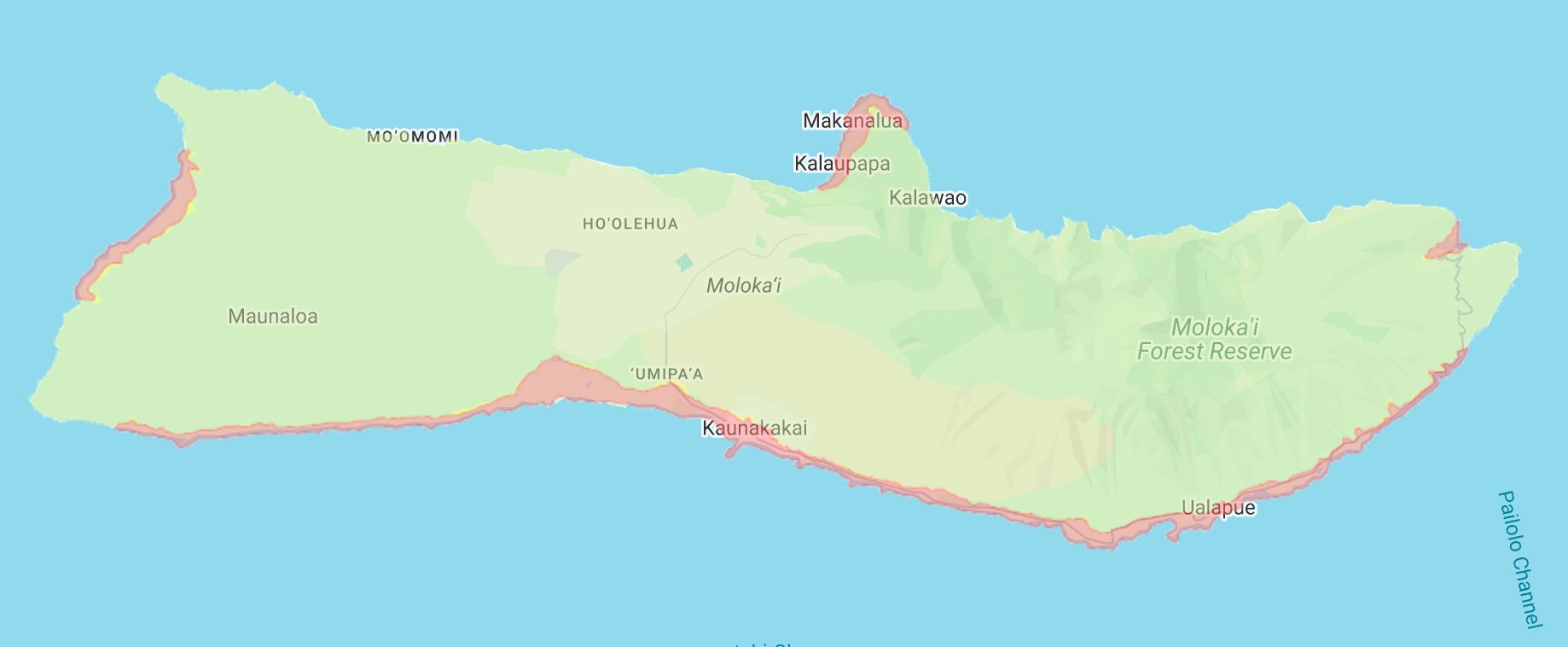
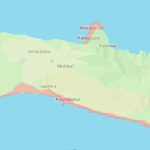
- The tsunami evacuation map is shown for Moloka’i. Red indicates tsunami evacuation zones, while yellow indicates extreme evacuation zones.
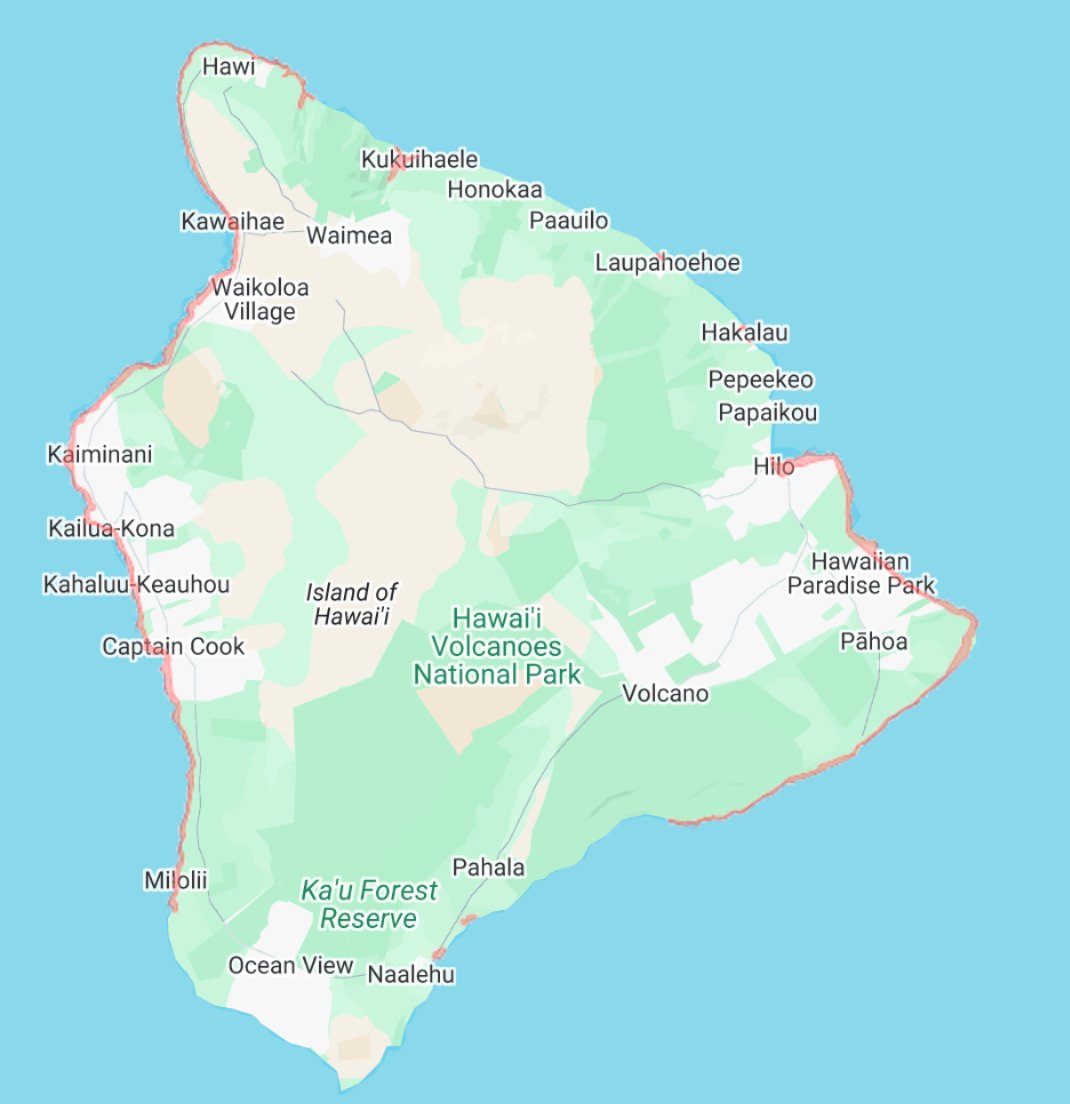
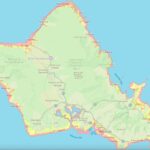
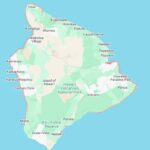
- The tsunami evacuation map is shown for Hawai’i island. Red indicates tsunami evacuation zones, while yellow indicates extreme evacuation zones.
The Maui Emergency Management Agency lifted evacuation orders just after 11 p.m. Tuesday after the National Weather Service downgraded the tsunami warning to an advisory.
An advisory still means ocean activity is possible, with the potential for strong currents or waves dangerous to those in or very near the water.
HJI Weekly Newsletter
Get more stories like these delivered straight to your inbox. Sign up for the Hawai‘i Journalism Initiative's weekly newsletter:
MEMA said that residents and visitors could return to their dwellings, and that shelters had closed across the county.
Hawai’i Emergency Management Agency Administrator James Barros advised the public during a news conference at 10:45 p.m. to return home safely, watch for floodwaters and assess their structures upon returning home.
“The advisory still means that there’s energy in the water,” he said. “So as you return home, still stay off the beach and stay out of the water.”
Maui County said at 9:30 p.m. that initial wave impacts from the leading edge of the tsunami triggered by an 8.8-magnitude earthquake off Russia on Tuesday reached several feet at some monitoring stations, but officials warned that “follow-up” waves could be even bigger over the next several hours.
The county posted video on social media showing water receding from Kahului Harbor around 8 p.m., with an estimated drop off about 15 feet.
The public is advised to stay out of evacuation zones until the tsunami warning is officially lifted and an all-clear is given. Once that happens, the county will reopen water valves and restore wastewater pump stations in coastal areas where services were shut off as a precaution.
Gov. Josh Green said at around 8:30 p.m. that the Pacific Tsunami Warning Center would advise the state when it’s safe to issue the all-clear, and that this will depend on the waves decreasing in size and the tides going down.
“We don’t want anyone to let their guard down,” Green said.
Green said “no wave of consequence” had yet to hit Hawai‘i as of 8:30 p.m. Tuesday but that officials were still monitoring ocean conditions.
Rising waves passing through the Midway Atoll and receding water on O‘ahu’s North Shore were among the reasons why state officials weren’t ready to issue the all clear yet. Green said the waves detected had reached as high as 6 feet from trough to peak.
“Until we see what happens on the Big Island and the full wraparound of the islands, we won’t feel that we are in a position to start seeing and saying that we’re kind of in the clear,” Green said during a news conference on O‘ahu just before 8:30 p.m. “We expect to be about two to three hours at least. … So far though, at the moment, so good.”
State and county officials have been issuing warnings for nearly six hours since the earthquake struck shortly before 1:30 p.m. Hawai‘i time, registering as one of the largest to rattle the Pacific Rim since the roughly 9.0-magnitude quake and tsunami in Japan in 2011.
After Tuesday’s earthquake, Green said there had been waves up to 3 meters (nearly 10 feet) cascading over shorelines in Japan. In Hale‘iwa, O‘ahu, the water receded about 20 to 30 feet, leaving some boats on dry rocks and sand.
“That gave us pause,” Green said. “That doesn’t happen for no reason. When the water pulls back like that, that means there’s activity in the ocean. So again, keep our fingers crossed that we don’t suffer a big tsunami. Again, people have been very thoughtful and very safe, and that’s something we appreciate.”
Green said there had been no loss of power and that Hawaiian Electric had no plans to shut off the electricity.
He advised people not to call 911 unless they have an emergency.
The National Weather Service issued the tsunami warning at about 2:45 p.m., with waves expected to hit Kaua‘i’s north shore first at around 7:10 p.m. and reach Maui County by 7:17 p.m. A warning means that a tsunami has been generated and could cause damage along the coast, and that urgent action should be taken to protect lives and property.
Sirens went off across the state at 5:10 p.m., 6:10 p.m. and 6:40 p.m.
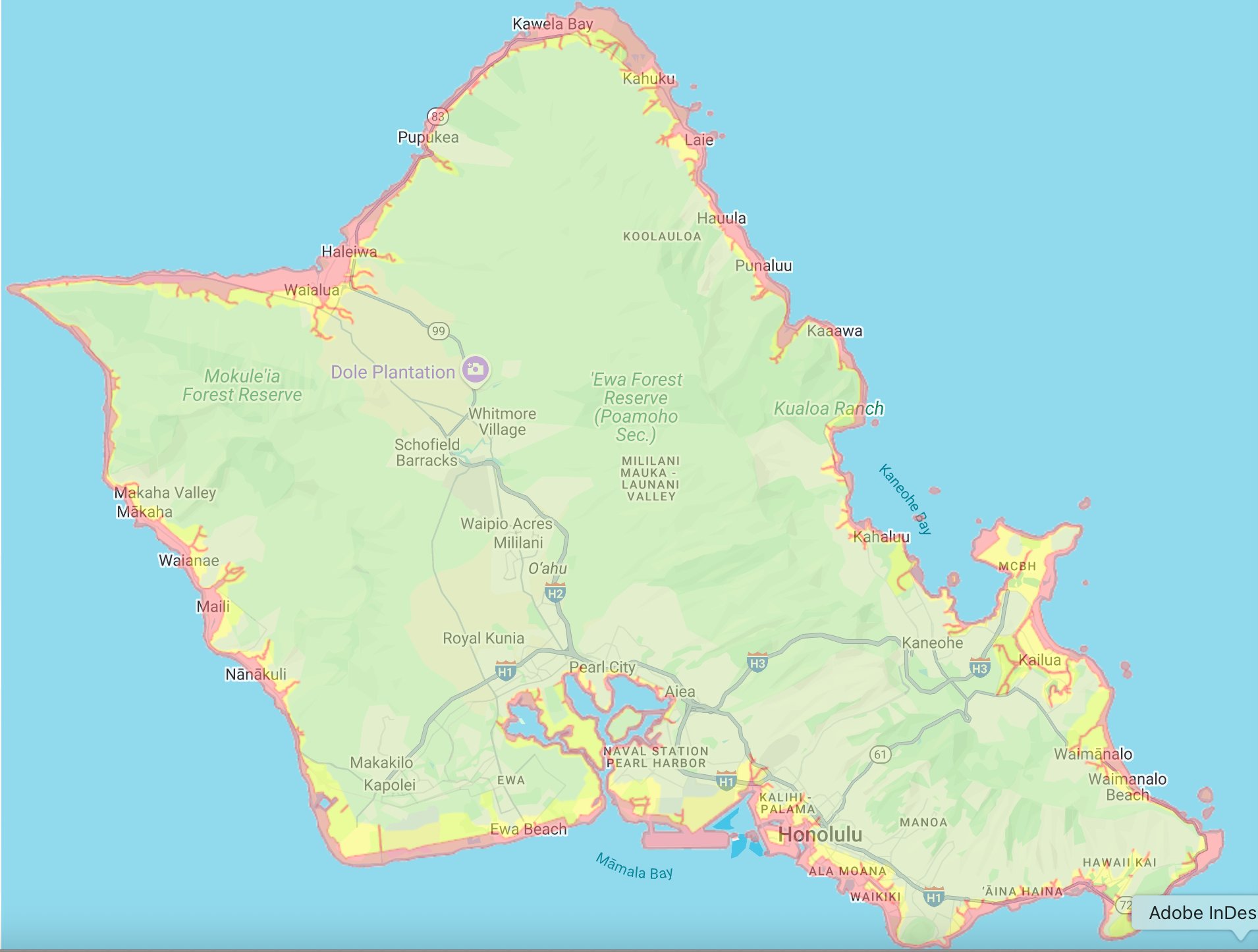
Green said earlier in the afternoon that the state was bracing for “significant damage along the coastlines.” He urged people to stay off the beaches and away from harbors, rivers or low-lying areas and told people in evacuation zones to get to higher ground or go up four stories if in a building. Tsunami evacuation zones are available at ready.hawaii.gov.
“We will only give the all clear when we feel there is total safety,” Green said.
Maj. Gen. Stephen Logan, adjutant general of the Hawai‘i Department of Defense, said that preparations were ongoing across the state. The Hawai‘i National Guard had placed liaison officers in every county’s emergency management agency “to create a near-real time response capability.”
High-water vehicles and aircraft had also been activated, with the capability to do search and rescue or transport people to hospital facilities as needed.
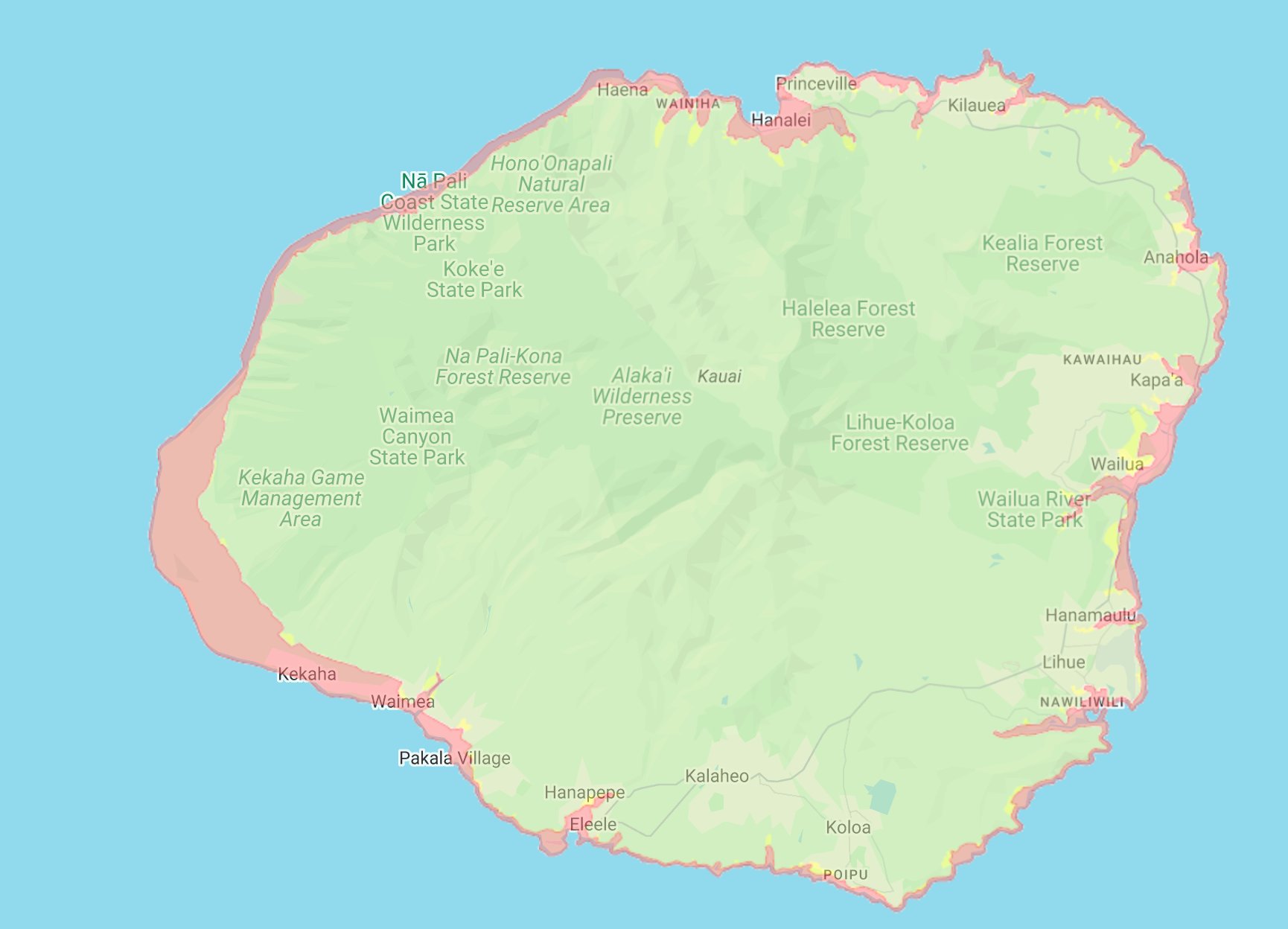
On Kaua‘i, the public was urged to avoid Hanalei Bay to allow people to evacuate, and Wailua Bridge was being kept open, Logan said.
On Maui, state highways crews staged vehicles and equipment across the island. No flights were going in or out of Kahului Airport, according to the Department of Transportation.
On Moloka‘i, Kalaupapa Airport staff were ready to evacuate to the lighthouse.
On Hawai‘i island, commercial operations were suspended at Hilo Airport to allow for evacuations from Keaukaha.
The Coast Guard closed all major ports, and ships were ordered out to sea. The agency said at 10:45 p.m. that it would open all harbors for traffic again.
All parks and facilities in tsunami evacuation zones have been closed, including Kepaniwai Park.
Tourists were asked to follow their hotel or lodging plans for tsunami evacuation protocol.
Maui Veterans Highway was packed with drivers evacuating South Maui on Tuesday afternoon. Residents and organizations in low-lying areas of Maui also made preparations.
Paul Luuwai, Hawaiian Canoe Club keiki coach, said when the news came through, he told the kids to put away their paddles and call their parents. About 100 club members, including the keiki paddlers, helped unrig the canoes and load them on to trailers to be moved out of the inundation zone.
Kaili Moikeha, club manager for Hawaiian Canoe Club and race director for the Maui County Hawaiian Canoe Association, said that all of the Central Maui clubs relocated their canoes and trailers to the Baldwin High School parking lot. Clubs in Hanaka‘ō‘ō, Wailea and Kīhei also cleared their canoes out of coastal areas.
“We’re hoping that this is just a warning and nothing bigger comes of it, and that everything is OK and hopefully we can continue as is,” Moikeha said.
As for whether the state regatta set for Saturday would be affected, Moikeha said this would determine on the extent of the damage, if any.
The county also paused some public services out of an abundance of caution.
The Maui Bus ended operations by 6:30 p.m. or earlier based on the route. Riders can visit mauibus.org or call Roberts Hawai‘i dispatch at (808) 871-4838 for more information.
The county also shut down water valves along coastal areas of Waihe‘e, Waiehu, Wailuku, Kahului, Mā‘alaea, Kīhei, Wailea, Mākena, Lahaina, Nāpili, Hāna and Moloka‘i. Residents and visitors in those areas will experience low or no pressure until the all clear is signaled and the valves are reopened, the county said. For more information, contact the Department of Water Supply at water.supply@mauicounty.gov or (808) 270-7633.
Several wastewater pump stations and facilities in Lahaina, Kīhei and Central Maui will shut down to prevent damage, the county said. All residents connected to the county’s wastewater system in those areas are asked to limited toilet flushing and bathing until further notice to help prevent or reduce the amount of raw wastewater discharged to the county during the emergency. For questions, call the Wastewater Division at (808) 270-7417.
The Maui Emergency Management Agency call center is open and can be reached at (808) 270-7285. The public can also download the Genasys Protect app and get updates through MEMA alerts at www.mauicounty.gov/MEMA.
*Reporter Rob Collias contributed to this story.
This is a developing story and will be updated as more information is available.