 Hawai'i Journalism Initiative
State-run Ka Laʻi Ola temporary housing for Lahaina fire survivors is finished; 450 units soon-to-be full
As 70-year-old Louella Haia and friends Juliet Mosqueda-Santos and Mosqueda-Santos’ husband Jerry Santos waited in the lunch line following the Ka La’i Ola completion celebration on Wednesday, they counted how fortunate they were to be living in the state-run temporary housing complex for Lahaina fire survivors.
Haia, a caregiver who lives with her blind brother Charles, moved into a two-bedroom unit of the complex in February. The Haia’s sister and brother-in-law live next door.
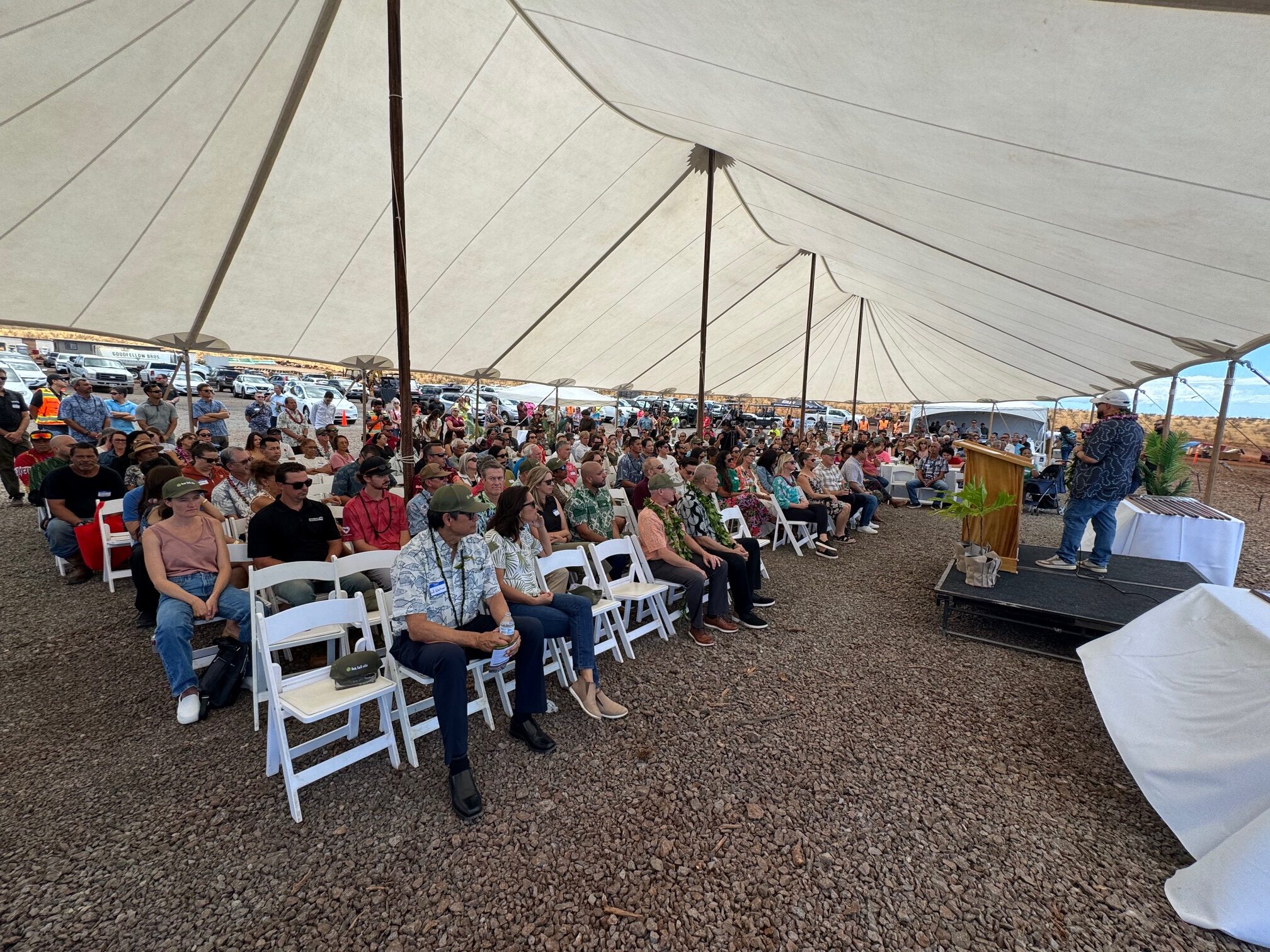
Wednesday’s celebration announced the completetion of the 450-unit, $185 million West Maui complex, which was built in stages. There are 432 units completed on site in Lahaina and another 18 units set to go for residential dwellings to be put on property owned by fire survivors.
HJI Weekly Newsletter
Get more stories like these delivered straight to your inbox. Sign up for the Hawai‘i Journalism Initiative's weekly newsletter:
The complex now is ready to be filled to its capacity with about 1,500 people in the village that became necessary after the August 2023 wildfire in Lahaina destroyed about 2,200 structures, most residential with renters.
About 900 people are currently living in the first 320 units at Ka Laʻi Ola, which means place of peaceful recovery.
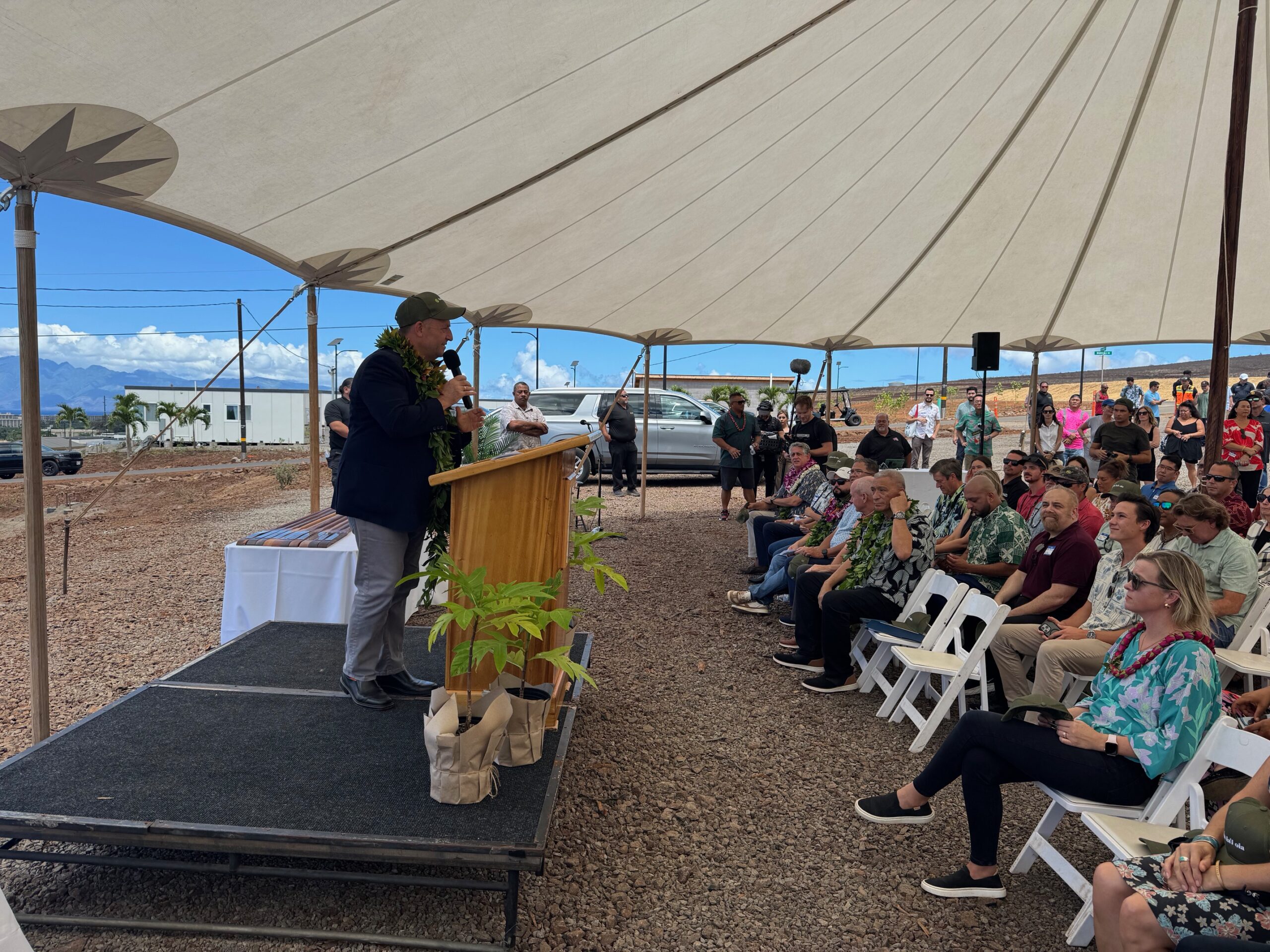
During his portion of the 30-minute program in front of more than 250 invited guests, Hawaiʻi Gov. Josh Green announced the state was extending the no rent policy by one year, now to June of 2027.
“Ka La‘i Ola represents the very best of Hawai‘i,” Green said. “It symbolizes our resilience, compassion and determination as a community. In less than 18 months, we turned a vision into a thriving community where nearly 900 people, who lost so much in the Maui wildfires, now have safe and stable homes.”
Green added: “Every key we hand to a family is a promise that they are not forgotten, that Hawai‘i stands with them as they rebuild their lives.”
The news of the completion of the project and the added year of no rent put a smile on the face of Haia.
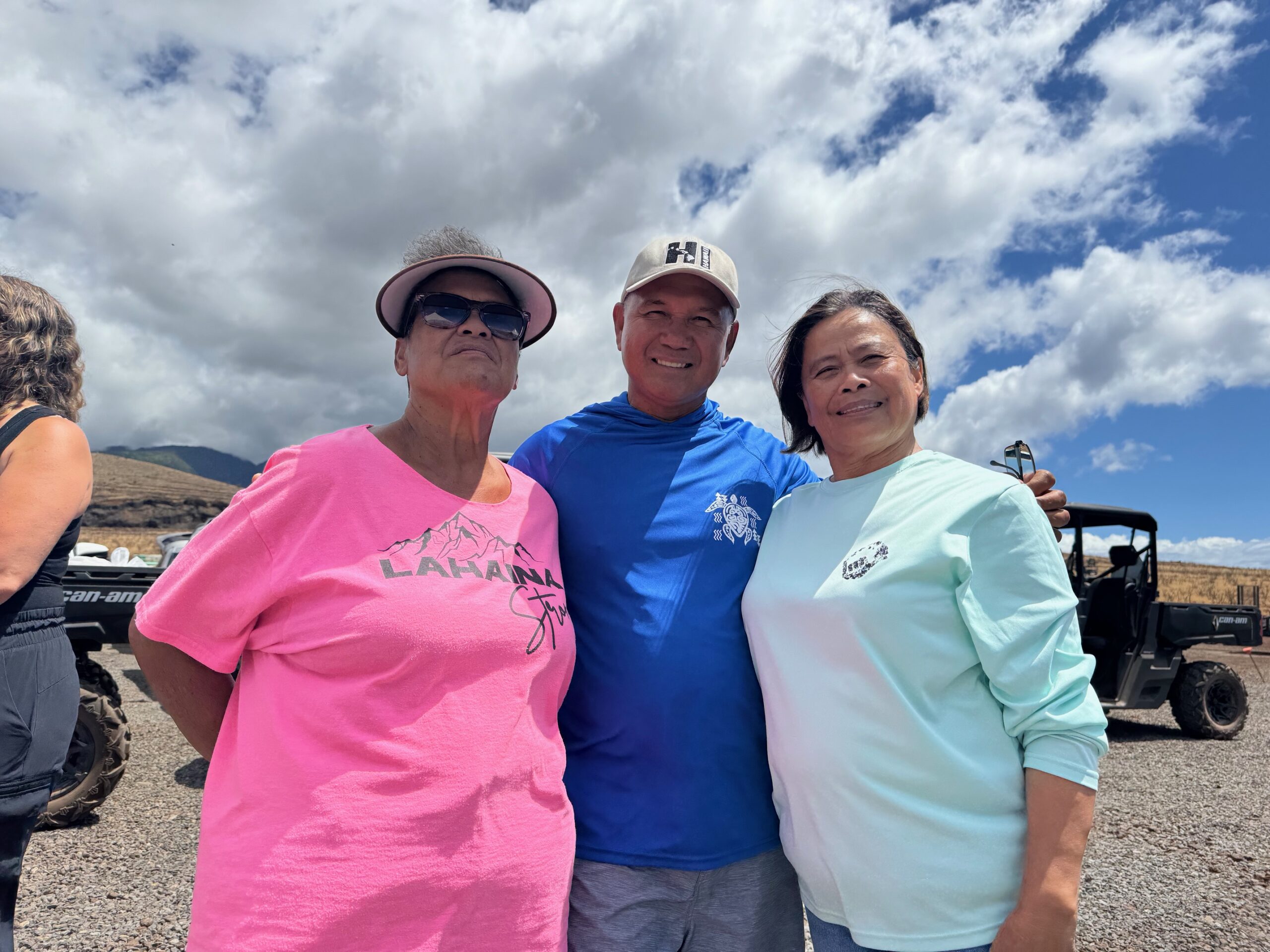
“It’s a wonderful blessing,” said Haia, a retired cafeteria worker at King Kamehameha III Elementary School that was destroyed in the fire. “I’m so happy because there’s so much people that really need a place to stay. And there is still a lot out there.”
Until they got in to Ka La’i Ola, the Santoses were staying in Federal Emergency Management Administration-funded housing after losing their house off near Puamana in the wildfire .
Moqueda-Santos and her husband, both retired hotel workers, moved in to the complex on May 1.
“We only have one bedroom and one bath, but it’s good enough for us,” the 68-year-old Mosqueda-Santos said. “We are just grateful to have this opportunity to live here in this community.”
Originally built for survivors who were not eligible for federal FEMA assistance, Ka La‘i Ola places Hawai‘i as the first state to deliver interim housing for this type of population. The project reached completion in less than 18 months, compared to the four to six years such developments typically require, according to a new release from Green’s office.

Ultimate Fighting Championship CEO and president Dana White was at the Ka La’i Ola event. White did not speak with the media, but told Green he was donating $1 million to the village. O’ahu resident Max Holloway, the currecnt UFC BMF title holder, was also at the event.
“When I received a call from Dana and his team to say that they wanted to spend a million dollars or more and just do it because they loved Hawaiʻi, because they cared about us, I was over the moon,” Green said. “So let me say this, to Dana and to UFC: ‘On behalf of the families and the people of Hawaiʻi, we thank you.’ “
Families were able to move in just months after the Ka Laʻi Ola groundbreaking in August 2024, made possible through emergency proclamations that streamlined permitting and ensured construction advanced quickly and safely. The fast-tracked timeline set a new standard for how quickly Hawai‘i can respond to disaster recovery housing needs, according to the news release.
In an impromptu moment during his part of the program, Green said: “I didn’t intend to say this until much later, but we are going to support people in their rent all the way through a third year. We’re going to make sure that people don’t have to struggle with housing.”
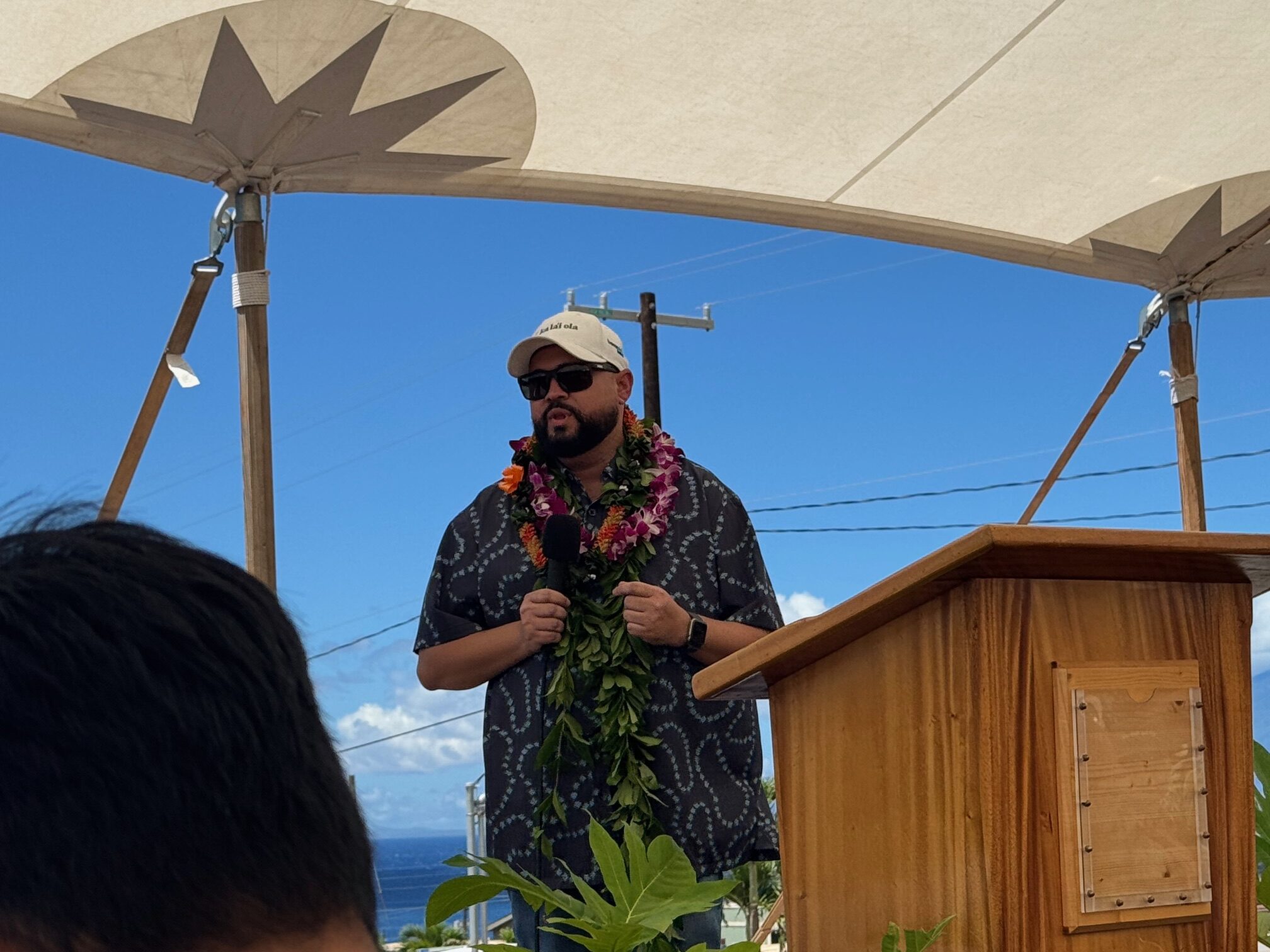
Kimo Carvalho, the CEO of HomeAid Hawai’i, the nonprofit developer of the project, said Green’s unexpected announcement “is rental relief to help wildfire survivors rebound from the economic burdens brought on by the wildfire.”
Carvalho said that the state is paying for maintenance of the project, but will not offer a monthly cost estimate.
The Ka La’i Ola project was a partnership with the state of Hawai‘i and the Department of Human Services, working with nonprofit developer HomeAid Hawai‘i and the Hawai‘i Community Foundation, alongside many community organizations.
“This project proves that when government, nonprofits and community work hand in hand, we can overcome extraordinary challenges and deliver hope and healing for our families,” Green said.
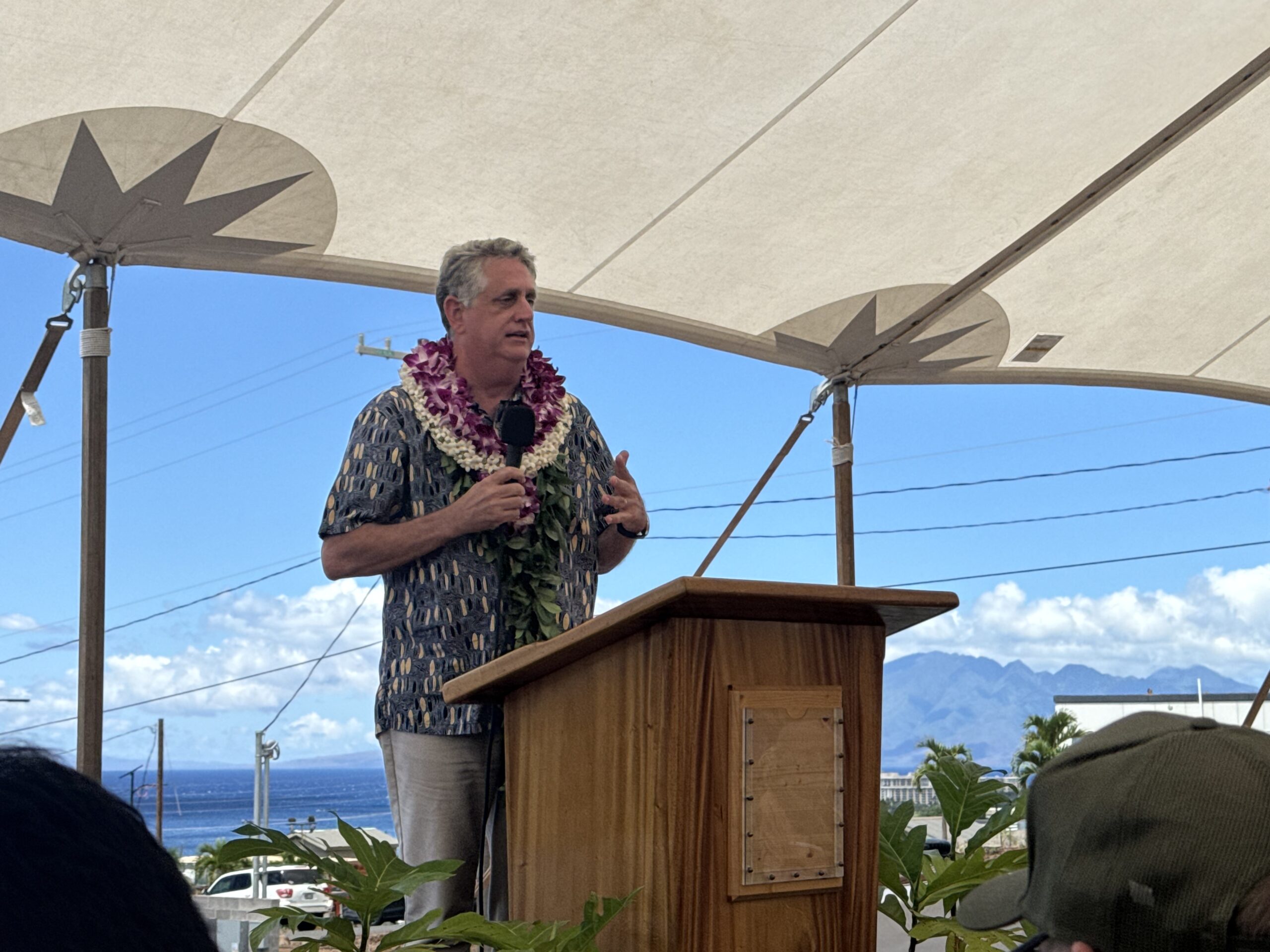
Department of Human Services Deputy Director Joseph Campos said the state’s contribution to the cost was $145 million, with the Hawai’i Community Foundation providing $40 million.
“We knew that we had to provide housing options for those who were FEMA ineligible,” Campos said.
“This community was created to ensure that survivors who did not qualify for federal assistance still had options to find a safe place to call home. Each family who moves in is a reminder of the resilience of Maui and the aloha spirit that defines Hawai‘i.”
The need remains, with an estimated 500 people on a waiting list. Carvalho said the Hawaii Interim Housing Program for FEMA ineligible households closed in January.
The project moved quickly “by bridging modular innovation with Hawaiʻi trade industries,” Carvalho said. “We achieved the speed, scale and cost-effectiveness that made Ka La‘i Ola the largest and most innovative disaster recovery development in the nation.
He added: “Through public and private partnerships, we reduced costs by 42 percent, ensuring families can focus on earning, saving and rebuilding their futures. Ka La‘i Ola demonstrates that when Hawai‘i comes together, we can deliver on impactful housing solutions with dignity, stability and hope.”
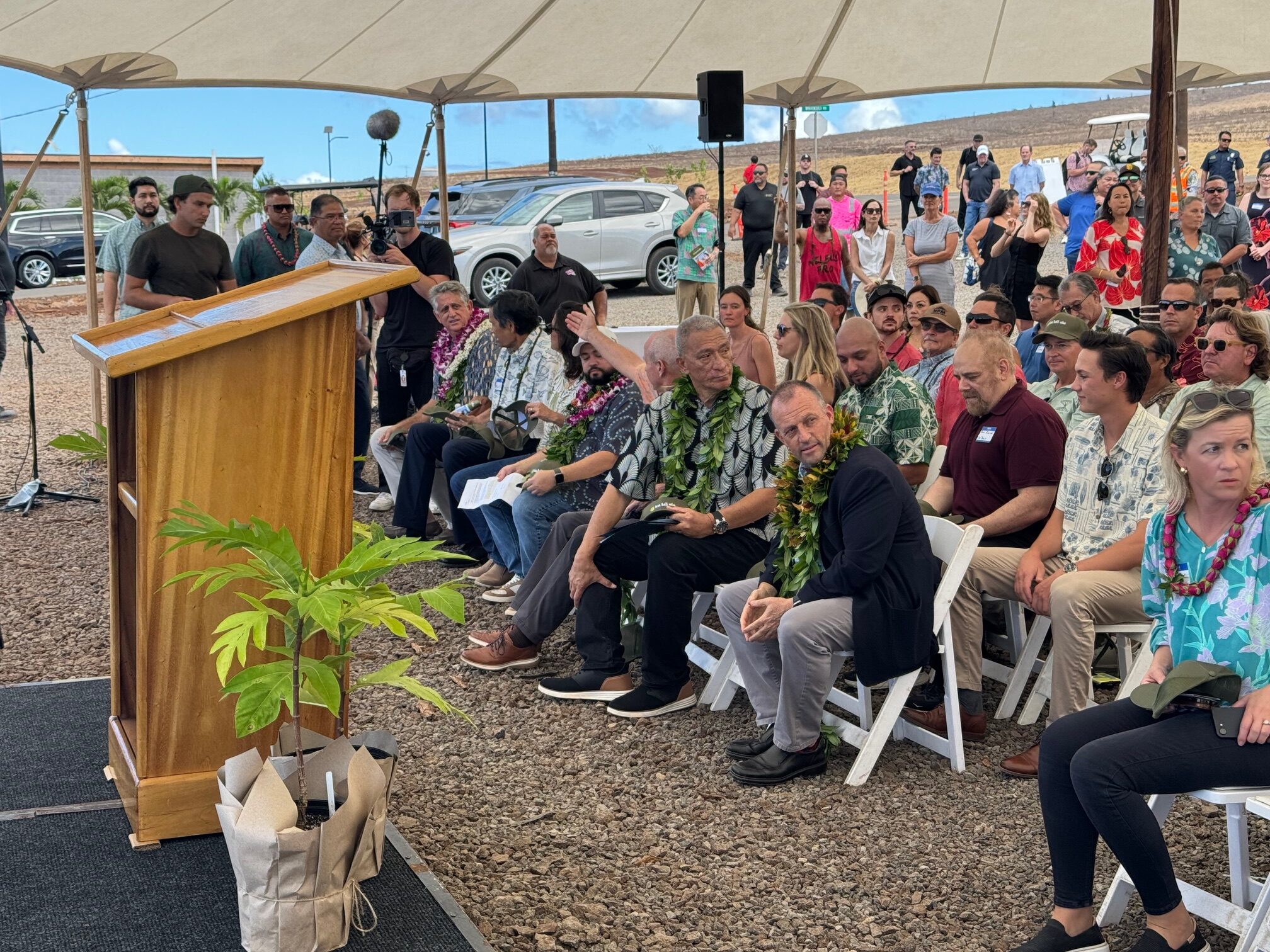
Carvalho also pointed out that the project also accelerates future housing opportunities for Native Hawaiian beneficiaries because the complex is set to be turned over to the Department of Hawaiian Home Lands in 2029.
The site has now been fully prepared with infrastructure and homes, advancing the Department of Hawaiian Home Lands’ timeline by 17 years. In 2029, DHHL will take full ownership of the land, infrastructure and homes, according to the news release.
Maui Mayor Richard Bissen said 68 percent “of all the dwellings that were lost (in the wildfire) are in some stage of permitting, either being approved, pending, or already rebuilt, or in some stage of building.”
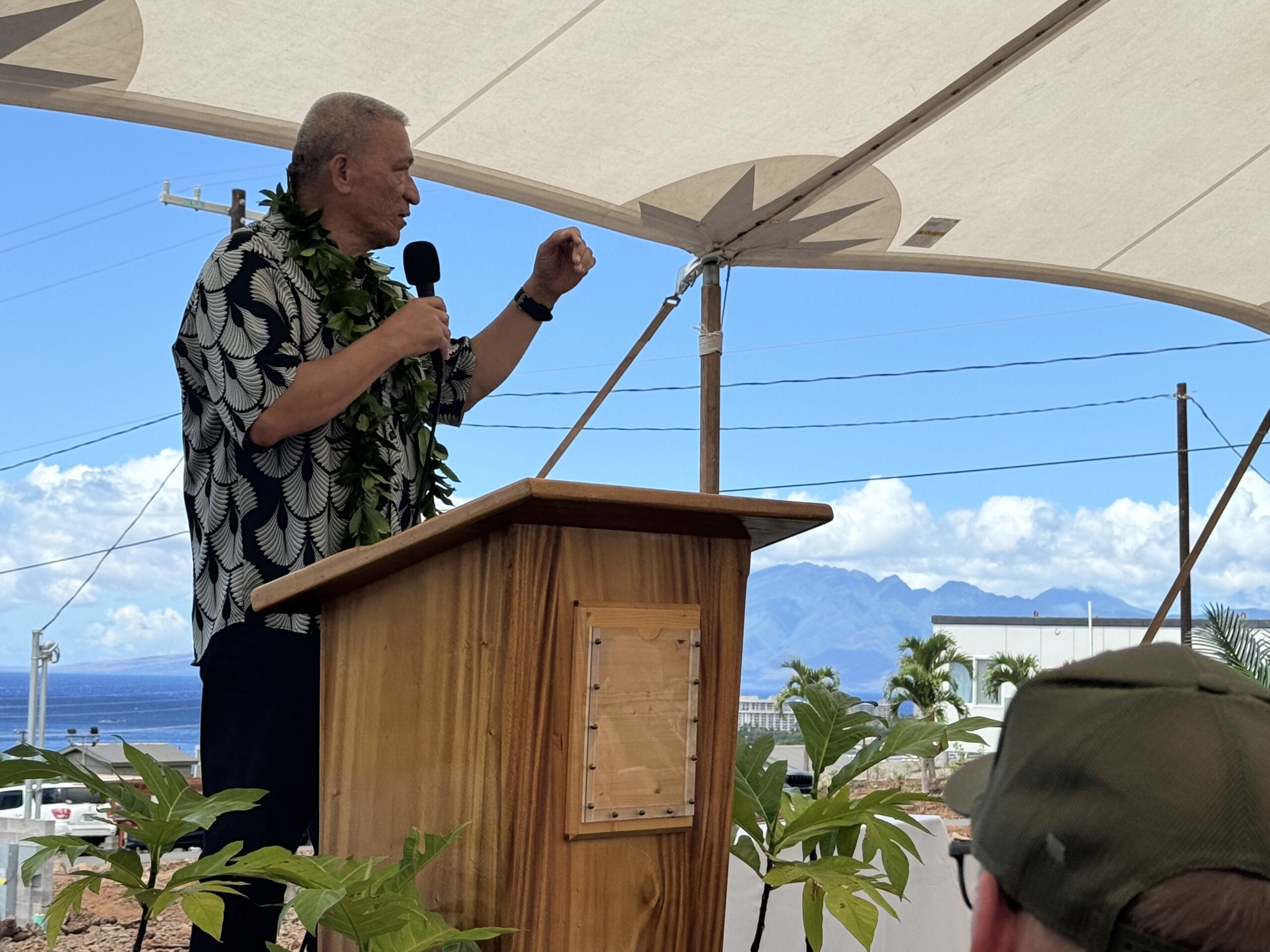
Bissen added that the teamwork from the government agencies to get Ka La’i Ola done so quickly was impressive.
“Huge, huge task, accomplishment for the state, all their partners, all the agencies, all the builders, but really the credit goes to the to the survivors who’ve had to endure this period,” Bissen said. “So, we’re celebrating a lot of things today.”