Kamaliʻi Elementary students logging on to essential computer skills
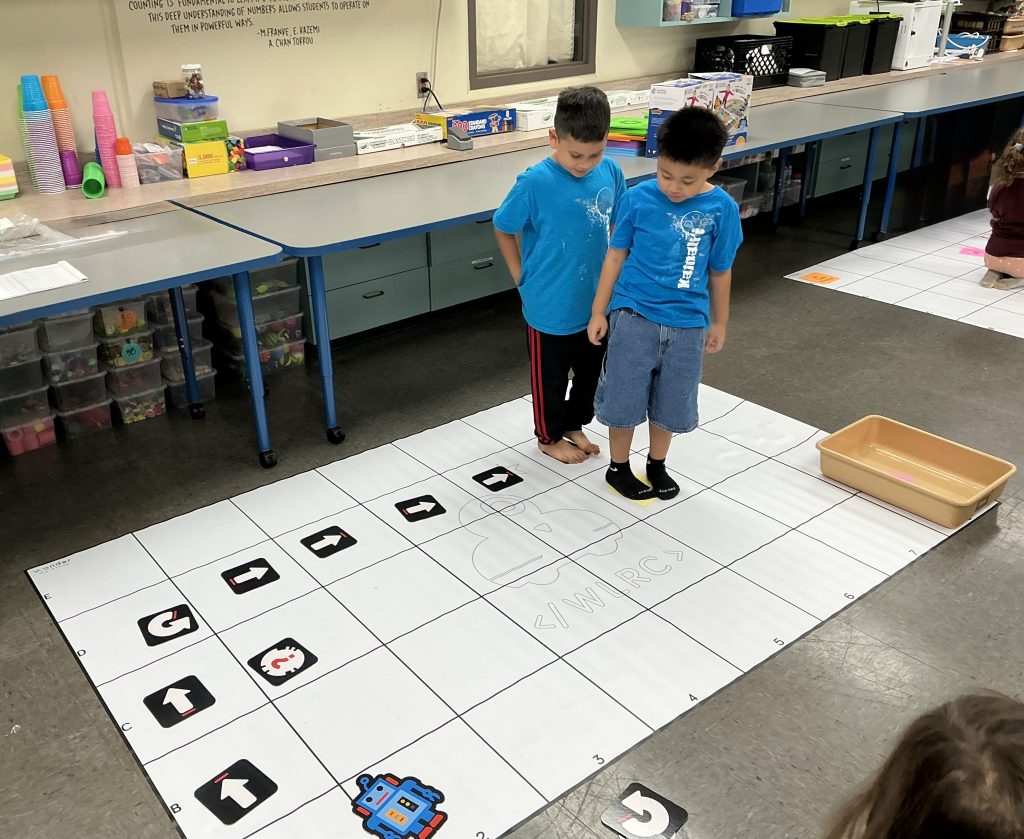
Students at Kamaliʻi Elementary School spent the past week learning the foundations of computer programming, often without touching a keyboard or a screen.
As part of the global Computer Science Education Week, the Kīhei school implemented a series of activities for students from kindergarten through 5th grade. The curriculum introduced concepts of coding and artificial intelligence while addressing digital equity gaps among students.
To make the subject matter accessible to the youngest students, the school used “unplugged” lessons. In a game titled “Be the Robot,” students in kindergarten through 2nd grade used physical coding blocks and floor mats. Students guided partners toward a destination, a process intended to teach sequencing and giving clear instructions.
Older students in 3rd and 4th grades used the same logic games to learn how to identify loops and debug algorithms.
Gretchen Romerdahl, the technology coordinator for Kamaliʻi Elementary School, said the low-tech approach is intentional.
“At Kamaliʻi, we are committed to ensuring that every child, regardless of background, has the opportunity to explore these future-ready skills,” Romerdahl said. “By starting with ‘unplugged’ logic games in kindergarten, we remove the intimidation factor and show our students that they can be creators of technology, not just consumers.”
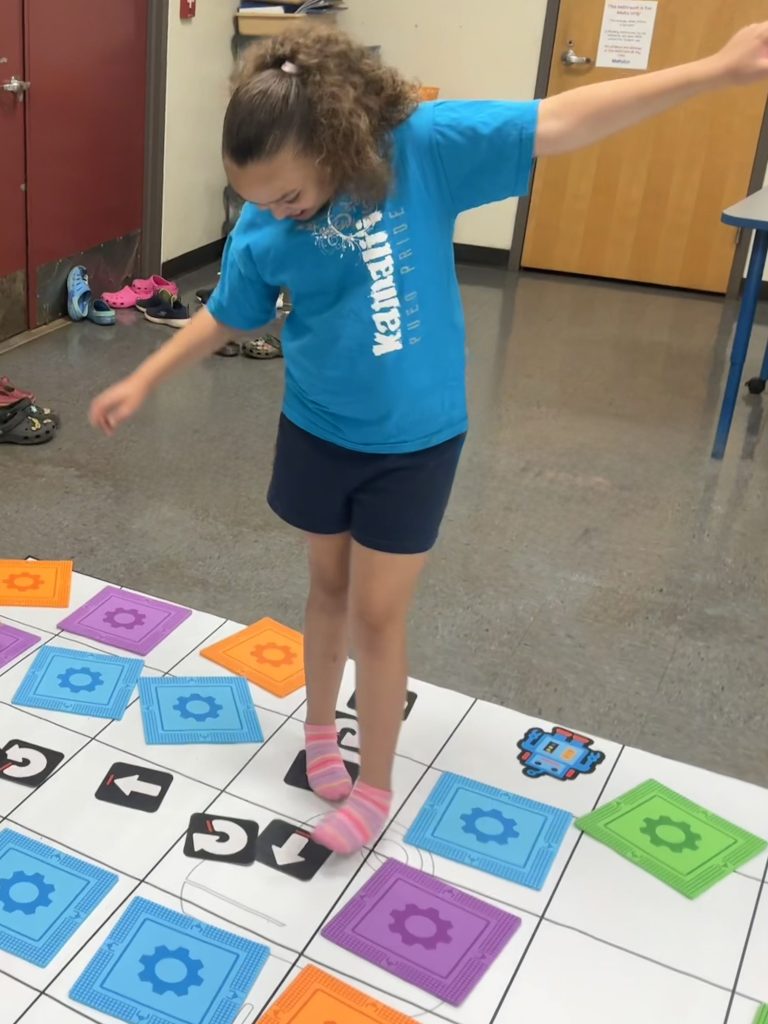
In addition to the logic games, students in first through fifth grades participated in the “Hour of Code.” This included the use of online platforms to explore the “Hour of AI” theme. Students utilized a program called “AI for Oceans,” which applies machine learning concepts to ocean conservation challenges relevant to the Hawaiʻi environment.
The school stated that the programming aligns with the Hawaiʻi Department of Education and its “CS for All” initiative. State Superintendent Keith Hayashi recently noted that the goal of the week is to equip students with skills for a changing digital workforce.
According to the school, the focus on computer science will continue beyond the designated week. Students currently attend bi-weekly computer classes covering block-based programming and algorithms. The school plans to introduce robotics in the spring semester.
Romerdahl noted that the school intends to involve parents in the curriculum later this school year.
“Computer Science and coding will also be part of the hands-on activities our families can experience during our annual ‘ohana STEAM event in May,” Romerdahl said. “Our goal is for students and families to see that computer science is not just for a few, it is for everyone in our school ‘ohana.”
Sponsored Content