



 Hawai‘i Journalism Initiative
In a year of federal cuts and fading fire recovery funds, Maui nonprofits hold fast
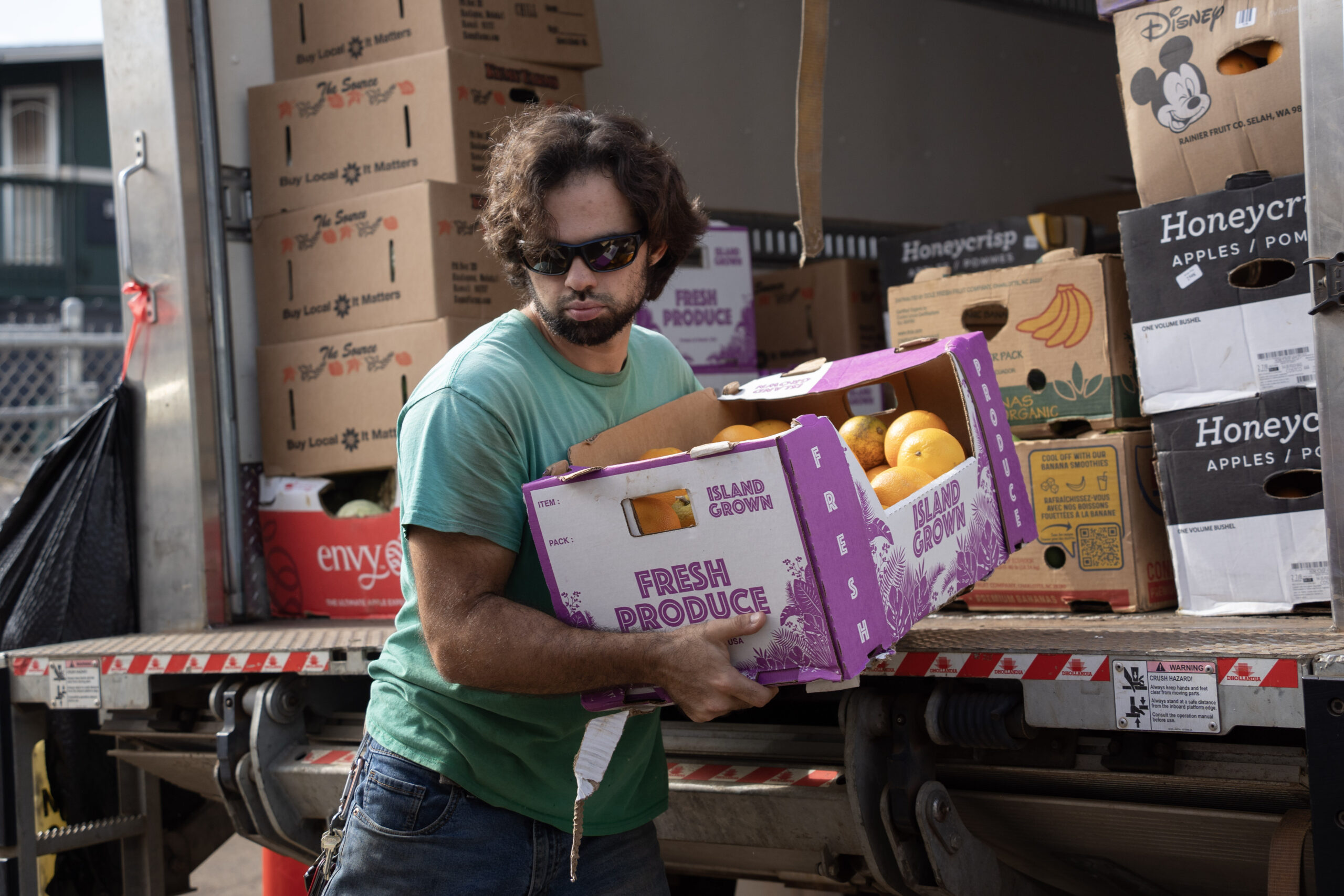
When the federal government shut down in October and people stopped receiving food assistance funds, the Maui nonprofit Feed My Sheep had over 30 more applicants apply for its weekly grocery distribution program, including people who hadn’t sought assistance since the COVID-19 pandemic.
“It’s a bittersweet thing because I always love seeing them again, but we know that the conditions they’re coming to us are not what they want and not what we want,” Executive Director Scott Hopkins said.
HJI Weekly Newsletter
Get more stories like these delivered straight to your inbox. Sign up for the Hawai‘i Journalism Initiative's weekly newsletter:
By November, Feed My Sheep was serving about 430 families, a sharp increase from the 350 families they were serving at the start of the year. Fortunately, many donations poured in during October and November to make up the 20% shortfall in funding they’d seen up to that point.
But the rollercoaster of a year was reflective of what many Maui organizations have experienced during massive federal funding slashes and rapidly changing policies under President Donald Trump’s administration.
In October, a report by the University of Hawai‘i Economic Research Organization and the Hawai‘i Community Foundation estimated that 59 Hawai‘i nonprofits stood to lose a combined $126 million due to federal cuts.
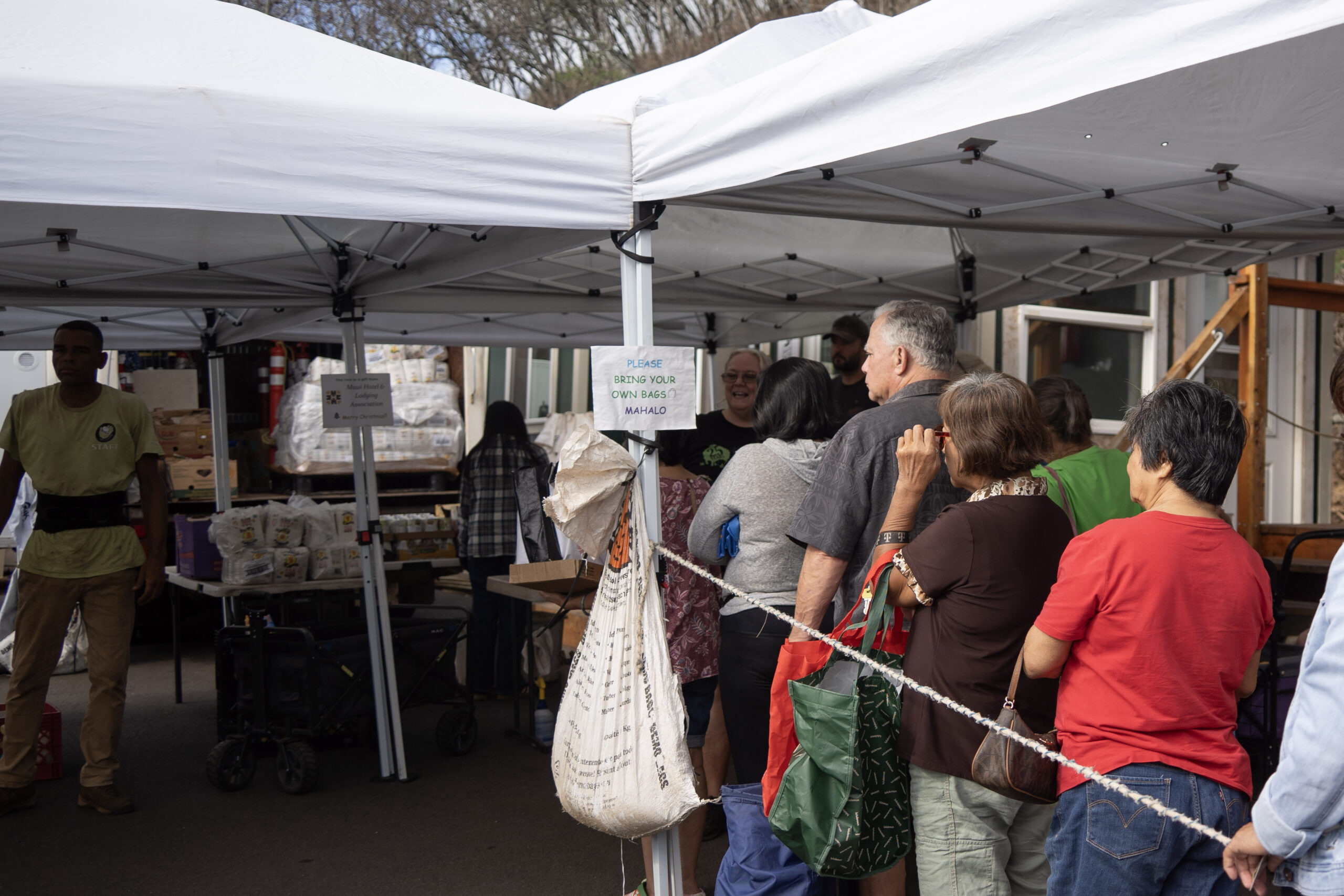
These impacts also are coming at a time when the wave of donations that Maui saw after the 2023 wildfires is fading.
“Our nonprofit landscape is quite skewed right now, post-wildfire,” said Jeeyun Lee, chief executive officer of Maui United Way. “After the fires, there was a lot of money going around and a lot of new nonprofits formed. … (Now) the funding is tapering slowly. Obviously, the federal cuts have made a significant difference, too.”
Lee said the combination is forcing nonprofits to get out of disaster mode and focus on making their organizations successful in “blue sky times.” For some, that means sacrifices in the short term.
STOP AND GO
This Christmas season, ‘Ohana Strong Executive Director Melissa Eisenhart is working without pay. The funding that covers her $2,000 monthly paycheck came from a private organization that relied on a federal grant. But after multiple stops and starts in funding, the private organization decided to cancel the program three weeks after the government shutdown on Oct. 1.
“They’re just like, ‘we can’t run a program that’s unstable,’” Eisenhart said. “It’s really hard, especially for those of us who are really small grassroots organizations.”
To Eisenhart, skipping her pay was better than having to cancel all 12 of ‘Ohana Strong’s outreach events. The organization offers an exchange every second Saturday at the Kīhei Lutheran Church where people can drop off and take items like clothing, toys, books and sports equipment for free. Since mid-November, they’ve served more than 500 families.
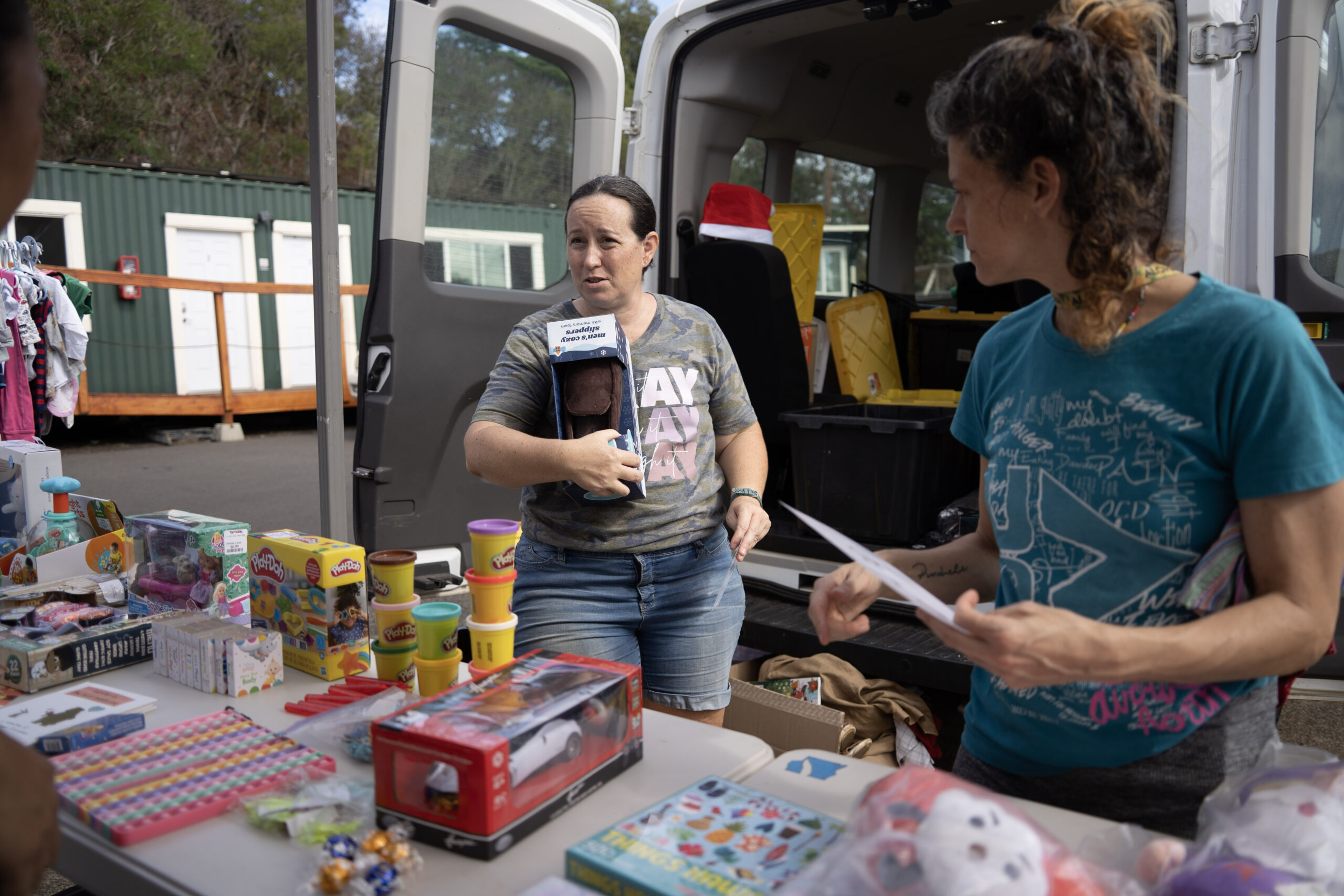
Donations to ‘Ohana Strong “have definitely gone back to pre-fire levels” after surging so much after the 2023 disaster, Eisenhart said.
This year, three Mainland nonprofits that supplied ‘Ohana Strong with donations pulled out because after two years, it was no longer considered a disaster relief effort. But as Eisenhart pointed out: “It takes more than two years to recover from a disaster.”
Uncertainty over federal funding also cost Maui Economic Opportunity a $235,000 contract to operate an on-the-job training program for Maui County kūpuna earlier this year. The state Department of Labor and Industrial Relations had hired MEO to run the Senior Community Service Employment Program that places kūpuna in roles with other organizations. However, the department decided to end the contract June 30 because federal funds weren’t guaranteed.
Eleven kūpuna workers lost their positions.
CEO Debbie Cabebe said the program helped individuals with low incomes and limited job experience, including immigrants who were able to gain new skills and learn English. The program also boosted the nonprofits and businesses who needed the extra help and sometimes hired the person after their training finished.
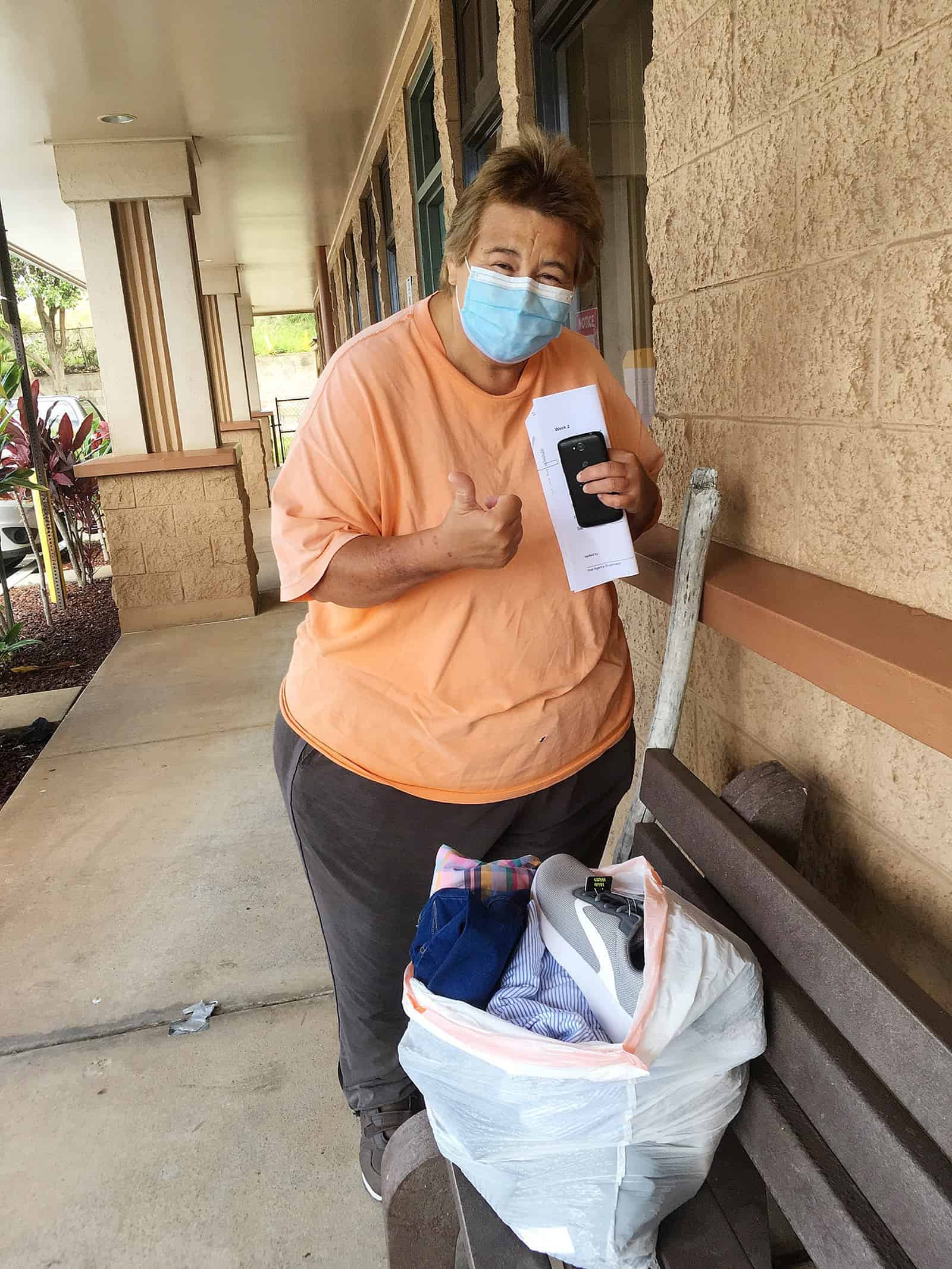
MEO’s programs weren’t just affected by funding. There also was “fear in the community” over Trump’s immigration crackdown. Even people with documents are being questioned, “and so that deters some people from coming and asking for help,” Cabebe said.
Still, Enlace Hispano, MEO’s bilingual assistance program, is “busy as ever” hosting English classes and helping people with paperwork.
Some nonprofits weren’t directly impacted by funding cuts but felt the sting secondhand.
The Maui Nui Marine Resource Council saw one of its partners on O‘ahu, Kuleana Coral Restoration, scale back operations due to funding cuts.
Kuleana currently holds the permit that allows the marine council to do coral restoration work, so that “put the brakes on us really continuing to push hard on that,” said John Starmer, chief scientist with the marine council. The organization had been hoping to expand some of its coral restoration projects with Kuleana’s help.
“We’ve kind of hit a point where we’re leaving the nest; we’re going to be able to continue on,” Starmer said, adding that the marine council is working on getting its own permit that it hopes to have secured by the beginning of next year.
“But we are still new to coral restoration, so we’re really relying on their expertise,” Starmer said.
A big consequence of the funding and job cuts is the disappearance of resources and expertise that many longtime people in the industry provided.
After the first round of federal layoffs and funding restrictions earlier this year, Starmer was going diving when he ran across a boat of workers from the National Oceanic and Atmospheric Administration who were pulling instrumentation out of the water due to funding cuts.
“Just another example of sort of federal work going on in local waters here that would’ve provided information about local resources,” Starmer said.
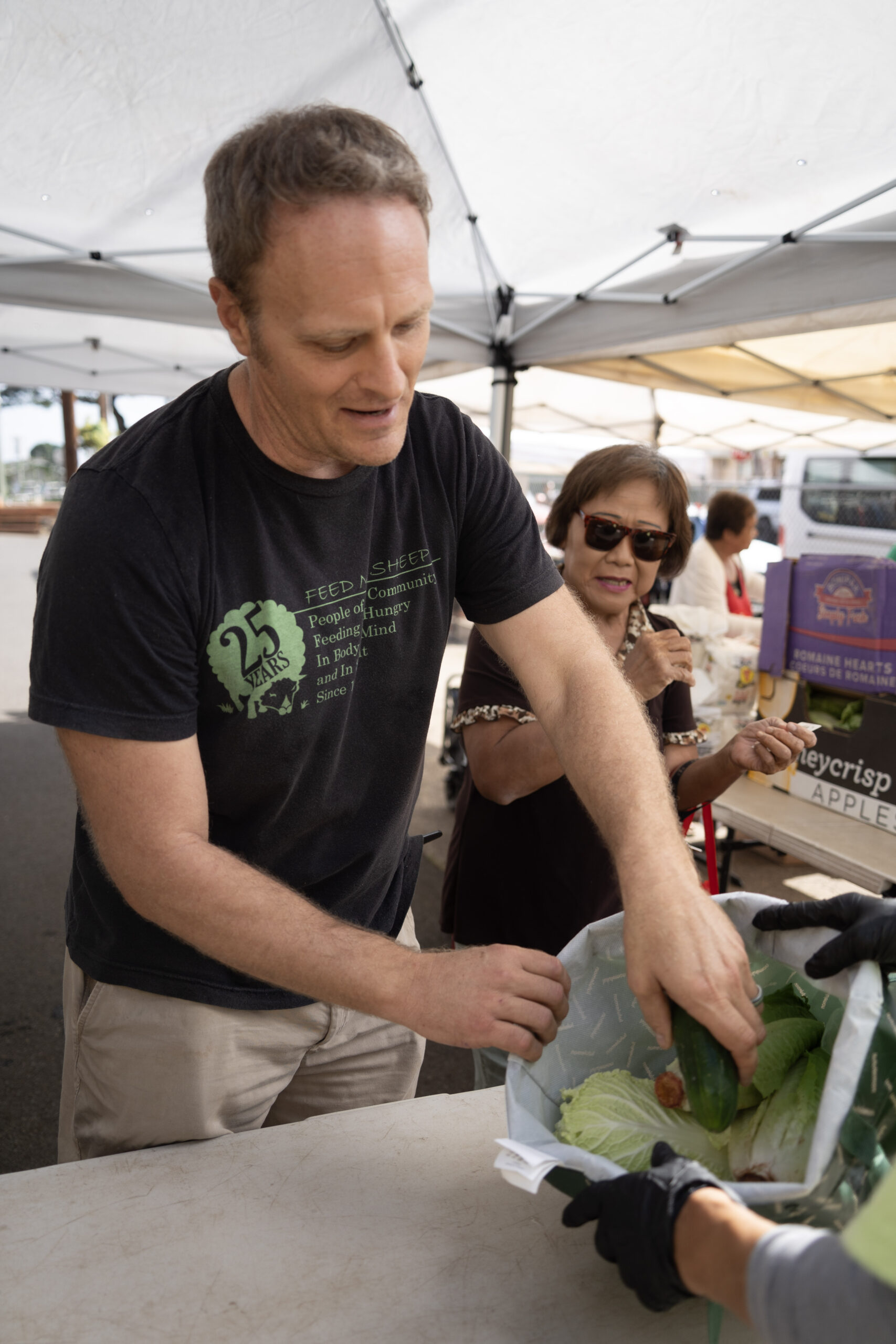
While Feed My Sheep didn’t lose funding either, Hopkins suspects “the broader economic picture” is the reason donations were down this year. The timing “pretty much lined up” with news reports on the impacts of changing government policies.
Cuts also impacted the organizations they work with. The faith-based nonprofit was built “with the understanding that there was these other programs that would meet the need alongside us,” Hopkins said. But as food banks and other aid programs lost federal funding, “that stressed them and us.”
“We start to ask the question: Is this society changing so much that we can’t do this the same way anymore?” Hopkins wondered. “And if we can’t do it the same way anymore, do people care enough to stick with us while we gotta build something new from scratch?”
For so long, federal programs have been a part of society, Hopkins pointed out. But now, it feels like the people they serve are “getting caught in the crossfire.”
“Less money, more need, people telling us that the people we’re serving are the bad guys,” Hopkins said. “And we’re going to keep going, but it’s hard.”
Regardless, Hopkins emphasized that Feed My Sheep will continue to help people on all ends of the political spectrum. “My goal is to always see them as a human being I have respect for,” he said.
Hopkins also said new grant money for fire relief is more difficult to obtain this year.
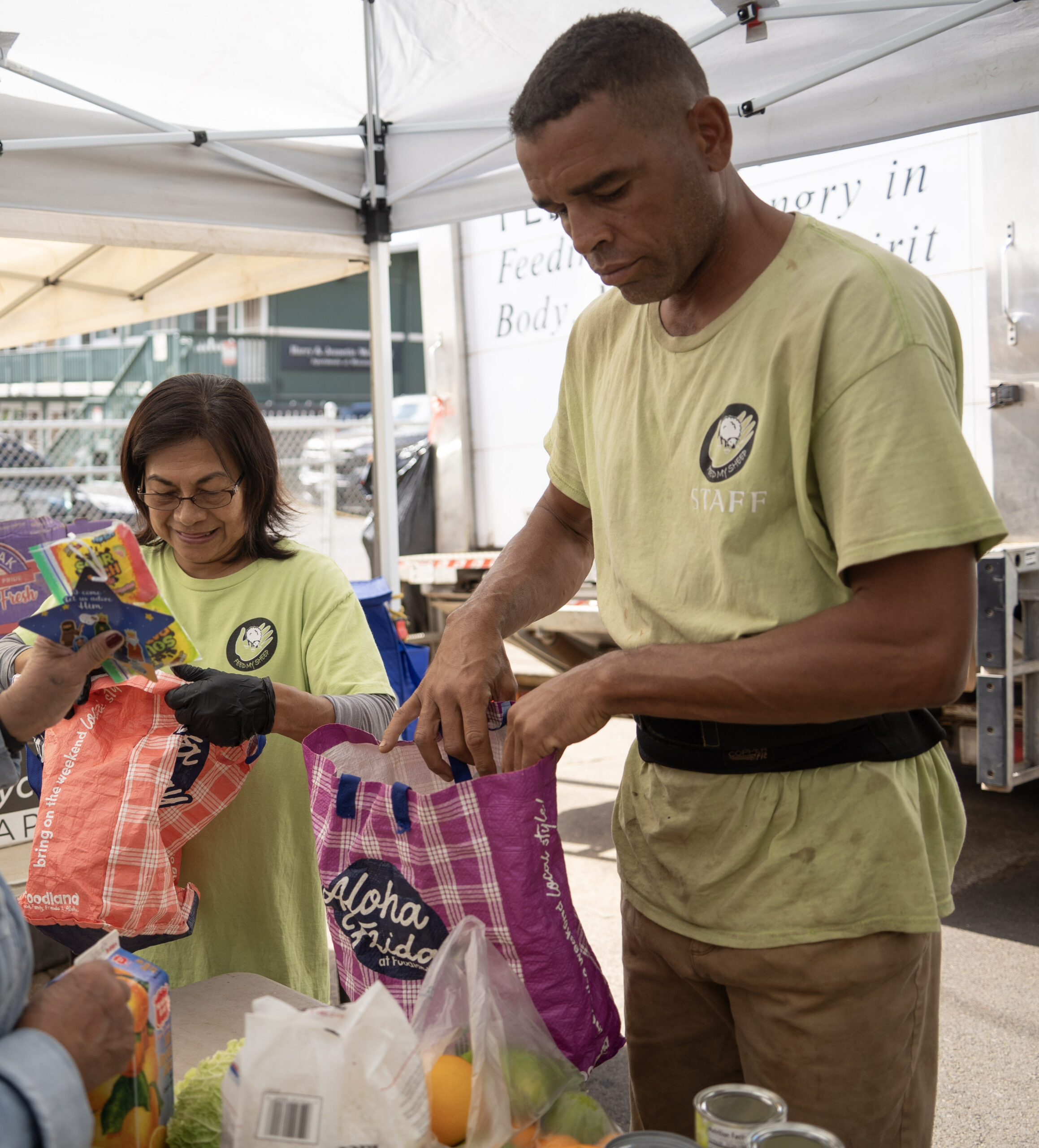
Before the fire, 14% of the people that Feed My Sheep served were from Lahaina; after the fire, it rose to 40%. Hopkins has seen the need increase as federal assistance and other programs end. A year after the fire, Feed My Sheep went from about 250 to 300 families a month to 350, ranging in size from one person to nine. In the last fiscal year that ended June 30, they served 4,744 people, and they expect even more this fiscal year.
DOWN BUT NOT OUT
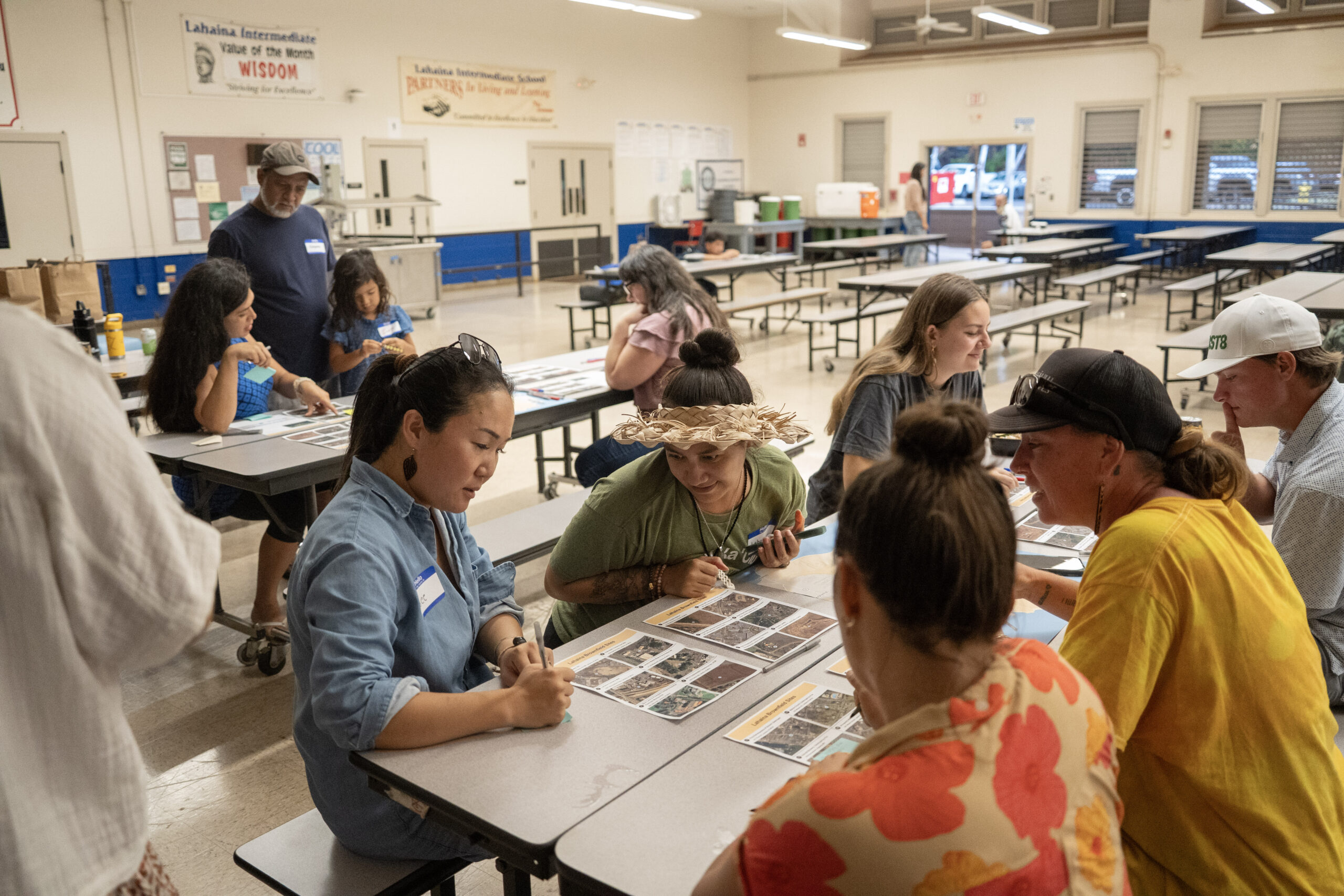
For the first two years after the disaster, nonprofits didn’t have to think about things like strategic plans. But now, they need to start mapping out their mission in post-disaster times and how they’ll stay afloat financially when they don’t have the kind of “unrestricted” funding they saw after the fires, Lee said.
Maui United Way recently held an event to help nonprofits, especially new ones, plan their long-term strategy. For example, what would a nonprofit that was created specifically to help with the rebuild of Lahaina do after the town is rebuilt and the houses are filled? Lee asked.
Next year, Maui United Way is looking at creating cost-sharing models that would allow local nonprofits to share resources like grant writers. The organization wants to create a program called the Maui County NET: Nonprofit Emergency and Resiliency Task Force to bring together local organizations and identify needs in each sector.
“The county can still follow their rules and go at their pace, because government isn’t designed to be nimble and quick,” Lee said. “But we can be, and so this … idea is we are fast, and we can surge out money quickly. We can pre-contract food security providers, nonprofit organizations, small businesses, etc.”
Lee wants to see a general fund for nonprofits in times of need, such as when they’re waiting months for reimbursements from Maui County on work they’ve already done. Lee, who’s been in the nonprofit world for 25 years, said she used to think the solution was to fix the county. But, realizing changes would continue under every new administration, she said nonprofits need to create their own solutions.
Having a backup plan is the kind of coping strategy that’s helped nonprofit veterans like MEO get through this year’s challenges.
“We have Plan A, Plan B, Plan C,” said Cabebe, who’s been with MEO for 25 years. “We work the plan all the time. We’re constantly looking at, OK, this is the way we’re going. … Oh no, this happened, and now we’ve got to pivot, and we pivot a lot, every day, all day long, trying to make sure that what we’re doing is valuable to the people in this community.”
Over the past two years of Maui’s recovery, the community’s needs have shifted. It’s no longer about putting food and clothes into people’s hands and getting them out of temporary shelter. Now, it’s about finding long-term housing — “the root of a lot of the problems for us in Maui County.”
Cabebe said MEO’s focus is to “stay true to our mission” and make sure the funding and programs they pursue are within their wheelhouse.
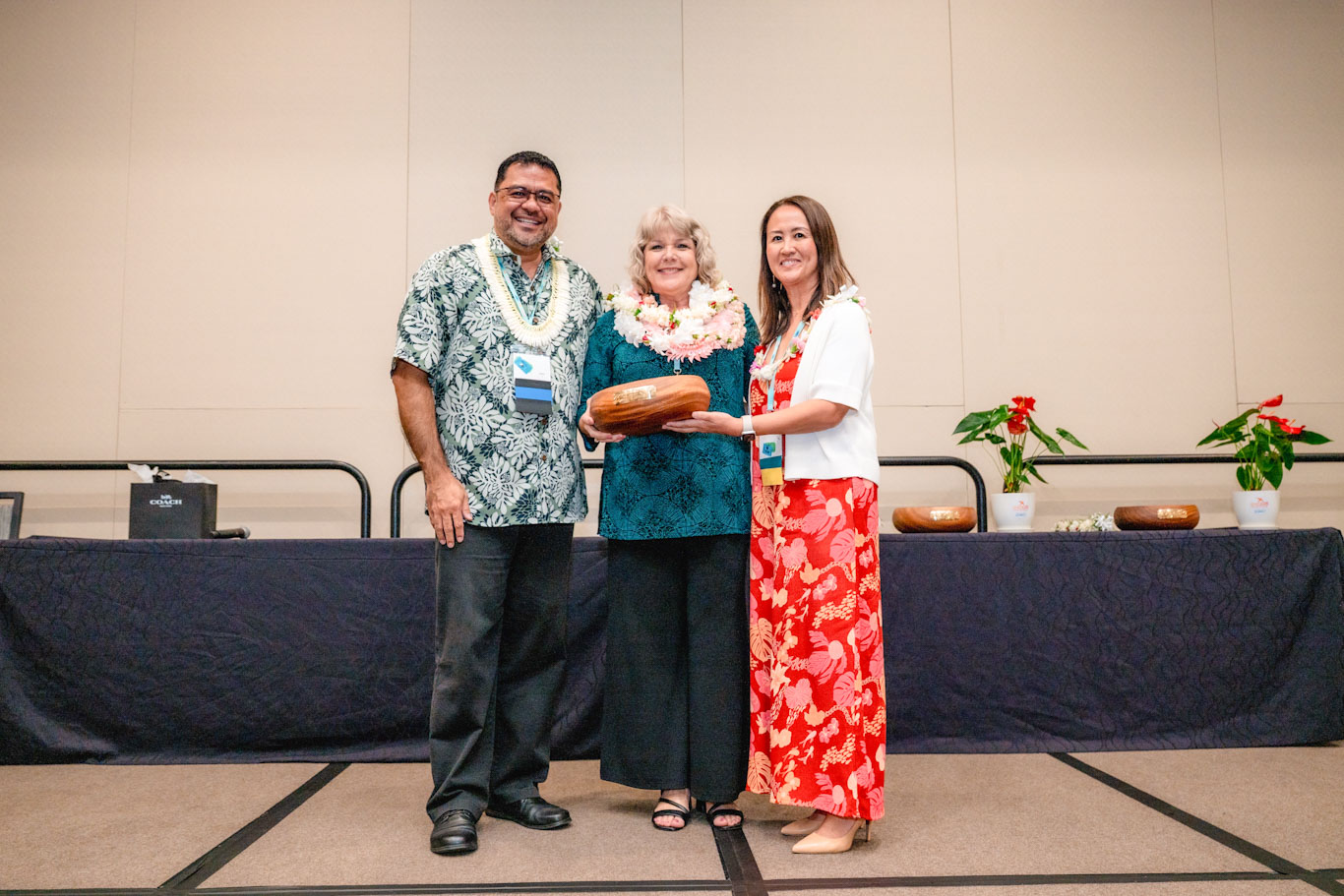
Eisenhart said this year was an even bigger reminder of why nonprofits need to rely on mutual aid, a cooperative community network where people bring together their skills and resources.
“Mutual aid is really where we need to be more focused, especially in Hawai‘i with everything so far away,” Eisenhart said. “And unfortunately that means things that are uncomfortable, like asking for help and saying where we’re vulnerable and things like that. But if we don’t get better at doing that, we’re not going to survive as nonprofits.”
