Mālama Maunalua awarded $4.6M grant for community-led ridge-to-reef restoration
Mālama Maunalua announced it has received a $4.6 million grant from the National Fish and Wildlife Foundation’s National Coastal Resilience Fund to implement the next phase of its community-led, ridge-to-reef restoration strategy for Maunalua Bay.
The project is a broad partnership including Mālama Maunalua, Protect and Preserve Hawaiʻi, Kuleana Coral Restoration, the Hawaiʻi Institute of Marine Biology, the Koʻolau Mountains Watershed Partnership, Aloha Tree Alliance, Roth Ecological Design International, the Ocean Alliance Project and the Department of Land and Natural Resources.
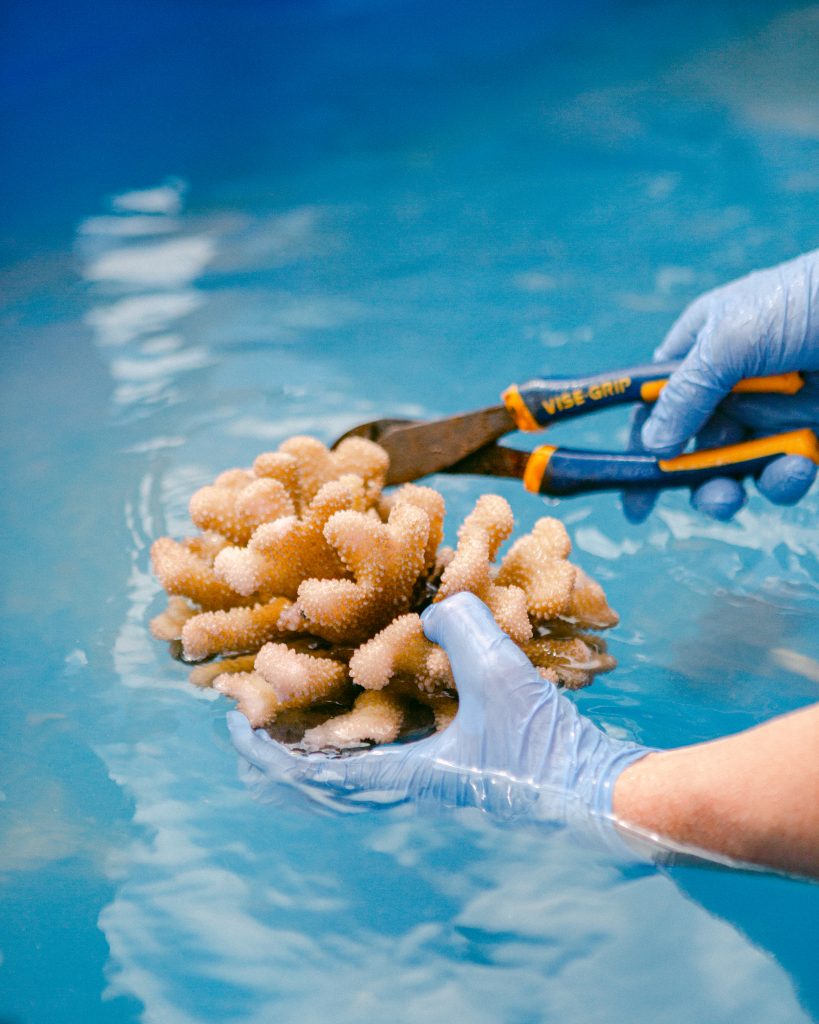
The funded project, “Pipeline: Community-led Ridge to Reef Management to Mitigate Coastal Threats and Restore Watershed Habitats,” will enable large-scale implementation of native forest restoration, green stormwater infrastructure and climate-resilient coral restoration across East Honolulu.
“This funding is transformational for Maunalua Bay and for our community,” said Doug Harper, executive director of Mālama Maunalua. “For years, residents have witnessed the impacts of flooding, runoff and declining coral health. This award allows us to activate a comprehensive, science-driven solution that restores native forests, improves stormwater management and rebuilds our coral reefs with species resilient to future climate conditions. It is a major step forward for protecting our homes, our ecosystems and our way of life.”
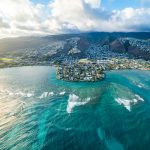
 Wailupe reef seen from the sky. Aerial photo by Cameron Brooks
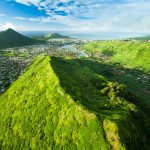
- Hawaiʻi Kai valleys on Oʻahu. Aerial photo by Cameron Brooks
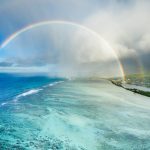
- Aerial view of Paikō Reef near Maunalua Bay. Courtesy: Mālama Maunalua
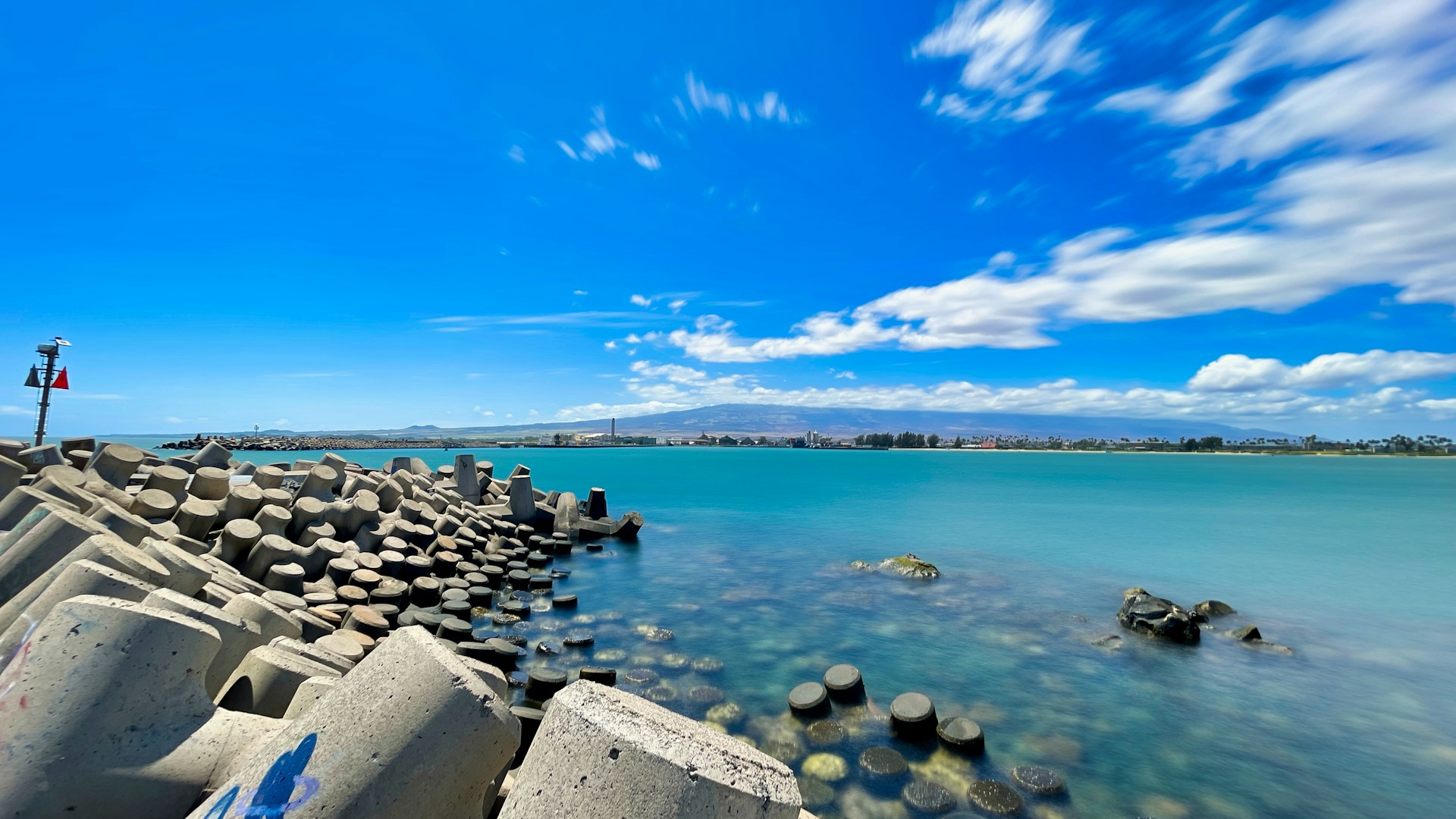
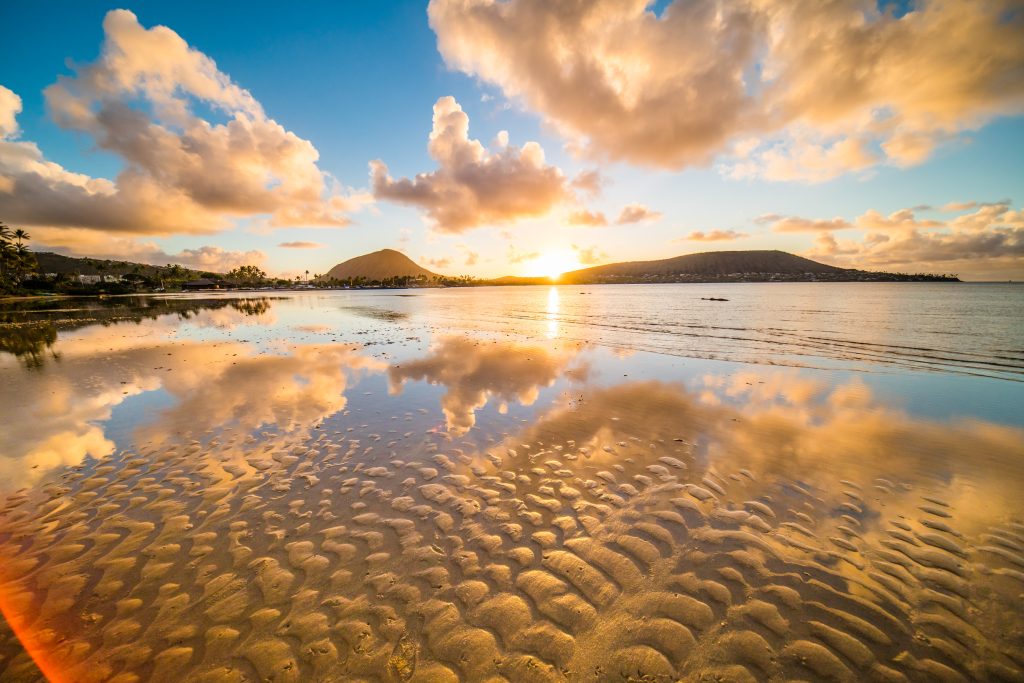
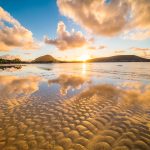
- Maunalua Bay sandbar on Oʻahu. Courtesy: Mālama Maunalua
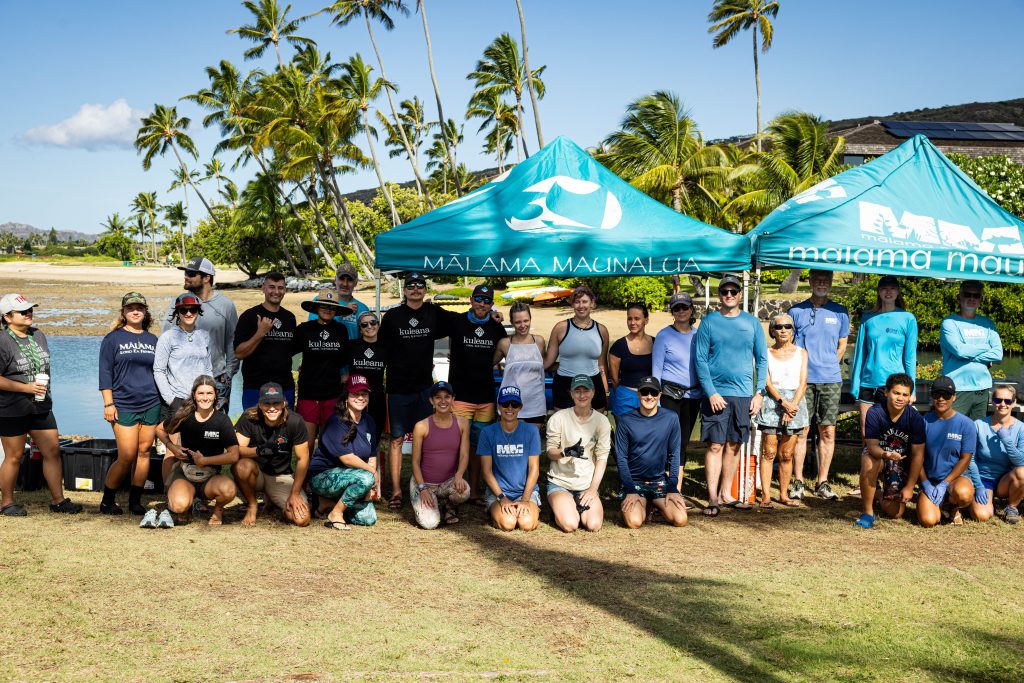
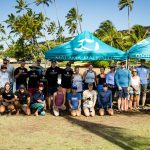
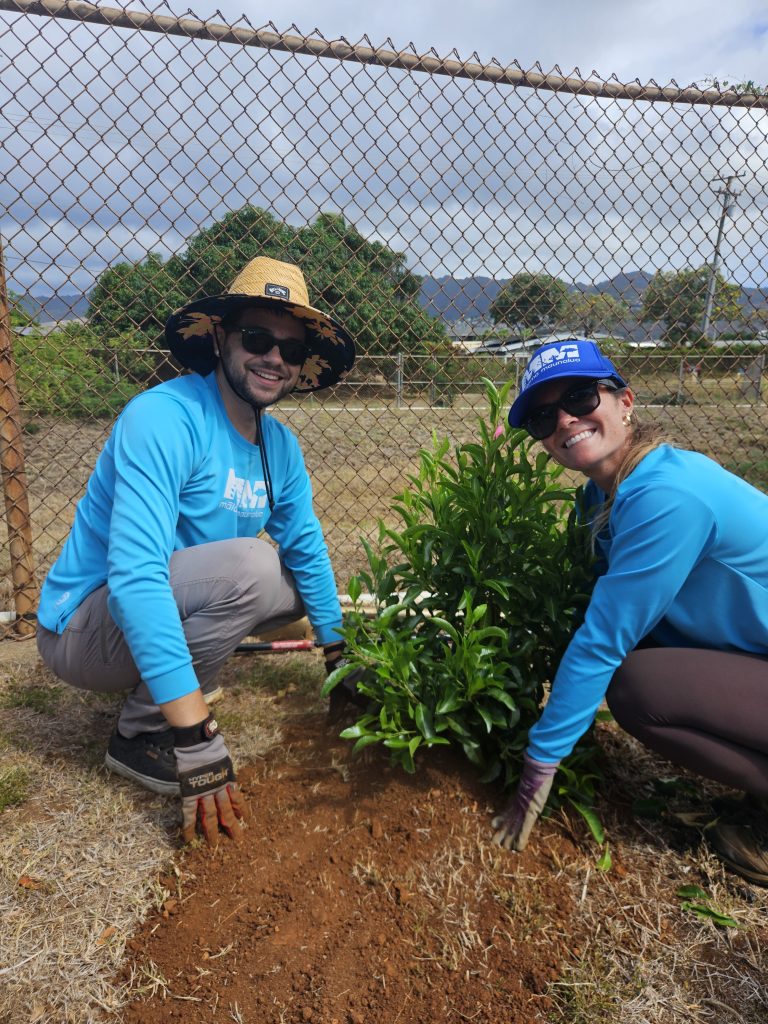
- Volunteers pose for a photo. Courtesy: Mālama Maunalua
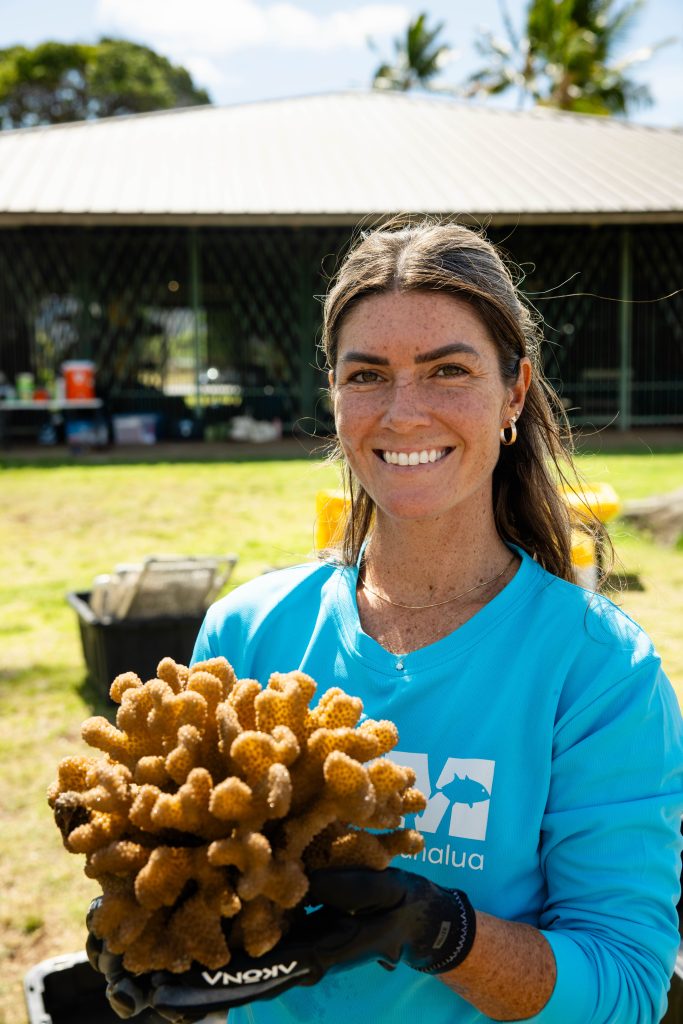
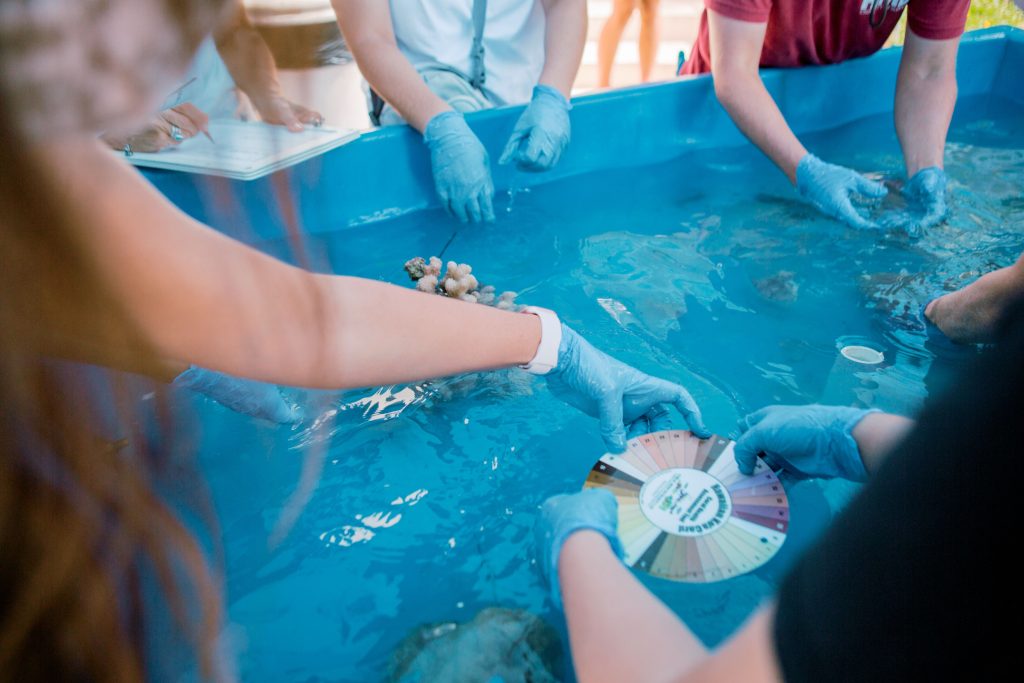
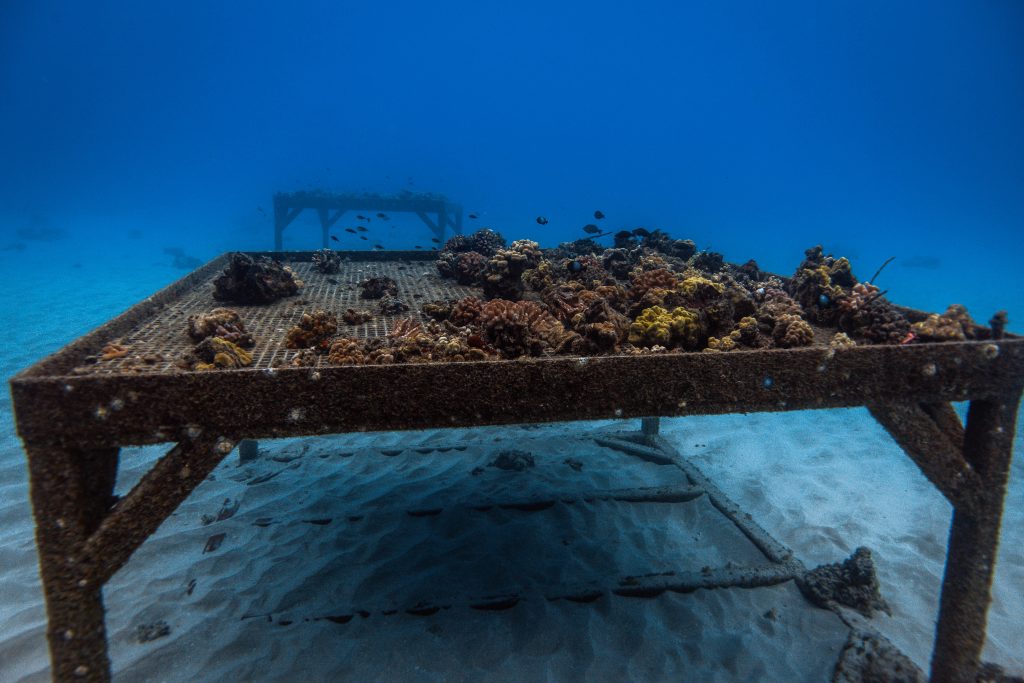
- Coral restoration. Courtesy: Mālama Maunalua
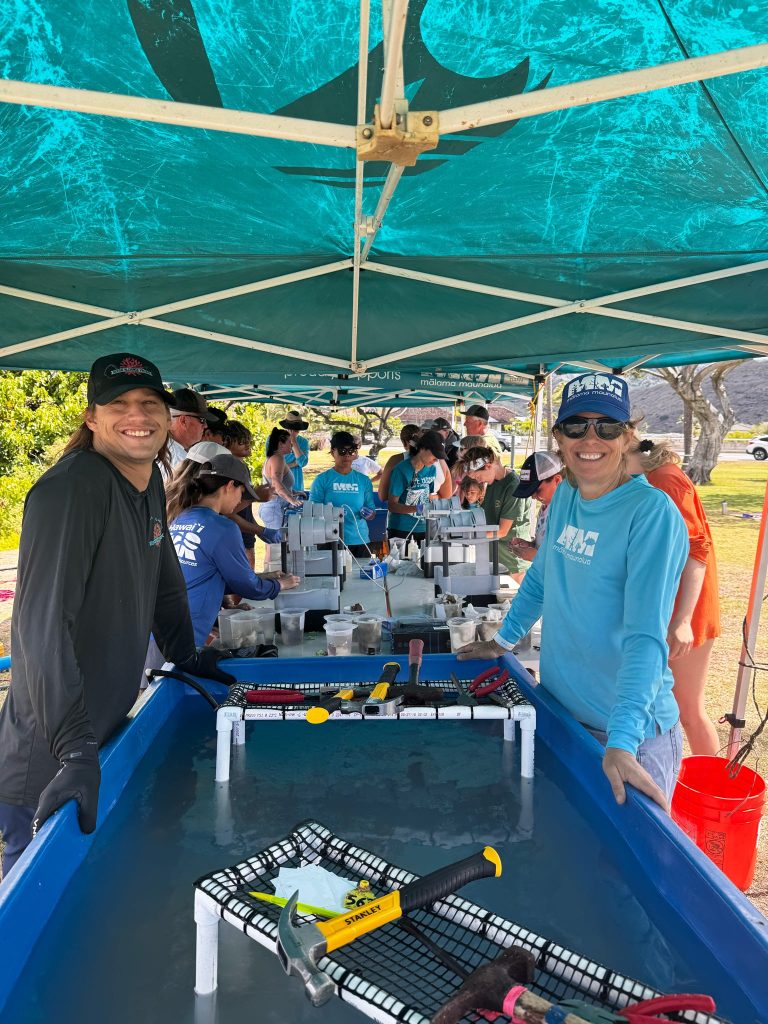
- Volunteers engage in a coral restoration project. Courtesy: Mālama Maunalua
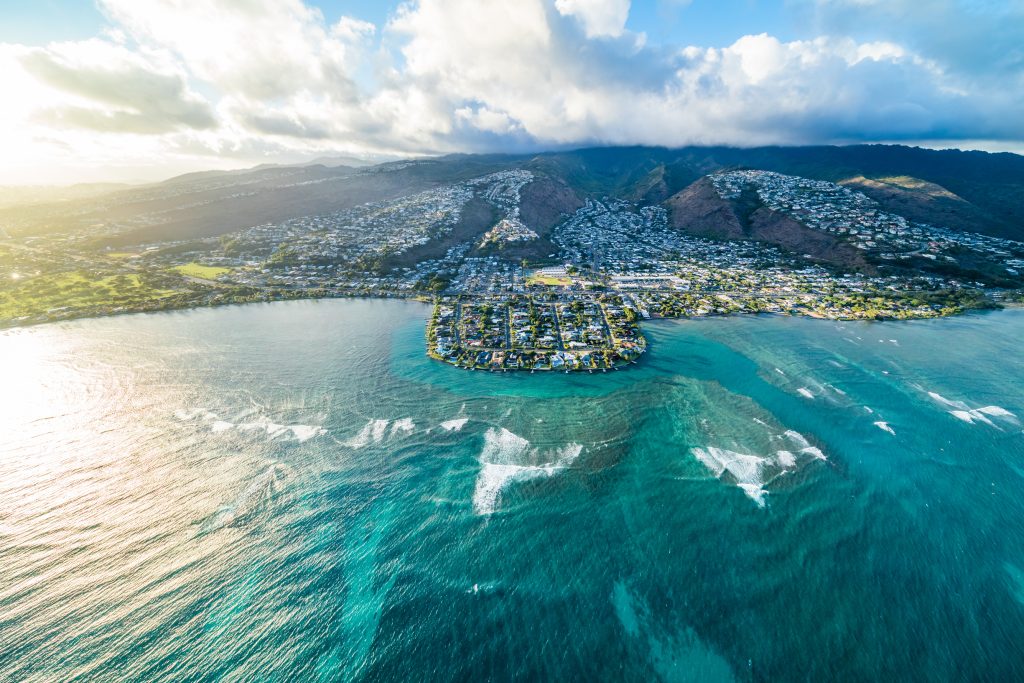
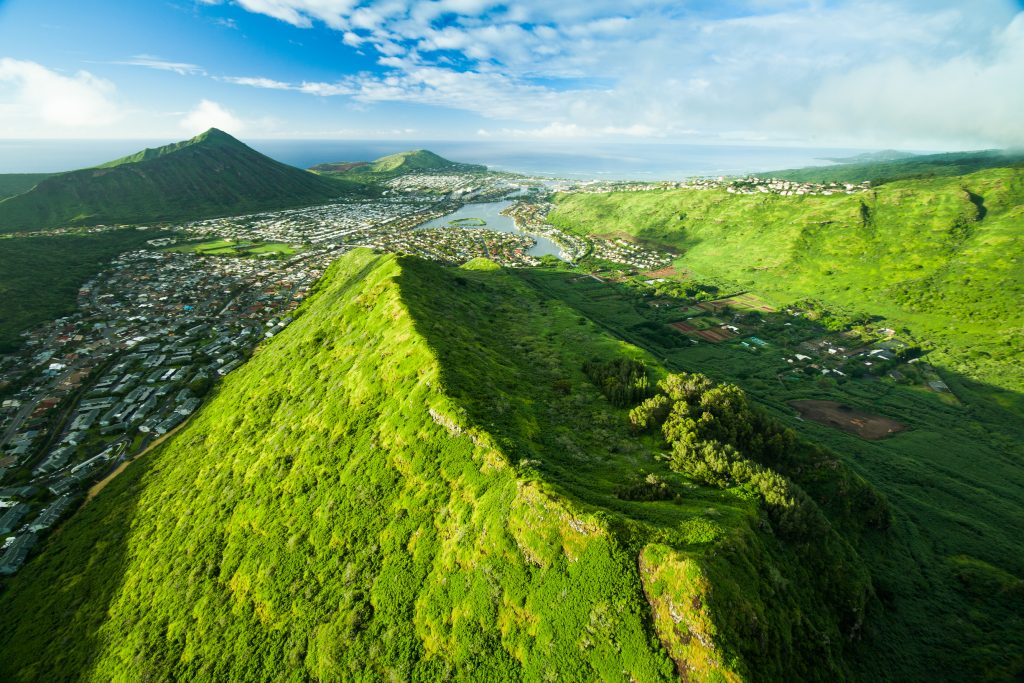
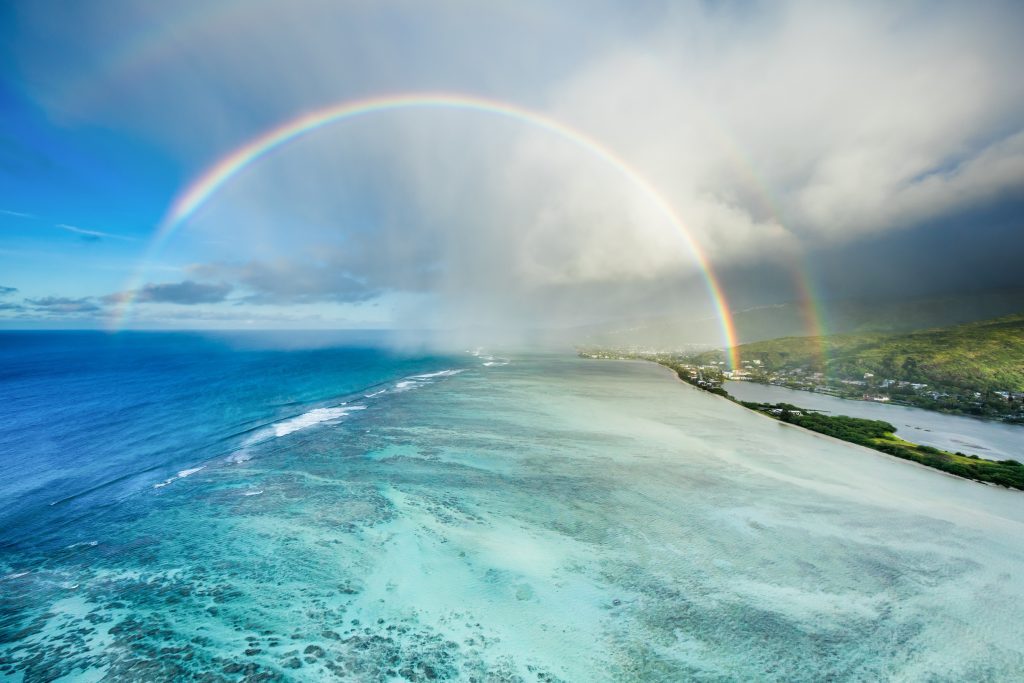
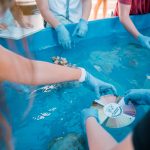
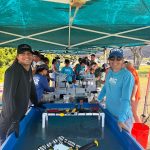
According to Mālama Maunalua, the investment is one of the most comprehensive watershed-to-ocean conservation efforts in the area. Planned work includes restoring six acres of degraded forest, constructing four green infrastructure projects that will collectively capture more than 850,000 gallons of stormwater runoff annually and outplanting at least 3,000 thermally resilient coral fragments across 10 acres of reef.
Project coordinators say these actions will significantly reduce flooding, erosion and pollution while strengthening Maunalua Bay’s natural defenses against sea level rise and climate-driven storm impacts.
The project builds on years of collaborative work by neighborhood groups, local nonprofits, cultural practitioners, researchers and government partners. Volunteer engagement will continue to play a central role, with an estimated 3,000 community members expected to participate in reforestation, coral out planting and hands-on education and stewardship activities.
“Our ridge-to-reef model is grounded in local leadership, indigenous knowledge and collaboration,” Harper said. “This grant empowers thousands of volunteers, student, and partners to take part in restoring and stewarding Maunalua Bay for generations to come.”
The plan also includes final design and permitting for a new regional native plant nursery to solve a major bottleneck in large-scale reforestation: the lack of available, genetically appropriate native plants for East Honolulu.
Implementation is scheduled to begin in early 2026 with restoration work continuing through mid-2028. Activities will include monthly volunteer restoration events, construction of green infrastructure demonstration projects at schools, commercial centers and residential sites, coral propagation and out planting through the Restore with Resilience program and ongoing educational workshops to expand local capacity in green infrastructure installation and maintenance.
More information is available at www.malamamaunalua.org.
Sponsored Content



_(1)_1787857947612.webp)