



 Hawai‘i Journalism Initiative
Maui waterman Archie Kalepa leading safety clinics for high school surfing coaches as competition goes statewide
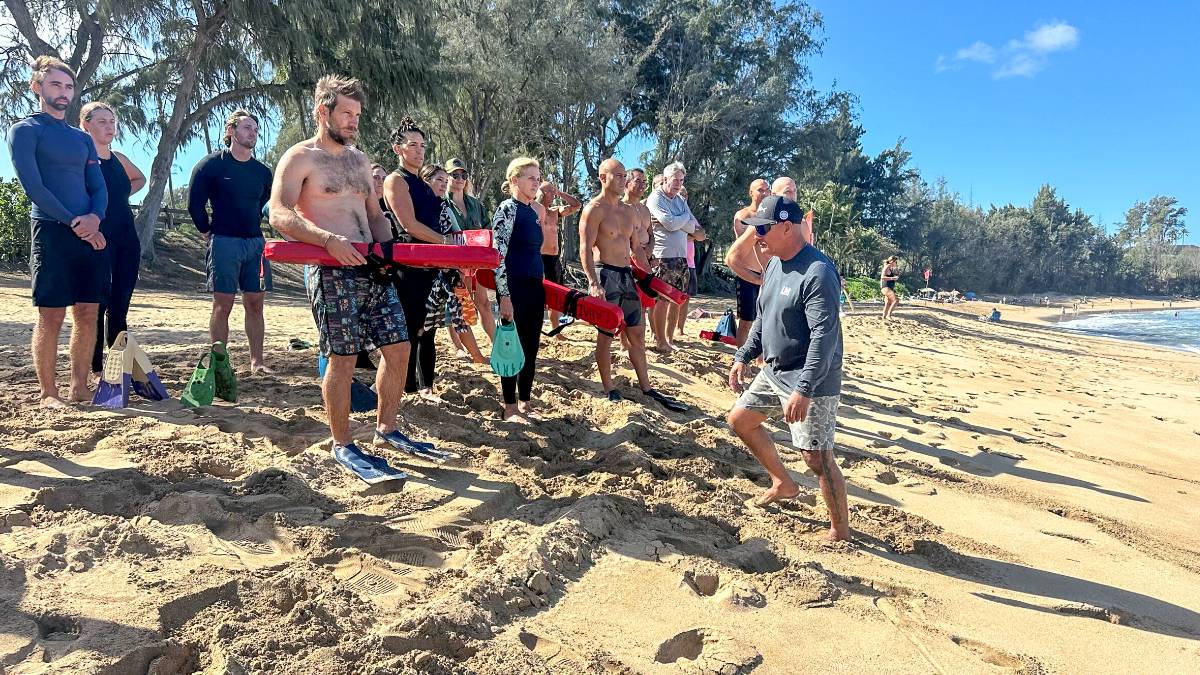
At D.T. Fleming Beach Park on Sunday, 26 surf coaches gathered to swim 500 yards in the open ocean, and they were required to cover the distance in 12 minutes.
The mission was clear: Be ready to rescue a teen surfer.
HJI Weekly Newsletter
Get more stories like these delivered straight to your inbox. Sign up for the Hawai‘i Journalism Initiative's weekly newsletter:
The swim was part of the 12th annual Maui Interscholastic League surfing coaches safety clinic. But for the first time, 21 MIL coaches were joined by five from the Big Island Interscholastic Federation for the clinic.
With high school surfing in Hawaiʻi becoming a statewide sport beginning this spring, the state Department of Education now requires completing safety clinics for all of its surfing coaches.
For years, safety was always one of the roadblocks for MIL surfing advocates who were trying to convince the rest of the state high schools to take part in the sport.
Kim Ball, the founding father of Maui Interscholastic League surfing, came up with the idea of having longtime Maui waterman Archie Kalepa and veteran Maui High School athletic trainer Chris Pagdilao conduct the safety clinic to make the ocean sport as safe as possible for teenagers.
Lyndee Sprenger, a seven-year surfing coach at Maui Preparatory Academy, said Kalepa “is one of the best watermen in the state,” and has set up a program to train U.S. military personnel.
“So the guy is no slouch when it comes to water safety,” Sprenger said. “If he’s training the best of the best of our whole nation, I would say that our kids are in good hands.”
The standard for safety has been set by the Maui Interscholastic League, which has had no significant injuries in 12 years of surfing being an official sport in Maui County.
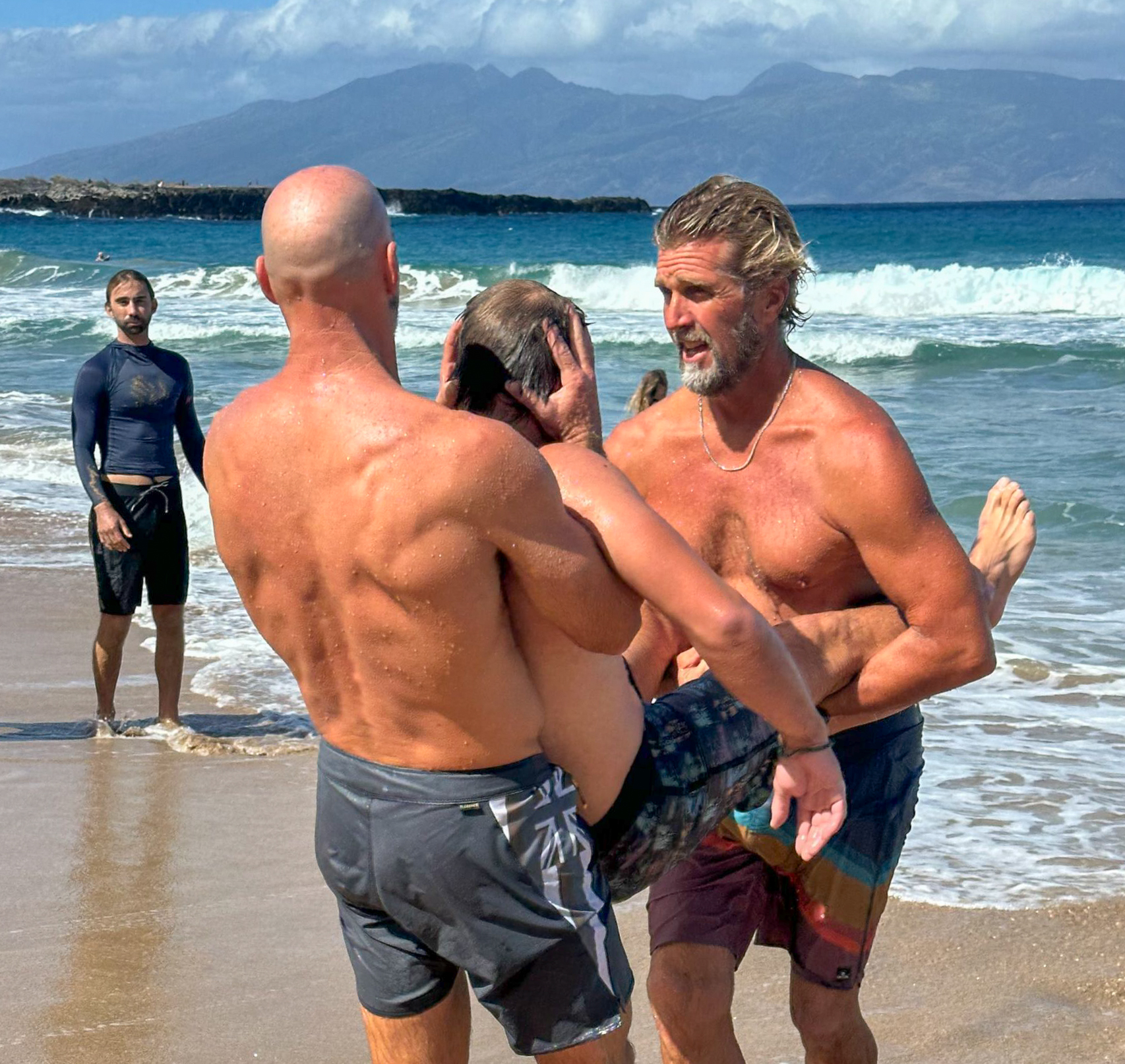
During the eight-hour clinic, coaches were taught CPR and first aid in addition to the ocean swim, which covers the distance of five football fields or 20 laps of a 25-yard pool, the longest race in a sanctioned high school swimming meet.
Ball said Kalepa’s presentation in the coaching clinic is comprehensive, while Pagdilao covers first aid and CPR training. Ball said he has “never seen a concussion, fracture or dislocation” injury in the 30 years he’s been organizing high school surfing as a club sport and later as an official MIL sport.
“Archie does his thing on ocean risk assessment, everything that can possibly happen or go wrong — anything from currents to rocks in the water to just anything you can imagine, even on the beach or in the water,” Ball said. “They do some actual ocean rescue techniques as well.”
Ball said Kalepa also makes them look for sea life.
Kalepa, who also spent 31 years as a Maui County lifeguard and retired as county supervisor of ocean safety in 2012, said: “Safety in an uncontrolled environment, which is the ocean, can be looked at in many ways — what we try and do is provide the knowledge that creates safety.”
Kalepa will travel to Hawai‘i island to hold a similar clinic on Feb. 8. He said he is going to go over for the day to provide their interscholastic surfing coaches with suggestions about what they should be doing to prepare themselves and the teen surfers for the high school competitions.
The safety preparation that coaches are getting now will help set the tone for the coming season that will include all five of the state’s leagues.
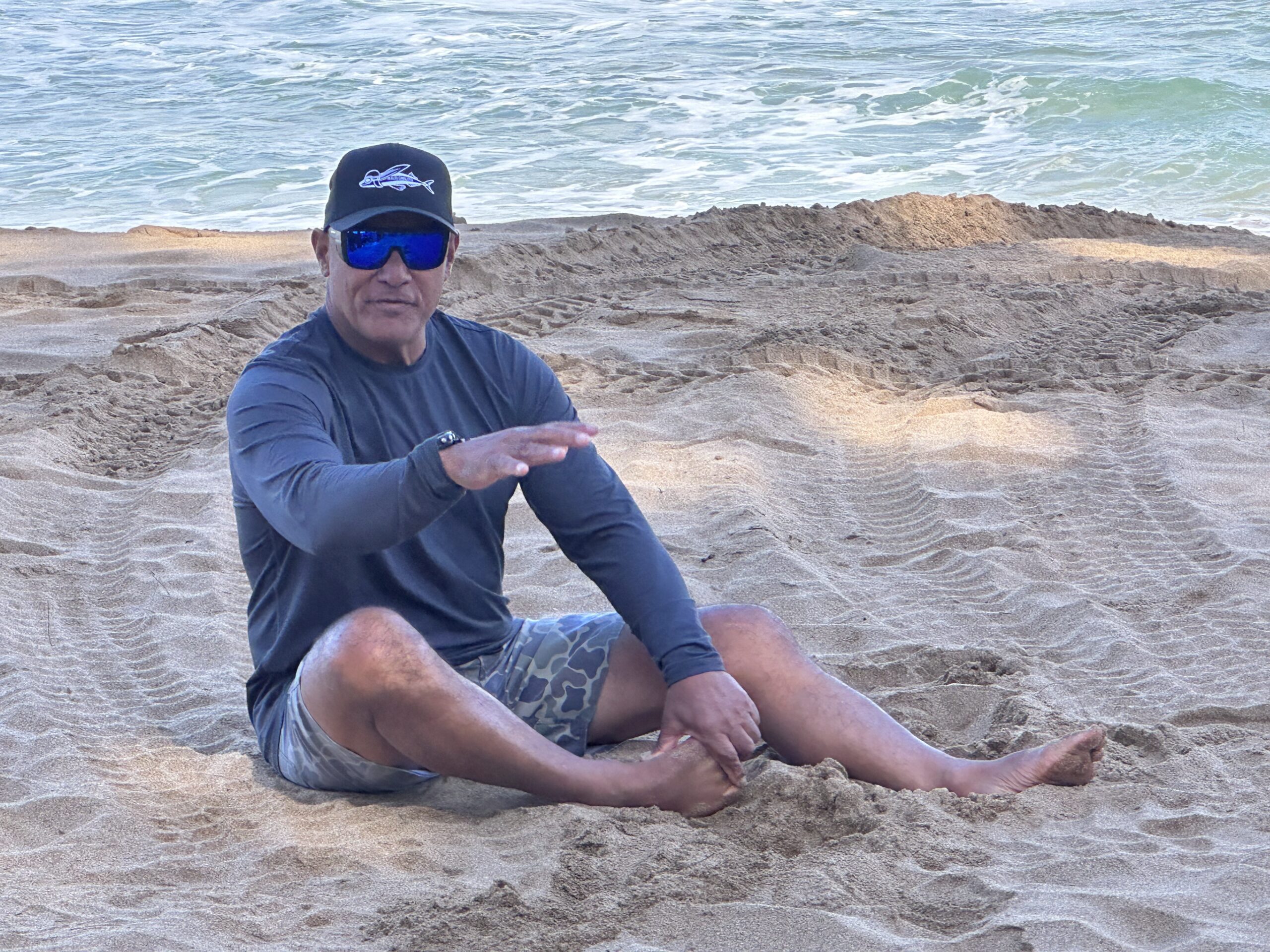
Kalepa said the coaching clinics help the coaches pass along the safety they learn to their surfers, who also undergo junior lifeguard training in preparation for their surfing season.
“We’re basically creating more lifeguards for Maui County,” Ball said.
Sprenger said she learns something every time she attends the clinic, which is required for every MIL coach once every two years.
“I kind of wish it was every year just because I do learn so much,” she said.
Chris Chun, executive director for the Hawai‘i High School Athletic Association, said with all five leagues in the state competing in the sport this spring, the format will include three shortboard riders, two longboard riders and one bodyboard rider per team.
“We didn’t anticipate all five leagues participating in all three disciplines, and we have it,” Chun said. “The excitement is building in the leagues and the schools.”
Ball has been lobbying to make the sport part of the state high school athletic landscape for more than three decades. On Maui, high schoolers competed in the Maui Scholastic Surf Championships as a club sport from 1995 to 2013 until it became an official sport in Maui County’s combined private-and-public-high school league in 2014.
In this year’s inaugural season of statewide competition, Maui will host the first Hawai‘i High School Athletic Association state tournament at Ho‘okipa Beach Park on May 1 and 2.
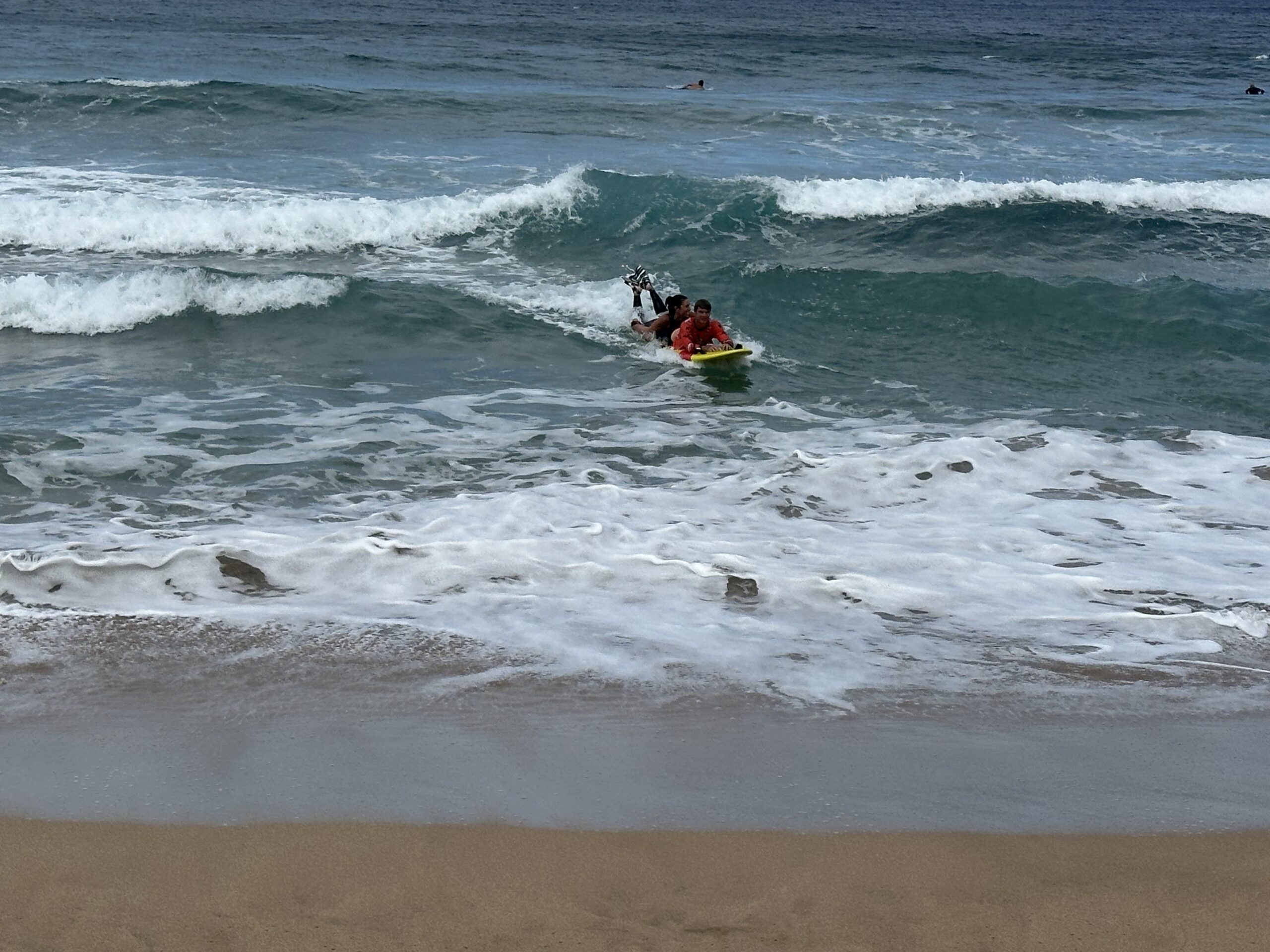
Ball said the Maui Interscholastic League is changing its format from teams consisting of five shortboard riders to the state model of three shortboarders, two longboarders and one bodyboarder. He added that there are no limits to how many disciplines each student-athlete can compete in.
Under current school participation numbers, the MIL will get five longboard slots, seven shortboard slots and three bodyboarder slots to the state championships for both boys and girls.
Wally Wong, athletic director at Laupāhoehoe High School and the surfing and outrigger canoe paddling sports coordinator for the Big Island Interscholastic Federation, said its student-athlete surfers also are required to take a junior lifeguard course.
The 66-year-old Wong participated in the coaches clinic on Sunday, including the daunting ocean swim.
“If you’re going to be out there surfing or paddling … you’ve got to know how to swim, right?” Wong said.
He said he came away from the coaches clinic impressed and hopeful that the sport will grow quickly on Hawai‘i island.
“I know there’s a lot of good surfers coming out of Maui, so hopefully, we can get more of our kids going over here on the Big Island,” Wong said.
Kalepa said the sport going statewide is a natural progression of surfing, including a way to reach student-athletes in high school who wouldn’t otherwise participate in interscholastic sports of any kind.
“Hawai‘i is the surfing capital of the world. This was our gift to the world,” Kalepa said. “When we get a chance to create good ambassadors through this, through the schools, it’s a win for a lifetime.”
MAUI INTERSCHOLASTIC LEAGUE
2026 Surfing Schedule
—Feb. 21, D.T. Fleming Beach Park
—March 7, Kahului Harbor (Ho‘okipa is back-up)
—March 28, Koki Beach
—April 11, Ho‘okipa Beach Park
—April 25, Lahaina Harbor
—May 1-2, HHSAA State Championship at Ho‘okipa Beach Park
Maui coaches who attended the clinic came from Haleakalā Waldorf, Hāna, Kamehameha Maui, King Kekaulike, Kūlanihākoʻi, Lahainaluna, Maui Christian, Maui High, Maui Prep and Seabury Hall high schools. Participating Big Island Interscholastic Federation coaches were from Kealakehe, Kamehameha Hawai‘i, Laupāhoehoe and Waiākea.
