 Hawai'i Journalism Initiative
Popular ‘Understanding West Maui’ video series spotlights history, people who shaped the community
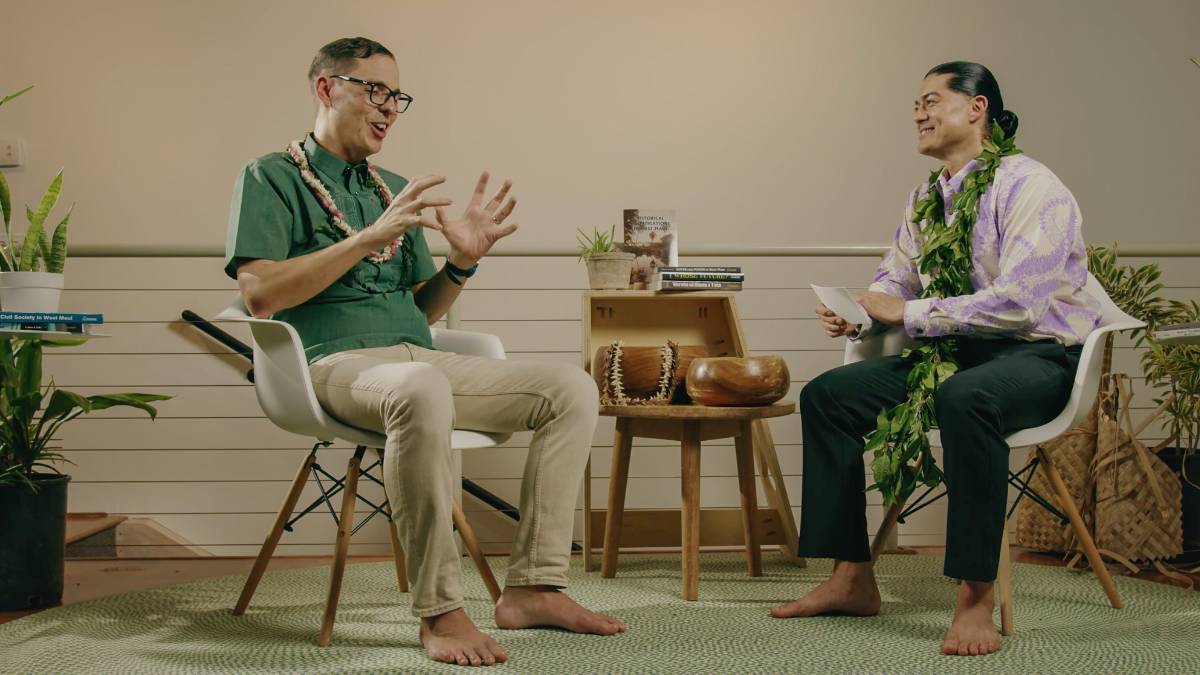
A seven-part video series “Understanding West Maui” launched three months ago on YouTube featuring authors and scholars who have explored the land, water, culture and community for The West Maui Book Series.
While several of the 19 current titles in the series have done well for academic books — with some reprinted and one selling about 2,000 copies, which is considered outstanding — the seven 30-minute videos already have combined for 253,074 views, ranging from 28,000 to 61,000 per video.
HJI Weekly Newsletter
Get more stories like these delivered straight to your inbox. Sign up for the Hawai‘i Journalism Initiative's weekly newsletter:
“Way, way, way more more popular than we expected,” said Lance D. Collins, who spearheaded the series for the North Beach-West Maui Benefit Fund and is the featured author in the series’ seventh episode about “Law, Land & Power.”
Collins half-joked the series’ popularity could be partly due to the series’ host, Alakaʻi Lastimado. He is perhaps best known for his guest hula with Robert Cazimero in 2017 at The Shops at Wailea on Maui that was captured on video by a blogger and went viral with 3 million views and counting.
“He’s very handsome and he’s got like all these fans all over the world,” Collins said. “So that may be part of the reason why the view count is high.”
Regardless of the reason people are watching, Collins is thrilled that viewers are learning more about the “fascinating history” of West Maui and is hopeful the content will be useful to them.
“I think the takeaway maybe for all of the podcasts, not just mine in particular, is that we’re so bombarded by Hollywood content and national content that I think sometimes people forget we have local history,” Collins said. “And, it’s actually very interesting and can help us explain our current circumstances.”
Each episode of the series showcases unique perspectives about resilience, history and aloha ʻāina (love of the land), including education, governance, tourism, sustainability and cultural identity.
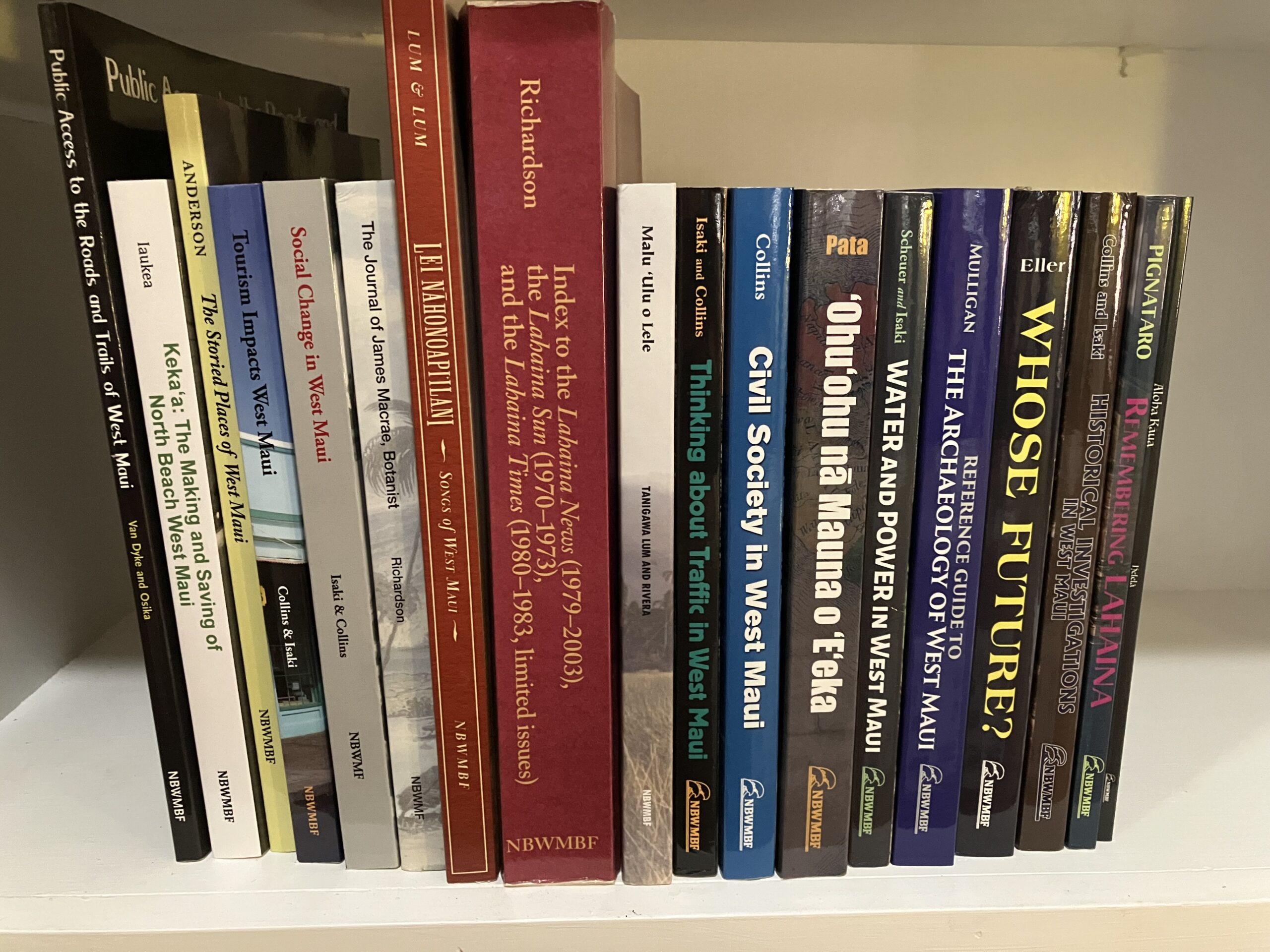
They stem from research and writing done for The West Maui Book Series, which began in 2012 with a compilation of the proceedings of the Maui County Charter Commission.
The first “real book” in the series was “Public Access to the Roads and Trails of West Maui” by the late Jon Van Dyke, a constitutional law professor at Richardson School of Law at the University of Hawaiʻi at Mānoa.
“There was an old government road problem that Maui County couldn’t extricate itself from and we thought it would be helpful to have somebody who’s really smart, like John Van Dyke, basically tell us what is the law of this area?” Collins said. “And to work with a geographer to basically map out roughly where are all the old government roads in West Maui?”
Collins said a lot of the maps had to do with people having access to get to their family land in an area that potentially isn’t paved.
“And actually, this became a huge issue during the fire because there’s a whole bunch of old government roads that have gates and that were locked,” he said. “And so when people needed to evacuate from where the fire was, there were very limited choices because all of these government roads were all chained off.”
While the book was published by the North Beach-West Maui Benefit Fund, it became the first book in the series to be distributed by the academic UH Press.
Another early book in the series was “Kekaʻa: The Making and Saving of North Beach West Maui” by Sydney Lehua Iaukea, a Native Hawaiian educator, political scientist, award-winning author and former Miss Lahaina.
Iaukea is the featured author in the second episode of the video series, discussing her book as well as Lahaina town, Honolua, Olowalu and Gilbertese migrations in West Maui that she wrote about in chapters for other books.
Host Lastimado asks Iaukea about how the Gilbertese laborers, who came from the Kiribati islands of Banaba or Ocean Island in the 1880s, shaped the sugar plantation economy.
“So this is one of my longest chapters because I knew nothing going into it,” Iaukea said. “And then there’s so much information about this group of people who came to Hawaiʻi and their contracts were for three years and then they were supposed to go back. They were promised a passage back, but of course, a lot of that never happened.”
Iaukea said the Gilbertese laborers went to court after their three years were completed and “fought Pioneer Mill because they said they were brought over as the Blackbirds, as slaves.”
All but one eventually returned to their homeland, only to find it had been destroyed by companies drilling for phosphate.
“When I was writing that chapter, I just thought it was interesting, mostly the idea of if you’re connected to your space as Native and your space is no longer there, what are you connected to and how do you hold on to culture?” Iaukea said.
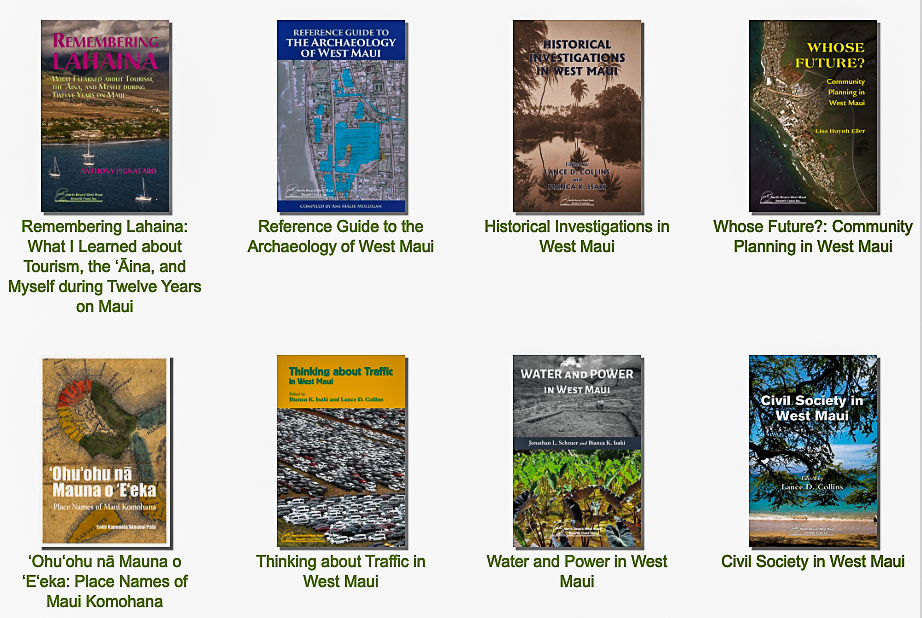
Another early book in the series was by former Maui Council Member Michelle Anderson, who wrote “The Storied Places of West Maui: History, Legends, and Place Names of the Sunset Side of Maui.”
Collins said the book was “particularly popular because there’s a lot of illustrations and it’s less academic.” He said it is a gathering and compilation of the West Maui work of Inez Ashdown, who was the county historian emeritus and “had written about everybody and everywhere.”
Anderson was the executor of her estate “so she had all her papers.”
The book projects are supported by the North Beach-West Maui Benefit Fund, which was incorporated in 2007 and receives annual contributions from the settlement of the interventions before the hotels in North Beach were built. Its mission is to “administer designated improvement projects for the public benefit, including land acquisition, improvement of coastal resources, roadway improvements and other appropriate benefits of the North Beach-West Maui area and communities.”
Some of the appropriate benefits include the books.
“I always understood that the mission for the books was to research West Maui, making sure that some of its history is better publicized, and to get more people interested in the history and the historical significance of West Maui,” said Bianca Isaki, president of the Board of Directors of the North Beach-West Maui Benefit Fund.
The five-member volunteer board selects the projects, with Collins serving as the program director and the book reviews being conducted by scholars.
Collins said the original plan was not to do a series, but to see if people doing research in certain areas would be interested in telling the local history and local culture: “It was, why don’t we just do these projects until we run out of stuff to talk about. And it turns out like that will never happen.”
When a new book is published there is a launch, with the authors often getting invited to speak to classes and community organizations. Collins said feedback started coming in, particularly after the COVID-19 pandemic, that the authors should do talks or interviews that are more publicly available.
“So I got the command: Do a (video) podcast,” Collins said.
There also had been a West Maui Hawaiian speaker series that was popular and continued online, being streamed during COVID. “The speaker series went on until the (2023 Lahaina) fire, and then it stopped,” Collins said.
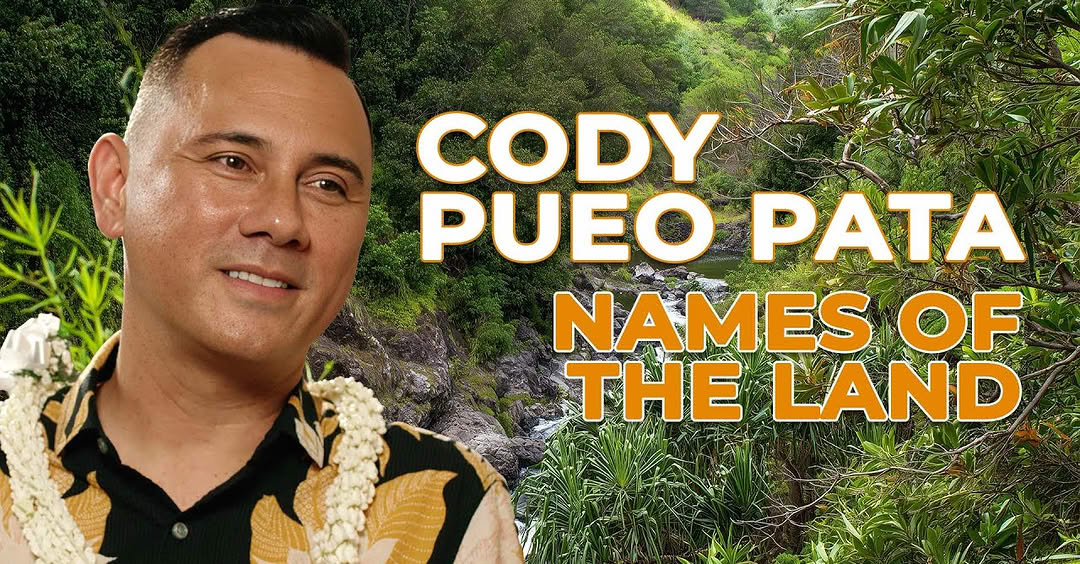
The “Understanding West Maui” video series began three months ago with Cody Pueo Pata on “Place, Language & Lineage.” His book, “Ohuʻohu nā Mauna o ʻEʻeka: Place Names of Maui Komohana,” brought together more than 1,600 traditional place names of West Maui and the cultural knowledge they carry.
He said Aunty Diane Napua Amadeo, a master lei maker from Maui, had a saying: “If it has a Hawaiian name, it has a Hawaiian story.”
“When you look into the place names, they can record all types of data from people that lived there to weather phenomena that might be present there to plants, flora, fauna that might be present there,” Pata said in his video. “Also, things that happened there. Kūpuna that lived there. And so it’s important when this place name is there, we know the story behind it.”
He said many places have been renamed. One of the most obvious is Sprecklesville. “Spreckles is not a name in Hawaiian,” he said. “So that type of renaming was overlaid on like over a dozen smaller land names.”
He said the small land names had many embedded meanings, including slippery seaweed, kūpuna who landed there from a certain place in Samoa and the type of fish at that spot.
“Just calling that place Sprecklesville, the people now have no connection,” Pata said.
Other authors in the video series are Dr. Ron Williams, a historian and archivist who discusses several topics including education; Lisa Huynh Eller, a former journalist who discusses her book about the long process to update the West Maui Community Plan in 2021; and Dr. Ryan Tam, who worked at the Honolulu Authority for Rapid Transportation and talks about the future of transportation in West Maui, including the potential of light rail as a long-term solution to congestion.
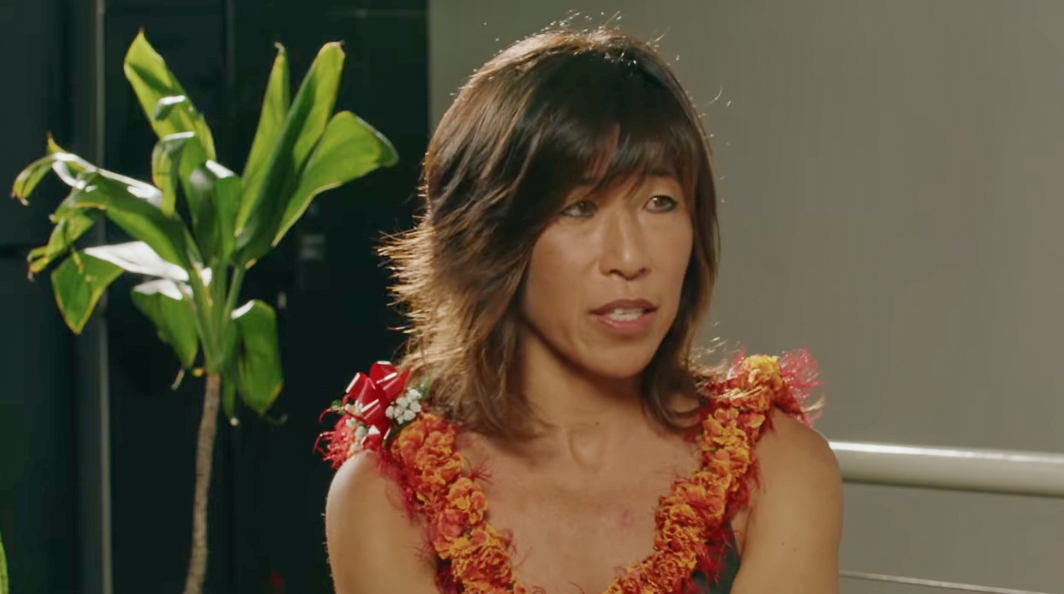
Rounding out the authors is Isaki, who did the sixth episode on “Land, Labor & Maui’s Future.” She discussed her contributions in five books of the series.
“One of the most important things that I hope doesn’t get too lost is that the series is really supposed to be about the communities of West Maui and be helpful to them,” Isaki said.
Isaki also hopes the information will help future researchers. She said several of the books, including “Water and Power in West Maui” and Civil Society in West Maui,” are more current.
In the book “Social Change in West Maui,” Collins writes a chapter called “Fast-Tracking the Luxury Housing Crisis in West Maui” that he also talks about in his podcast. Collins said they found that 100 percent affordable projects tended to stay owner occupied, while ones that were not “ended up being almost completely non owner occupied” over time.
Collins said he does not blame any local person who wins the affordable housing lottery for these mixed market-affordable projects, and then sells after the deed restriction ends.
“So the policy has to change on these, at least making the deed restrictions a lot longer, or what would be probably better is just building 100 percent affordable,” he said.
Three more books are expected to be published either this year or early next year. Two more are in the research stage, which would bring the series to 24.
One future book is about Lahaina mutual aid during the 2023 fire that killed 102 people and destroyed more than 2,200 structures. The book will offer “an example of when people just took things upon themselves to provide for their own communities,” Isaki said.
Collins also is working on a chapter in an upcoming book “about a Filipino sugar worker in Lahaina who was charged with murder in 1939. He found a love letter by his fiancee that was written to his roommate. He flew into a rage.”
He said it is a fascinating story about how the territory dealt with crime and the workers, and how race and gender all tie together.
Collins found the story while looking through old Maui News publications on microfilm. He looked up the court filing and it became “just one of those things where you just keep pulling threads.”
Collins said the next round of videos, with seven authors, already is in the works.
“If we get people who are very interested, we’ll continue to do it,” Collins said. “Because the whole point of this is to basically illuminate local history and local issues and stuff like that. And if someone is very interested in the topic, then they can basically go and look for the book, which many of the public libraries have.”