
 Hawai'i Journalism Initiative
As demand for organic food rises, federal program to help local farmers transition is cut short
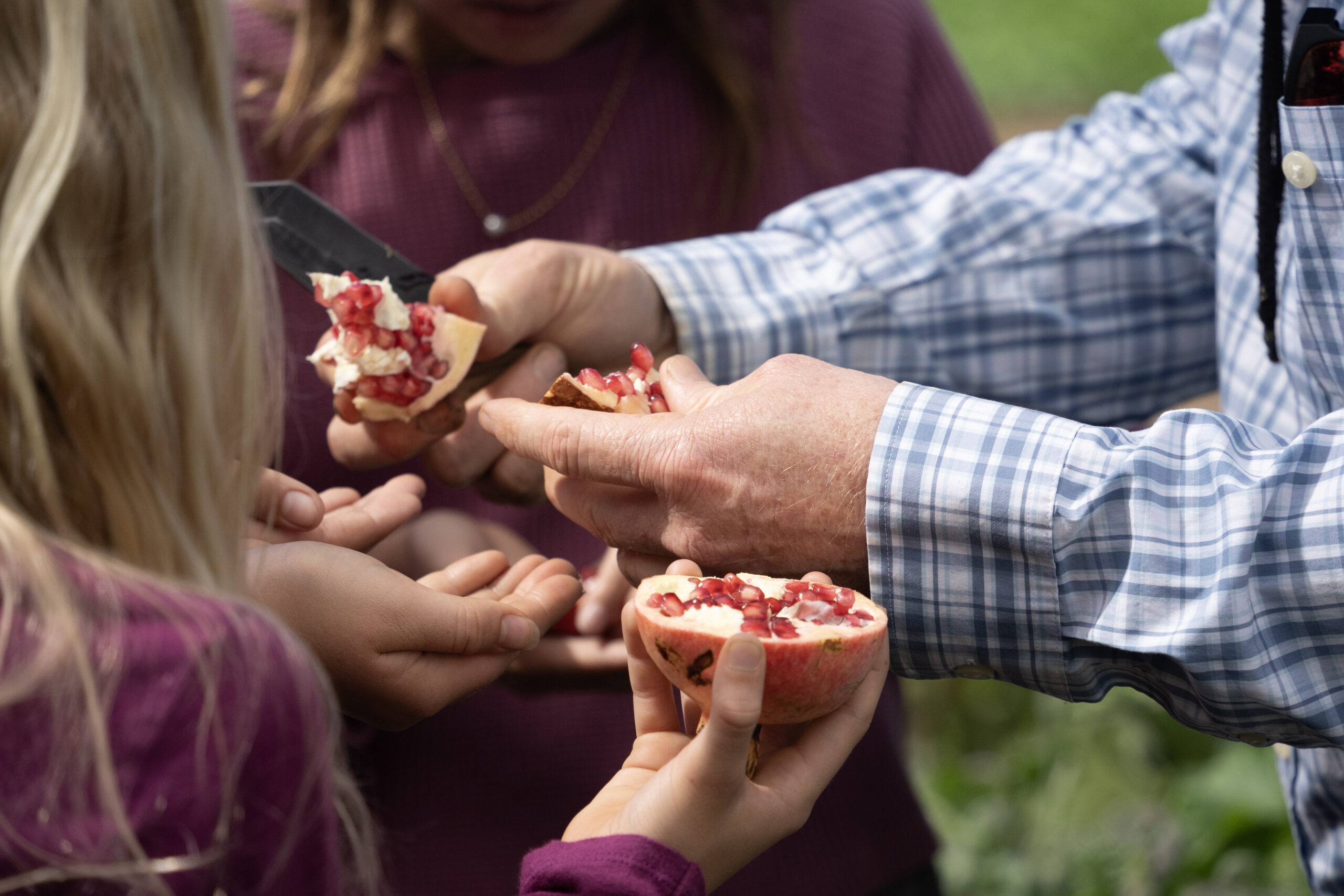
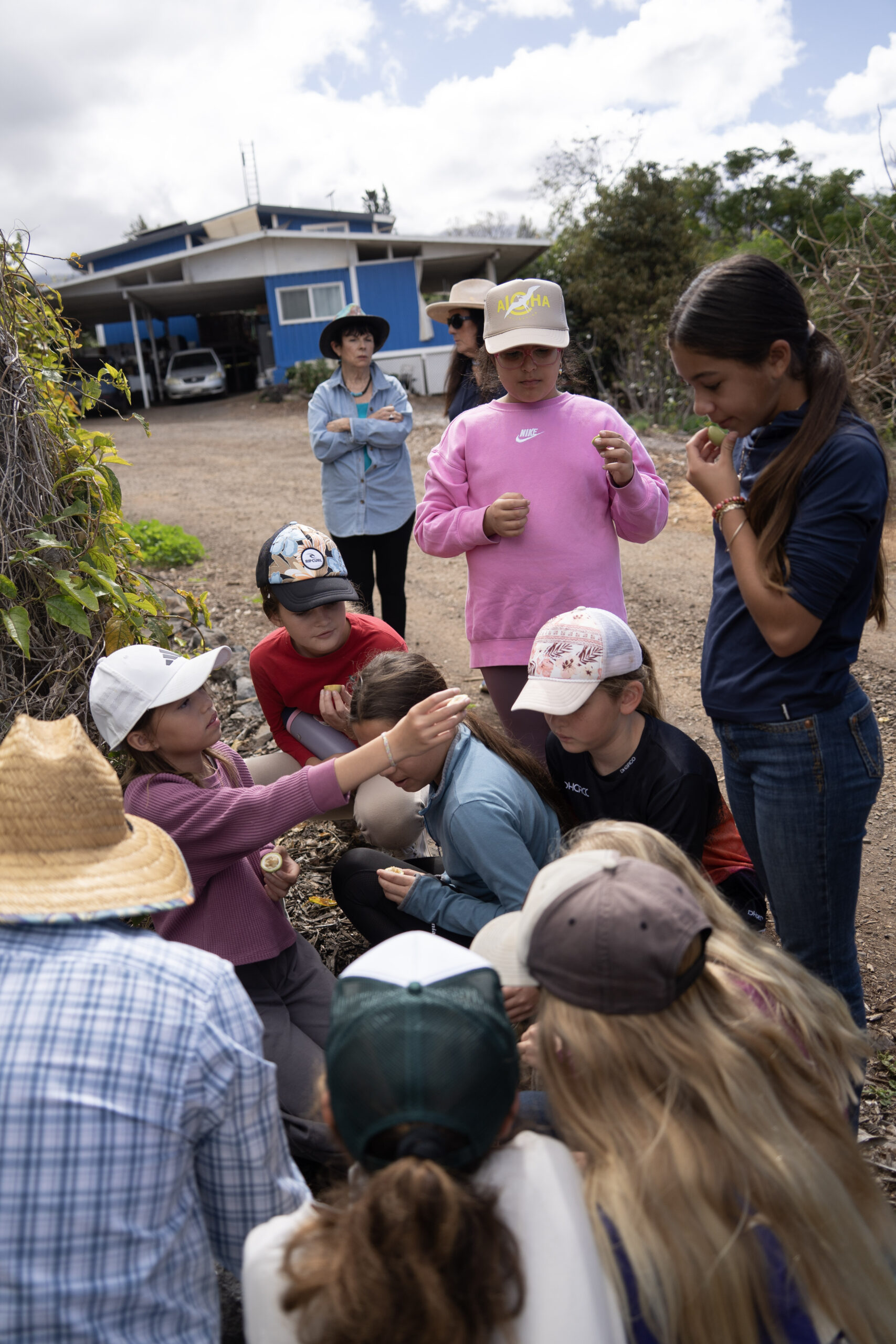
KULA — On Carden Academy’s recent field trip to ‘Oko‘a Farms, Ryan Earehart handed fifth-graders pomegranates picked fresh from trees, sour lilikoi sliced on a rock with his pocketknife, and blackberries pulled from sharp shrubs.
As the class walked past rows of crops, Earehart pointed out purple snap peas, watermelon radish and leafy carrot tops.
HJI Weekly Newsletter
Get more stories like these delivered straight to your inbox. Sign up for the Hawai‘i Journalism Initiative's weekly newsletter:
The immense diversity of the 46-acre farm on the hills of Kula is what gives the operation its name. ‘Oko‘a means “different” or “separate” in ‘Ōlelo Hawai‘i (Hawaiian language).
But it’s also why Earehart has never been able to get official organic certification despite following organic practices for nearly 20 years. The cost, time and amount of paperwork it takes to meticulously document the origin and care of each crop is “just kind of daunting” for a busy farmer.
“I don’t have enough time to actually pull the weeds and learn to write a report on what kind of weeds I pulled,” he said.
But now, thanks to a program that pairs farmers with mentors to help them transition to organic farming, he and his business partner Salvador Gil Coca are on the cusp of getting certified in April, which will help them expand their reach.
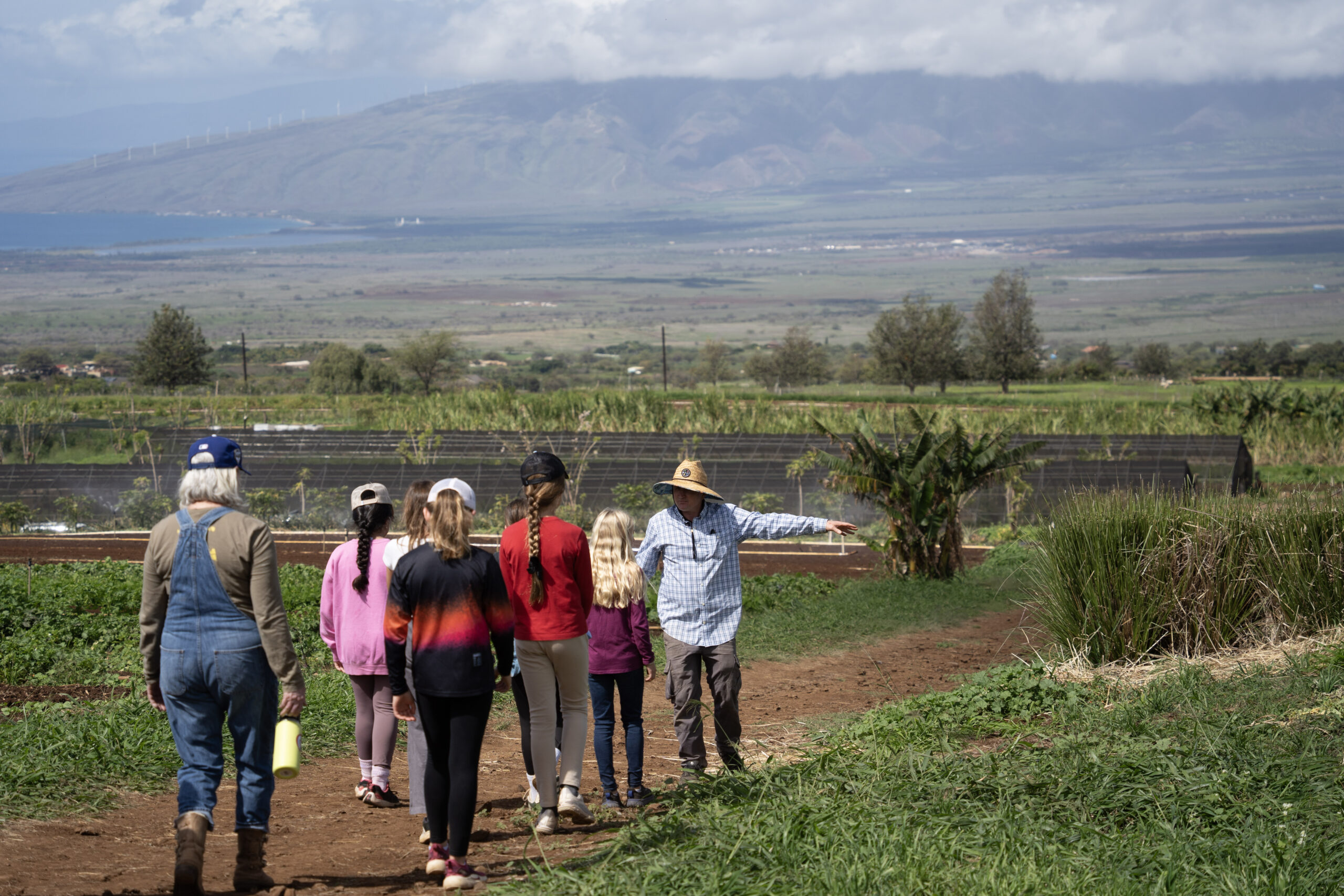
‘Oko‘a Farms is one of 43 operations, including six on Maui, that is enrolled in the U.S. Department of Agriculture’s Transition to Organic Partnership Program in Hawai‘i. The five-year initiative that started under the Biden presidency was set to run through 2027.
But after surviving the flurry of cuts to federal programs in the first year of the Trump administration, the program has been shortened and now needs to wrap up by September, said program coordinator Christian Zuckerman, who’s also the vice president of the Hawai‘i Farmers Union.
The original goal was to help about 75 farmers; now they’re hoping to reach the mid-50s. Zuckerman said the program was just starting to develop a “tangible buzz,” with people reaching out with questions and support.
“Unfortunately, now that we have this momentum, the program is sort of being cut short,” he told the Hawai‘i Journalism Initiative.
Demand for organic products in the United States has grown over the past decade, reaching a new high of $71.6 billion in 2024, according to the 2025 Organic Market Report. The 5.2% growth from the previous year is more than double the 2.5% growth seen in the overall marketplace.
But as demand grows, organic farms are in decline. Organic acres slid nearly 11% from 2019 to 2021, the latest year of the USDA’s nationwide organic survey, while the number of farms actively transitioning to organic production has dropped by nearly 71% since 2008.
In 2022, the USDA announced it would invest $300 million into a new initiative to help more farmers transition to organic practices, including up to $100 million for the Transition to Organic Partnership Program, or TOPP.
The Hawai‘i Farmers Union received a $750,000 grant and launched the program locally in 2023. The program offers mentorship, technical assistance, workforce training and community events. Participants who joined got a $500 stipend.
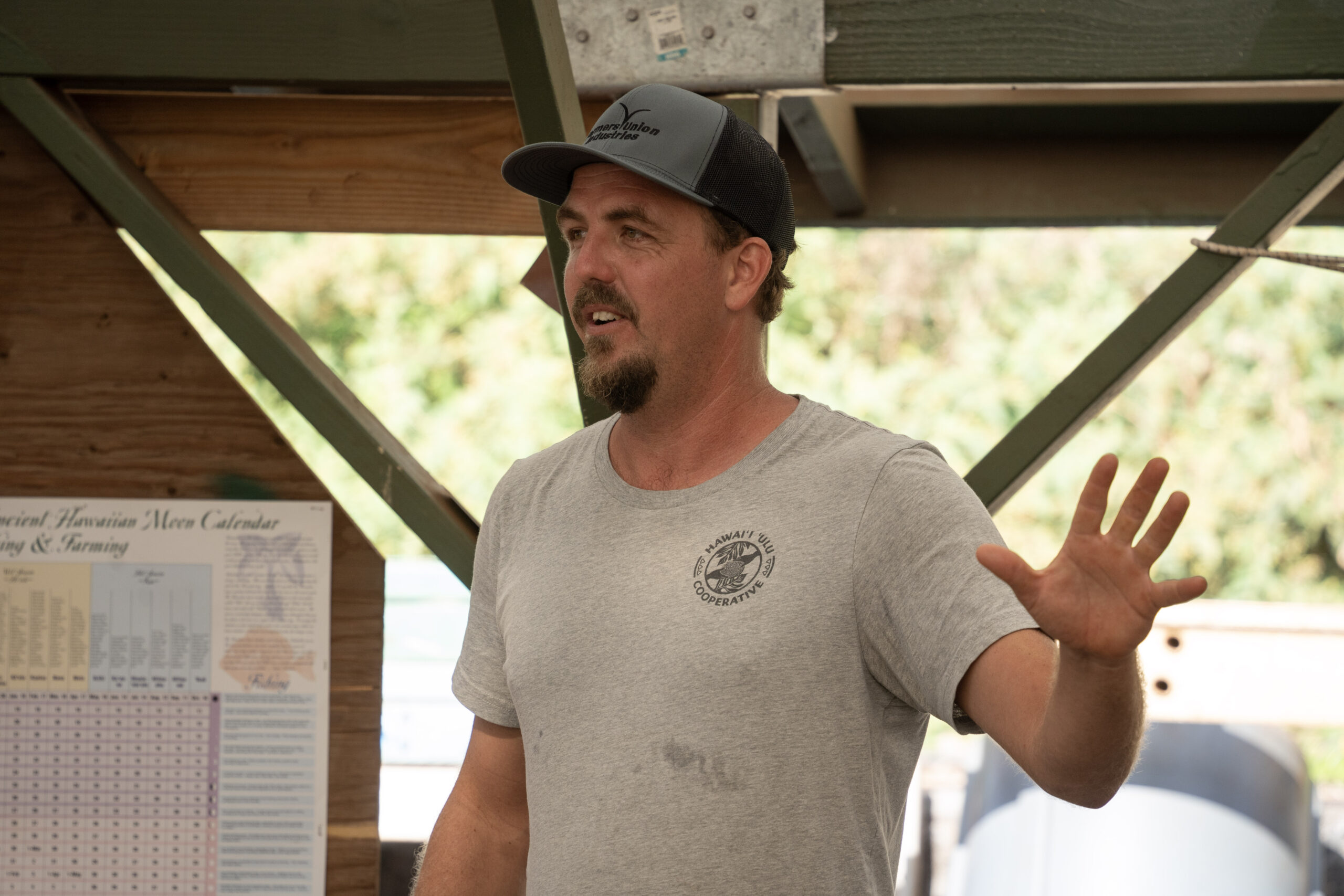
In Hawai‘i, there are 117 USDA-certified organic operations spanning 110,714 acres, according to the farmers union.
“I always say we’re small but mighty here when it comes to organic producers,” said Maile Woodhall, a Hawai‘i Island-based mentor with the program and organic technical support assistant with the farmers union.
But over the last decade, the state has lost about 50% of its certified organic operations, due in part to the rise of “buy local” campaigns, Zuckerman said. The higher price point that farms could ask for when selling organic was “always one of the things that incentivized farms to become certified.”
But Hawai‘i has done a “very good job” of marketing local products, allowing them to fetch a higher premium on the market. With customers already paying more for local products, it’s hard to ask them to pay even more for locally grown organic products.
Obtaining organic certification also can be difficult for farmers, especially smaller operations or those growing multiple crops, Zuckerman said. Large farms that grow one crop only have to focus on the requirements and origins of that crop. A small farm growing 20 different things has to keep more extensive records of where they got the seeds for each of their crops and make sure they’re meeting the standards for each.
“It’s all about traceability,” he said. “It’s very similar for food safety, because that’s how you verify that you’re not trying to fraud the system. “It’s super complicated.”
That’s where the program comes in for farmers like Earehart, who grows nearly 100 crops and has 800 chickens for egg production.
Earehart is passionate about what he puts in the soil. During the field trip with Carden Academy students, he pulled up a handful of rich earth to show the intricate network of fungi hiding from the sun’s reach below ground.
“My job as a farmer is to make sure that we can have trillions and trillions of microbes,” he said. “They’re the ones that are the hardest workers on the farm that are breaking down all this organic matter and turning it into the minerals that the plants can enjoy.”
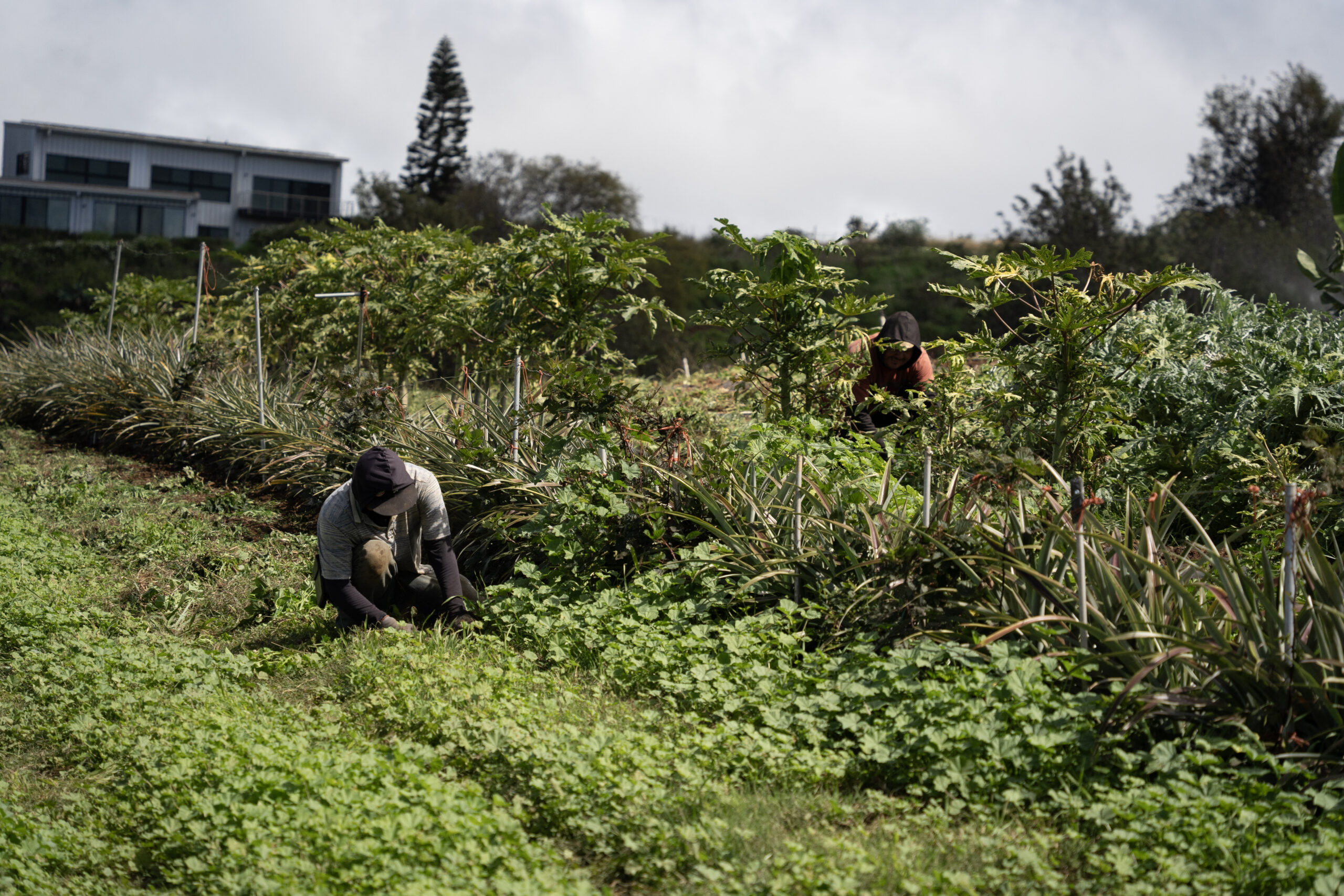
Earehart first started farming in 2007 when he was the produce manager at Mana Foods in Pā‘ia. He saw how much organic food had to be imported from California and learned what kind of fertilizers other farms were using. He decided he wanted “to be more in control of what’s in my family’s food supply.”
He leased land in Kula and started experimenting with crops, putting down 6,000 pounds per acre of calcium — a common mineral in organic farming — to get the pH levels correct in the red powdery soil.
Slowly the operation expanded from simple homesteading to a full-time operation in 2014. Coca, a former New York pastry chef who hails from El Salvador, came on board as a 50-50 partner with Earehart. They went from hustling to four farmers markets a week to opening a daily retail storefront in the Kulamalu Town Center, with another planned for Wailea Village around the end of March. At the store and across the three farm properties, they employ 26 people.
‘Oko‘a Farms has long followed organic practices since the beginning, but until they joined the mentorship program, certification had been out of reach. The program helped the farm switch to the nationally registered products needed for certification and bring on software to help streamline their record-keeping.
Being certified organic will give them “more leverage” in the market and allow them to sell to wholesalers like Costco and Whole Foods, which have stringent requirements.
“We’re well on our way to opening up a much bigger market,” Earehart said.
It will be a welcome boost for a farm that has lost more than $10 million in crops to hungry, invasive deer over the past 10 years, and another seven figures in damage to invasive insects that weren’t even in Hawai‘i when Earehart first started farming. They also had to borrow money and get a USDA loan to purchase the land they were leasing because the owner put it up for sale during the COVID-19 pandemic.
“There’s a joke amongst farmers about how to make $1 million farming,” Earehart said. “And the answer is you start with $2 million.”
Despite the challenges of finances and the work weeks of 80 to 100 hours at times, organic farming is worth it to Earehart because he’s feeding his family.
“I don’t want to be using unsustainable chemicals and fertilizers that are going to have negative health consequences, not only for my customers, but for myself and my family as well,” he said. “We want to be able to be the change we want to see in the world.”
Earehart is one of 18 farmers Woodhall has been mentoring under the program. She’s taken on more than expected because of the program’s accelerated timeline. Farmers in the program aren’t required to get certified, but Woodhall said if she takes someone on, her goal is “to get them across the finish line.” She helps them navigate the organic certification process by developing an organic system plan and going through inspection. A lot of her expertise is in “pushing paperwork” that busy farmer struggle with.
Woodhall was born and raised on her parents’ 5-acre certified organic farm, Sun Bear Produce, in South Kona. Her parents “were really pioneers in the organic movement,” operating with organic methods before the federal certification process was created in 2002. They farmed specialty microgreens from 1985 until they sold the farm 15 years ago.
The premium pricing of organic products helped her parents “break into that niche market” as the Hawai‘i regional cuisine movement picked up in the 1990s. They were featured in cookbooks and TV shows with renowned local chefs like Roy Yamaguchi and Sam Choi.
Woodhall estimated a 5-acre farm like her family’s with one crop or a handful of different ones could cost around $1,800 annually for certification. But she’s seen some small backyard farmers paying anywhere from $3,000 to $5,000 annually for certification.
The Farm Service Agency can help cover some costs, but only up to $750 annually. And, with the freezes in federal funding, the government still hasn’t released the money from last year, which has “really impacted the industry tremendously.”
With the program ending this year, Zuckerman said farmers have been asking whether the support to maintain their certification will continue. Zuckerman said the organization is looking for potential grants or “a private donor that really supports organic” to keep the program going. With Hawai‘i part of the southwest region of the program, it’s possible the states could apply as a group for funding.
“The hope is to at least get people on the right track with some technical and mentorship assistance, and that will help them go from there,” Zuckerman said.
Applications are still open, and interested farmers can email organictransitions@hfuu.org.
In the meantime, they’ll keep providing farmers with technical assistance to the very end and holding community events like the farm tour they put on last month at the 12-acre Ku‘ia Agricultural Education Center funded by Kamehameha Schools on the hills above the Lahaina Bypass.
For Kaipo Kekona, the farm’s manager and president of the Hawai‘i Farmers Union, organic farming practices simply mean getting back to what the early Native Hawaiians did to care for the land and feed their communities. At the farm, they don’t use anything synthetic. Their fertilizers and insecticides are made in-house, and they diversify the plants to match the needs of the soil.
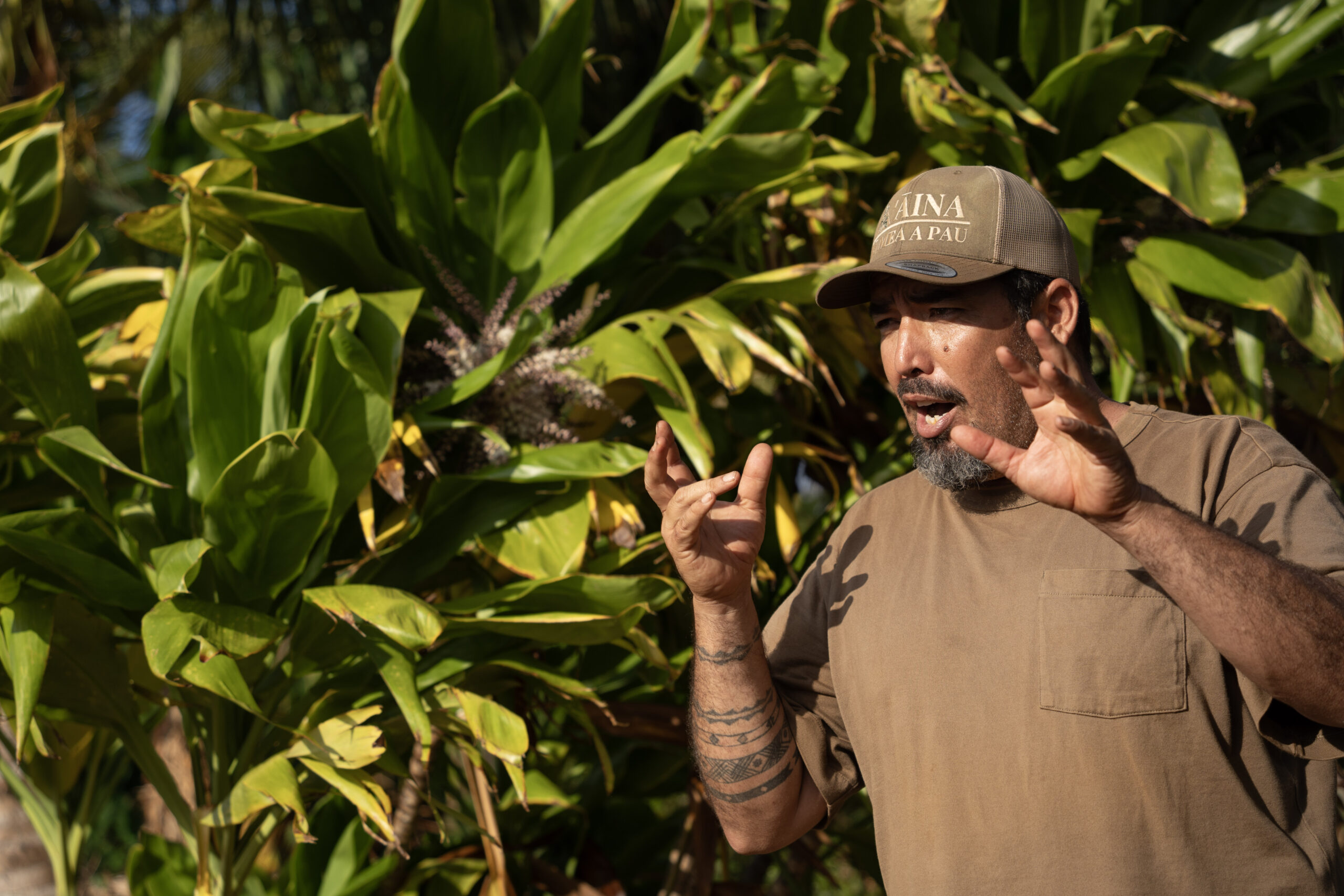
Honohono grass acts as a cover crop and fertilizer by creating a good concentration of nitrogen in the soil. Milo trees serve as reliable sources of mulch because they drop large quantities of thin leaves that degrade quickly and provide nutrients for the soil. Kekona likes to focus on the types of trees and plants that were historically found in the most high-production growing regions in the Hawaiian Kingdom.
After the 2023 Lahaina fire, he’s also interested in cultivating plants that don’t burn so easily, like ‘olena, the Hawaiian variety of turmeric.
To Kekona, the concept of putting the right things in the ground is “not rocket science.”
“If you want to have good food,” he said, “you’ve got to get some good soil.”