 Hawai'i Journalism Initiative
Community skeptical of golf course owner’s proposal to buy West Maui water system
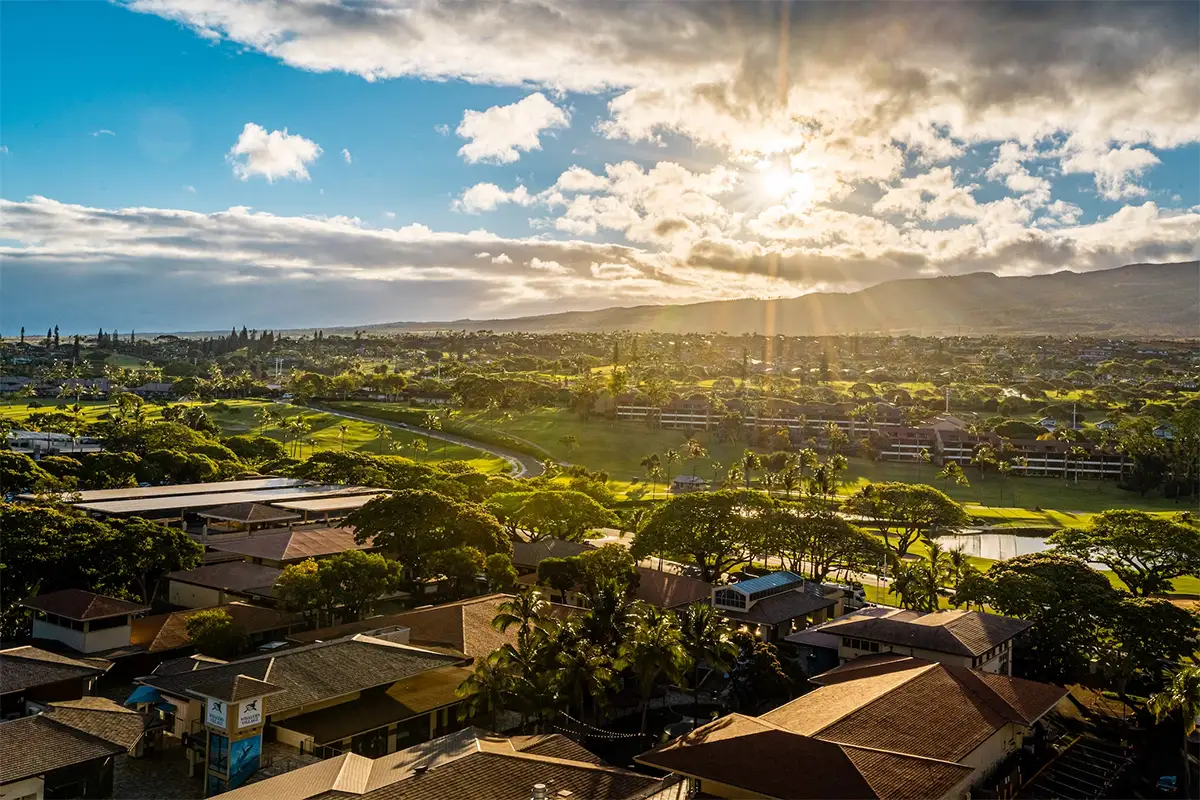
The owner of two Kapalua golf courses has a plan to solve water issues in West Maui that would involve investing more than $30 million into acquiring and repairing Maui Land & Pineapple Co.’s water system before turning it over to a state agency.
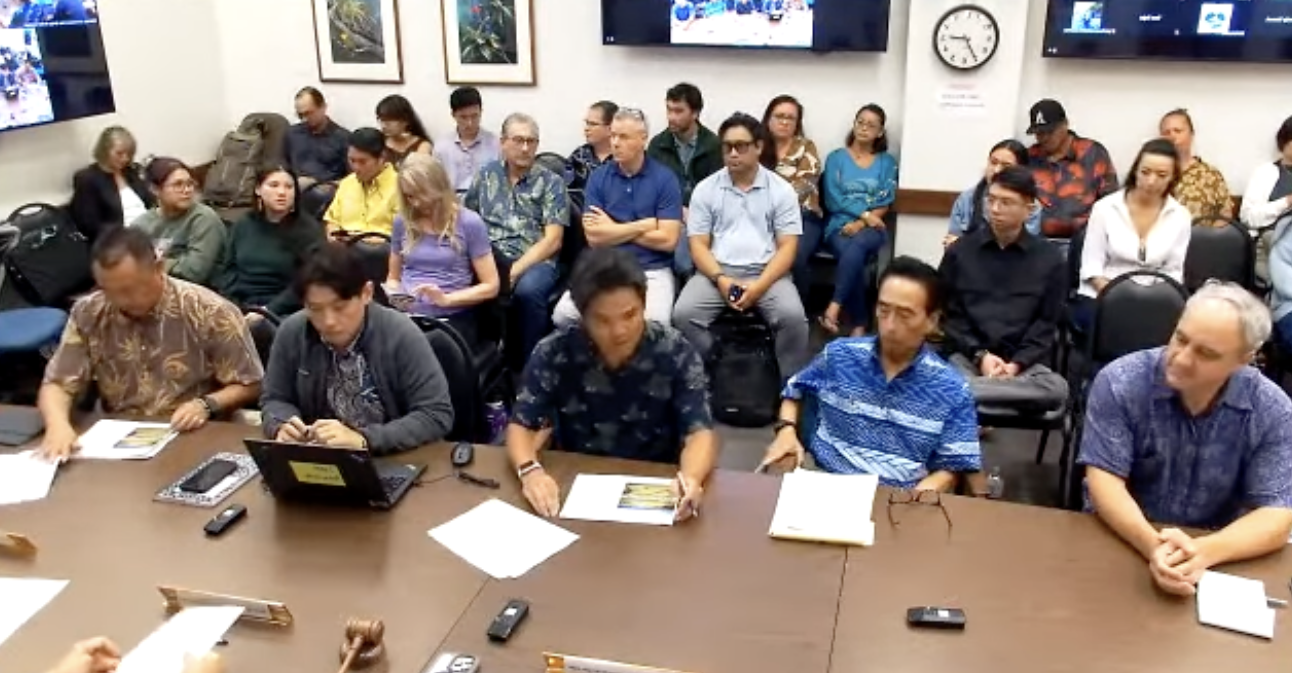
TY Management Corp., the owner of the Kapalua Bay and Plantation golf courses, rolled out its plans before the Commission on Water Resources Management Tuesday.
HJI Weekly Newsletter
Get more stories like these delivered straight to your inbox. Sign up for the Hawai‘i Journalism Initiative's weekly newsletter:
But the company’s proposal could be at odds with Maui County, which is already in talks with Maui Land & Pineapple to purchase the system. And, it was news to Maui Land & Pineapple, who said Tuesday it was the first time it had heard about the plans.
For Honokōhau Valley kalo farmer Karyn Kanekoa, the plan was just another way to “throw money at the problem” so the golf course can get water while residents wait for their own permits.
“They’re sucking up all the oxygen and just distracting the commission from doing what we the community have been asking for years,” Kanekoa said.
Strained water supplies in West Maui and a two-year wait for water permit approvals have continued to ratchet up tensions. Community members have watched their kalo crops rot. The Kapalua greens and fairways have turned brown. Both Maui Land & Pineapple and the golf courses have blamed each other.
In August, TY Management filed a lawsuit claiming that Maui Land & Pineapple had failed to properly maintain its system and provide irrigation water to the golf courses. Maui Land & Pineapple sold its subsidiary, Kapalua Water Company, to Hawai‘i Water Service in 2021, but it remains the owner and responsible party under the water commission’s orders on streamflow levels.
Maui Land & Pineapple has countered that TY Management failed to follow water restrictions and has used millions of gallons of water that were meant for fire suppression to irrigate its golf courses.
Since then, TY Management said it has spent months working on a plan that aims to ensure there is enough water to go around. Kenji Yui, the company’s general manager, said the proposal calls for public-private partnerships with state and county agencies on four main solutions: repairing the ditch, increasing water storage, exchanging recycled water and groundwater, and expediting permits.
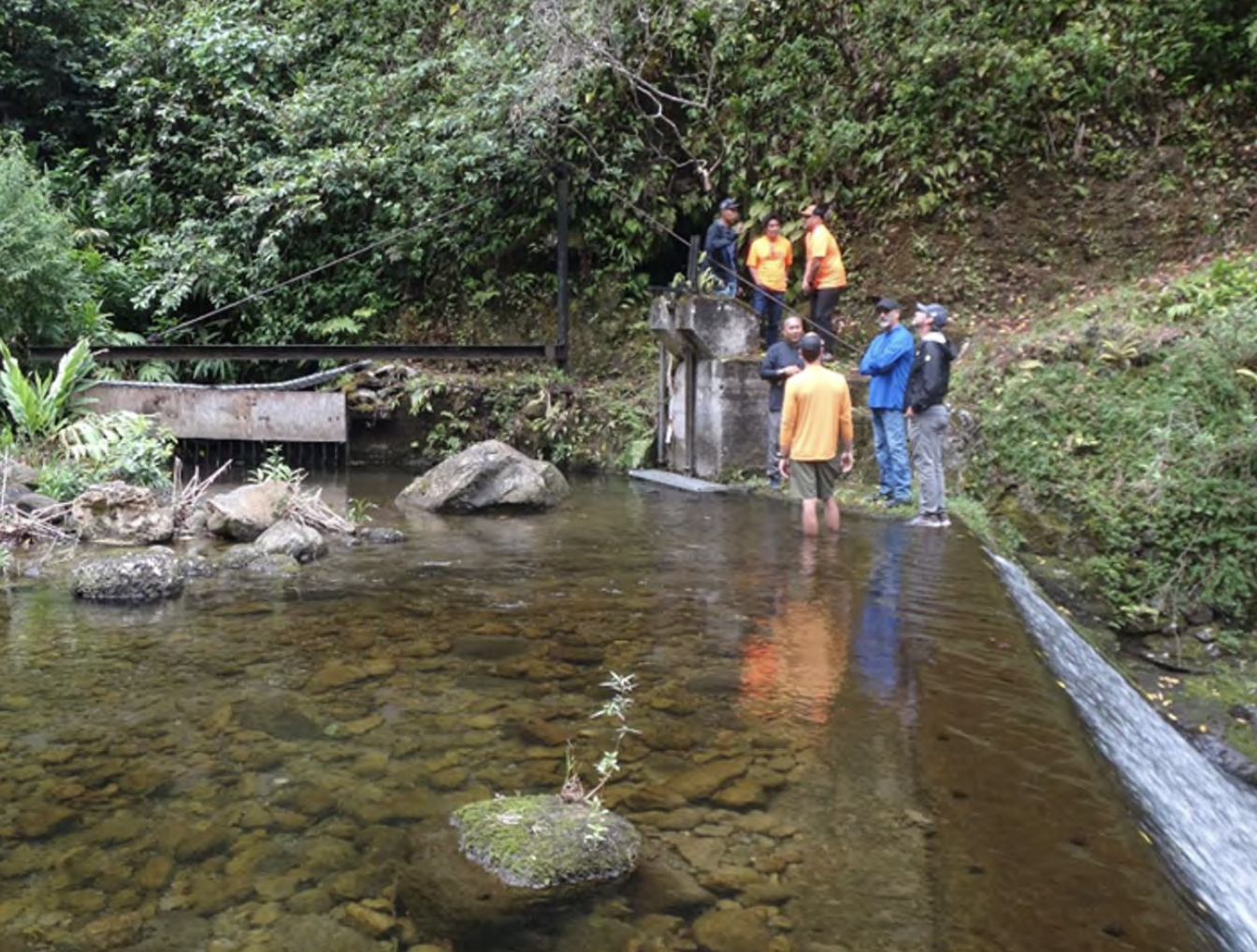
TY’s most ambitious goal is to acquire Maui Land & Pineapple’s water assets, make repairs and donate the system to the state’s Agribusiness Development Corporation for public ownership and operation. The agency, which was created to help transition former plantation lands into other agricultural enterprises, already owns and operates irrigation systems on O‘ahu and Kaua‘i.
“We believe ADC is positioned to manage the water system, grow agriculture, and supply water to the community,” Yui said. “We are ready to provide funding support.”
TY also wants to partner with Maui County to increase water storage and put excess recycled water to use. The company is offering to build a transmission line and two groundwater wells as part of an exchange in which the county would supply R1-level recycled water to TY while TY would supply groundwater to the county. Yui estimated that this would provide 2 million gallons of groundwater a day for the community and reduce excess R1 water by the same amount.
“Low streamflow does not have to become a water crisis as was seen in last year,” Yui said. “Our proposed solution will ensure that in the future there is water for the community.”
To carry out the plans, TY would make a donation to the nonprofit Peace Winds America, which would create a new LLC to enter into public-private partnership agreements with the Agribusiness Development Corporation and Maui County.
“If you can do this, I think it would be a monumental shift in water management,” water commissioner Wayne Katayama said.
But Maui Land & Pineapple Co. attorney Cal Chipchase said TY Management had “no discussions with us about this at all” before bringing its plans to the commission. Both he and Maui County Deputy Water Supply Director Kimo Landgraf pointed out that the county is already in talks with Maui Land & Pineapple about acquiring the system.
Chipchase also defended Maui Land & Pineapple’s water system as “very efficient.”
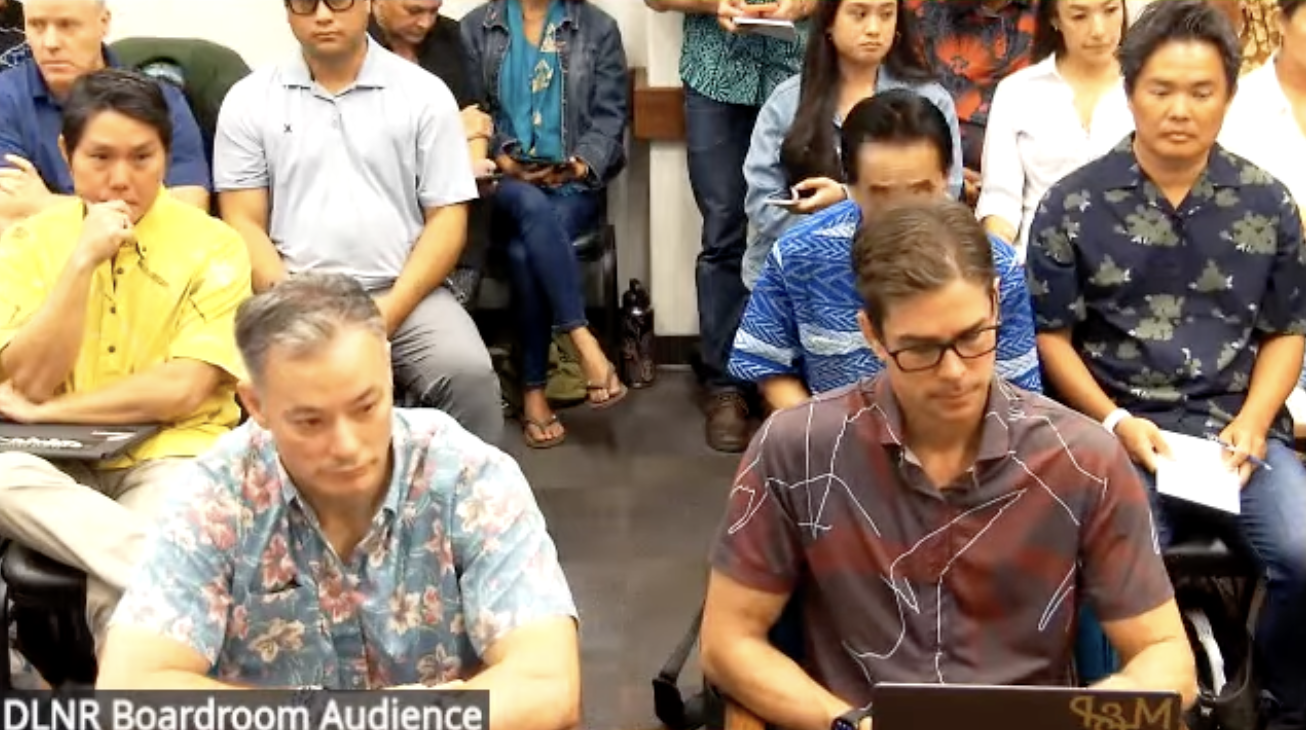
Landgraf also raised concerns about TY’s plans for two more groundwater wells putting further strain on West Maui’s water resources. He said the existing wells and other wells that the county is proposing in the Honolua aquifer “may bring us really close to a sustainable yield,” which is the maximum amount of water that can be taken without depleting the resource.
TY’s hopes of using excess recycled water could also clash with county plans. Landgraf said the county is working on designs for a 100-million-gallon reservoir to catch high flows from the Honokōhau ditch, but the recycled water “is slated to go south” towards Kā‘anapali and Lahaina, where there will be more of a need as homes and businesses rebuild after the 2023 wildfire.
Landgraf said there will be excess recycled water, but TY’s plan may take time.
Residents were skeptical of a proposal that they saw as a ploy to benefit the golf course.
Alfred Medeiros, vice president of Pu‘uhonua o Wailupe, described it as a “great pitch, but I know a car salesman when I see one.” Medeiros said they can’t just keep taking water and expecting to get more.
“There’s not that much left in Hawai‘i. We’re at a water shortage and everything is getting diverted,” he said. “What I heard was just a pretty scheme of more diversion, and it’s kind of heartbreaking because you guys can do better.”
Many residents bristled at the thought of the golf courses getting more water while they were still waiting for their own permits to be approved and called out the commission for not holding a meeting on Maui where more people could testify.
After Lahaina was designated as a surface and groundwater management area in 2022, all existing and new water users had to apply for permits. Since the application deadline on Aug. 7, 2023, the day before the Lahaina wildfire, the water commission has yet to approve any of the 140 applications. TY has offered to help solve the backlog by getting a third-party review system to process permits.
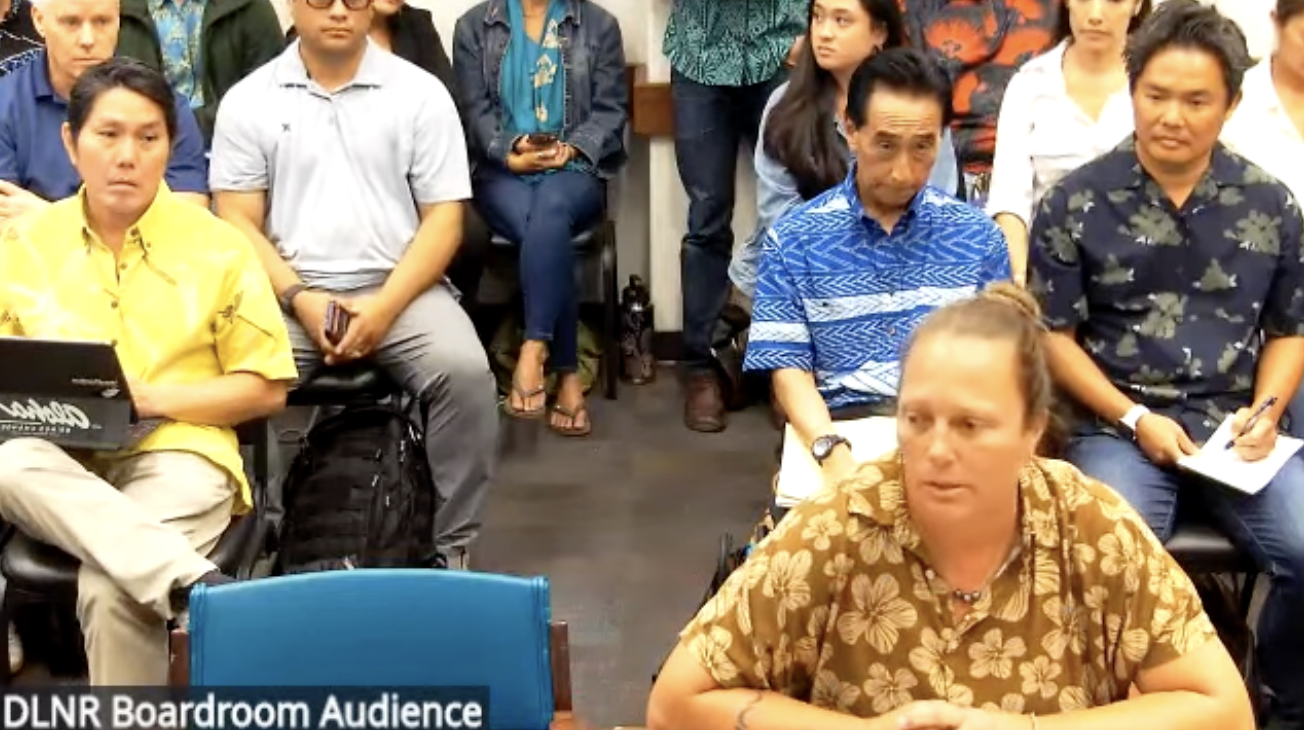
The issue drew several young testifiers including kula kaiapuni (Hawaiian immersion school) students speaking remotely from Lahaina and a teenager who grew up in Honokōhau and came to O‘ahu to testify. Moon Ka‘uhane wondered why “you guys are thinking about letting Kapalua golf course ask for more water when kanakas like us are waiting on more water so we could farm kalo to feed our family and community.”
“I’m almost 14 years old. I’ve been living in Honokōhau all my life,” he said. “How much longer should I have to wait? Kalo farmers and kanakas like us should be at the top of the list, not golf courses.”
Mahesh Cleveland of Earthjustice, which represented plaintiffs in the lawsuit against Maui County’s use of injection wells, supported using more recycled water, calling it “a priority of ours for going on two decades.” But he questioned TY’s timeline for pulling off the plan.
“I really appreciate TY’s optimism about what they can pull off according to their plan, but I think it’s a lot of sort of aspirational talk without a lot of reality to back it up,” Cleveland said.
Earthjustice has called on the water commission chair to rescind a letter from Chair Dawn Chang acknowledging that groundwater could be used as a temporary substitute for surface water in irrigating the golf courses. The commission said they couldn’t make a decision on the letter because the item hadn’t been properly put on the agenda, angering residents who said they’d come from Maui to testify against more water for the golf courses and to advance water permits for residents.
For months, they’ve spoken up at commission meetings about the need to start approving permits.
Lauren Palakiko of Kaua‘ula Valley said “we’re moving into water bankruptcy, especially in Lahaina,” and it felt like the commission was “waiting for the last drop of water to talk about action.”
“We want action and this is what we all woke up at 3 a.m. for, to come here and talk to you folks face to face for action,” Palakiko said. “It’s being made apparent that you’re prioritizing corporate interests over kuleana rights.”