 Hawai'i Journalism Initiative
Displaced by storm damage, over 100 Kula Hospital patients separated between Maui, O‘ahu facilities
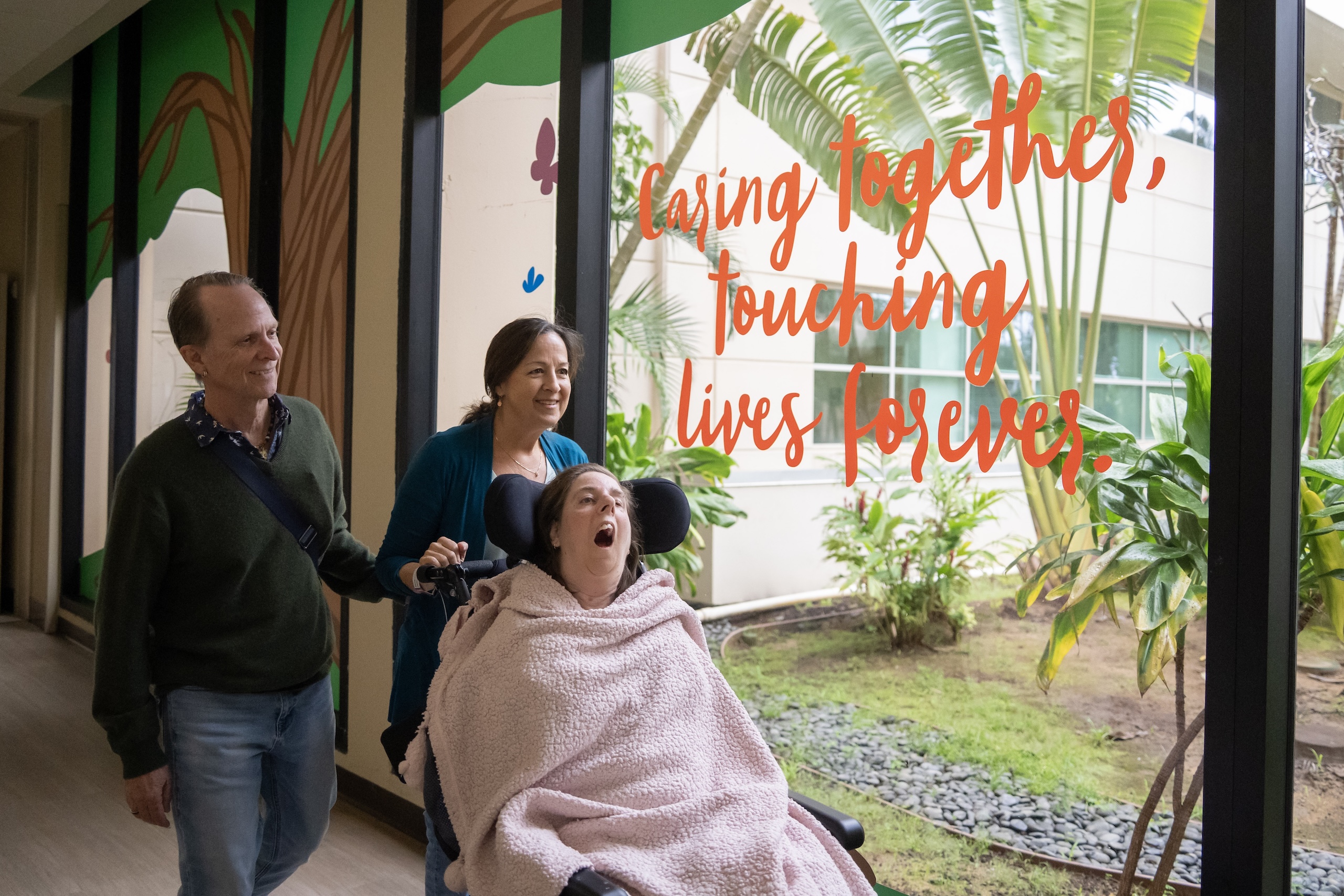
KULA — In December 2023, 36-year-old Dana Morel moved into Kula Hospital’s Hale Makamae, the only intermediate care facility for developmentally disabled residents in Hawai‘i.
She was born with congenital toxoplasmosis that left her with brain damage, blindness and cerebral palsy. At Hale Makamae, Morel soon found a second family there. She loved the warmhearted staff who cracked jokes and playfully teased her. The nine residents shared meals, played bingo and went together on trips to the rodeo.
“She just felt safe. She felt valued,” said her mom, Janet Morel.
HJI Weekly Newsletter
Get more stories like these delivered straight to your inbox. Sign up for the Hawai‘i Journalism Initiative's weekly newsletter:
But after 4 feet of rain from a Kona low storm battered the century-old hospital on the slopes of Haleakalā earlier this month, she and 111 other people receiving care were evacuated.
The only other hospital on the island aside from Maui Memorial Medical Center in Wailuku, Kula Hospital is a critical access facility with a 105-bed long-term skilled nursing care facility and the nine-bed Hale Makamae as well as urgent and limited emergency care, short-stay acute care, short-term rehab, imaging and lab services, and an onsite family medicine clinic.
For many long-term patients, the hospital has been home for decades. But now they’re displaced, scattered between facilities on Maui and O‘ahu. Of the nine Hale Makamae residents, eight have been sent to O‘ahu, according to Janet Morel, a hospital volunteer who is close to the other families and staff.
“It is a traumatic experience for everyone involved,” she told the Hawai‘i Journalism Initiative. “Hale Makamae means ‘house of the dear ones.’ So these dear, dear people are experiencing this upheaval in their lives that they can’t understand.”
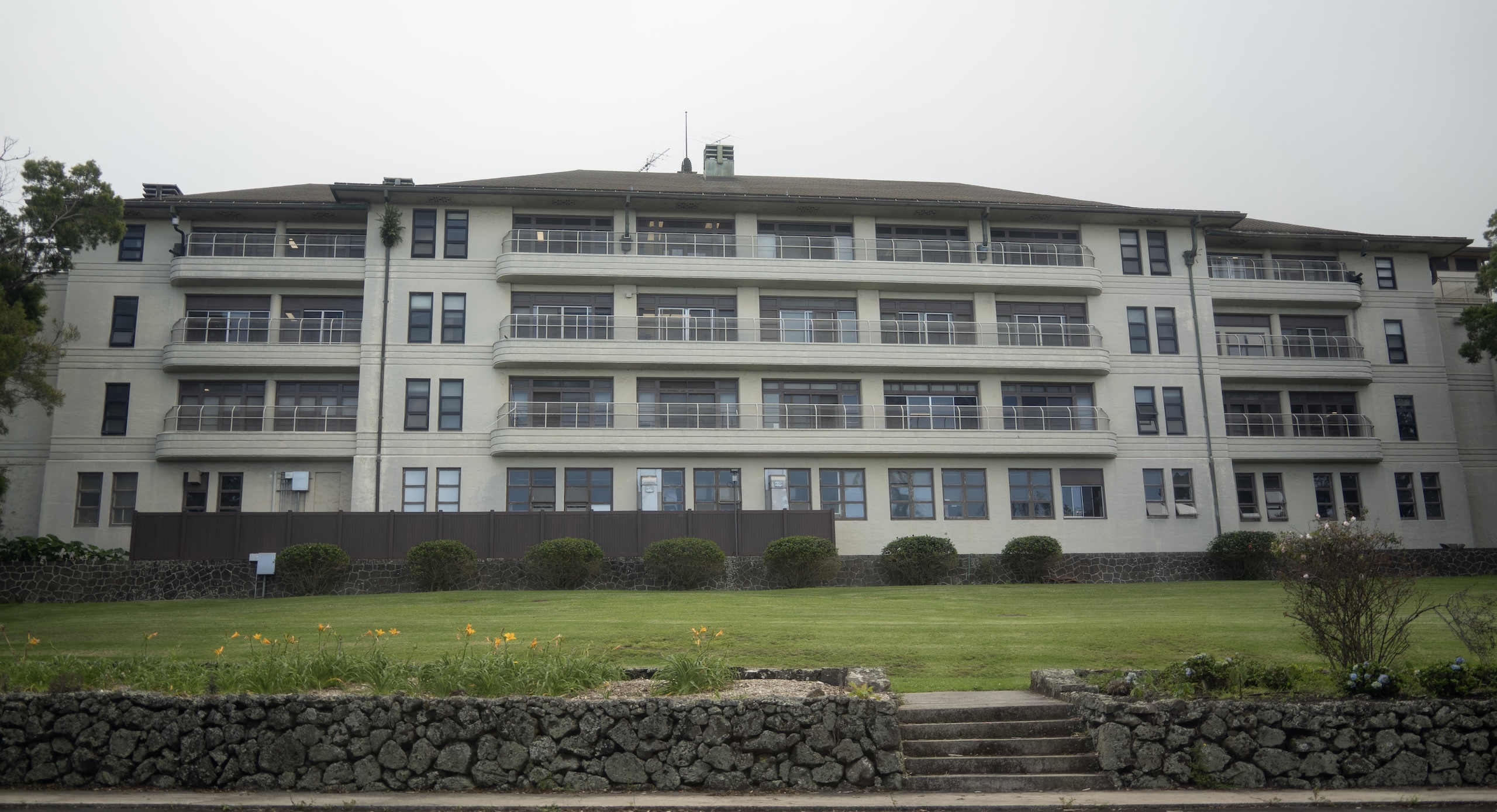
Since the back-to-back Kona low storms this month, Kula Hospital’s Emergency Department has been temporarily closed, and its patients and residents have been relocated to other facilities, with the last ones moved out Wednesday, Maui Health CEO Lynn Fulton. The Kula Clinic remains open.
There is no timeline to reopen the hospital where repairs could take years, according to Lynn Fulton.
“This is a natural disaster that many people never have to go through, honestly,” Fulton said. “And our number one priority through all this has been the safety of our staff, our residents and our patients. And some things are difficult, like moving folks off island.”
Maui Health, a Kaiser affiliate, took over operations of Kula Hospital, Maui Memorial and Lāna‘i Community Hospital from the state in 2017.
On an island with nearly 450 total rehab and long-term care beds, the loss of Kula Hospital is a big blow, said Wes Lo, CEO of Hale Makua Health Services, which has taken some of Kula’s patients and helped relocate others.
“This is a big deal,” Lo said. “I don’t think people realize how big a deal this is that Kula is down, and how stressful this is.”
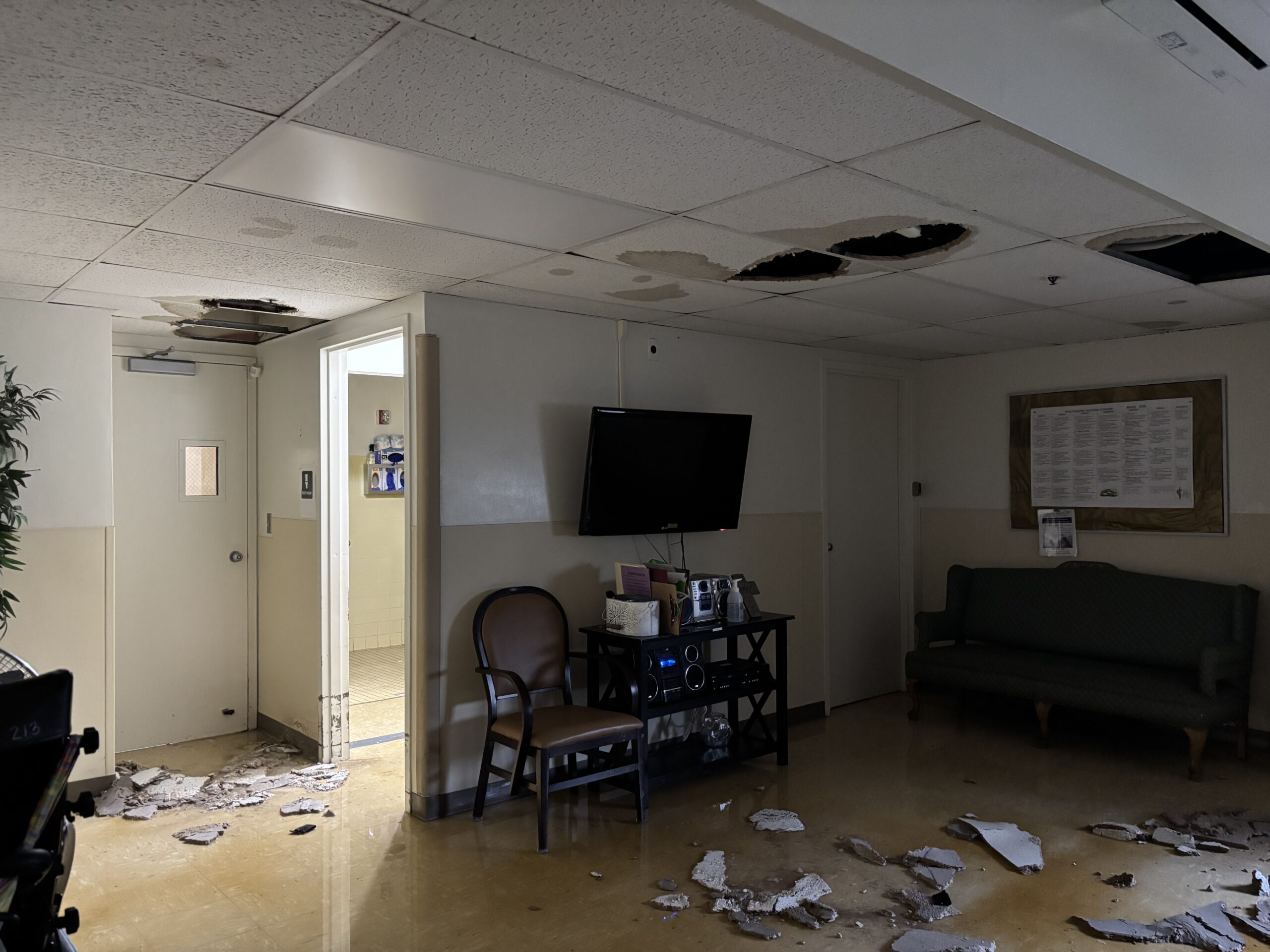
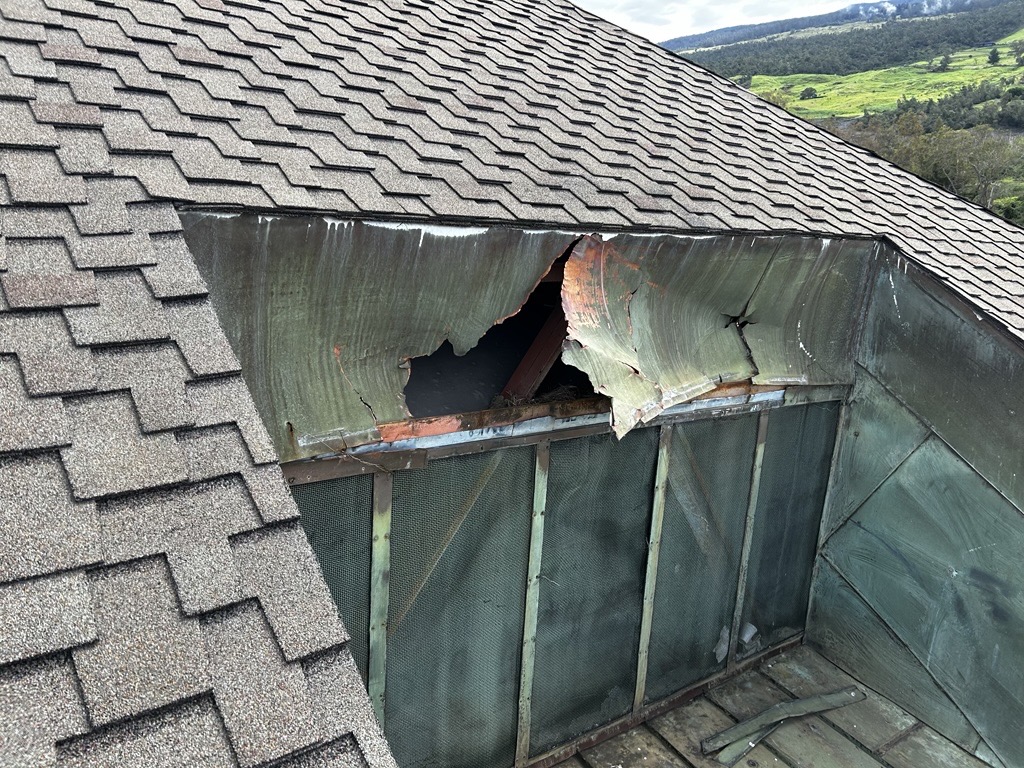
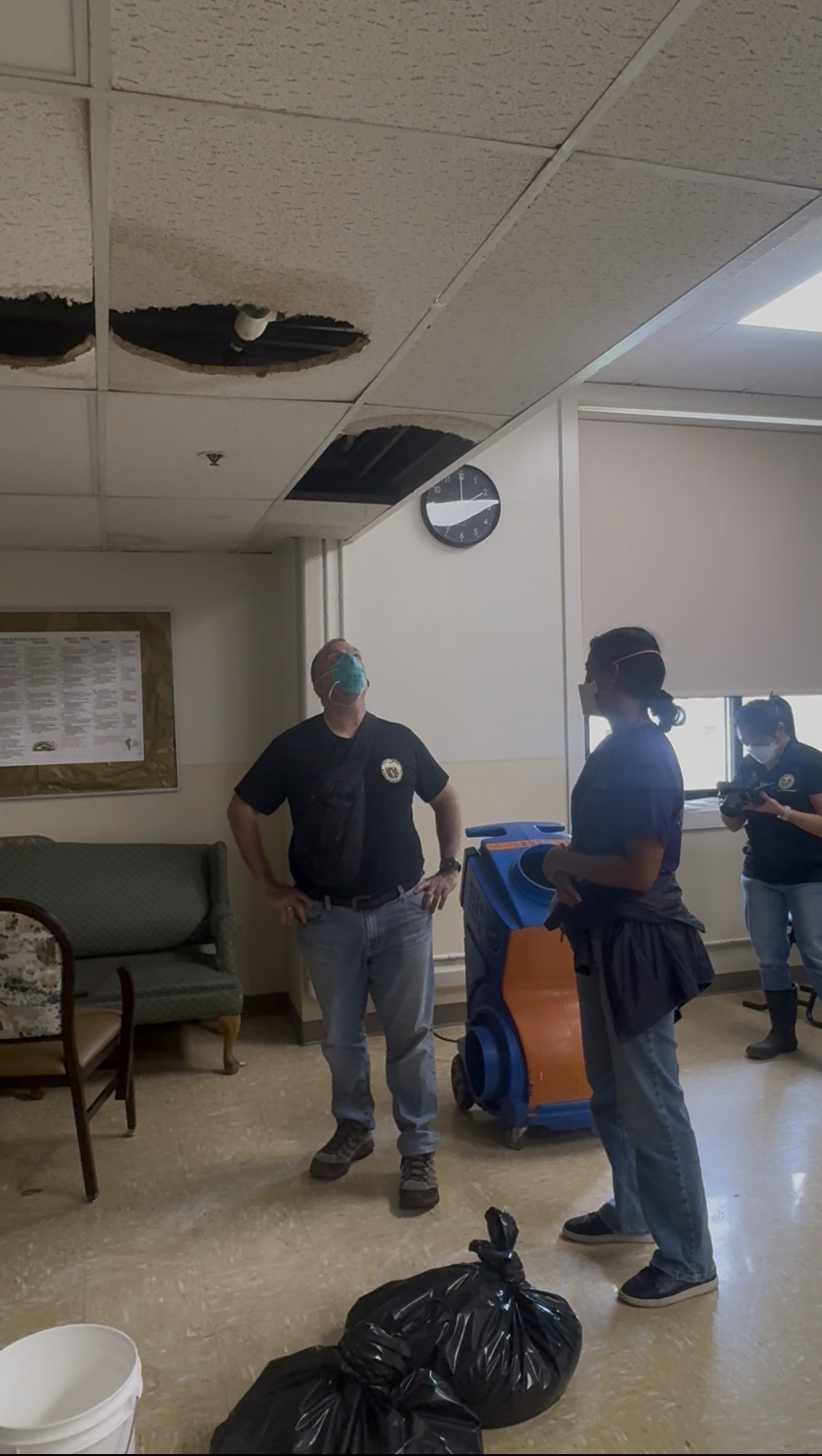
Maui Health decided to move people out after the first storm on the weekend of March 13 dumped sheets of water on the hospital’s fifth-floor outdoor balcony that serves as the activity space for residents, Fulton said. The rain flowed down the side of the building and seeped in “anywhere it could, including the fourth floor, where 41 patients live and had to be moved to the hallway or other nearby spaces. Water also soaked into the Emergency Department, where ceiling tiles caved in.
The second Kona low storm the following weekend didn’t create additional damage. However, Fulton said they knew that the hospital would need to decrease its patient census.
They decided to evacuate after an analysis by engineers and infection preventionists from Kaiser Permanente found that the walls, including those of Hale Makamae, were still about 100% saturated with water several days after the storm.
Experts still need to determine the extent and cost of the damages. Fulton said it’s been barely two weeks since the storm and “we need a little bit of time” to figure out a timeline for return.
She said case managers spoke with every family to discuss the plan for their loved ones, and that “they will be the first to know when we’re able to start providing an idea of what the future looks like.”
On March 20, the eve of the second storm, Janet Morel got a phone call saying her daughter would have to leave Hale Makamae. Her husband Rob Morel was out running errands.
“I said, ‘come home now,’” Janet Morel recalled. “And we wept together. Just sobbed.”
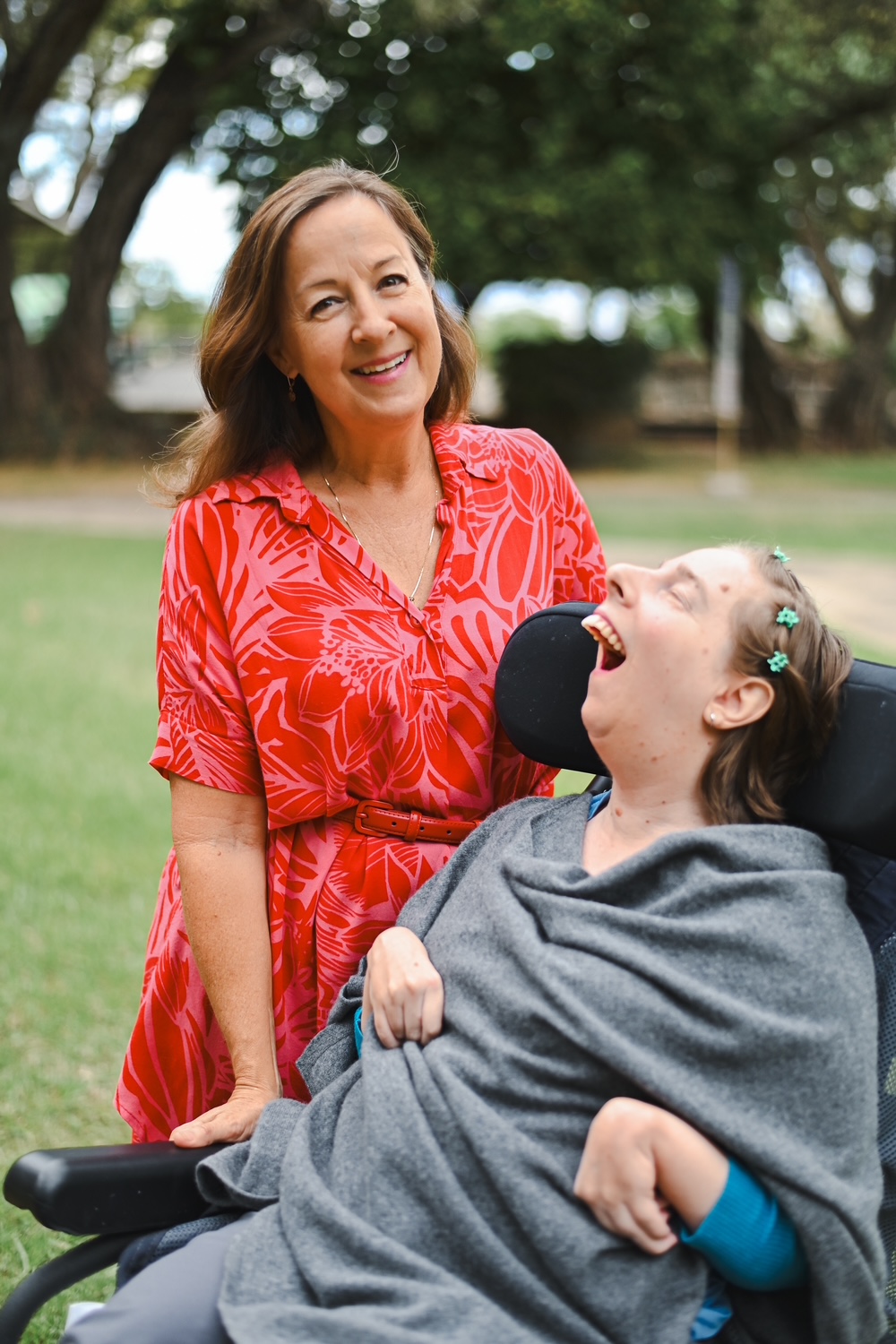
The Morels had been caring for Dana full time since birth. She is severely hypertonic, which means her muscles are very tense, Janet explained. She can’t sit, roll over, walk, talk, eat or go to the bathroom without help. But, “she understands what’s going on around her,” and especially enjoys a good joke.
The Morels alternated day and night shifts. Rob retired from his job as vice president of operations for a technology company in Arizona 10 years ago, and Janet couldn’t keep a full-time job because of the care Dana required. They realized it wasn’t sustainable.
“It consumed us,” Janet said.
Hale Makamae was a godsend. Before that, there hadn’t been any openings for seven years, Janet said. But the COVID-19 pandemic required the facility to keep an empty room and bed for isolation purposes, and when the requirement was lifted a couple of years later, a bed in a private room was available for Dana.
Not only could she get round-the-clock care, but Hale Makamae also offered lessons in sign language and fine motor skills. Just learning to sign a word or drink from a straw can change a person’s ability to be independent and advocate for themselves, Janet said.
Hale Makamae had just raised $37,000 to put in a new sensory room, an immersive space where residents could interact with different lighting, colors, sounds and activities, or destress when overstimulated. There also were future plans for a sensory garden with flowers and herbs.
“It’s not just a place to change diapers and give baths,” Janet said. “It’s a place to help these individuals become the best that they can possibly be, to reach their best selves and their best ability to advocate for themselves and control their environments.”
A ribbon-cutting ceremony had been planned for the sensory room on April 1. Now, that’s on hold, said Kristina Wilson, nurse manager at Hale Makamae.
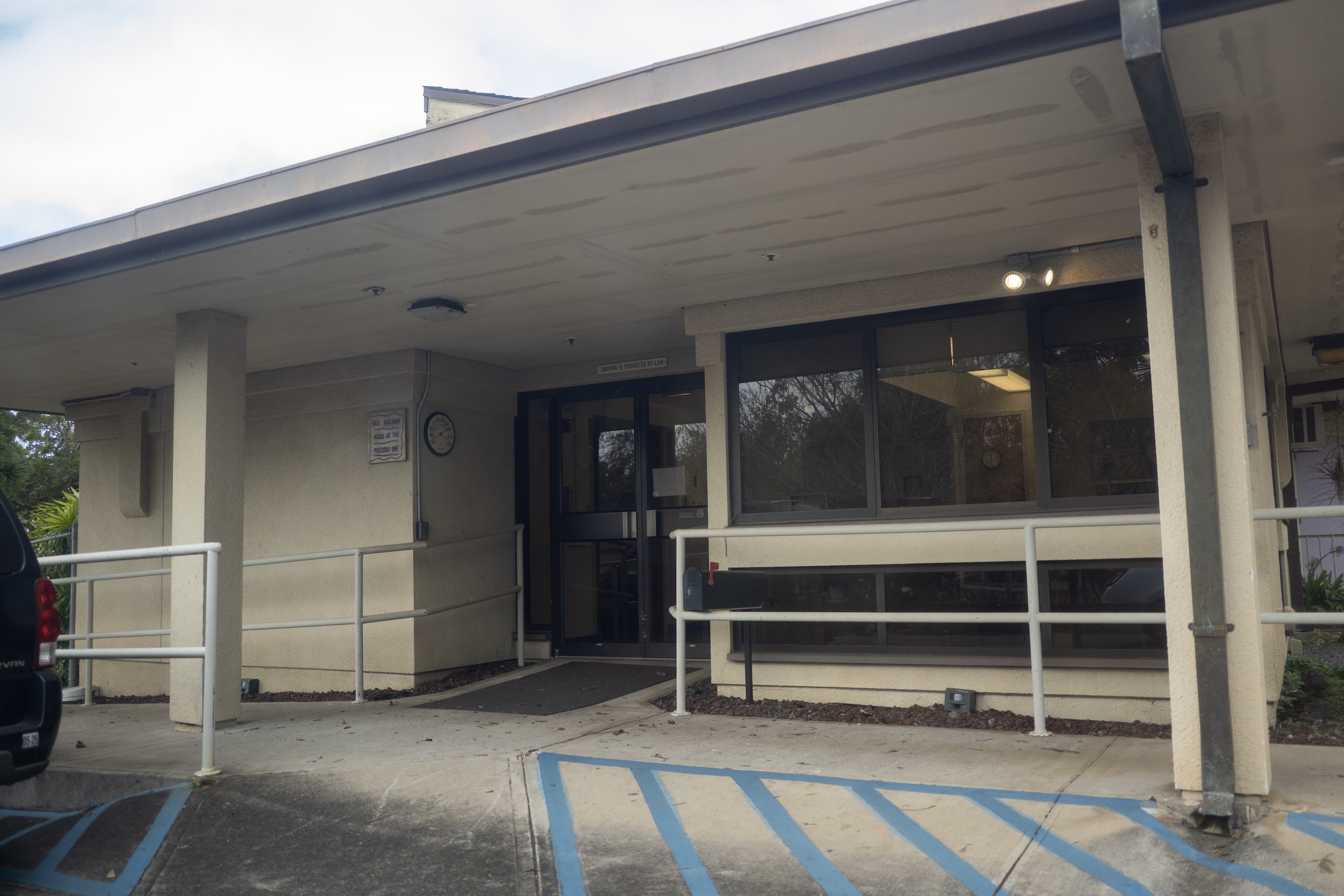
Wilson was out of the country when the storm hit. She said it was “devastating” to come back to the residents she knew and loved like family being shuttled out of Kula.
“It hurts your heart just to look around and see this unit that had so much love and happiness,” Wilson said. “And then to just stand there and look around at the devastation and the damage, and it kind of was almost like a dystopian level, ‘cause it had to happen so fast.”
Before he was evacuated, one of the nonverbal residents sent Wilson one last email to tell her he missed her and wished she were there.
Wilson has been eager to respond. But she can’t reach him because the computer that he used to communicate couldn’t fit on the medical flight that whisked him away to O‘ahu.
His family tried to bring it to O‘ahu on Friday, but they couldn’t take it on the plane because the battery was too big, Wilson said. Now, they’re trying to figure out how to ship it.
“That’s what breaks my heart for these families, too,” Wilson said. “Not all of our clients have family that live on Maui, but for the ones that do, those families are so involved.”
That includes Janet Morel, who comes by every week and spends five or six hours interacting with the Hale Makamae residents. She said she knows the move has been difficult for all 112 patients and that Maui Health is doing its best, but she felt Hale Makamae residents would have done better if they were relocated together.
Wilson said the hardest part is explaining why they can’t come home.
“Our one client that has essentially the mentality of a 2- to 3-year-old, he kept saying right before he was leaving that, ‘Oh, I go holoholo, and then I come back? I come back?’” Wilson recalled. “And then for us to have to stand there and tell him no, and then him not understand, yeah, it’s hard.”
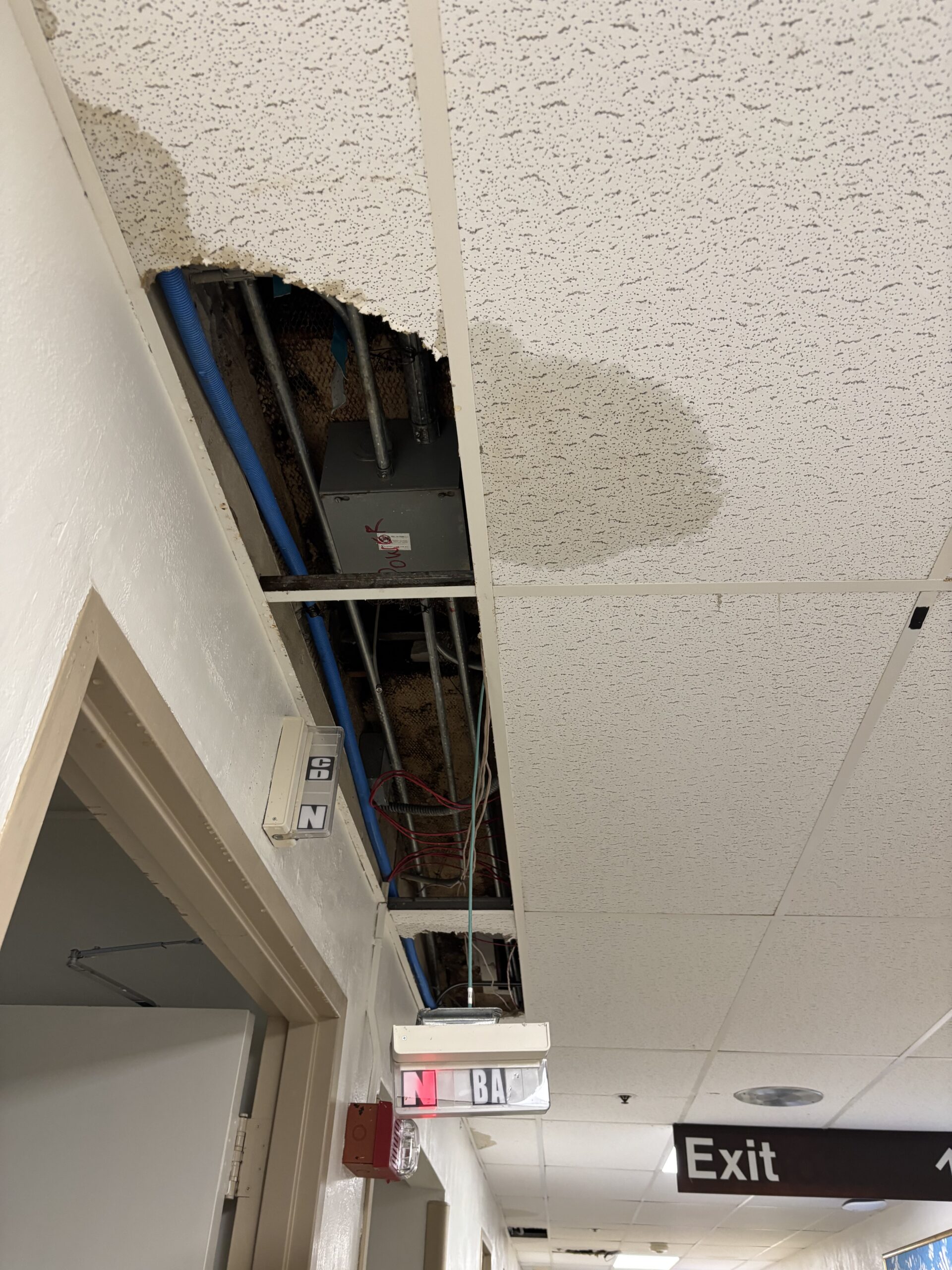
Fulton acknowledged the move “is traumatic” for both residents and staff and that relocating people to another island “was not something we wanted to do.”
But, she said, “we had to get them out of that building” before conditions grew more dangerous.
For residents at Hale Makamae, which requires a special license, there was no other place for them to go on Maui.
“We did not have another space that would meet that need,” Fulton said. “So honestly, we didn’t have a choice.”
Dana Morel, the last Hale Makamae resident on Maui, was supposed to be sent to O‘ahu Thursday but was held at Maui Memorial because she had medical equipment inside her body that needs to be maintained, “and this is the place where they know how to do that,” her mother said. Some of the nurses who worked with Dana at Hale Makamae have accompanied her to Maui Memorial. The family is weighing its options in the long term, including a potential move to California.
Of the 112 patients moved out of Kula, 50 were placed in a facility in the Kīhei Research and Technology Park that ‘Ohana Pacific Health, a sister company of Hale Makua, had been trying to sell, Lo said. The facility was empty and built for memory care, so ‘Ohana Pacific licensed it to Maui Health and patients started to move in.
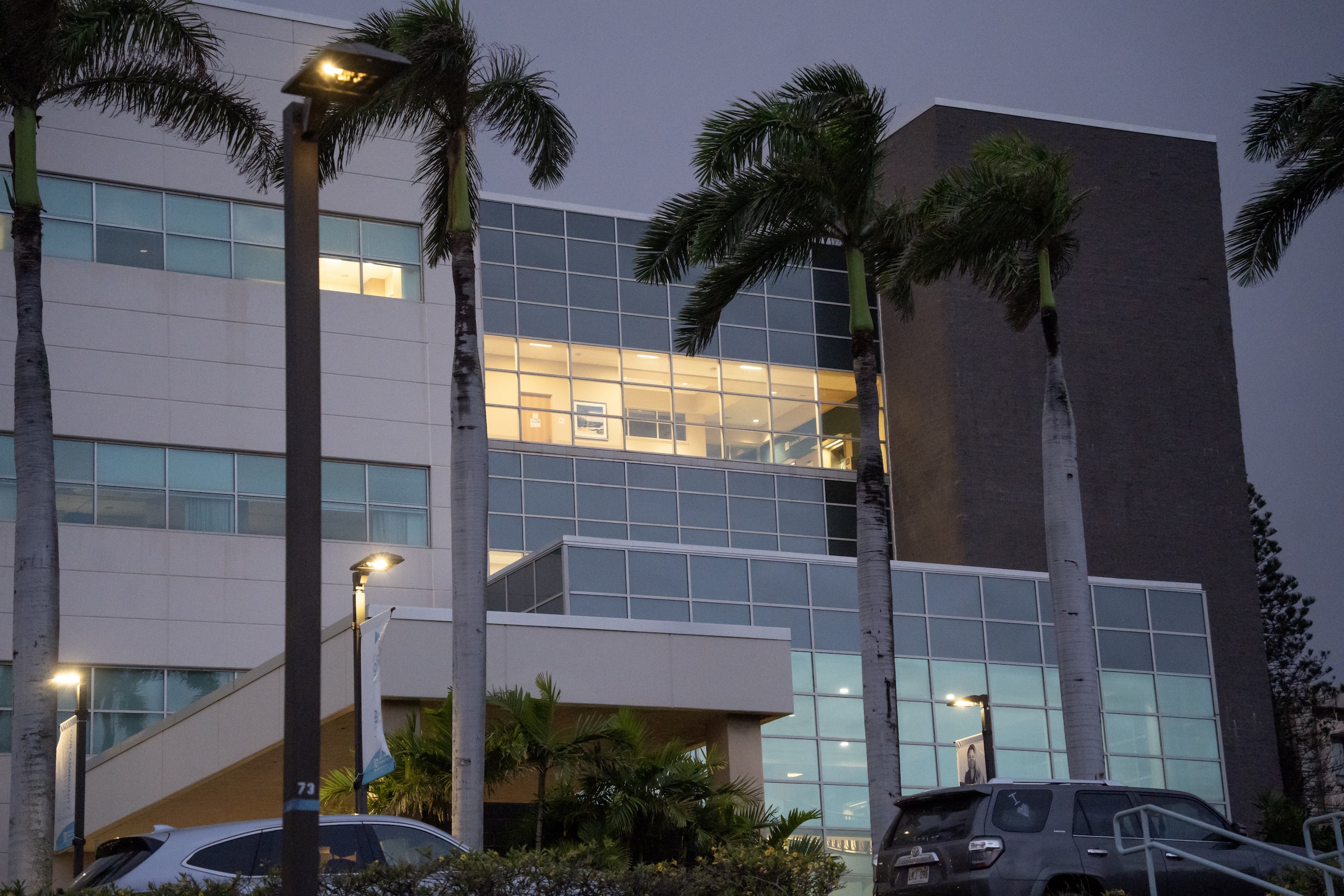
Hale Makua’s Kahului and Wailuku facilities had taken 13 other patients by Friday, and another eight were expected next week, Lo said. The goal is to stagger their arrival while Hale Makua works to open up a 16-bed wing that’s been closed for years.
Extra equipment has been delivered from Kula Hospital, and Hale Makua is hiring and training staff from travel agencies to help with the influx of patients.
“It’s been a mad, mad scramble,” Lo said. “It was one of the rougher weekends I’ve been through, just trying to make sure we can get them down (from Kula) as fast as possible.”
Lo said Hale Makua, which often receives three to five daily patient discharges from Maui Memorial, has to be careful not to overload its facilities. If it fills its beds with too many long-term care patients whose stays often last several years, there won’t be space for the short-term rehab patients who usually stay about 20 to 25 days.
“We watch this like a hawk,” Lo said. “It’s not unusual for us, but people don’t realize the dance we do.”
Without Kula, Maui is down to 334 rehab and long-term care beds, including 254 at Hale Makua in Kahului and 80 at Hale Makua in Wailuku. That’s a loss of about 25%, Lo said.
Lo wasn’t sure what would happen if Kula remained out of commission for years. He said once they sort out the temporary situation, they can come up with more long-term plans.
“We might not feel it right away, but it’s a big deal,” Lo said. “Right now, we’re just trying to stabilize the whole systems.”
At Maui Memorial, which is licensed for 214 acute-care beds, a wing has been cordoned off specifically for Kula patients, and the Kula staff have been sent to either Maui Memorial or other facilities where patients were transferred to, Fulton said. She said there are “very few long-term care residents that are in acute-care beds.”
The increase in patients “has stressed our capacity a little bit,” she acknowledged. However, the facility is still on green level, “which means that we’re within our limits for capacity and we have the ability to continue to accept patients and to be able to provide care.”
“It’s not ideal, but we’re making it work, and we’ll continue to make it work for the island,” she said.
On Thursday, Hawai‘i Gov. Josh Green and Maui County Mayor Richard Bissen toured the hospital. In a statement to the Hawai‘i Journalism Initiative on Friday, Green said the damage was “gut wrenching, but we will find a way to bring these critical services back to upcountry Maui.”
“I’ve asked our health and recovery teams to find a way to rapidly bring mobile health services, even possibly a mobile hospital unit to Kula, to extend emergency care indefinitely until the hospital can be either repaired or replaced, if that’s necessary,” Green said. “We continue to work with FEMA to determine the full scope of the damage.”
At a meeting with Upcountry residents to discuss the storm damage on Thursday night, Bissen pointed out that Kula Hospital was a private facility and that “we have not taken the front role” in the response because the state is involved.
Since the 2017 transfer, the state has subsidized Maui Health’s operations. Maui Health is slated to get $12 million in fiscal year 2026 and $6 million in fiscal year 2027 for operations, as well as $6 million in each fiscal year for repairs, renovations and upgrades, according to the latest version of the budget moving through the state Legislature.
“When you ask what can the county do, that’s the policy question that we really put to our taxpayers,” Bissen said. “Do you want us to fix a private entity’s facility for them or not? And I can’t tell you what the answer is because it depends on how critical that structure is, and right now we know Kula Hospital is very essential to up here.”
Maui County Council Member Yuki Lei Sugimura, who holds the Upcountry residency seat and is running against Bissen in this year’s mayoral election, said the loss of the hospital is a county issue, too, “so this is our responsibility to help each other.” She said the county could help with funding gaps for smaller projects and expedite permitting.
“We don’t only help people depending on if you’re state or county or federal,” she said.
Sugimura added that she will be hosting a meeting about the hospital at 5:30 p.m. Monday at the Hannibal Tavares Community Center in Pukalani.
“This is the worst nightmare for a small community,” she said.