Cost of Government Commission releases sweeping review of Maui County Boards and Commissions
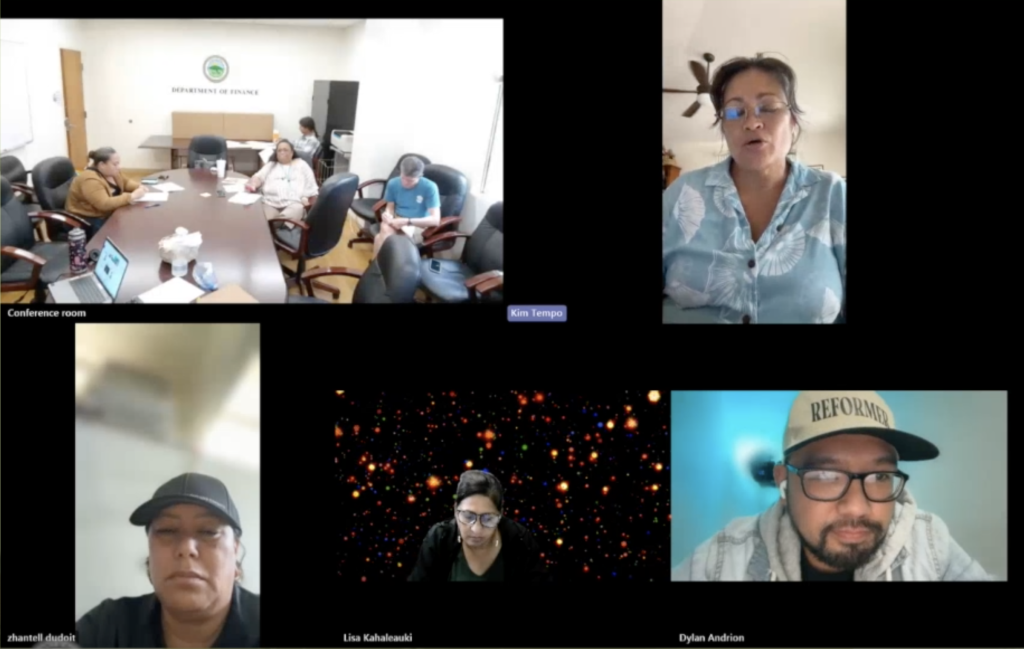
The County of Maui Cost of Government Commission (COGC) released its Report on Maui County Boards and Commissions, a comprehensive review of 15 county boards, committees, and commissions undertaken at the request of the Maui County Council. The report identifies seven cross-cutting issues affecting the County’s governance infrastructure and recommends a mix of eliminations, restructurings and reforms.
The study was conducted in response to County Council Resolution 24-168, which urged the COGC to evaluate cost savings and efficiency across the County’s more than 30 boards and commissions. The Commission applied seven evaluation criteria — legal requirement, purpose, alignment, alternatives, operations, cost, and risk — to each body reviewed.
“Maui County’s boards and commissions provide essential community input and independent oversight, but our review found that this infrastructure suffers from systemic challenges that diminish its effectiveness,” said Dino Goossens-Larsen, COGC Chair. “These are not problems that can be solved one board at a time. They call for structural reforms to the system as a whole.”
Key Systemic Findings
The COGC identified seven themes that transcend individual boards:
- Boards persist without periodic review. Once created, boards and commissions tend to remain on the books regardless of whether they continue to serve their original purpose. Multiple bodies recommended for elimination by the 2010–2011 COGC remain in place today under essentially the same conditions.
- Chronic quorum and recruitment failures are universal. Every body reviewed reported difficulty achieving quorum. The Council on Aging met with quorum only twice in all of 2024. The Commission on Healing Solutions for Homelessness has 7 of 11 seats vacant as of April 2026. The Conservation Planning Committee did not meet for approximately three years.
- The volunteer model is mismatched to demands placed on certain boards. The Real Property Tax Review Board adjudicates over 1,000 annual appeals in meetings lasting up to seven hours, twice a month — a workload its Chair characterizes as a part-time job.
- Council–Administration structural complexity diffuses accountability. The Maui Redevelopment Agency, for example, is formally attached to Management but relies entirely on the Planning Department for administrative support.
- Hawai’i’s Sunshine Law imposes largely fixed compliance costs regardless of meeting volume, disproportionately burdening low-frequency advisory bodies.
- Conflict-of-interest and oversight gaps create fraud risk, including a documented absence of background checks for board applicants through the Independent Nomination Board.
- The Independent Nomination Board itself is under-resourced for its system-critical role, operating with a single administrative staff member.
Recommendations Span Elimination, Reform, and Reinvestment
Among the 15 bodies reviewed, the COGC recommends eliminating the Affirmative Action Advisory Council, the Commission on Healing Solutions for Homelessness, and the Urban Design Review Board. It recommends retaining and reforming others, including the Cultural Resources Commission, the Real Property Tax Review Board, and the Independent Nomination Board. The Maui Redevelopment Agency, which has not met since August 2024, is the subject of a recommendation that the County formally decide between investing to make it functional or acknowledging its dormancy.
The Commission urges the County Council to establish a formal lifecycle and periodic-review framework for all boards and commissions, with sunset clauses and standardized criteria for evaluating whether each body should be retained, reformed, consolidated, or eliminated.
The Cost of Government Commission is a nine-member body established under the Maui County Charter to advise on matters that promote economy, efficiency, and improved service in County operations. The full report and accompanying individual recommendation reports for each of the 15 bodies reviewed are available on the COGC’s webpage.
Sponsored Content