Record J-1 visa teacher cohort helps close teacher vacancy gaps in Hawaiʻi, bridge cultures
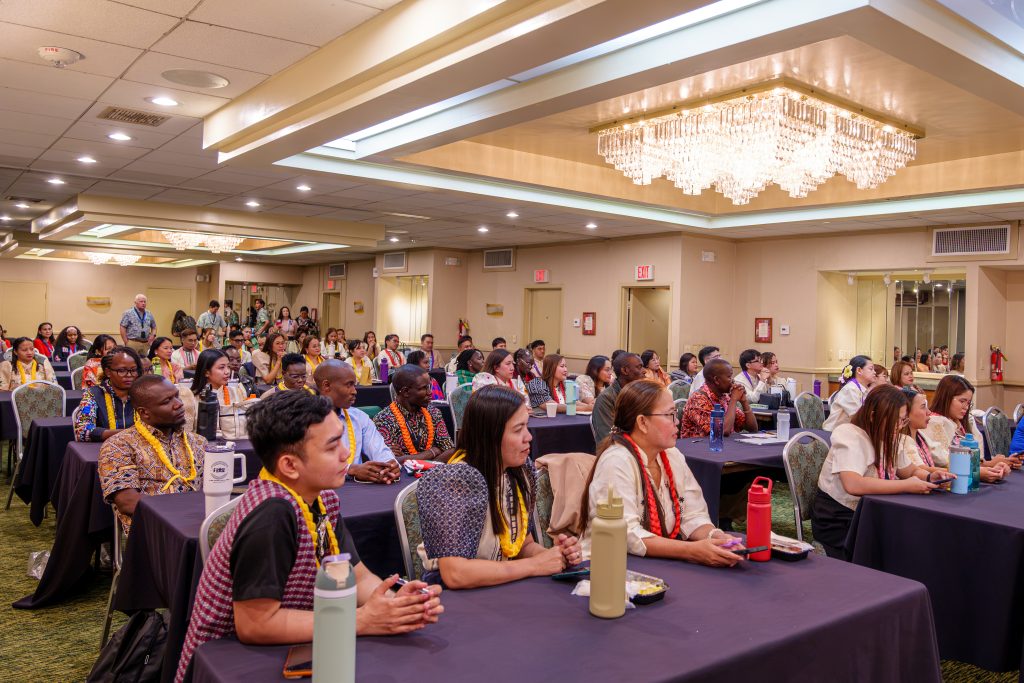
The latest cohort of the J-1 Visa Teacher Program represents the largest group for the Hawaiʻi State Department of Education. At the start of the new school year, 237 teachers will join the approximately 365 current J-1 visa teachers in classrooms across the state, teaching a variety of subjects in elementary and secondary schools.
Superintendent Keith Hayashi welcomed the new teachers at their orientation. “Here in Hawaiʻi, we’re committed to preparing students to be globally competitive and locally committed. The J-1 program brings that vision to life. Our students learn from educators with experiences from around the world while remaining grounded in the values, culture and communities that make Hawaiʻi special,” Hayashi said.
Since HIDOE began the J-1 visa teacher program in the 2020-21 school year, the initiative has helped stem Hawaiʻi’s teacher vacancies. In past years, the Department would work to recruit and fill more than 1,000 open teacher positions across the state. For the past two school years, there have been fewer than 100 openings at the start of the year.
Many states are also experiencing high teacher vacancies and have recruited educators from around the globe on the J-1 visa. On this visa, foreign teachers are allowed to work for three years, with an option to extend for an additional two years.
The J-1 teacher exchange program is not meant to replace locally grown teachers, but rather fill hard-to-find vacancies in STEM subjects and in rural schools. These experienced, dedicated and highly trained teachers ensure that classes can be sustained and programs can be expanded.
Many teachers in this Hawaiʻi cohort have exceeded the J-1 teacher visa standards set by the US Department of State. Teachers must receive their degree from an internationally recognized teacher program with a minimum two years of teaching experience. In this cohort, 98% of the teachers hold a master’s degree or higher, and the average teaching tenure is 10 years.
Over the past five years of the program, the retention rate of teachers staying in Hawaiʻi for the minimum three years is 90%. The success of the program speaks to HIDOE’s onboarding process and the similarities between Hawaiʻi and the teachers’ home cultures.
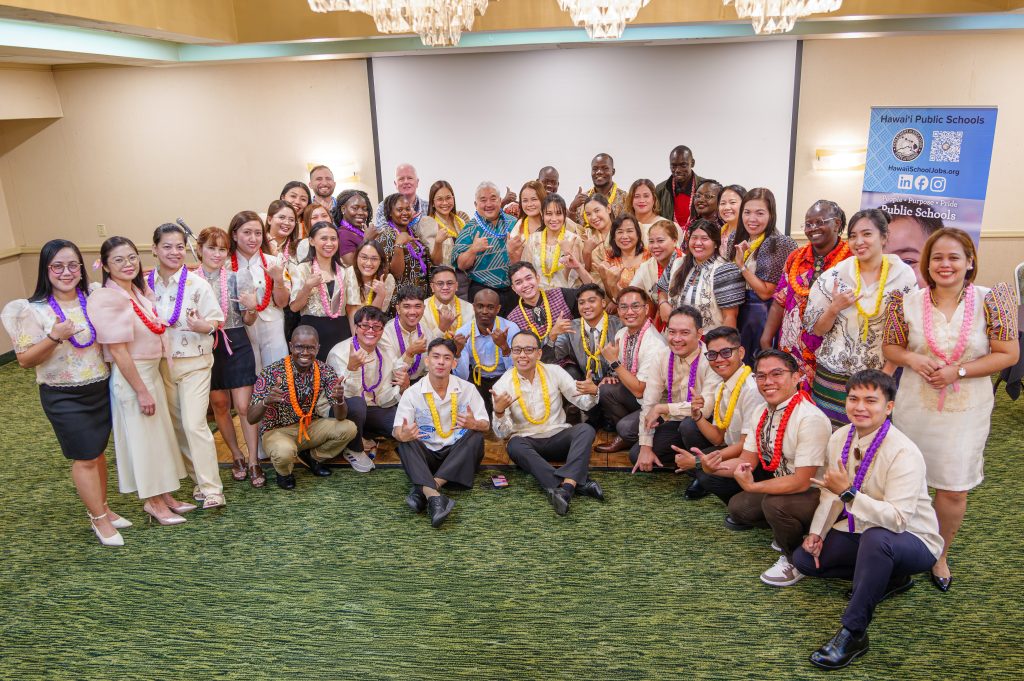
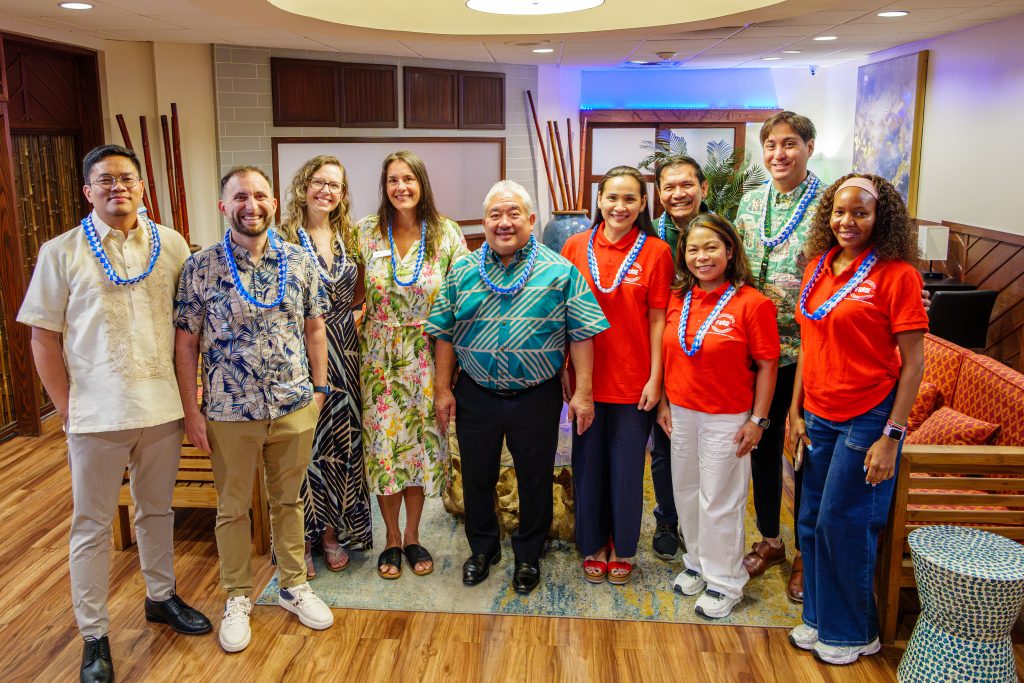
During the orientation, teachers wore colored lei representing the islands they will serve and attended sessions with HIDOE’s Office of Hawaiian Education. They were taught oli, the Hawaiian alphabet and diacritics, and local and Hawaiian customs and culture. Additionally, many cultures represented in the cohort reflect similar Hawaiʻi values such as strong connections to family, sense of place and ʻāina.
Sponsored Content