Endangered moth, damselfly rediscovered on Molokaʻi, Lānaʻi after decades
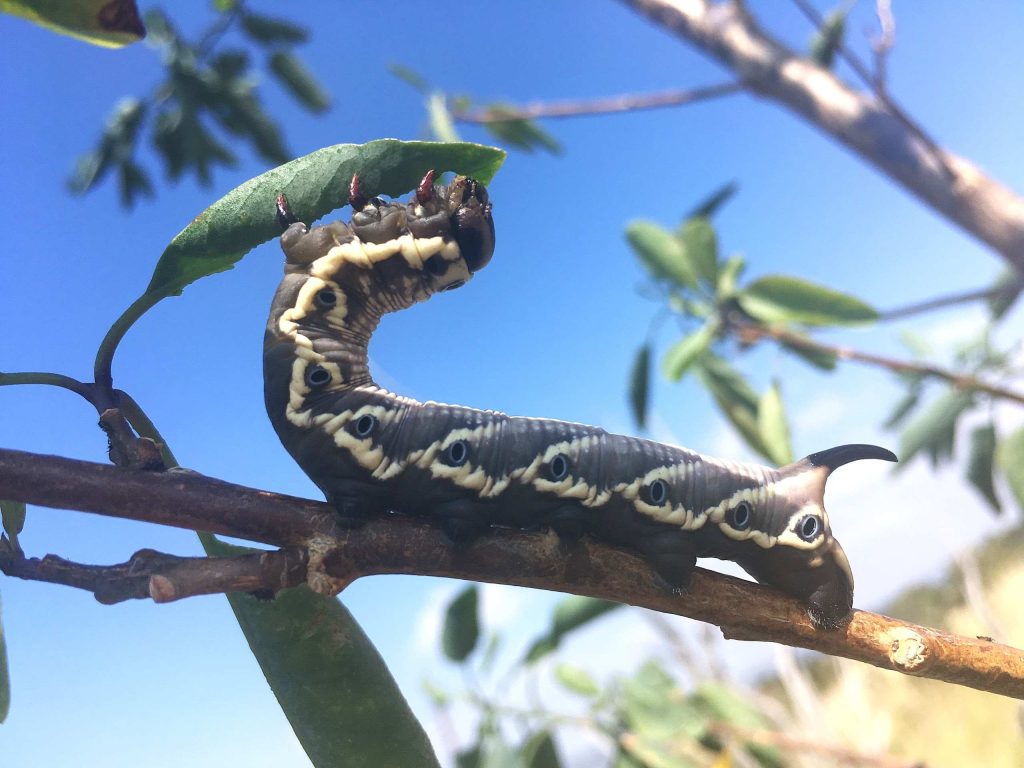
Endangered moth and damselfly species have been rediscovered on Molokaʻi and Lānaʻi after decades without confirmed sightings, offering new hope for two of Hawaiʻi’s imperiled native insects, according to the state Department of Land and Natural Resources.
Staff with the department’s Division of Forestry and Wildlife documented the finds this spring. In May, biologists with the Hawaiʻi Invertebrate Program found 10 Blackburn’s sphinx moth caterpillars in Lānaʻi City — the third recorded sighting on the island since 22 caterpillars were found there in 2009 and a single caterpillar was spotted in 2025. DOFAW said the pattern of repeated sightings may point to a sustained population.
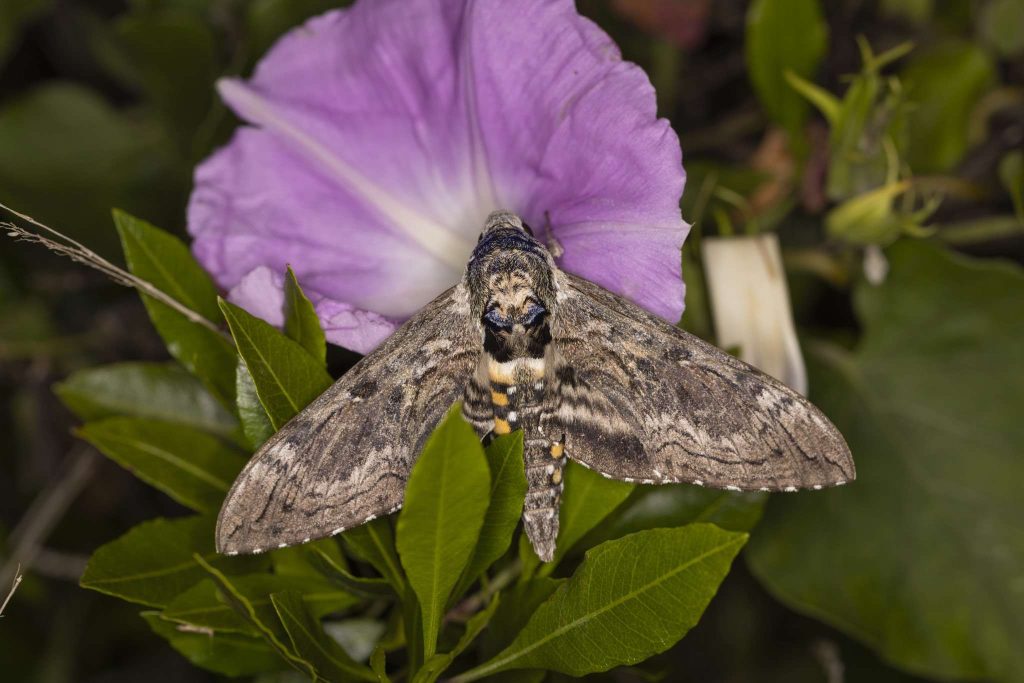
In May and June, Forestry and Wildlife staff also discovered Blackburn’s sphinx moth caterpillars in Hālawa Valley and Kalaupapa on Molokaʻi. The agency said those are the first confirmed individuals on Molokaʻi since the species was believed to have disappeared from the island in the 1940s.
The Blackburn’s sphinx moth, scientifically known as Manduca blackburni, is among Hawaiʻi’s largest native insects and was once found across the main Hawaiian Islands. It was considered extinct in the late 1970s before being rediscovered on East Maui in 1984. Populations have since been confirmed on Kahoʻolawe and Hawaiʻi Island, but the moth was thought to be extirpated, or locally extinct, elsewhere in the islands.
Entomologist Janis Matsunaga said native insect populations statewide have been declining due to predation, competition from non-native species and habitat loss. Such populations often disappear gradually from island to island until they go extinct, making the rediscoveries “unexpected and encouraging,” she said.
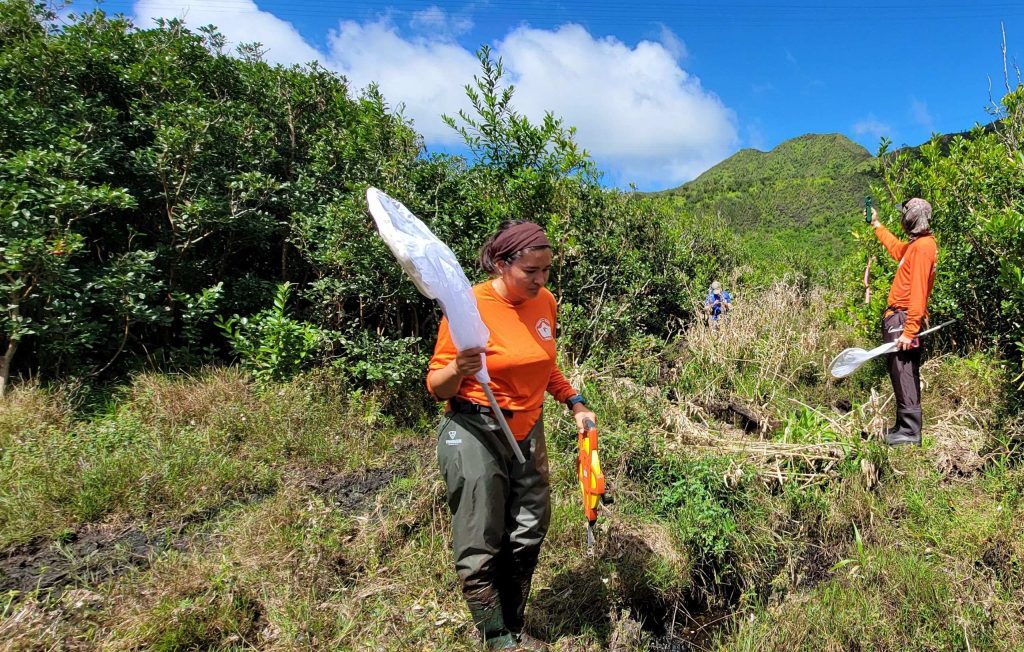
Separately, Forestry and Wildlife confirmed the first Hawaiʻi Island sighting in 102 years of the pinapinao, or Hawaiian damselfly (Megalagrion nesiotes), another endangered species. An employee photographed a male damselfly in the Waiākea Forest Reserve during a training exercise in October, marking the first confirmed sighting there since 1923.
While the Molokaʻi and Lānaʻi discoveries center on Maui County, the Forestry and Wildlife Division said all three findings underscore the resilience of Hawaiʻi’s native invertebrates in habitats previously thought unable to support them.
The department is asking the public to report sightings of rare native insects to a Division of Fish and Wildlife office to assist with conservation tracking. Residents can call 808-984-8100.
Sponsored Content