

Tokuda votes against defense bill, but provision protecting Hawaiʻi lands from military condemnation preserved

Hawaiʻi US Rep. Jill Tokuda voted against the National Defense Authorization Act for Fiscal Year 2027, saying she opposed provisions in the bill unrelated to military policy, even as she credited the final version with excluding language that would have given the military authority to condemn and take Hawaiʻi lands.
The House passed the bill Thursday by a vote of 216-212, sending it to the US Senate for consideration.
Hawaiʻi US Rep. Ed Case, who represents urban Oʻahu, also voted against the measure.
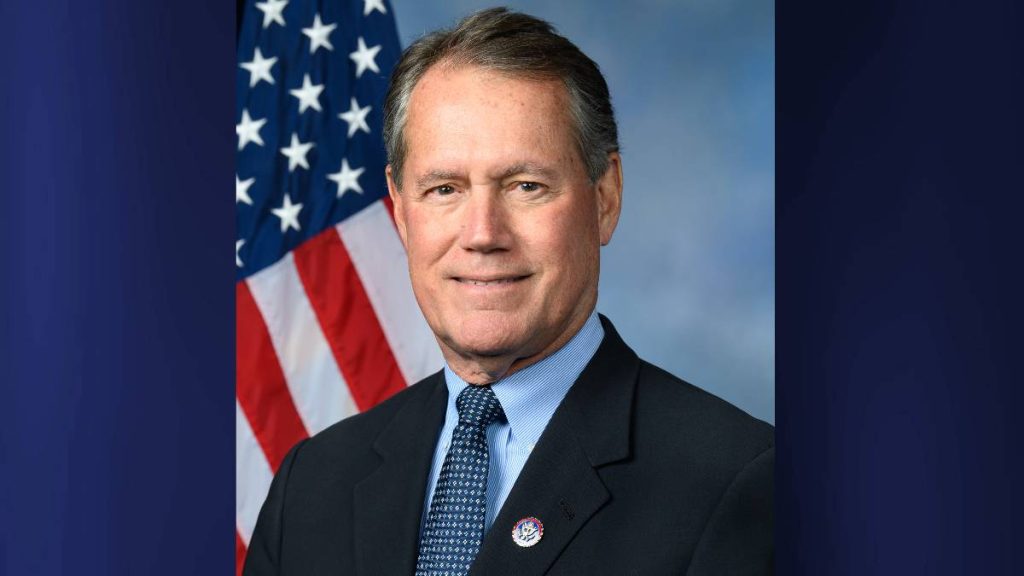
“Our National Defense Authorization Act is a critical annual measure that not only authorizes our defense spending for the year, supplementing my Appropriations Committee’s parallel funding responsibilities, but also establishes defense policies, including organization and administration of the Defense Department,” said Case, who serves on the House Appropriations Subcommittee on Defense.
Tokuda, who represents Hawaiʻi’s 2nd Congressional District sits on the House Armed Services Committee. Her district covers rural Oʻahu and all of the neighbor islands, including Maui, Molokaʻi and Lānaʻi.
In a statement, Tokuda said she had pushed since the start of the legislative process to keep any authority allowing the military to condemn Hawaiʻi land out of the bill. That effort succeeded in the final version, she said.
“That victory was never guaranteed,” Tokuda said. “It took sustained pressure, clear opposition, and a refusal to let Hawaiʻi be treated as an afterthought.”
Despite that outcome, Tokuda said she could not support the broader bill, arguing that House Republicans had added unrelated measures during the amendment process. She specifically criticized the inclusion of the SAVE America Act, which would impose new voter identification requirements, calling it a partisan addition to a defense policy bill.
Tokuda said the annual defense authorization measure should focus on strengthening the military and supporting service members rather than serving as a vehicle for other legislative priorities.
Case said: “While this current version of the FY 2027 NDAA includes many critical Hawai‘i and Indo-Pacific priorities I requested, I regrettably had to vote against it at this stage for various reasons. These included the lack of any Congressional authorization of the Iran war; the insufficiency of any justification for the huge authorized increase in defense spending; the lack of any assurance of adequate Congressional oversight of that spending; and the inclusion of various other proposals not relevant to defense such as the SAVE America Act, which I have separately voted against several other times.”
The bill next moves to the Senate, where lawmakers will consider their own version of the annual defense policy legislation.
A summary of the National Defense Authorization Act can be found here.
Sponsored Content