
 Hawai'i Journalism Initiative
ICE sightings, detentions reported on Maui amid nationwide wave of enforcement
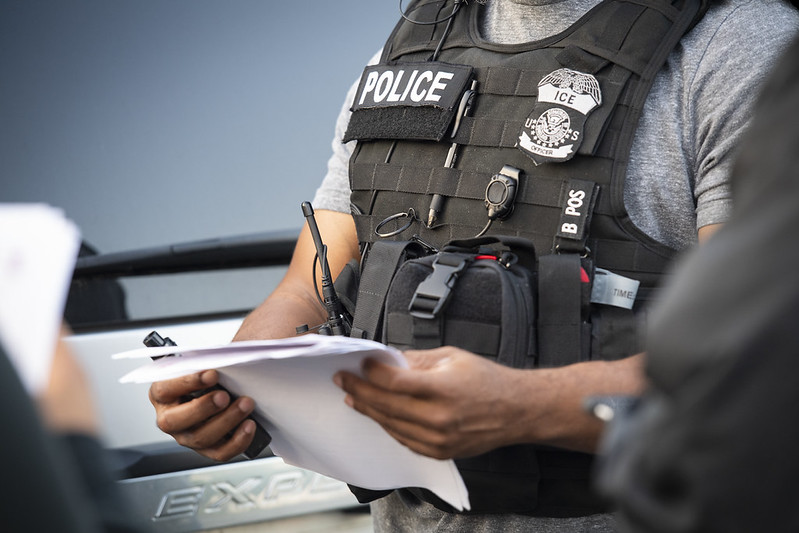
For months after Immigrations and Customs Enforcement agents shot and killed two U.S. citizens in Minnesota, the tipline to report ICE sightings on Maui went quiet as enforcement cooled.
But in the past four weeks, calls and messages to the Maui tipline have shot up from about five a month to 50 calls and 40 messages, with reports coming from places including Kīhei and temporary housing projects for Lahaina wildfire survivors.
“It was really just kind of shocking,” said Allison Joseph, who manages the tipline as the program coordinator for El Pueblo en Acción, a rapid response coalition of community groups and residents who respond in person to confirmed sightings of federal agents.
The spike in calls is happening at a time when the White House is reportedly pushing for 2,000 immigration arrests per day and backlash is surging over another series of fatal shootings by ICE agents earlier this month of 52-year-old Lorenzo Salgado Araujo in Texas and 25-year-old Joan Sebastián Durán Guerrero in Maine, neither of whom were the targets of the respective enforcement operations.
It also comes as Hawai‘i Gov. Josh Green prepares to sign a slate of immigration-related bills on Tuesday that include limiting state and county law enforcement’s cooperation with federal immigration enforcement.
“I think it’s concerning that they’re restarting these type of initiatives, especially when you hear about some of the incidents that are going on on the Mainland, and we don’t want to necessarily see that kind of escalation happening on Maui,” said Democratic state Sen. Troy Hashimoto, who represents Central Maui and was one of the lawmakers who introduced the bill.
According to Roots Reborn, an immigrant-justice and disaster-response organization created in the wake of the 2023 wildfires, immigration officers have been spotted on June 23 at a home in Lahaina, where they reportedly detained two individuals; July 10 at a home in Kīhei, where they reportedly detained one person; July 11 near Sunrise Apartments, ‘Āinakea Park and Ka La‘i Ola; and July 17 at another home in Lahaina.
Annie Alvelais, acting director of Roots Reborn, said the organization knows of six individuals who were detained in the recent enforcement sweeps.
Maui Police Department spokesperson Alana Pico said during the dates ICE was reportedly seen, “another federal agency was also on Maui conducting federal warrant sweeps during this time.”
“These operations were conducted independently by the respective federal agencies as part of their own enforcement responsibilities,” said Pico, who did not specify the agencies.
Pico said that federal law enforcement agencies notify MPD when they are on island as a “professional courtesy.” However, MPD “does not participate in immigration enforcement,” she said.
The Hawai‘i Journalism Initiative contacted ICE regarding the reported arrests on Maui but the agency had not provided details as of Friday afternoon.

Kevin Block, an immigration attorney on Maui and a founder of Roots Reborn, said he is representing some of the people who were recently detained but couldn’t share specific details. He said they all remain in federal custody in Honolulu and pointed out that recent court decisions are keeping many detainees from posting bond, leaving them in custody indefinitely while their cases are decided.
While deportation defense is only a small part of his practice, Block has noticed the recent increase in enforcement on Maui. He said the targets of federal agents’ operations have broadened from deportation orders or criminal conduct to people who have ongoing applications for immigration benefits or asylum.
And, he says, it appears federal agents’ tactics are changing. Before, they used to fly over for a day or two and leave. Now, they appear to be staying on island longer. Joseph noted that agents have also been more targeted in their operations this time, showing up at homes looking for specific people instead of roaming wider areas.
Block thinks enforcement declined for several months because ICE “needed to regroup” after agents shot and killed Renee Good and Alex Pretti in January and Homeland Security Secretary Kristi Noem was fired in March. He said the most recent reported sighting of ICE in West Maui coincided with the opening day of the Lahaina Homecoming event marking the three-year anniversary of the wildfires.
“It’s just really hard as a community when you’re trying to recover from this to deal with something like that,” he said.
Joseph thinks the increased activity on Maui might be partly “due to our vulnerability after the fires,” with many people still displaced with limited resources and “unstable housing situations.” She also worries about all of the personal data the federal government has gleaned from fire survivors over the last few years.
The Federal Emergency Management Agency has said that it does not collect information on applicants’ immigration status and does not proactively provide personal information to ICE or Customs and Border Protection, although the agencies can request this information if someone is a threat to national security or public safety.
El Pueblo en Acción, which grew out of Roots Reborn and spans a network of about 60 trained volunteers, works to verify sightings through photos and videos and sends people to confirmed reports. When on-site, the goal is to inform people about their rights in situations where they may feel intimidated and connect their families to legal resources, Joseph said. Volunteers only observe and do not intervene.
“A lot of our work is trying to educate and share and train people in knowing their rights so that they can feel protected, so that they can stand up for themselves,” Joseph said.
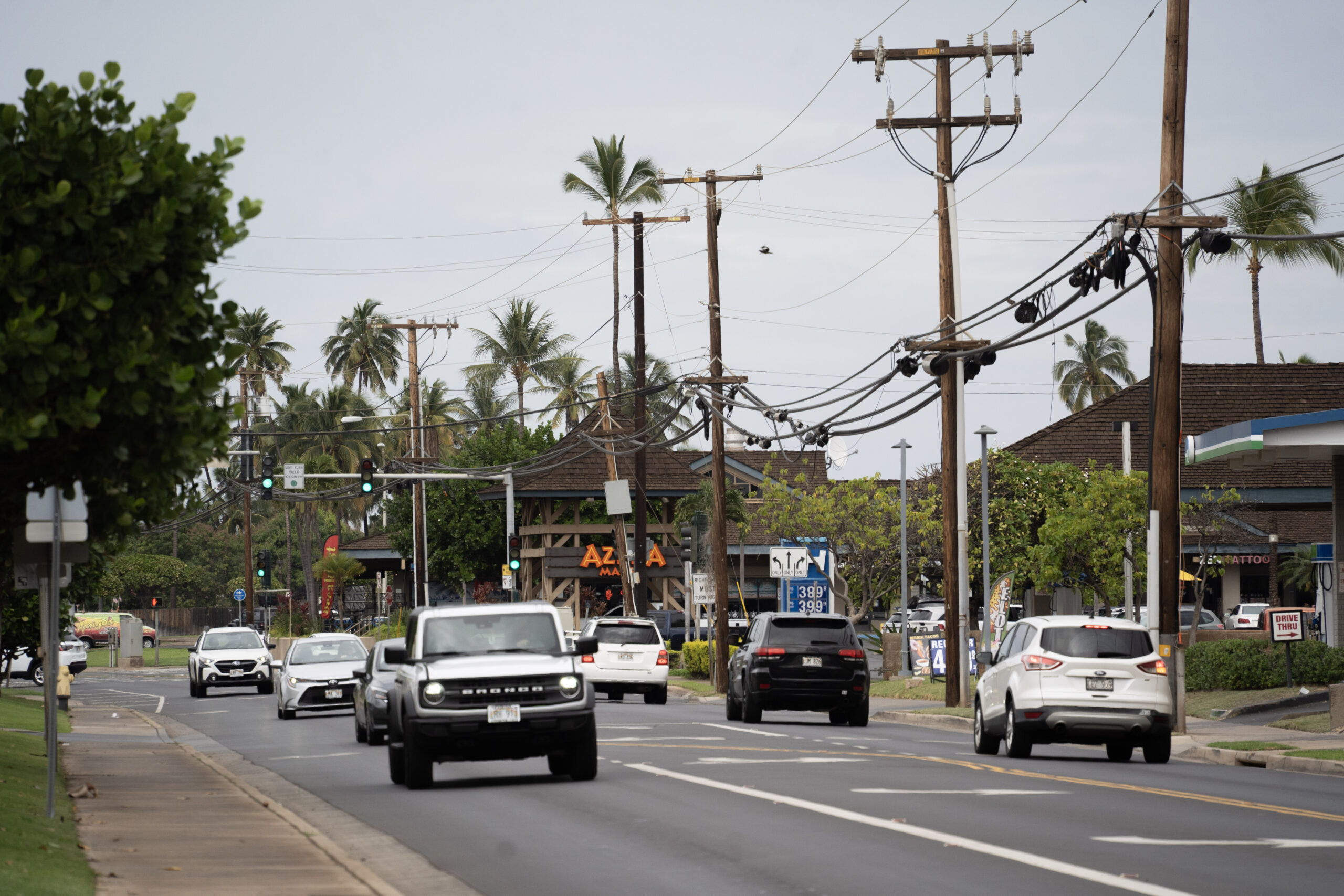
Alvelais said the organization is starting to expand its reach from fire survivors, who were their primary focus immediately after the disaster, to the broader immigrant community on Maui. They’ve held “know your rights” game nights, drawing people in for rounds of Lotería, the Mexican game of chance akin to bingo, and trainings on constitutional rights that include being able to remain silent and refuse a search of themselves or their belongings without a judicial warrant.
Alvelais said she used to tell herself that nonprofit work wasn’t “life or death” like the job is for doctors or nurses. But as she’s watched one ICE shooting after another play out across the news, she realizes the stakes have changed.
“I think that was a really tough pill to swallow, and just had to kind of like sit in that grief and that sadness and that frustration,” Alvelais said.
She said the immigration bills the governor plans to sign into law don’t automatically mean that immigrants and advocates can “sleep easy,” because there’s no guarantee they’ll be followed.
“But having these laws in place do make the work a little bit easier,” she said.
In addition to the bill that will bar state or county agencies from working with the federal government on immigration enforcement, Green also will be signing a measure that will require people in state or county custody to be notified of their rights before any federal civil immigration enforcement interview, and another requiring state and county agencies that operate protected community locations to adopt policies limiting cooperation with federal civil immigration enforcement.
Other measures will reduce the sentencing cap for nonviolent misdemeanors to 364 days to prevent disproportionate immigration consequences; establish statewide standards for the issuance of U and T visa certifications (federal immigration benefits for victims of human trafficking and other criminal activities); and establish a language access education and workforce development program at the University of Hawai‘i.
Earlier this year, local police officials raised concerns about the bill limiting cooperation with federal immigration enforcement.
The State of Hawai‘i Organization of Police Officers, which represents over 2,700 officers, told the state Legislature in April that it recognized the intent of the bill and “appreciate the concern for protecting individual rights and maintaining clear boundaries for officers’ duties.” However, the union pointed out that it could create confusion for officers in the field about whether they could participate in joint task forces or requests for assistance.

“SHOPO respectfully notes that cooperation between local, state and federal law enforcement is often essential for addressing public safety concerns, including investigations that involve serious crime or threats to the community,” the union said. “While officers should not be required to act outside their scope, overly broad restrictions could unintentionally prevent them from participating in important public safety measures or responding effectively in critical situations.”
Hashimoto said lawmakers tried to make the bill narrow enough so that police could still coordinate with federal agencies on non-immigration cases. He said they could also reform the measure in the future if needed.
“We just wanted to make clear that there’s this delineation between what’s going on on the federal side and the state and county side,” Hashimoto said. “Especially now that the federal government is cutting resources to the states and the counties, if … that’s their priority (immigration), they should embark on that instead of using our resources.”
With the state law soon to take effect, Pico said the Maui Police Department has adopted a policy “reaffirming that immigration enforcement is a federal responsibility and outlining our role consistent with state law.”
The policy says its goal is “to ensure that race, national origin, ethnicity, age, gender or sexual orientation of an individual shall not be the sole basis for the detention, interdiction or other disparate treatment.”
It clarifies that MPD will not enter into agreements with ICE that delegate immigration duties to local law enforcement, and states that “no arrest by the department shall be based solely on a violation of immigration law.”