

Molokaʻi residents warned to stay out of isle’s south shore waters because of whale carcass
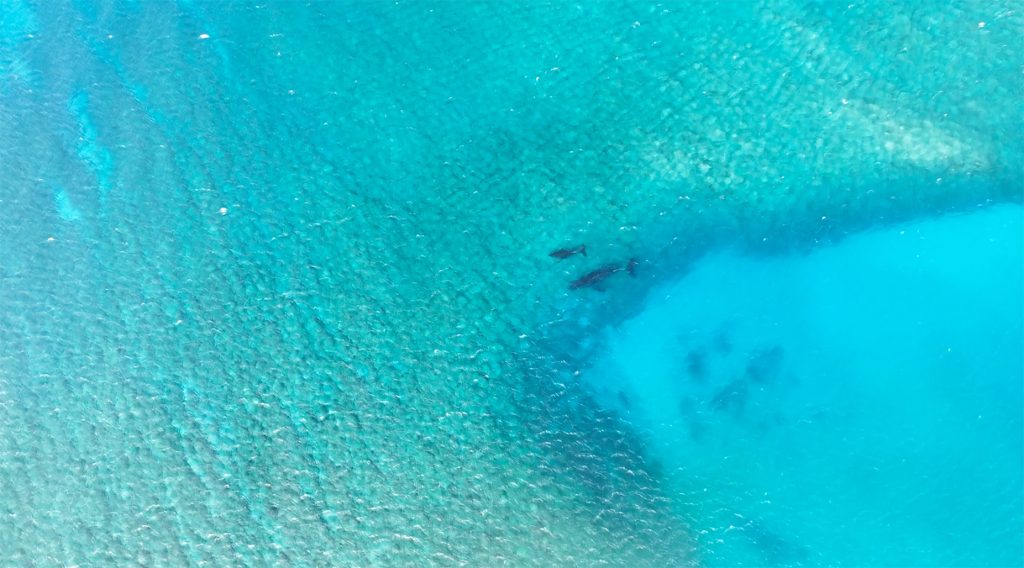
Residents and visitors are being urged to stay out of the ocean off of Molokaʻi’s south shore, near the remains of a koholā, or humpback whale, that died July 10, according to the state Department of Land and Natural Resources Division of Aquatic Resources.
The now deceased whale and her calf spent more than two months in a pocket of reef off the island, the department reported. The calf has since moved on and has not been seen.
Tides continue to carry the remains along the south shore, through areas frequently used by island fishers and commercial tours. At the recommendation of Kiaʻi Kanaloa Molokaʻi, Molokaʻi cultural practitioners who partner with state aquatics officials in the care of marine life, the female whale will remain where she has come to rest.
Community members will continue to observe and help monitor the site, officials said. Tissue samples collected during the response are being analyzed and may help clarify the cause of death.
“The Department of Land and Natural Resources Division of Aquatic Resources fully supports the community’s recommendation,” said Division of Aquatic Resources Protected Species Program lead Jordan Lerma. “We will continue working closely with Kiaʻi Kanaloa Molokaʻi, the community and our county, state and federal partners to monitor the site and respond as needed if conditions change or concerns arise related to public health, safety, navigation, or the surrounding environment.”
In line with Hawaiian cultural tradition, the koholā will be given a Hawaiian name. She was also known to researchers through the Happywhale photo-identification catalog as “Twinning” and was last documented off British Columbia in October 2025 before migrating to Hawaiʻi, where her calf was born between late January and early February.
In May, state aquatics officials and partners confirmed the pair had settled into a deep, naturally occurring pocket in the outer reef west of Kaunakakai. Though not physically trapped, the whales showed no signs of leaving.
Over the following six weeks, the National Oceanic and Atmospheric Administration led response efforts working with state officials and the Molokaʻi and Maui on-water communities. The response teams mounted nine on- and over-water missions totaling hundreds of hours, at times involving up to seven vessels.
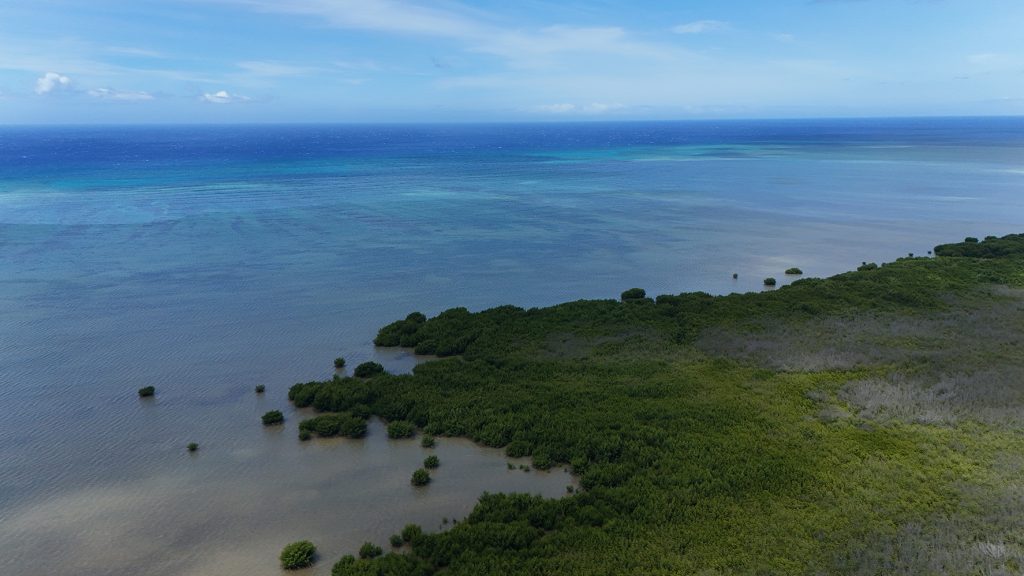
Efforts included herding, acoustic playbacks and bubble barriers to encourage the pair toward open water, but the whales remained in the reef pocket. All response activities were conducted under a NOAA Marine Mammal Health and Stranding Response permit. Throughout their stay, Molokaʻi residents and cultural practitioners monitored the pair almost daily, from shore and on the water.
For public safety and the protection of wildlife, the Department of Land and Natural Resources is asking people to follow this guidance:
- Stay out of the water: The presence of large predators feeding on the remains poses a significant danger to humans.
- Be aware when you are at the shoreline: Take time to check for signs of whale carcass remnants in the area such as oil slicks, pieces of blubber on the sand and rocks, as well as in the water, especially if there is a strong smell of decay in the air.
- Do not approach or touch: To prevent illness, do not swim in or near areas where remnants are found on the beach and do not touch or interact with the carcass or remains of any size that may be found on the shoreline.
- Show respect online: Consistent with the guidance of Kiaʻi Kanaloa Molokaʻi, do not post photos or videos of the whale in ways that are sensational, disrespectful, or exploitative.
- Follow federal laws: All marine mammals, living or dead, are protected under the Marine Mammal Protection Act (MMPA). Koholā are endangered and are also protected under Hawaiʻi state law. The taking of marine mammal parts is prohibited.
Leave any pieces of the remains where you find them. They will naturally biodegrade back into the environment and nourish Hawaiʻi’s ocean and coastal ecosystems.
To report sightings of the remains or other marine wildlife concerns, call the NOAA Marine Wildlife Hotline at 888-256-9840. To report violations, call DLNR’s enforcement line at 808-643-DLNR (3567).
Sponsored Content