Mākena Landing gets a closer look as community calls for water quality monitoring

Hui O Ka Wai Ola, a volunteer-based coastal water quality monitoring program, has resumed regular testing at Mākena Landing after community members made clear how much this stretch of coastline means to them. Hui O Ka Wai Ola previously monitored Mākena Landing from 2017 to 2020. In recent years, the site has drawn more requests for renewed monitoring than any other in the program’s history.
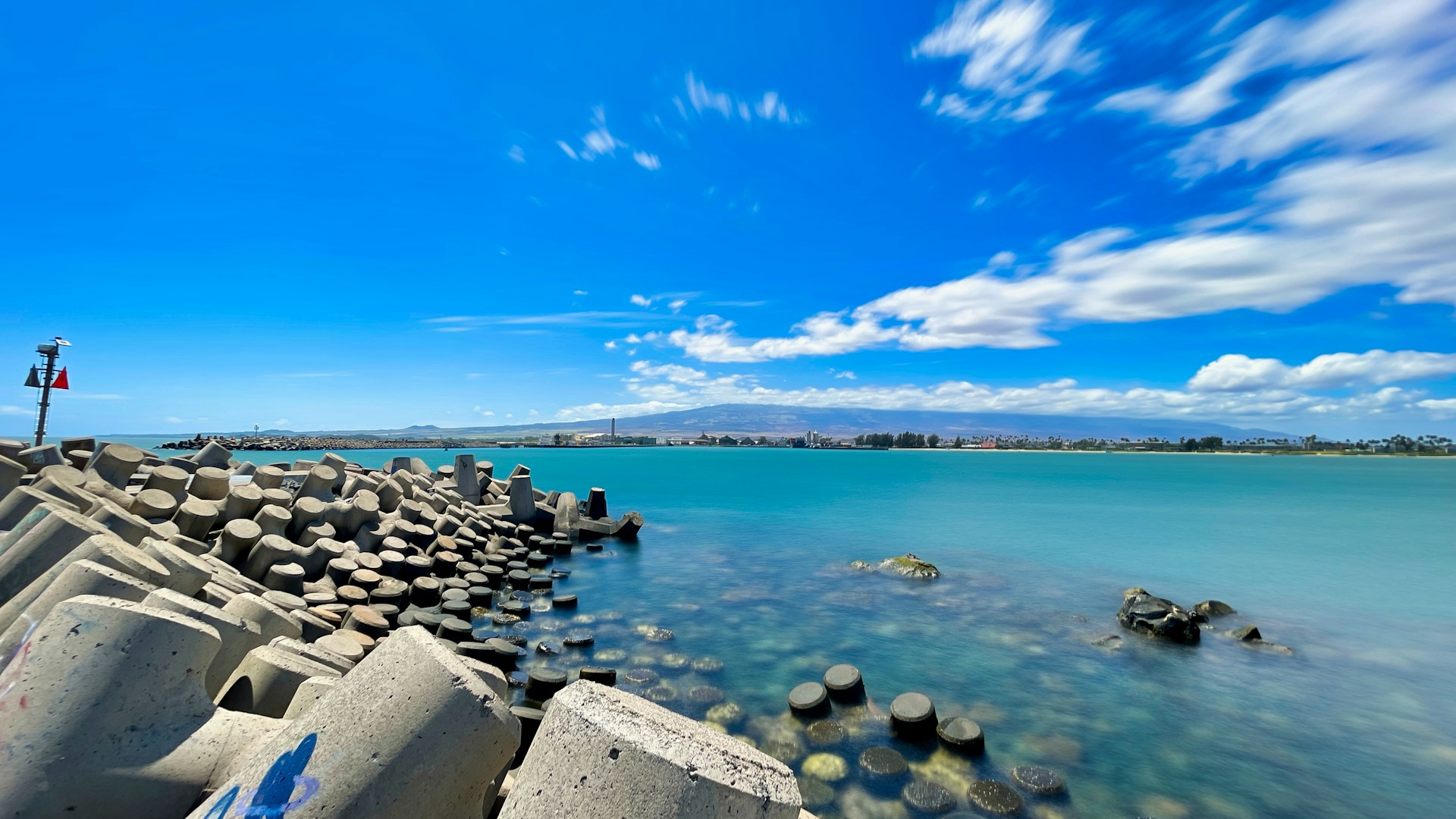
Mākena Landing is a local favorite, known for its clear waters, vibrant reef and abundant marine life, including the sea turtles that give nearby “Turtle Town” its name. Families gather here to swim, picnic and spend time together, while snorkelers, divers and a steady stream of kayak and boat tours explore the reef throughout the day. That level of use, paired with the strong community interest in seeing monitoring return, brought Mākena Landing back into focus for the Hui’s Clean Ocean Team.
“I’ve noticed real changes at Mākena Landing over the past few years, both in construction and in recreational use. I’m relieved Hui O Ka Wai Ola found the funding to resume sampling here, so we can document any impacts to water quality before they go unnoticed,” said Rebecca Lesher, Quality Assurance Officer at Hui O Ka Wai Ola and an avid diver who was among those who requested the site’s re-establishment.

Much of that change traces back to two shifts in the area. Construction activity near the shoreline has added paved, impervious surfaces, increasing runoff that flows directly into the ocean. At the same time, after Maui County adjusted its permitting policy for commercial ocean recreation at several South Maui beach parks, many small businesses offering scuba, snorkeling, stand-up paddle and kayak tours shifted their operations to Mākena Landing. Land-based development and increased recreational use can both affect nearshore water quality, and having a clear, science-based record of conditions over time helps agencies, organizations and the community alike work together toward the shared goal of protecting these waters.
“When a site draws more requests from the community than any other, that tells us it’s exactly where our monitoring belongs,” said Liz Yannell, Director of Hui O Ka Wai Ola. “Healthy coastal waters are vital to our island’s culture, ecosystems, economy, and way of life. Mākena Landing is an important place for our community to connect with the ocean, and we’re glad to be back monitoring there and providing the trusted data that helps inform long-term stewardship.”
“Long-term, quality-assured data is what turns a place people love into a place we can actually track and protect over time – to document success or to advocate for change,” said Kim Falinski, Lead Water Scientist with The Nature Conservancy and Lead Scientist with Hui O Ka Wai Ola. “Mākena Landing gives us that opportunity.”
Trained volunteer technicians will test waters at Mākena Landing every three weeks, following the same quality-assured protocols used across the Hui’s monitoring network, testing for indicators such as turbidity, pH, and nutrients. Because each sample goes through a careful lab and quality assurance process, the raw data from the July 1 sampling will be available on the Hui’s website and public data platforms in the fourth quarter of 2026. Hui data seek to reveal long-term trends, which are summarized into key findings every two years, and the latest report was just released in June of this year.
Community members who want to view findings, follow along, or who are interested in joining the volunteer team collecting this data, can learn more at huiokawaiola.com.
Hui O Ka Wai Ola: Maui Nui’s Clean Ocean Team is a coalition of community volunteers, scientists and partner organizations dedicated to measuring and sharing the status of Maui Nui’s nearshore waters. Since collecting its first sample in West Maui in 2016, the Hui has grown into the state’s longest running citizen science water quality efforts, with data used by the Maui Nui Marine Resource Council, The Nature Conservancy, the Hawai’i Department of Health Clean Water Branch, the US Environmental Protection Agency and others to guide efforts that protect coastal and reef health.
More information, including how to volunteer or view water quality data, is available at huiokawaiola.com.
Sponsored Content