 Hawai'i Journalism Initiative
In council rematches, candidates dive into development, tourism, homelessness, water
KULA — With the balance of the Maui County Council on the line, 12 of the 14 candidates in the seven contested races answered questions ranging from water Upcountry to homelessness in Kahului to tourism in East Maui during a political forum last week at the Kula Community Center.
The council is set for a potential shakeup in the Nov. 3 general election with two open seats. Chair Alice Lee is retiring and Vice Chair Yuki Lei Sugimura did not seek re-election to run for mayor.
Lee and Sugimura are two of the five-member moderate bloc that currently holds sway over the four progressives. For the next council, the progressives already are guaranteed two seats, with Keani Rawlins-Fernandez (Molokaʻi seat) and Gabe Johnson (Lāna‘i seat) both running unopposed.

The nine members come from different districts but represent all of Maui County, and voters can cast ballots for all nine seats.
Multiple races feature rematches and familiar candidates. Here’s a closer look.
South Maui: Debate over development
In South Maui, the rematch between Tom Cook and Kelly Takaya King will likely be one of the most closely watched races after Cook narrowly beat King by 97 votes in 2024.
Cook is among the five council moderates, while King was part of the majority progressive bloc when she served on the council from 2017 to 2022. For both candidates, a core issue is the future of development in South Maui.
Cook acknowledged “I butt heads somewhat” with Kīhei community groups because the longtime contractor is seen as being pro-development. But Cook sees projects as a way to create tax revenue over the long term for services like water and roads.
“Developing is not necessarily a bad thing,” he said. “We need to collectively work together to do it intelligently and sustainably.”

King said she’s running for office again because “right now my community is not very happy at all with this current council” and its decisions to approve luxury projects while not holding developers to mandated conditions. She pointed to the 1,150-unit Honua‘ula project (formerly known as Wailea 670) that was approved last year with 288 affordable homes, down from the 450 originally expected. County affordable housing requirements have lessened since the project’s first approvals.
“Letting the developers out of the infrastructure issues is not right and it’s not good for the community,” King said. “We’re not building the community that we want to live in.”
With water scarce, King said she would “just say no” to proposals to take more from the Kama‘ole aquifer for South Maui developments. Affordable housing and agriculture should take priority, she said. King noted the council passed a moratorium on building permits for new visitor accommodations in South and West Maui in 2021 but lifted it the following year.
“We have to fight for what we had before,” King said. “It’s almost like what’s happening on the federal level. We have to go back and fight for our freedoms and our communities again.”

Water supply is an important issue to Cook, too. A priority he said he’s working on is getting the county to put millions of gallons of reclaimed wastewater to good use and capturing stormwater before it gets to the ocean. He said land upslope needs to be repastured to prevent major flooding in South Maui during storms and also thinks test wells at higher elevation will help develop more water sources.
“I believe we have water resources and it’s a matter of managing them and developing them,” Cook said.
East Maui: Managing tourism, growing more food
In East Maui, Shane Sinenci is finishing his fourth council term and will have another rematch against Claire Kamalu Carroll, whom he has defeated in three consecutive elections from 2018 to 2022.
Since the Lahaina fire, many tourists have opted to visit East Maui instead, further crowding the winding roads and waterfalls of Hāna Highway that have long been a hot spot.

Both candidates said they’re supportive of keeping tourism flowing to their East Maui community, but at a more manageable level.
“We understand that the rebuild of Lahaina is going to take some more years,” Sinenci said. “I’m happy to host our visitors out in East Maui, but we’ll definitely need some help.”
Sinenci is supportive of reservation systems, noting that the one that rolled out at Wai‘ānapanapa State Park in 2021 has helped spread out the crowds. He pointed out that there are solutions ahead after efforts to create a Destination Management Action Plan this year that prioritizes Hāna Highway as a critical spot for management.
Carroll agreed that the reservation system has helped with quality of life in East Maui. She sees tourism as a “double-edged sword” and said people have struggled for years to decide how many visitors would be enough to support Hāna residents economically while not overwhelming the town. However, she said local businesses run by “our kids, our neighbors,” still need support, especially heading into the slower fall season.
“Majority of the people who speak in regards to East Maui don’t live there,” she said. “That’s our biggest challenge, and I invite every single one of you to come into Hāna.”

Both also hope to see East Maui farmers contribute to food security. At a time when many farmers are aging, land is hard to come by, and pastures are going untended because they’re overgrown with invasive species, Carroll said “we need to stop criticizing and start growing” food.
“We need to focus on growing more farmers, whether it’s a big farm or a small farm,” she said.
Sinenci said controlling invasive species and making sure farmers have water and housing for their workers are good ways to help agriculture thrive. He also hoped to see the 3,500-acre Hāna Ranch, which is currently for sale, continue to produce beef under new ownership.
He noted he provided funding in the budget for kūpuna to access fresh vegetables sold by local farmers at the Friday market.
Kahului: Addressing homelessness
Maui County has cleared out multiple encampments over the past year, citing concerns over wildfires and public safety. But it’s created a rotating problem — many of the people who were kicked out of Maui Lani in November had been forced out of Amala Place months earlier, and some unhoused people say they’ve been unfairly blamed for fears over fires.
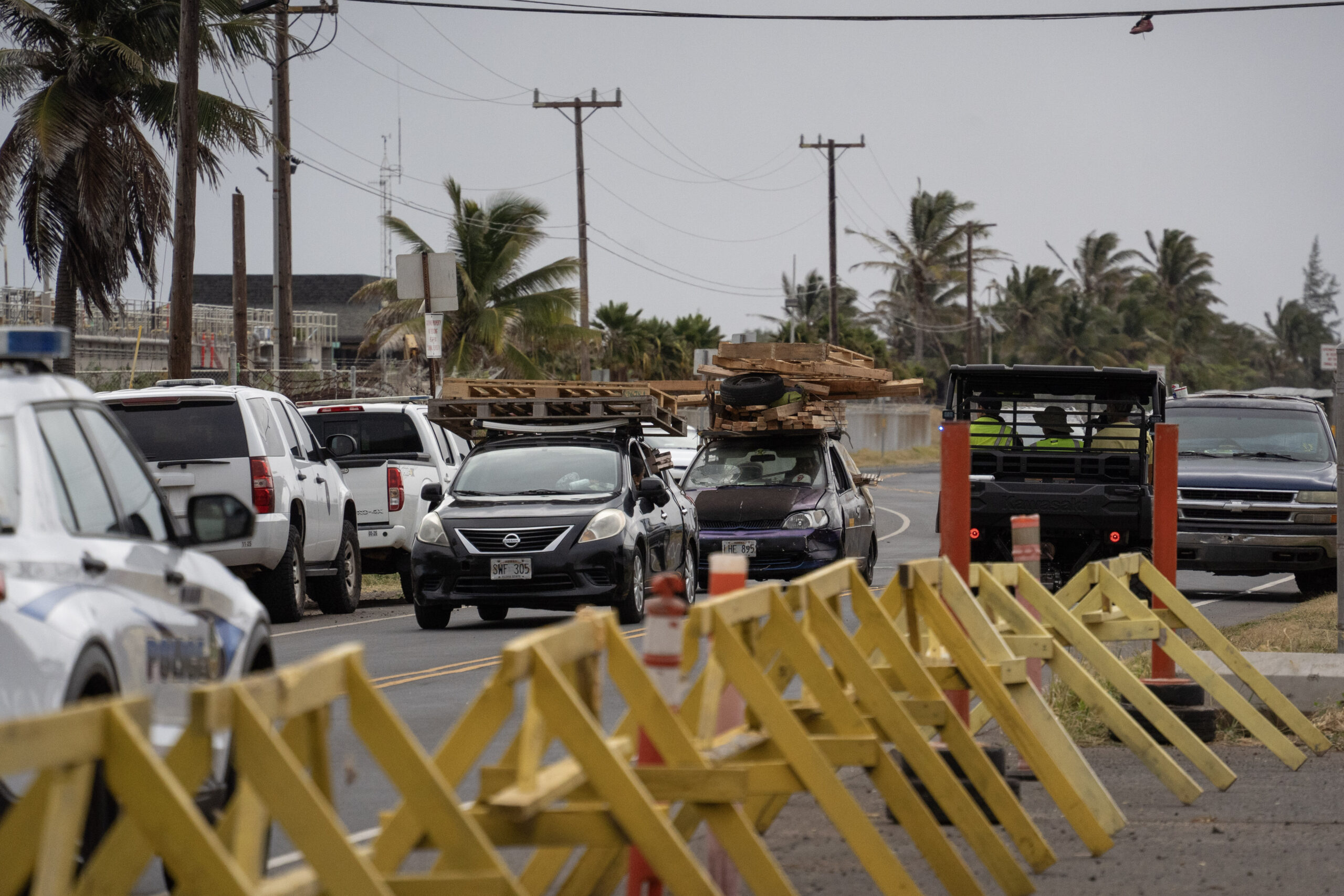
In Kahului, where multiple sweeps have taken place, Carol Lee Kamekona is challenging incumbent Council Member Kauanoe Batangan for his seat.
Kamekona said “our houseless community is one of my passions,” and that she often spends time meeting with them. She worries about increasing homelessness because many people who have homes and jobs but can’t afford rent are falling through the cracks. Stabilizing rent would be a priority if she was elected.
She also thinks first-time homebuyer programs are key to keeping people from ending up on the street, and is supportive of the kauhale tiny home project the state has been rolling out.
Kamekona said the situation “did not happen overnight, so it’s going to take a little time” to solve, and in the meantime, addressing the stigma of homelessness is also important.
“They just need a hand up,” Kamekona said. “I know that a lot of communities don’t like having houseless in their neighborhoods, which is a NIMBYism (not in my backyard) we have to deal with.”

Batangan said homelessness is one of the most common topics brought up by callers to his office. He said people are often confused about what department to contact and where to get more services, and there needs to be more direction and a cohesive plan.
Batangan, who was previously in charge of the Office of Recovery’s Health and Social Services Division, said that now with a new Human Concerns Department director, there is an opportunity to get everyone on the same page with a master plan. He did not specify what that plan would entail but said that the administration and council need to work together to understand each other’s priorities and capacity, and then “create tailored solutions for the various houseless populations in our island.”
“Then we’re going to have to work with our community at large to help them understand what are the tools available,” Batangan said.
This will be the first council election for Batangan since he was appointed by Mayor Richard Bissen last year after the unexpected death of Tasha Kama. Kamekona is making a fourth bid for council after three unsuccessful runs for the Kahului seat.
Batangan said his priorities if he returns to office would be “preserving our unique culture, diversifying our economy, investing in our people and stewarding our lands.”
Along with rent stabilization, Kamekona said her other priorities if elected would be streamlining permits and supporting the administration’s purchase of water systems.
Upcountry: Water and agriculture
In Upcountry Maui, political newcomers Bobby Pahia and John Yokouchi are vying for an open seat with Sugimura stepping down.
Pahia, a kalo farmer who finished first in the primary election, said everything comes down to the lack of water in Upcountry, which was subject to water shortage restrictions during last year’s drought.
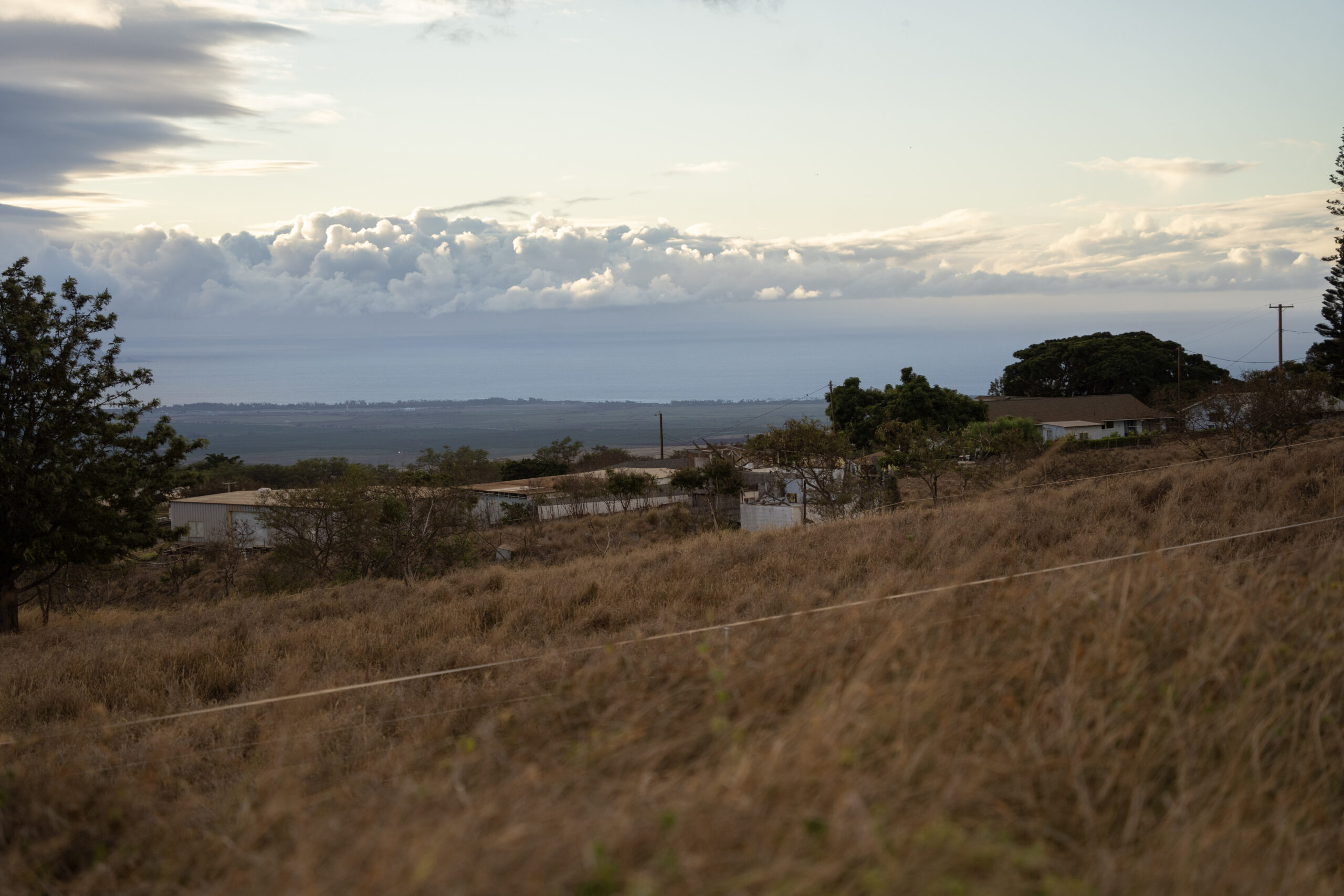
“The solution to that is the solution to address almost everything,” Pahia said. “Creating a system to address fire mitigation, that goes straight back to water capacity. Building more homes, that goes back to water capacity.”
His opponent Yokouchi agreed and said more reservoirs are needed Upcountry to capture and store rainfall, especially at a time when climate change is “coming on strong.”
“Water is very important to everyone up in Kula, and we don’t want to go through another fire again in the drought,” Yokouchi said.
Water is not only critical for homes and suppressing fire, but also for food security, Pahia said. He said the state lacks the “political will” to properly fund agriculture and wants to see more attention put toward recharging the aquifer and getting water back to everyday residents.
Yokouchi also sees value in supporting farming and food security.
“I’m for agriculture, and I hope agriculture one day subsidizes tourism,” he said.

Both also said they would stick up for rural areas of Maui to get prioritized in emergency communications and disaster response. During Hurricane Lala in August, power and phone service went down for thousands of customers on Maui, particularly in East and Upcountry Maui.
“If I’m elected, I’ll make it my job to defend the people of Upcountry Kula, where everything is all spread out,” Yokouchi pledged. “It’s going to be tough, but I’ll try my best.”
Pahia said in politics, rural communities are underrepresented and overlooked by politicians who are just in it to get reelected.
“It takes the collective,” Pahia said. “If we feel over here that we want to support our brothers and sisters who live out in the rural areas and they don’t have the votes to leverage policymakers, then it’s up to us, guys.”
EDITOR’S NOTE: This story is Part 1 of the eight Maui County Council and mayoral races featured in last week’s political forum. Tomorrow’s story will focus on the mayor’s race and the council races for West Maui, Wailuku-Waiheʻe-Waikapū and Makawao-Haʻikū-Pāʻia.