National Institutes of Health awards $3.6 million grant to study health threats from Hawaiʻi’s plantation history

Investigating a hidden environmental health threat across Hawaiʻi—pollutants left behind by decades of agricultural and industrial activity, and whether wildfires and other disasters can bring those contaminants back into the environment and into people’s bodies—is the focus of a new University of Hawaiʻi at Mānoa and Icahn School of Medicine at Mount Sinai-led research project that received a five-year, $3.6 million grant from the National Institutes of Health.
The new study builds directly on the Maui Wildfire Exposure Study, UH’s longitudinal health study (a health study that follows participants over time) established after the 2023 Maui wildfires, and will expand that work to understand how Hawaiʻi’s historical environmental contamination may be affecting communities today.
The highly competitive NIH R01 grant, funded by the National Institute of Environmental Health Sciences, will establish the Health and Environment Assessment Longitudinal cohort, following 1,000 Hawaiʻi residents over five years. It will be the first systematic investigation in Hawaiʻi of heart and lung health risks associated with these legacy pollutants, including arsenic, lead, dioxins and others related to “forever” chemicals.

The project, Impact of Legacy Pollutants on Cardiopulmonary Health Following Natural Disasters, is led by principal investigators Alika Maunakea, professor at the John A. Burns School of Medicine, Ruben Juarez, UHERO–HMSA Distinguished Endowed Professor of Health Economics at UH Mānoa, and Alison Lee, a physician-scientist with ties to Hawaiʻi at the Icahn School of Medicine at Mount Sinai.

Hawaiʻi’s past may still be affecting health today
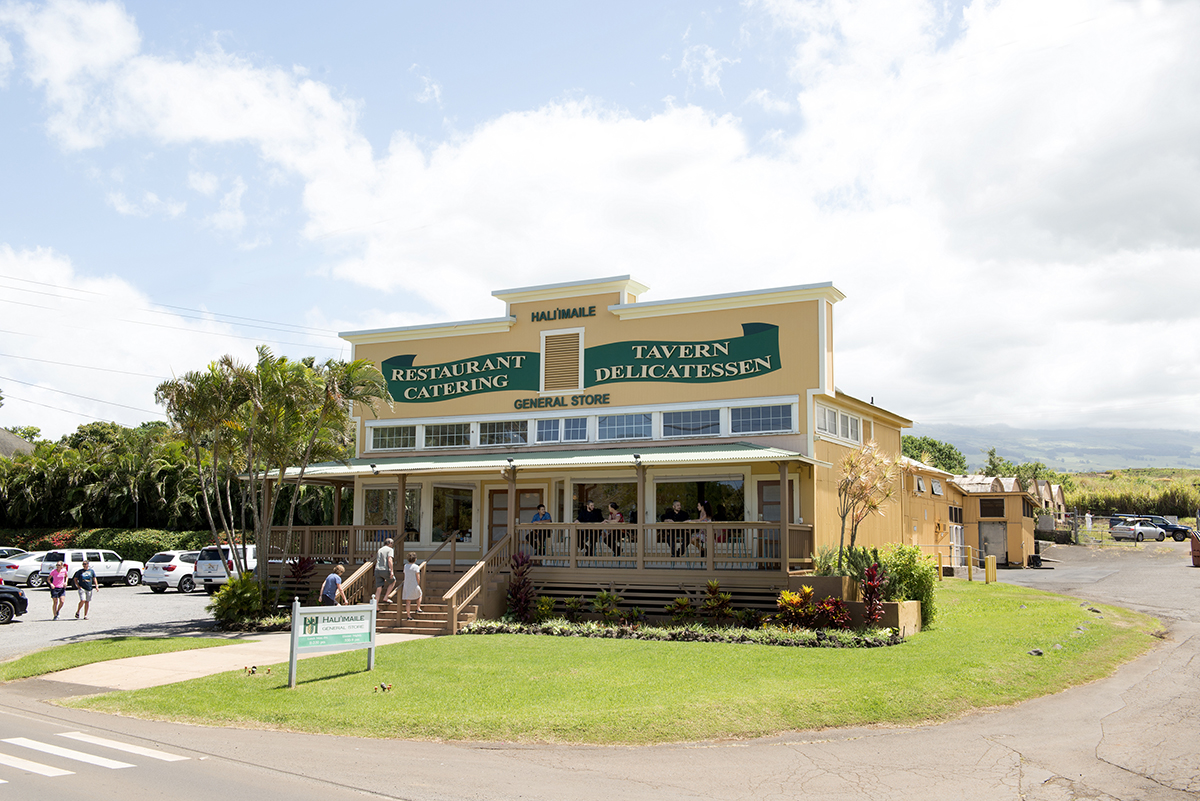
For generations, sugarcane shaped Hawaiʻi’s economy, communities and landscape. But that history also left behind contaminants that can remain in the environment for decades. Former agricultural areas may contain arsenic, lead, dioxins and other mixtures. Arsenic was historically used in pesticides and in canec, a sugarcane-based construction material once widely used in Hawaiʻi homes and buildings. The concern is not only what remains in the ground, but what happens when these hazards are spread by flood or wildfires.
The 2023 Maui wildfires burned homes, buildings and infrastructure in communities with a long agricultural history. Researchers want to understand whether intense fires can disturb contaminants that have remained in soil or older structures for decades, creating new pathways of human exposure.
“Hawaiʻi has environmental exposures that are deeply connected to our history, but we still know remarkably little about what they mean for health today,” Maunakea said. “MauiWES gave us an unprecedented window into what happens to health after a major wildfire. Now we can build on that foundation to ask a bigger question: Are pollutants left in our environment decades ago still affecting people today, and can disasters bring those risks back to the surface?”
MauiWES to a statewide environmental health study
The new cohort will build on the infrastructure, community partnerships and scientific foundation developed through MauiWES while expanding the research beyond wildfire exposure alone.
Over five years, researchers plan to enroll 1,000 people across four groups: people with little-known exposure to wildfire or legacy pollutants; residents near former sugarcane lands; people exposed to wildfire but with lower expected exposure to legacy pollutants; and people exposed to both wildfire and legacy pollutants.
Researchers will combine soil and water testing, biological samples, heart and lung assessments, community-engaged citizen science and geographic mapping to answer important questions: What is in the environment? Is it getting into people, and is it affecting their health? They will examine outcomes including lung function, blood pressure and inflammation.
“Wildfires can burn homes and infrastructure and disturb contaminants that have been sitting in our environment for generations,” Juarez said. “By connecting environmental samples with what we find in people’s bodies and their health, we can begin to understand that full chain of exposure. This can help us design approaches to mitigate such exposures and improve the health of our community.”
Finding Hawaiʻi’s hidden contamination with national implications
One major goal is to identify potential contamination hotspots near former sugarcane areas and determine whether people living near those areas have higher levels of pollutants in their soil, water or biological samples. Researchers will then examine whether those exposures are associated with poorer heart and lung health and whether legacy pollutants help explain some of the health effects associated with wildfire exposure.
“Most environmental health studies look at one exposure at a time,” Lee said. “But communities experience many exposures together. Hawaiʻi gives us an important opportunity to understand what happens when a major disaster occurs on top of decades of existing environmental contamination.”
The implications extend far beyond the islands. Across the US, wildfires are increasingly reaching communities where homes, vehicles, industrial materials and historical contamination can all become part of the disaster environment. The researchers hope the study can ultimately help Hawaiʻi identify where contamination remains, who may be most exposed and what can be done before the next disaster occurs—while providing a model for other communities facing similar risks nationwide.
Sponsored Content