Maui News
DOH updates food safety code: What businesses should know
A
A
A
The Hawaiʻi Department of Health (DOH) has updated the state Food Safety Code, effective Aug. 24, 2025, with changes that affect homemade food producers, restaurants and long-term care facilities. The updates were adopted in the Hawaiʻi Administrative Rules, and align the state code with the 2022 US Food and Drug Administration (FDA) Model Food Code.
Homemade Food Changes
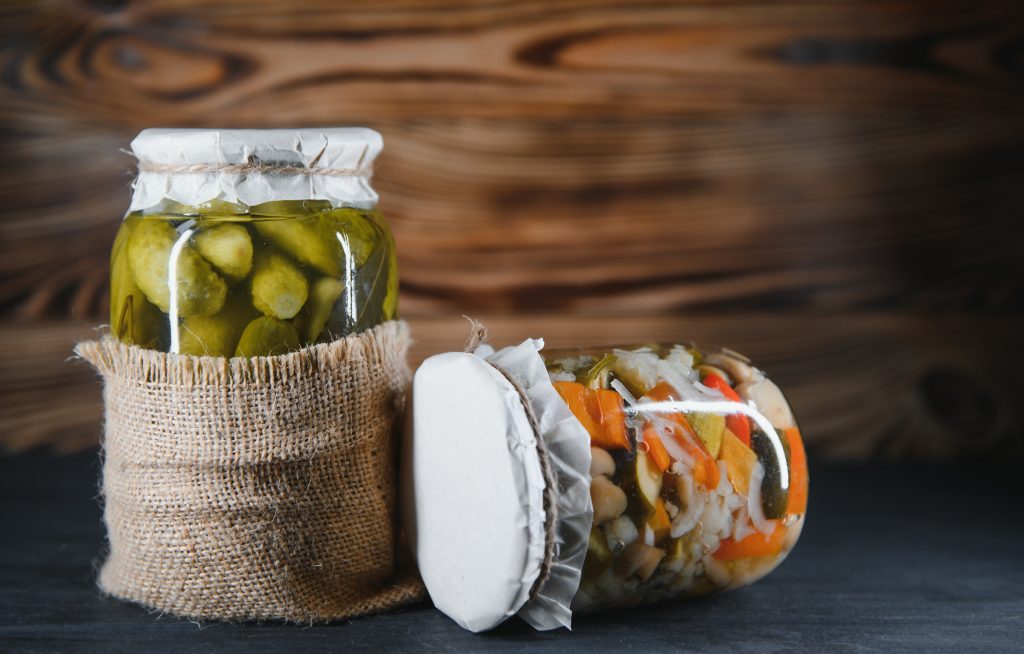
- The definition of “Homemade Food” now includes pickled, fermented or acidified plant-based products with a pH at or below 4.2 or a water activity level at or below 0.88.
- Producers can legally sell non-temperature controlled products to third parties and wholesale buyers.
These changes expand opportunities for small food businesses under Act 195, which was approved in the Hawaiʻi State Legislature in 2024.
Allergen Labeling
- Sesame is now officially recognized as the ninth major food allergen by the federal government.
- Food establishments must inform customers in writing (e.g., signage, table tents, menu boards or handouts) if any of the nine major allergens are used.
Pets in Outdoor Dining
- Under the new rules, pet dogs may now join diners in outdoor lanai areas, provided they do not pass through the interior of the restaurant. Previously, only service animals were allowed.
Long-Term Care Facility Flexibility
- Operators serving highly susceptible populations may provide raw or undercooked foods to residents upon request, such as rare steak, provided residents acknowledge the risk of foodborne illness.
- The previous Food Safety Code prohibited serving raw or undercooked foods to these populations.
The updated version of HAR §11-50 is available here.
ADVERTISEMENT
ADVERTISEMENT
Sponsored Content
[sponsored_content_rotator]




Subscribe to our Newsletter
Stay in-the-know with daily or weeklyheadlines delivered straight to your inbox.
Comments
This comments section is a public community forum for the purpose of free expression. Although Maui Now encourages respectful communication only, some content may be considered offensive. Please view at your own discretion. View Comments