History & Culture

Hawaiian Moment: ‘Lauʻī pekepeke — Short-leaved ti plant’
Play
Listen to this Article
1 minute
Loading Audio... Article will play after ad...
Playing in :00
A
A
A

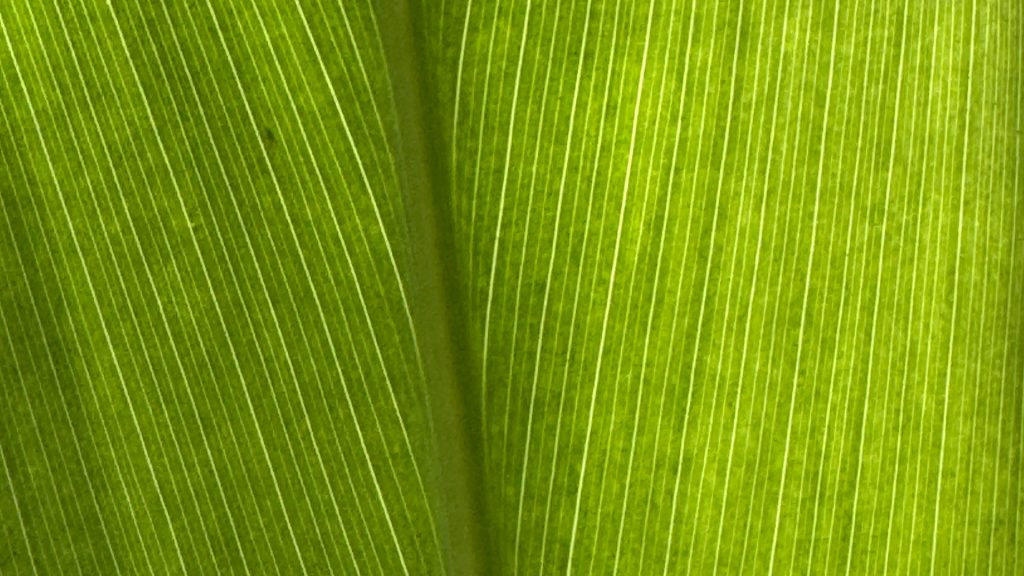
Green ti. PC: Wendy Osher

Lauʻī pekepeke – Short-leaved ti plantʻŌlelo Noʻeau: An insult applied to the kauwā (outcasts). Like small-leaved ti, they werenʻt of much use. Longer leaves were better liked because they were useful as food wrappers.

Kī – Ti is a wooded plant from the lily family.

Lauʻī also Lāʻī – leaf of the ti plant, which is a contraction of the two words lau and kī.

ARTICLE CONTINUES BELOW AD

Kī is native to tropical Asia and Australia, and should not be mistaken with the drinkable type called tea.

Besides green-leaved tis, which rarely fruit, many ornamental varieties are grown in gardens having leaves wide to narrow, large to small, the colors purple, crimson, scarlet, rust, pink, or green, striped or plain. 
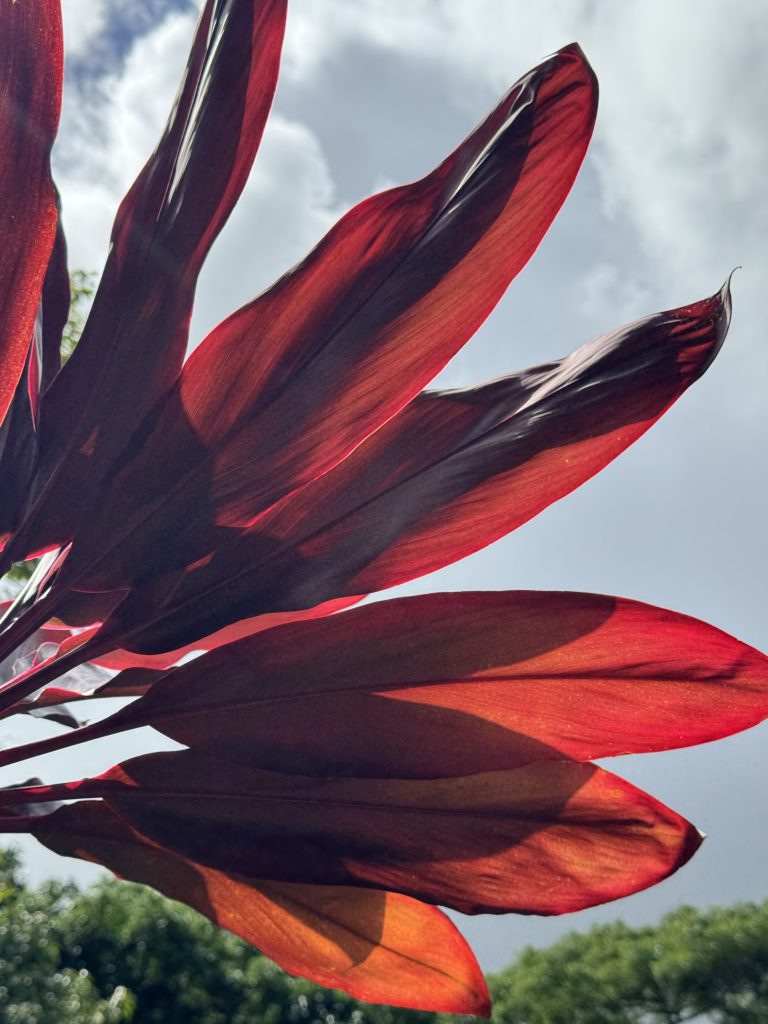
Red ti leaf. PC: Wendy Osher

Listed are some of the many uses of the parts of the kī.

ARTICLE CONTINUES BELOW AD

Lāʻi or ti leaf 

  • Cooking –  used to wrap meet and and lūʻau when steaming laulau, used as flavor and protecting food when cooking in an imu, and used to wrap prepared food in bundles.
  • Daily uses – Thatching for houses, to make slippers, to make raincoats, dried leaves are tied to the rope used in the hukilau, and for healing powers.
  • Ceremonial – Hula skirts, wrap offerings for hoʻokupu, haku or wili lei and used to bless people, places, or things as it represents protection.
ARTICLE CONTINUES BELOW AD

The root was cooked and eaten or distilled to create a type of brandy.

What other uses do you know of for kī or lāʻī?

Kawika Freitas
Kawika Freitas started working at the Old Lahaina Lūʻau as the General Manager in 2008 and is currently the Director of Public and Cultural Relations.

His Hawaiian cultural knowledge began as a demonstrator at the Puʻuhonua o Hōnaunau National Historical Park in South Kona. He is a four-year student of Hawaiian language at Kamehameha Schools Kapālama, hula dancer for Hālau Nā Wai ʻEhā O Puna / Ke Kai o Kahiki, and holds a certificate of completion for the Hoʻokipa Me Ke Aloha course through Kapiʻolani Community College.

Over a three-year period at the Old Lahaina Lūʻau, Freitas researched and wrote articles for his employees to better their knowledge of Hawaiian culture, Hawaiʻi history, and people and places. He graciously offered to share his writings for Maui Now readers.
Read Full Bio
ADVERTISEMENT

Sponsored Content

Subscribe to our Newsletter

Stay in-the-know with daily or weekly
headlines delivered straight to your inbox.
Cancel
×

Comments

This comments section is a public community forum for the purpose of free expression. Although Maui Now encourages respectful communication only, some content may be considered offensive. Please view at your own discretion. View Comments