 Hawai'i Journalism Initiative
Maui lawyer creates web series in Ilocano to help the Filipino language flourish
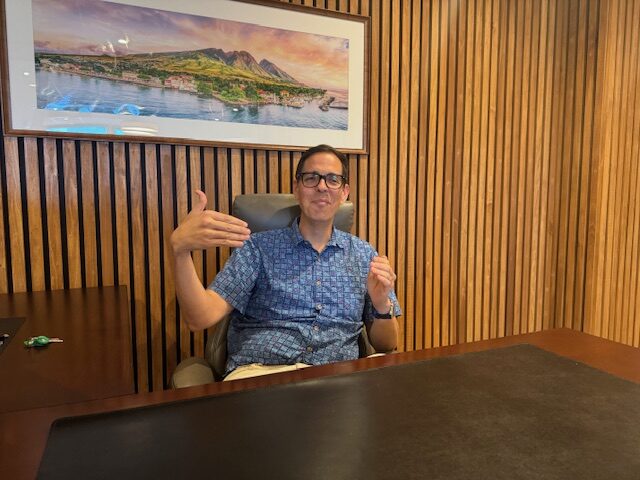
While growing up on Maui, lawyer and filmmaker Lance Collins did not speak Ilocano, the mother tongue of the majority of the people from the Philippines living in Hawai’i.
Collins, who is Filipino from his mother’s side of the family, learned the language through his studies at the University of Hawai’i at Mānoa, where he earned a Ph.D in Filipino studies.
His affinity for the language led him to teach in the Ilokano Language and Literature Program at UH during the 2017-18 academic year. And, it has been useful in his law practice, in which he works with many Ilocano speakers on Maui and in the Philippines, sometimes doing simple interpretation for them in court.
Collins wants to do his part to keep the language flourishing and not become extinct, as is the case for one or two of the 110 Filipino languages every year, saying: “The more minority languages are able to be used as the medium of communication in popular mass audience media, the more likely a language will persevere and survive. That is true for Ilocano as it is for Hawaiian.”
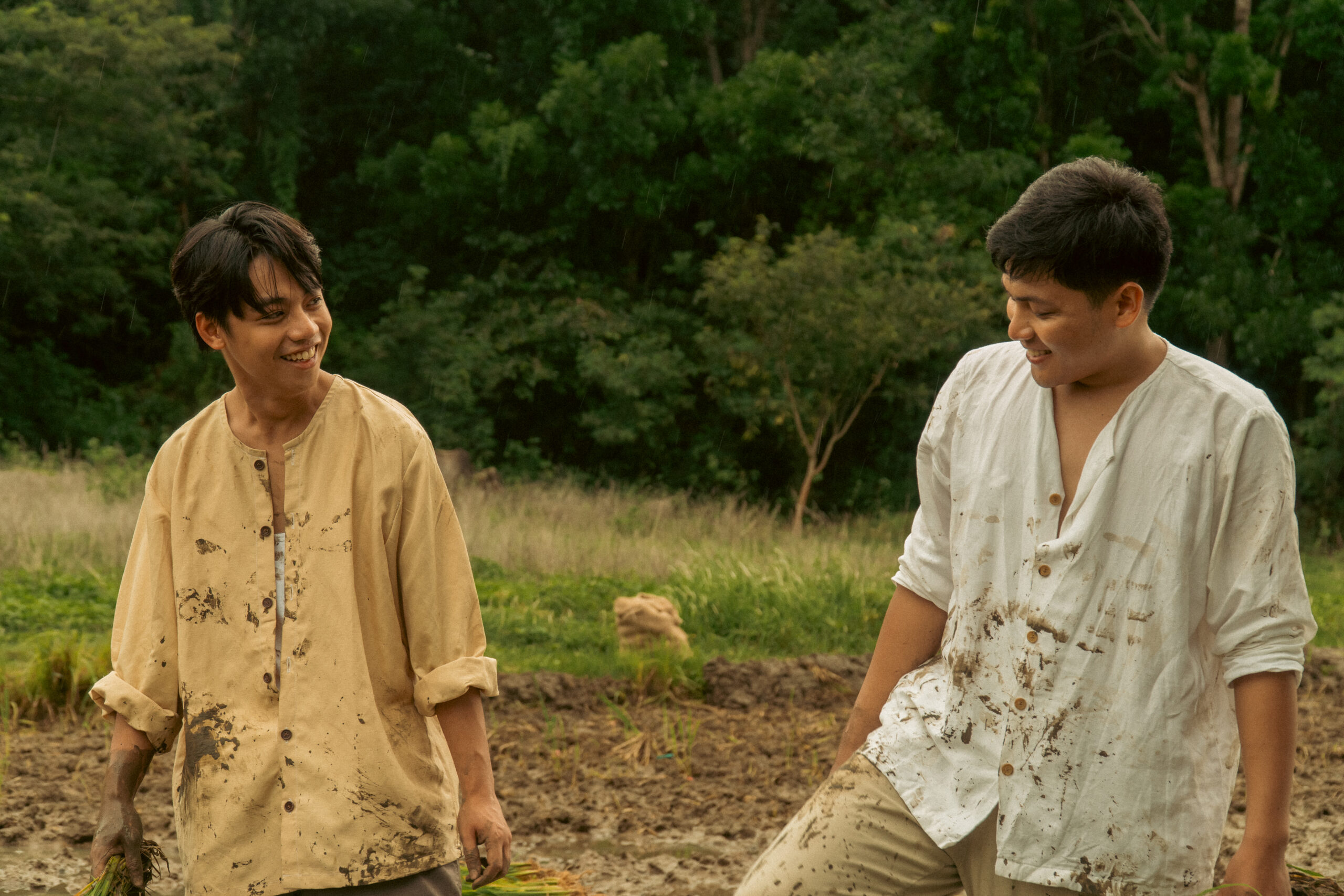
That is why he kept a promise to himself to make his ninth film, “All The Things I Leave You (Patawid),” entirely in Ilocano. It is a heartwarming, six-episode melodrama about two boys in love and deeply rooted in the history of Maui sugar plantations.
The series debuted Oct. 13 at NewFest, New York’s LGBTQ+ Film Festival. Earlier this month, it also was shown at the Africa International Human Rights Film Festival in Nigeria and the Tianjin International Academic Film Festival in China. And the trailer of the series has been viewed more than 4.4 million times on YouTube.
While “All The Things I Leave You” is filmed in Ilocos, where the story begins in modern times, the series of six 30-minute episodes includes many scenes depicting characters working at Maui’s sugar plantations in the 1940s.
“The overwhelming majority of Filipinos in Hawaii are Ilocano,” Collins said. “Tagalog became the language of instruction and national media in the last 40 years,” when Tagalog and English were adopted as the official government languages of the Philippines in 1987.
But Collins said “there are (Ilocano) people who are over 70 and older who don’t know Tagalog at all.”
Collins’ breakthrough production “My Partner” was filmed entirely in West Maui just prior to the deadly wildfire in 2023. He had wanted to do the film in Ilocano, but when he put out a casting call in Hawaiʻi seeking Ilocano speakers, there were simply not enough who answered.
He explained while many Filipinos in the state are of Ilocano descent, most do not speak the language.
Instead, Collins did “My Partner” in Tagalog. The film’s success led him to commit to doing “All The Things I Leave You” in Ilocano “as sort of my penance.”
Collins said his research shows the only commercially released film done in the Ilocano language was “Karayo” in 1940.
An article in the Honolulu Star-Bulltein at the time said the film was shown at the Princess theater. “About 1,200 Filipinos, some of whom had come from the plantations, crowded the theater doors, as early as 8:30.”
Collins said most of the sugar workers from the Philippines came from Ilocos.
“So Hawaiʻi is sort of known as this Ilocano place,” he said. “And there are no (film) stories at all about any of that.”
Colliins began writing the short story that evolved to “All The Things I Leave You,” about 15 years ago, getting the idea after his grandfather gave him a box of love letters and family photos when his grandmother died.
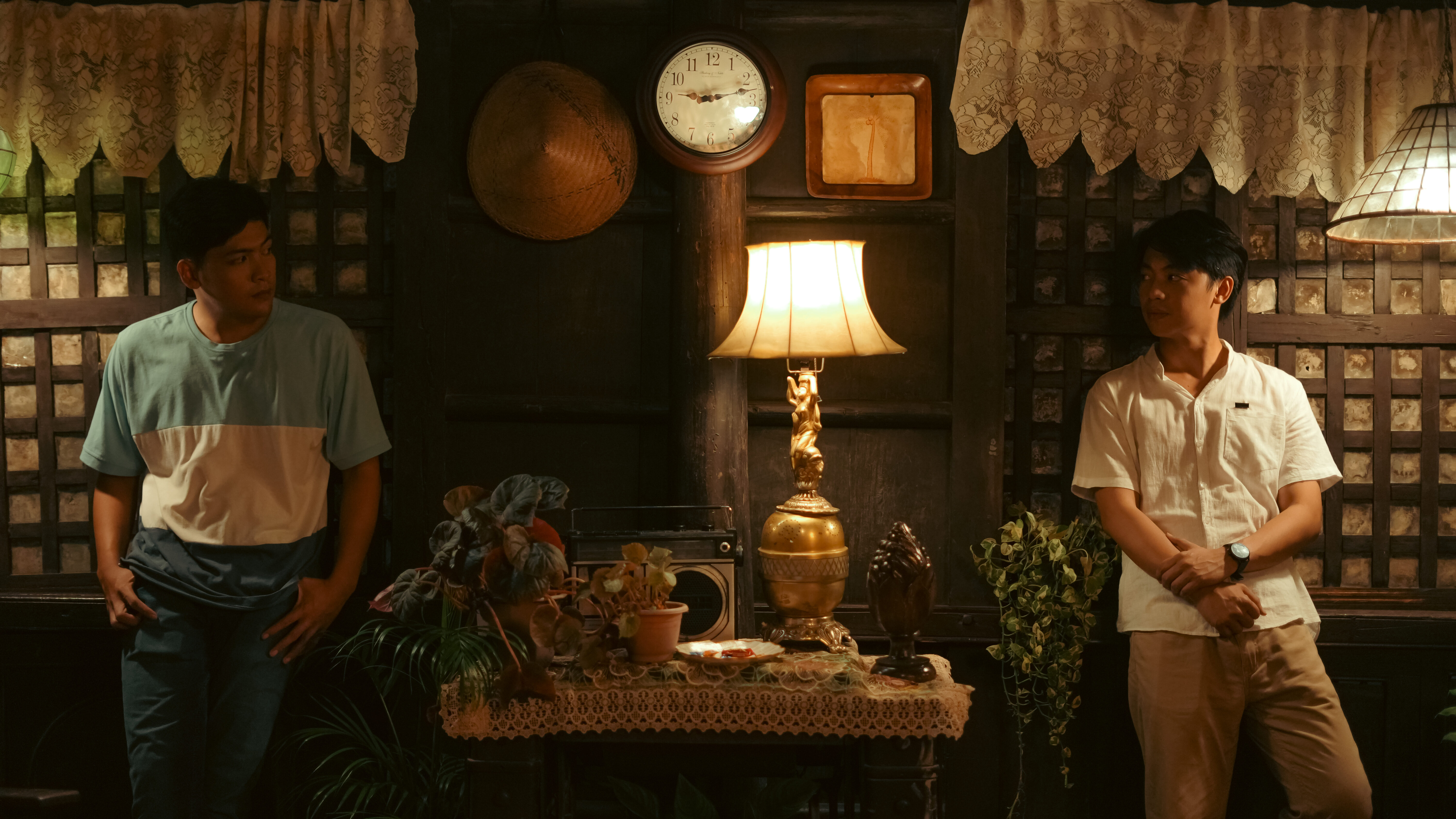
The series that was written and produced by 45-year-old Collins begins in the Philippines in modern times at a family-run restaurant in San Nicolas, Ilocos Norte, when Jorge, a privileged rich kid, is forced to work alongside Kiko, a street-smart newcomer hired by Jorge’s grandfather, Tino.
When Tino suddenly dies, Kiko and Jorge discover a hidden cigar box filled with unsent letters and photographs revealing a decades-old love story between Tino, a retired sakada (the term for sugar plantation workers), and his best friend Bong that began in Ilocos in the 1940s.
“It was a bond shaped by migration, forgetting and sacrifice,” Collins said. “As Jorge and Kiko piece together this lost history, their own relationship begins to shift. Set across generations and rooted in Ilocano culture, the series is a quiet exploration of class, intimacy and the legacies we inherit — and choose to carry forward.”
The series was filmed over 15 days in the Ilocos region of the Philippines in May 2024. The majority of the $250,000 in funding for the project came came from the Hawaii Institute for Philippine Studies, while the HK West Maui Community Fund and North Beach-West Maui Benefit Fund also contributed.
The success of “My Partner” helped Collins land prominent director Jade Castro and producer Kristine De Leon, as well as notable actors Benedix Ramos (Jorge) and Justin Paul Basobas (Kiko) for “All The Things I Leave You.” Joseph Daoang, a Baldwin High School alumnus, served as the Ilocano language expert/supervisor of the series.
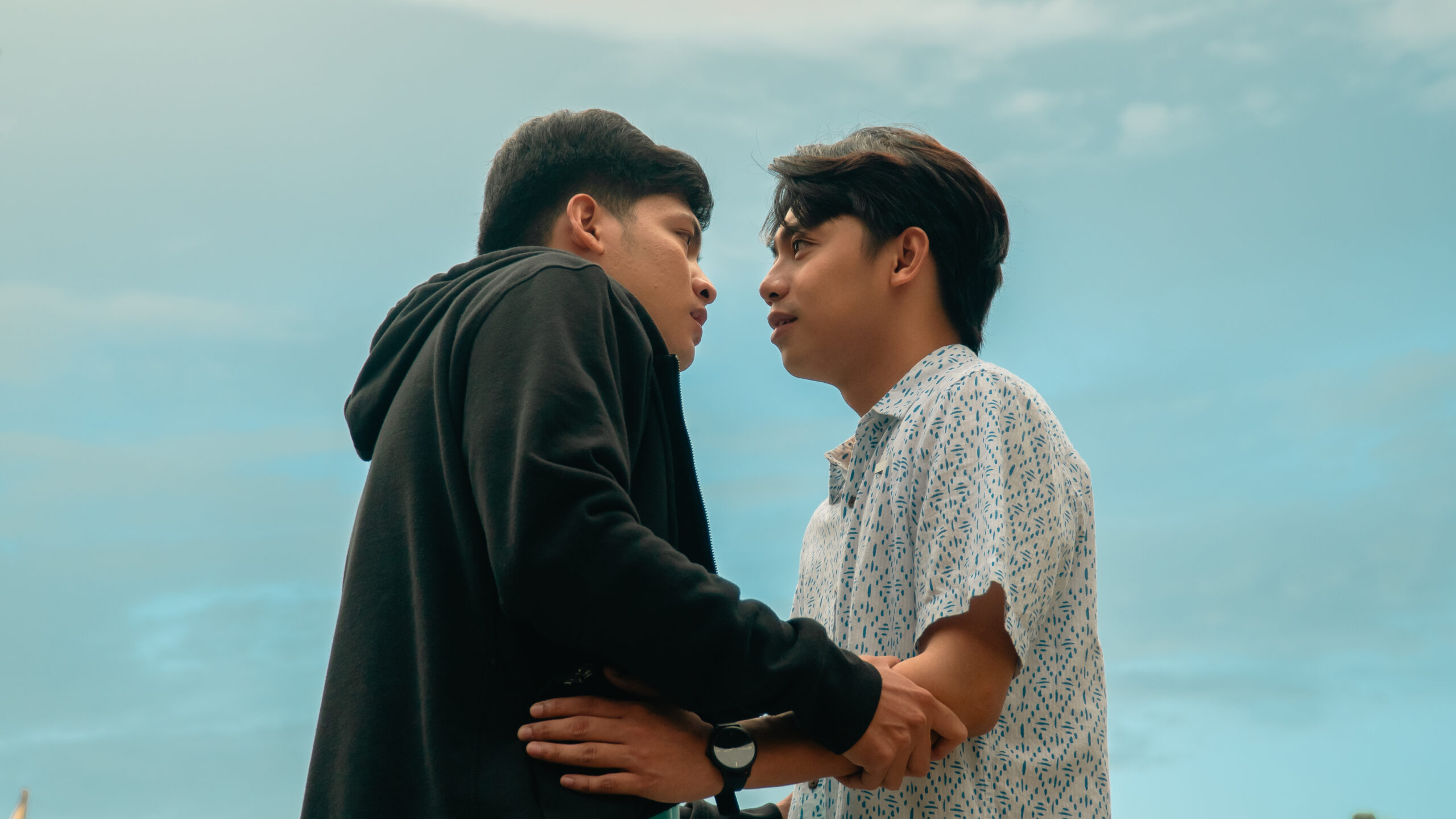
The genre for both of Collins’ latest projects are Boys’ Love that has been made popular in Japan and the Philippines.
Castro said in an email to Hawai’i Journalism Initiative on Friday that it was important to film the project in the Ilocos region.
“I’ve always seen the project as about a place and a people,” Castro said. “There was really no other way to do it other than in the Ilocano language.
“In fact the first time Lance approached me about the project, my first question was whether I was the right director for it because I don’t speak Ilocano myself. So it was really important for me to collaborate with people and artists who do speak Ilocano and make sure it’s the voice of the place that is heard, not necessarily my own.”
Ramos said the project played on his heartstrings.
“This means a lot to me on a very personal level,” Ramos said in an email from the Philippines. “I grew up in Northern Luzon where Ilocano is deeply woven into everyday life. I may be half Pangasinense and Kapampangan, but spending 10 years in Baguio really shaped me — Ilocano became a language of home, of connection.”
Ramos added, “To speak (Ilocano) again through a project like this feels like coming full circle. I’m honestly just grateful and honored to help promote the language and culture of the Ilocanos in any way I can.”
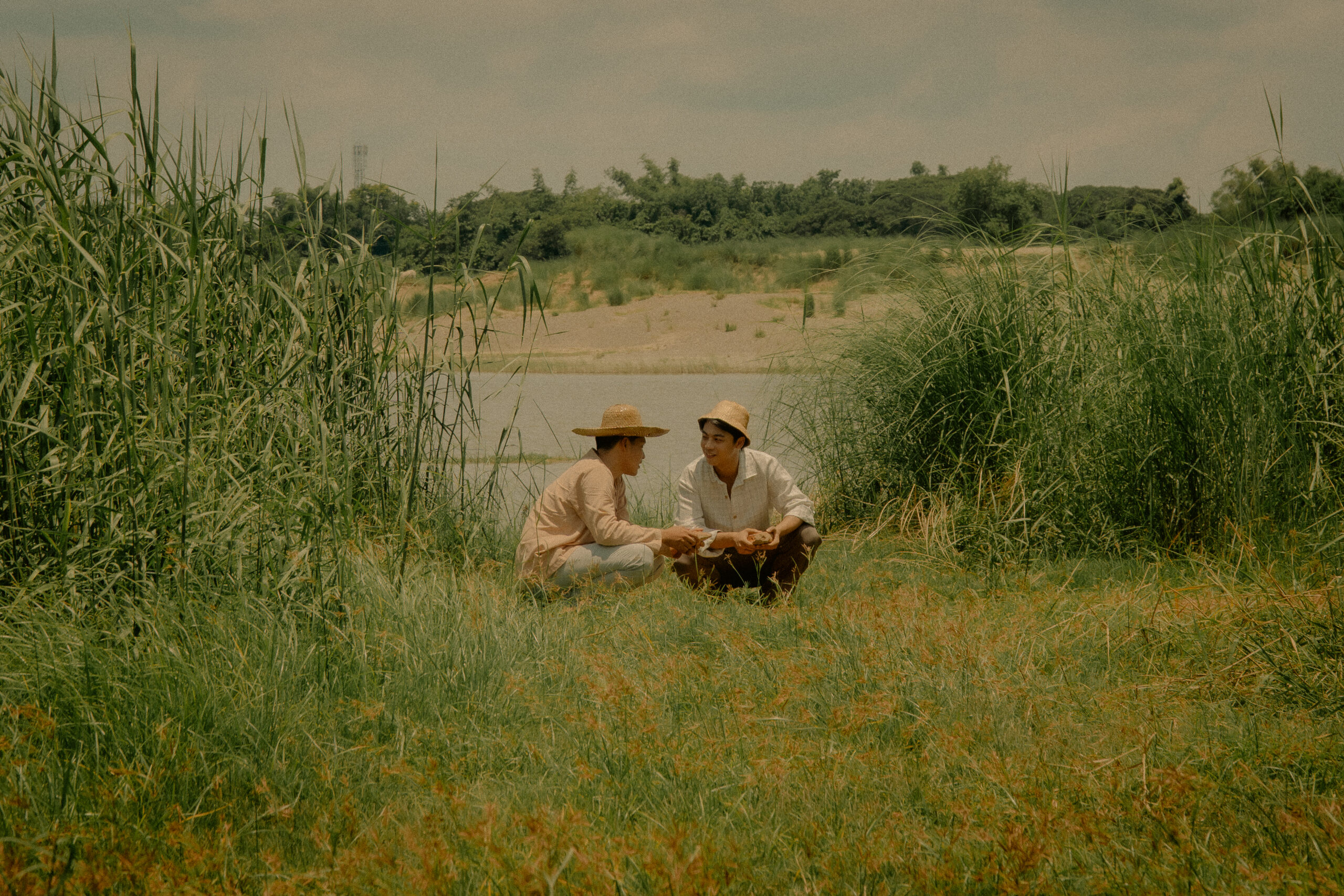
De Leon said in an email from the Phillipines that the Boys’ Love genre is a powerful force in the Asian film community, showing one reason why the trailer has been viewed so many times.
But she added that the Ilocano culture is the strongest reason for the popularity of the trailer that dropped on Nov. 5.
“More importantly, the trailer offers something refreshing, a genuine representation of a specific culture and language,” De Leon said. “With an estimated 8 million native Ilocano speakers in the Philippines, seeing their language and identity reflected on screen resonates deeply, not only with Ilocano audiences but also with viewers who are eager for diverse and authentic stories.”
De Leon added, “It always amazes me that material using a language not commonly heard in the mainstream market can still be widely appreciated.”
Ramos said the 4.4 million views of the trailer shows that the Ilocano culture is alive and well, especially given the opportunity to hear a story told in their language.
“It shows how powerful representation is,” Ramos said. “The creatives did an incredible job, and at the same time, it reflects the strength and size of the Ilocano community. People saw themselves in it — the language, the faces, the story. I hope those views turn into real support, not just for this series, but for more stories rooted in our own cultures.”