 Hawai'i Journalism Initiative
With ‘tougher session’ ahead, Maui Nui lawmakers strategize on seeking funding for fire recovery, housing
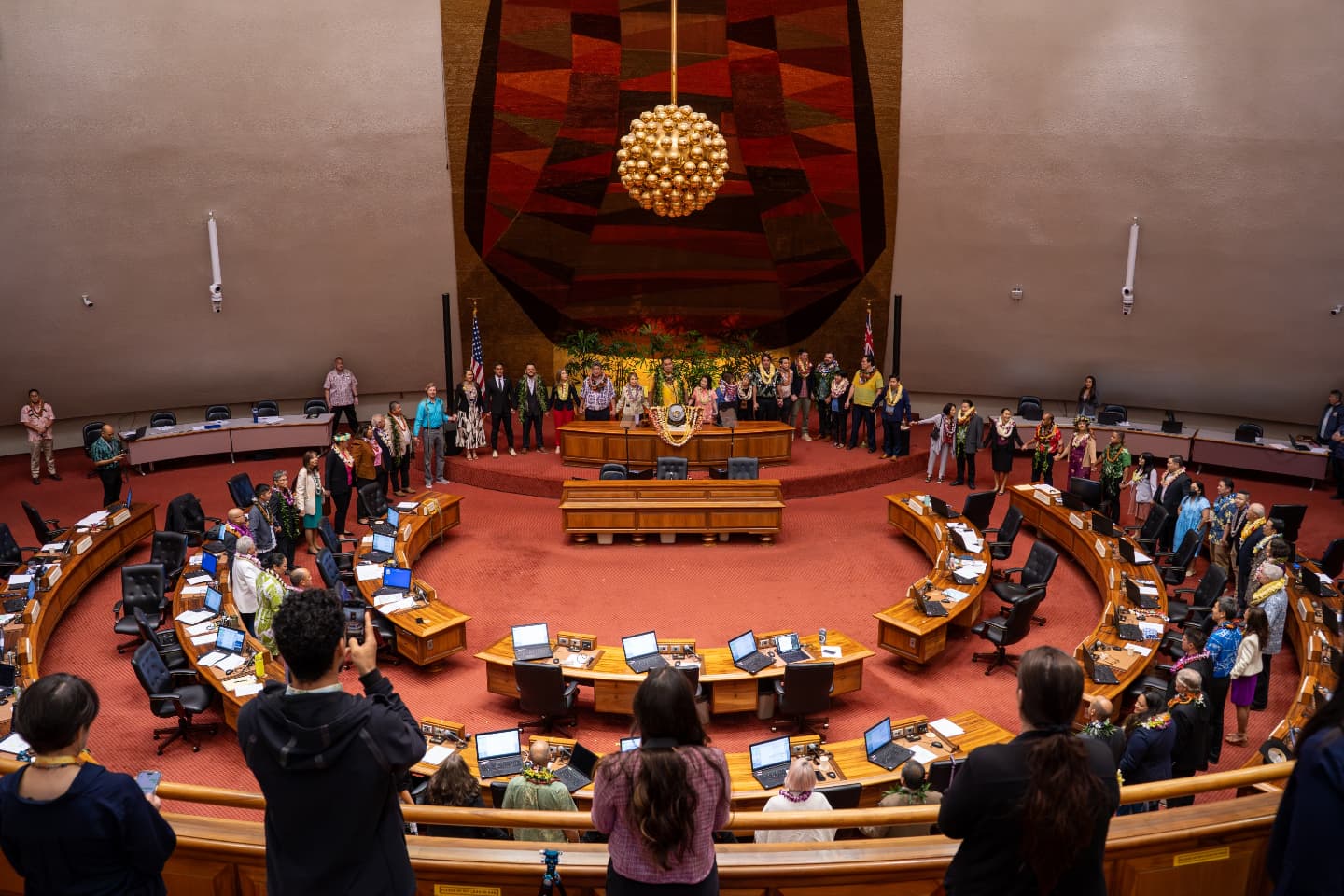
As the 2026 Hawaiʻi State Legislature session kicks off today, funding to rebuild public projects like Lahaina’s Front Street Apartments and measures to boost the local economy will be among the priorities of Maui Nui’s state lawmakers.
The nine Democratic lawmakers who represent Maui, Moloka‘i, Lāna‘i and Kaho‘olawe will spend the next four months debating bills and shaping the state’s budget at a time when Hawai‘i’s economy is sliding into a mild recession and some “fatigue” is growing over the recovery from the 2023 wildfires.
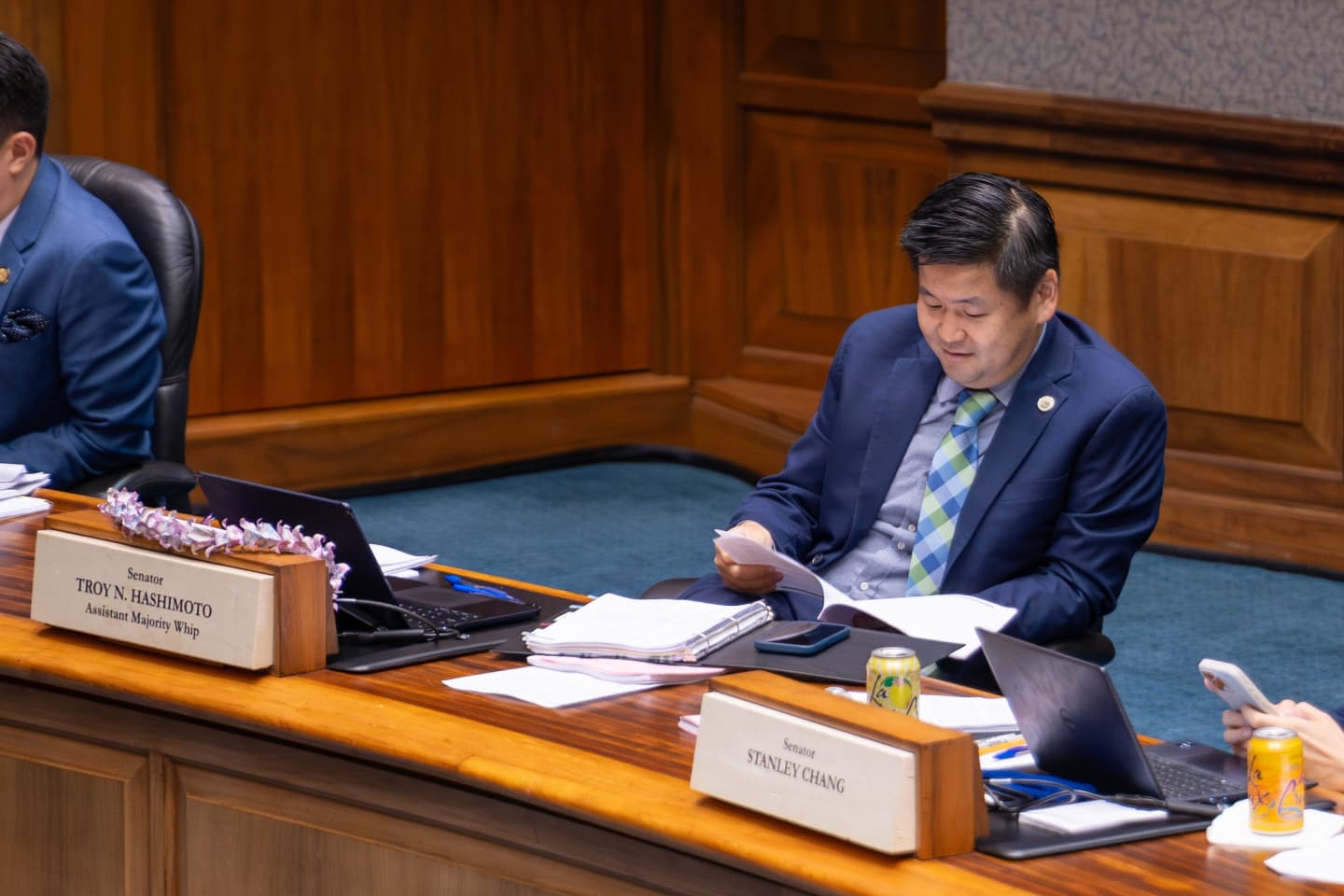
“It’s going to be a frankly tougher session,” said Sen. Troy Hashimoto, who represents Central Maui and serves as assistant majority whip in the Senate.
The major reason, he said, is the slowing of tourism creating a tighter state budget.
That means state lawmakers representing Maui County will have to be strategic, focusing on projects that are closer to reality and areas where the state can fill the gaps in between the $1.6 billion in federal disaster relief funding that the county received last year, Hashimoto said.
For example, the state owns the land where the former Front Street Apartments with 142 affordable units once stood in Lahaina. With project developers moving forward with plans to rebuild, Hashimoto said “we’re about at the phase where we need to get funding” and he hopes to do so this session. He pointed out the apartments would be the first large-scale development in the heart of the burn zone.
The state also eventually needs to fund the rebuilding of the Lahaina Public Library and King Kamehameha III Elementary School, both former state facilities.
But Hashimoto said “there is a little bit of fatigue” for legislators on other islands to continue to fund recovery initiatives for wildfires that happened nearly 2 1/2 years ago.
“I think we will really have to gauge the appetite,” he said, adding the focus should be on “strategic components that the state can add value.”
Part of that strategy is finding other funding sources. Sen. Angus McKelvey, whose district includes West and South Maui, said lawmakers plan to introduce a bill that would raise the ceiling of the state’s risk management revolving fund so insurance claim payouts could be put toward rebuilding facilities like the library, the elementary school and the harbor.
Now, the ceiling of what can be spent is nearly $26 million. But the state expects the fund, which is currently at $125 million, will grow to $211 million as more insurance monies come in, McKelvey said.
The ceiling is so low because the state likely has never faced a disaster with this level of insurance claims before, McKelvey said. If the ceiling were raised, the bill also would call for a master list of projects to track how the funds are being used and ensure there is no duplication.
The revolving fund is separate from the state’s general funds, and McKelvey said that would leave “traditional capital improvement” funding for other projects. He said lawmakers in other districts “have been super supportive of Lahaina” and let their projects take a back seat in the first two years of the recovery.
On Maui, one project not related to fire recovery that lawmakers hope will get funding is a wastewater treatment plant in Central Maui. Hashimoto said this would help support the full buildout of the Waikapū Country Town project, which will include more than 1,400 housing units and a new elementary school.
While a wastewater plant “doesn’t sound very exciting, it’s critical for the future of housing development in Central Maui, because that’s going to, at some point, be the bottleneck for development,” Hashimoto said.
Speeding up the building of housing is a core issue. Hashimoto said lawmakers plan to propose a bill that would launch a pilot program to help the Hawai‘i Housing Finance and Development Corporation expedite its own projects through “the power of coordination financing and being able to make some decisions on their projects that usually take a little longer.” Dubbed Hawai‘i Builds, it would be modeled off a program used in British Columbia that brings together landowners and developers to build housing on low-cost land in 12-18 months with financing assistance.
Another measure would allow the counties to increase pay for permitting staff in hopes of attracting more people to help cut down on wait times, which are among the worst in the nation.
Hashimoto said lawmakers also are watching to see if the Federal Emergency Management Agency decides to extend housing assistance for Lahaina fire survivors, which now is slated to end on Feb. 28.
McKelvey said options could include the state taking over Kilohana, the 167-unit temporary project built by FEMA. He said “there’s a strong commitment” on both the state and county side to see what can be done “to expand the safety net so that we can ensure that people in these programs are taken care of.”

As the Trump administration cuts funding and jobs at FEMA and other agencies, McKelvey said the state will have to look at how to protect its own programs and services.
Hawaiʻi Gov. Josh Green’s supplemental budget request to the Legislature in December is a reflection of those challenges, with funding to keep administering food assistance programs that were temporarily paused during the federal government’s shutdown last fall — and funding to maintain access to Medicaid as Congress wrestled over the extension of health care subsidies.
Last year state lawmakers approved $50 million in emergency grant funding for 95 nonprofits impacted by federal government cuts and the shutdown. Hashimoto said there will be another round of grant funding again this year.
“We have to really take a deep dive to see what are the federal impacts and what are we able to do, because the reality is it’s unfortunate the state and likely the county can’t supply everything that was reduced,” Hashimoto said. “And so I think we’re going to have to think more strategically on what is the future, and how do we make some of these programs more sustainable?”
Sen. Lynn DeCoite, who represents her home island of Moloka‘i as well as Lāna‘i and East Maui, said state lawmakers will be combing the budget to see where cuts or changes need to be made. She said making sure there is funding for people on Medicare is a major priority.
“You never know what the Trump administration is going to do, so you’ve just got to prepare,” she said.
That’s why lawmakers also will be honing in on economic development measures. Hashimoto said lawmakers are interested in getting the Kīhei Research and Technology Park involved in the enterprise zones program that offers tax incentives for businesses to invest in the local economy. Boosting the tech park could create more jobs and support the housing planned in the larger development surrounding the tech park known as Līpoa, he said.
DeCoite also wants to see tax credits to help spur film and sports tourism, pointing to the popularity of the Los Angeles Rams’ minicamp on Maui last summer.
“I believe it’s a much more palatable type of tourism within our islands and it has drawn huge attention,” DeCoite said.
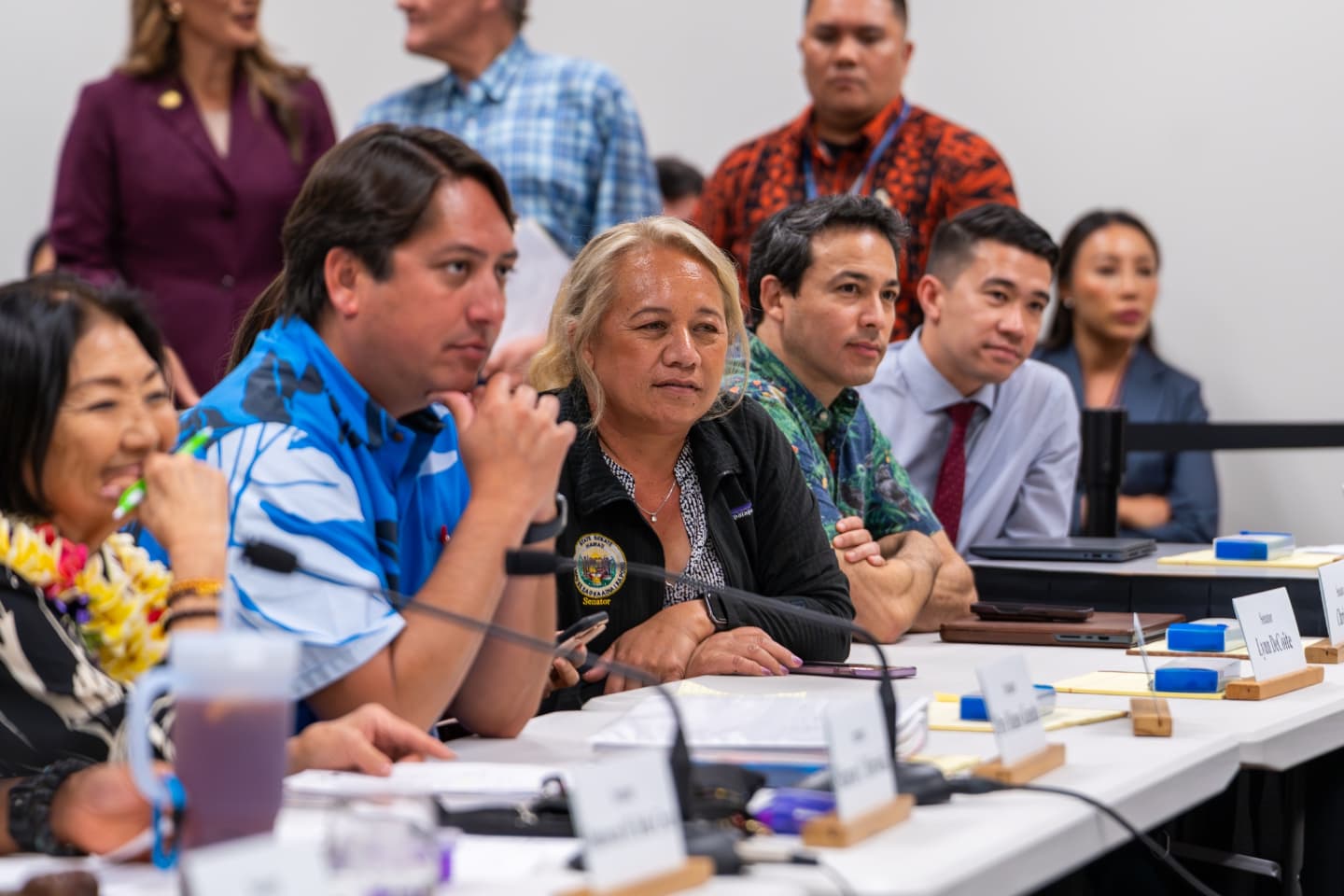
She oversees one of the most geographically expansive districts and said some of the priorities among the rural communities include fighting agricultural theft, which is a problem in Upcountry Maui and Moloka‘i.
Last year, the killing of an O‘ahu farmer by a trespasser on his property led to a new law that increased penalties for crimes on agricultural lands. DeCoite hopes to expand those punitive measures.
She also hopes to introduce a measure to make it easier for unlicensed teachers hired on an emergency basis to obtain their licenses. Emergency hires can work for three years while they work to get their license, but DeCoite said if there is any break or stop in their work, they have to start all over again. She said the bill would remove the three-year employment limit and help schools retain teachers, especially in rural areas where they’re hard to come by.
Even with the budget constraints, McKelvey said lawmakers will still “champion our asks.”
“As they say, a closed mouth doesn’t get fed,” he said. “So you got to ask, but at the same time, the strategy comes into prioritizing things.”
He said the Maui Nui lawmakers need the community to come in and testify about the priorities they want to see: “It makes our ability to be strategic a little less daunting.”