MACC presents Washi Transformed: New Expressions in Japanese Paper
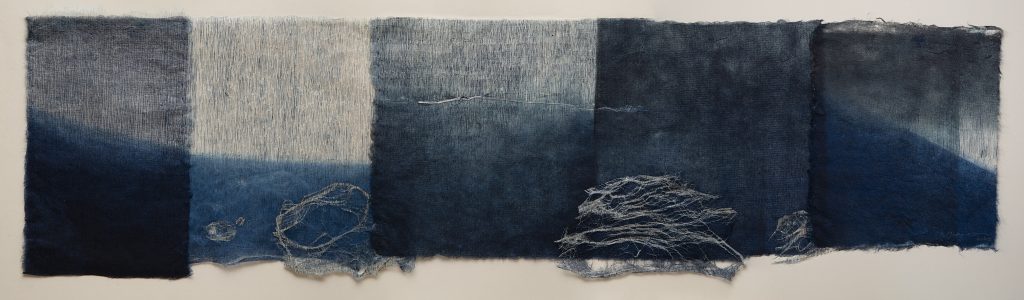
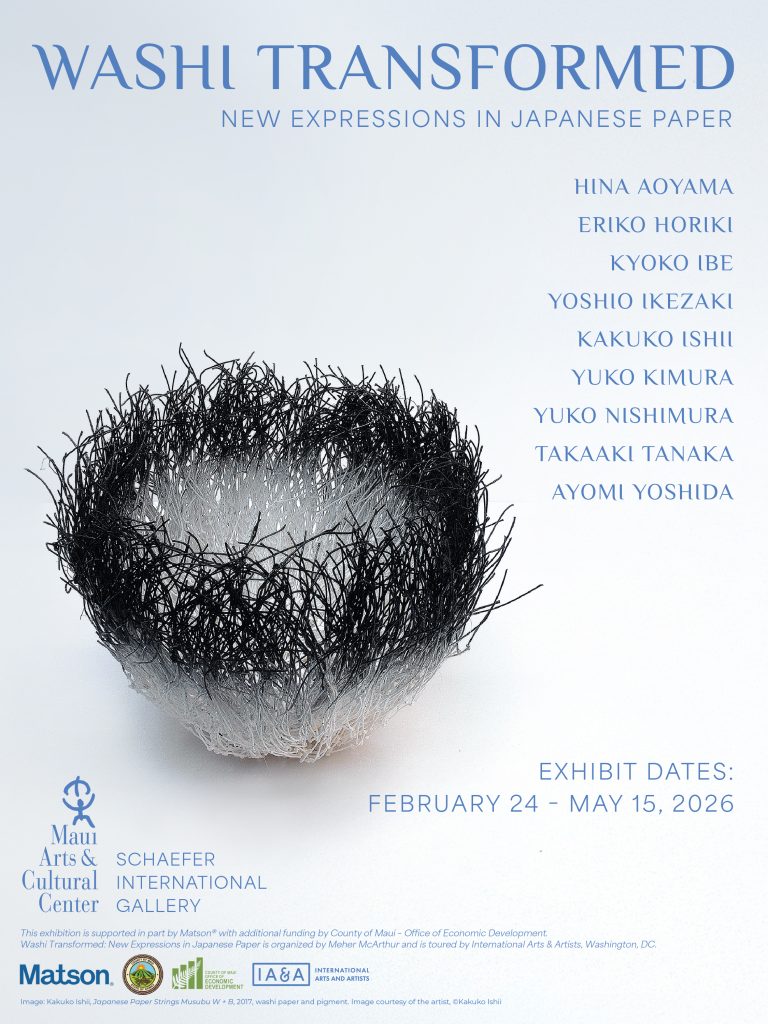
Maui Arts & Cultural Center presents the exhibition Washi Transformed: New Expressions in Japanese Paper in Schaefer International Gallery, showcasing the work of nine contemporary artists who explore the astounding potential of washi, or “Japanese paper.” The exhibition is curated by Meher McArthur and organized for tour by International Arts & Artists, Washington, DC. The gallery is open Tuesday through Saturday from 10 a.m. to 4 p.m. Admission is free.
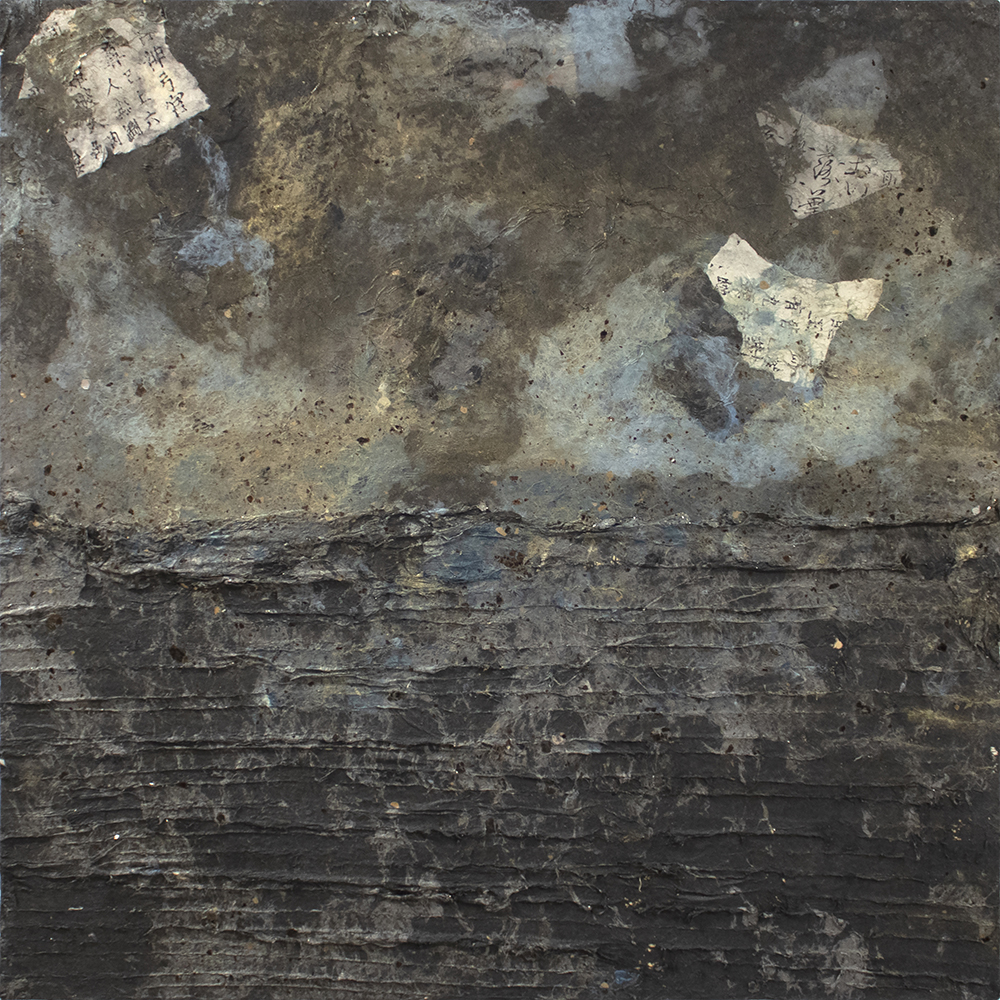
Washi Transformed presents over 30 highly textured two-dimensional works, expressive sculptures, and dramatic installations that explore the astonishing potential of this traditional medium. The exhibition features work by nine contemporary Japanese artists: Hina Aoyama, Eriko Horiki, Kyoko Ibe, Yoshio Ikezaki, Kakuko Ishii, Yuko Kimura, Yuko Nishimura, Takaaki Tanaka, and Ayomi Yoshida. These artists embrace the seemingly infinite possibilities of washi, underscoring the unique stature this ancient art form has earned in the realm of international contemporary art. The breathtaking creativity of these artistic visionaries deepens our understanding of how the past informs the present, building lasting cultural bridges out of something as seemingly simple and ephemeral as paper.
“These nine contemporary Japanese artists are revisiting their nation’s traditional material and elevating it into a medium for expressive and often spectacular works of art,” states exhibition curator Meher McArthur.
About the Artists
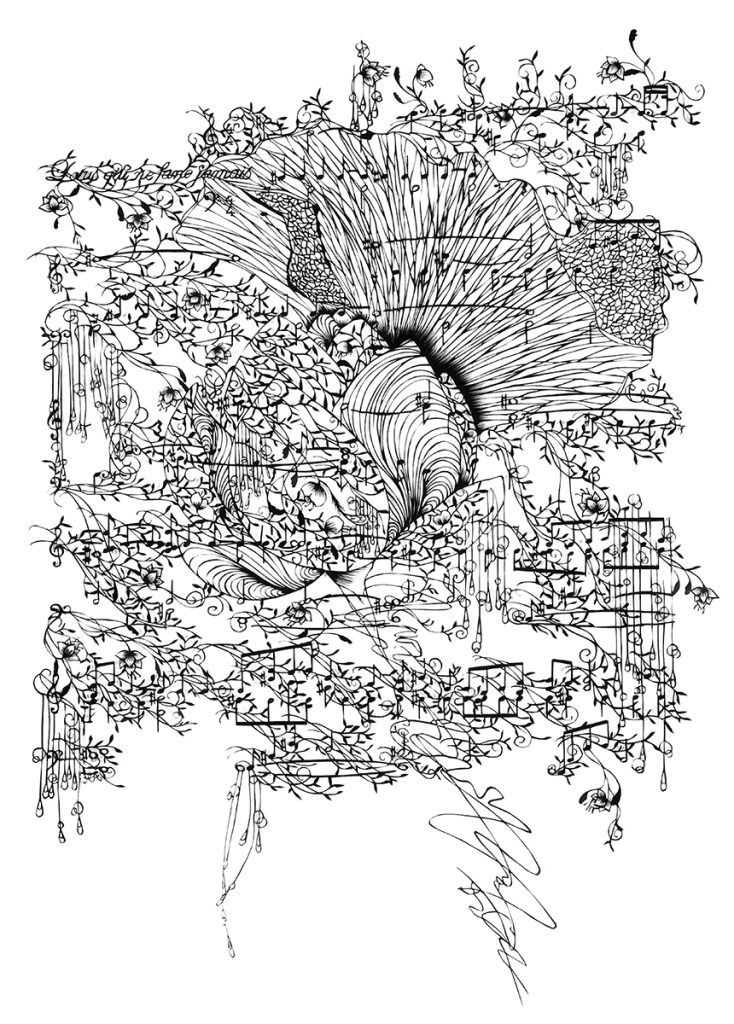
Hina Aoyama was born in Yokohama and currently lives in France. She has devoted herself to creating super-fine, lace-like cuttings that express concepts and imagery from different cultural traditions. Aoyama works with traditional origami paper, cutting out minute details using fine scissors and employing a meditative approach to forming her designs. Her subjects are drawn from sources as diverse as nature to the philosophy of Voltaire and the poetry of Baudelaire.
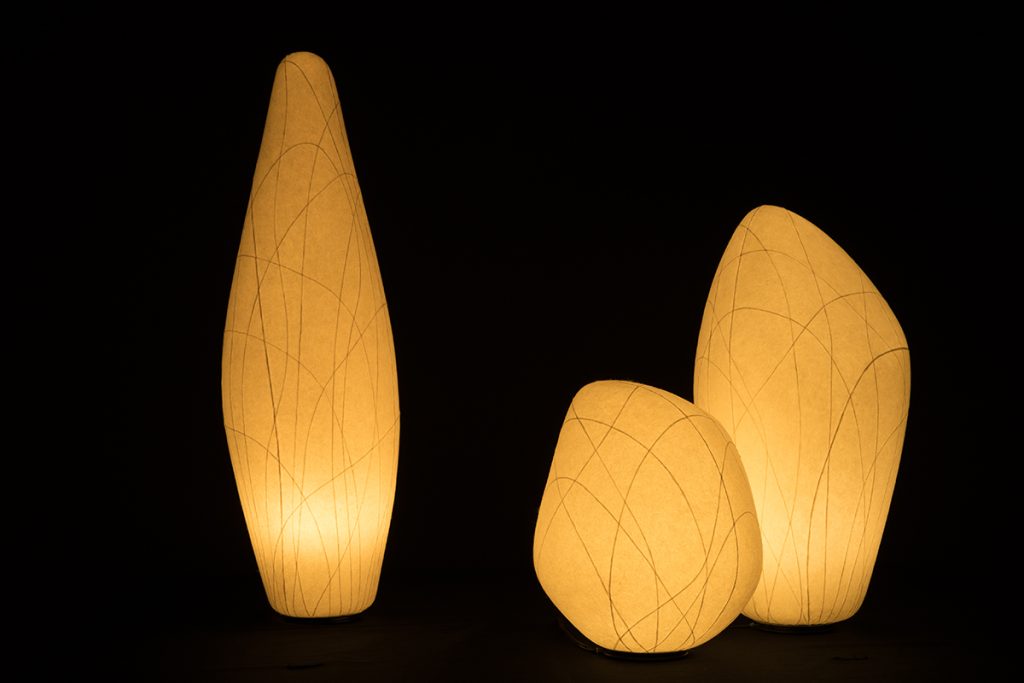
Eriko Horiki left a career in banking in her twenties to train in traditional washi papermaking, with the hope of not only mastering the skill but also preserving it for future generations. She has become widely admired for finding innovative ways to incorporate traditional washi paper into modern interior spaces. Horiki works with a team of artists to create large-scale sheets of exquisitely textured paper that form the walls, room dividers, ceilings, windows, and lamps of numerous public spaces throughout Japan.
Kyoko Ibe began working in washi as a medium for contemporary art in the 1960s, a time when the material was confined to traditional Japanese arts and crafts. Since the 1970s, she has received critical acclaim for pioneering large-scale paper artworks and for her technological experimentations that have pushed the limits of the material. She is Professor Emerita at the Kyoto Institute of Technology and Director of the non-profit organization, Koujitsuan, which organizes exhibitions and symposia related to folk art and paper research.
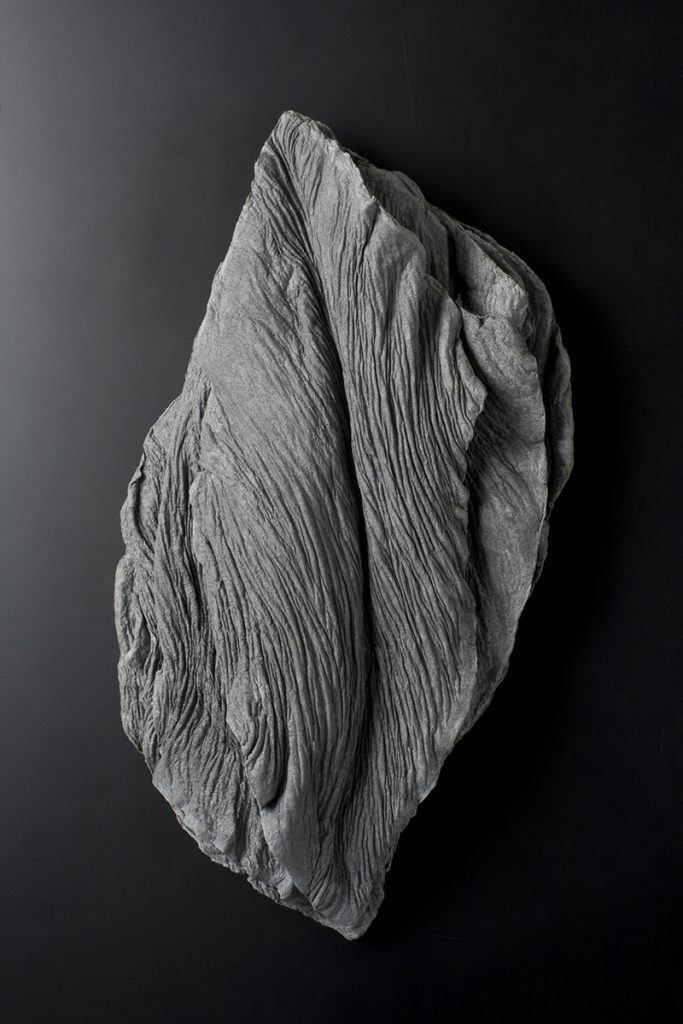
Yoshio Ikezaki was born in Kitakyushu and received a BA and MFA from Florida State University with a concentration in painting. He returned to Japan and intensively studied traditional paper making for six years with Shigemi and Shigeyuki Matsuo, master papermakers in Yame, Fukuoka. Since 1986, he has been living both in the US and Japan, working as a washi artist and a professor of art in both countries. Ikezaki makes his own washi and then uses the paper and sumi ink to create paintings and sculptures, infusing his artworks with a deeply spiritual quality.
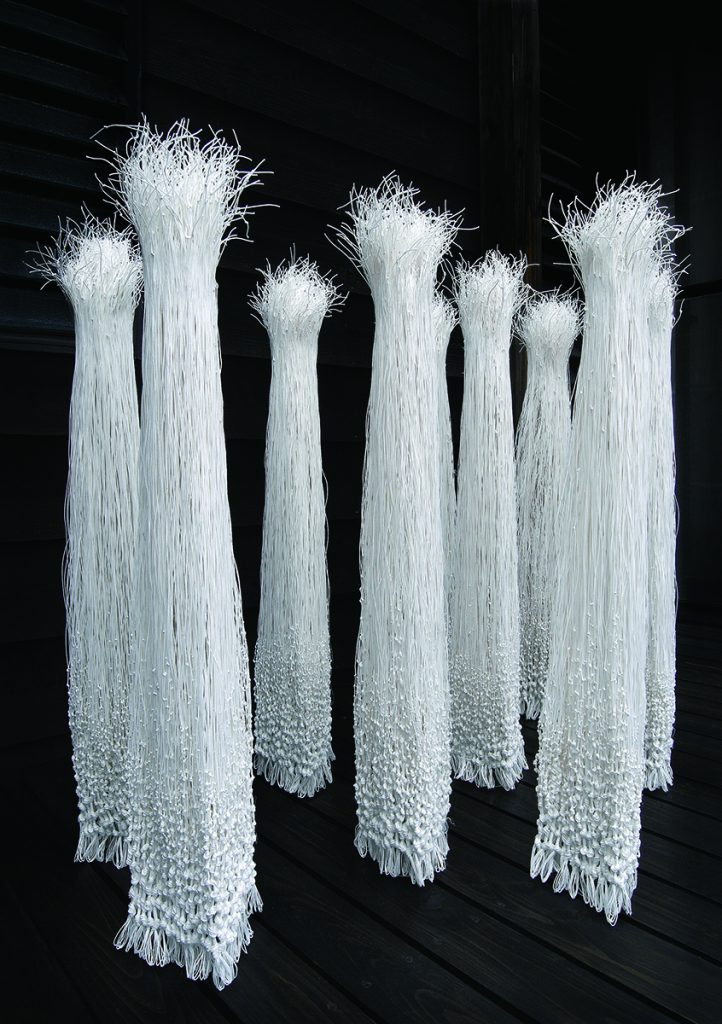
Kakuko Ishii is based in Fukuoka, where she works as an artist and recently retired from teaching at Kyushu Sangyo (Industrial) University. Since 1978, she has shown her work in fiber art exhibitions around the world and has held solo exhibitions throughout Japan and in Korea. Her recent sculptural works are built up of a secondary fiber, mizuhiki—cords made from washi paper (itself made from natural fibers) that have been used for over 1,000 years to tie and embellish gifts and sacred offerings.
Yuko Kimura was born in Oakland, California and spent her childhood in Japan. She returned to the US in 1989 and received a BFA in printmaking from the Cleveland Institute of Art and an MFA in printmaking from the University of Michigan School of Art and Design. Her printmaking incorporates multiple processes, including etching, aquatint, and dyeing with indigo on pleated or twisted paper. Her recent works collage together handmade washi with bug-eaten pages from Japanese books and worn fragments of cloth obtained from her grandmother, yielding richly layered textures that explore the passage of time, decay, and renewal.
Yuko Nishimura graduated from the architectural design program at Nihon University in Tokyo and the Master’s Program in design from the Department of Art at Tsukuba University in Ibaraki. From her time as a student, she has been working with a special handmade paper called kyokushi (“official paper”), a very smooth white type of washi. Her repetitive pleating of “mountain” then “valley” folds produces dramatic geometric patterning that allows light and shadow to play across the textured surfaces, evoking patterns in nature.
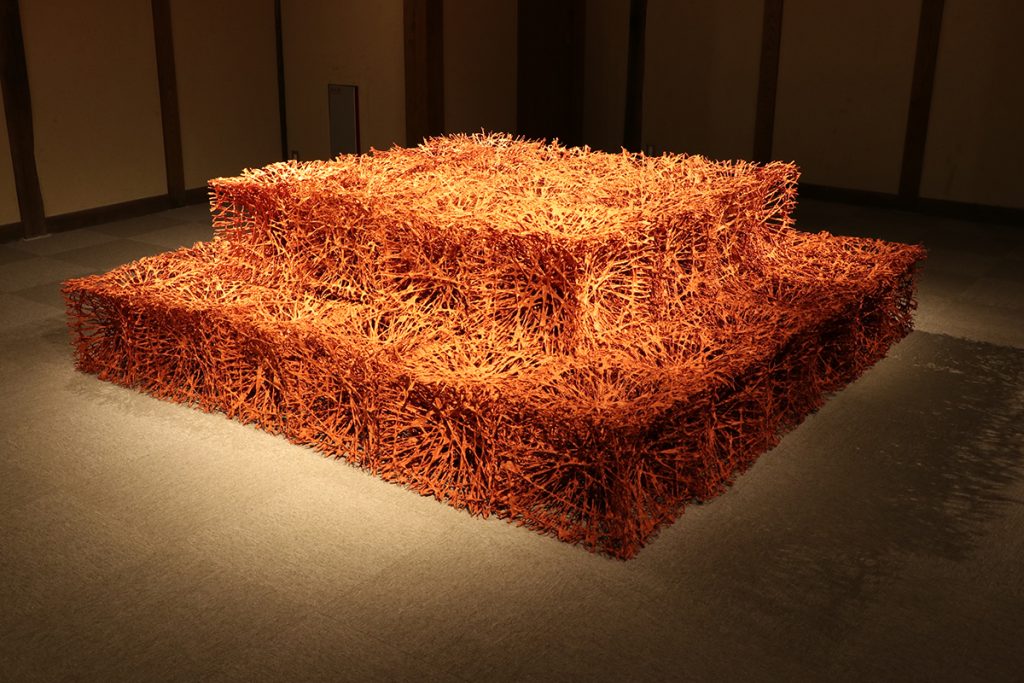
Takaaki Tanaka was born in Hyogo and graduated with an MFA from Tama Art University in Tokyo. He is currently Associate Professor, Kurashiki College of Apparel Arts, Okayama, and has exhibited his work throughout Japan and overseas. Tanaka is interested in exploring the ways in which paper fiber can be manipulated to take on new forms inspired by the natural world. He foregoes the smooth, flat surface typically associated with paper and instead breaks washi down into fibers—with which he builds forms often reminiscent of living creatures and their environments.
Ayomi Yoshida is the youngest artist in the Japanese Yoshida family of woodblock print artists. Although she originally studied architecture, she became drawn to her family’s traditional artistic practice of water-based woodblock printing. From the late 1990s, Yoshida began pushing the limits of woodblock printing to create room-sized installations using primarily washi paper and wood, often incorporating sound and video. Her works increasingly offer commentary on the fragility of nature and the impact of human behavior on the natural world.
About the Curator
Meher McArthur is an independent curator and historian of Japanese art. She previously served as the Art & Cultural Director of Japan House, Los Angeles, and Curator of East Asian Art at Pacific Asia Museum in Pasadena, California. She curated the exhibition Above the Fold: New Expressions in Contemporary Origami, which was presented at Maui Arts & Cultural Center in 2018 as part of its national tour with International Arts & Artists. McArthur received an MA in Japanese Studies from Cambridge University; a postgraduate diploma in Asian Art from Sotheby’s Institute, London University; and an MA in Art and Archaeology from SOAS, University of London. She has published widely on Asian art and culture.
International Arts & Artists in Washington, DC, is a nonprofit arts service organization dedicated to increasing cross-cultural understanding and exposure to the arts internationally, through exhibitions, programs, and services to artists, arts institutions, and the public. Visit www.artsandartists.org Schaefer International Gallery is open from Tuesday – Saturday, 10 a.m. – 4 p.m., and also before select Castle Theater shows. Admission is free.
This exhibition is supported in part by Matson® with additional funding by County of Maui –Office of Economic Development. Washi Transformed: New Expressions in Japanese Paper is organized by Meher McArthur and is toured by International Arts & Artists, Washington, DC.
Public Events
OBSERVE & PLAY FAMILY DAY – In Honor of Shirley Yokouchi
Saturday, March 28 from 10 a.m. – 12 p.m.
Families are welcome to experience the world of washi in the exhibition, then try their hand at folding, shredding, and dyeing paper at activity stations outside the gallery. This event is free.
Stay tuned for closing program opportunities to commemorate the conclusion of this exhibition. The latest updates can be accessed via mauiarts.org.
Sponsored Content