

Maui Council committee advances Kaʻehu Bay purchase over Native Hawaiian family’s objections

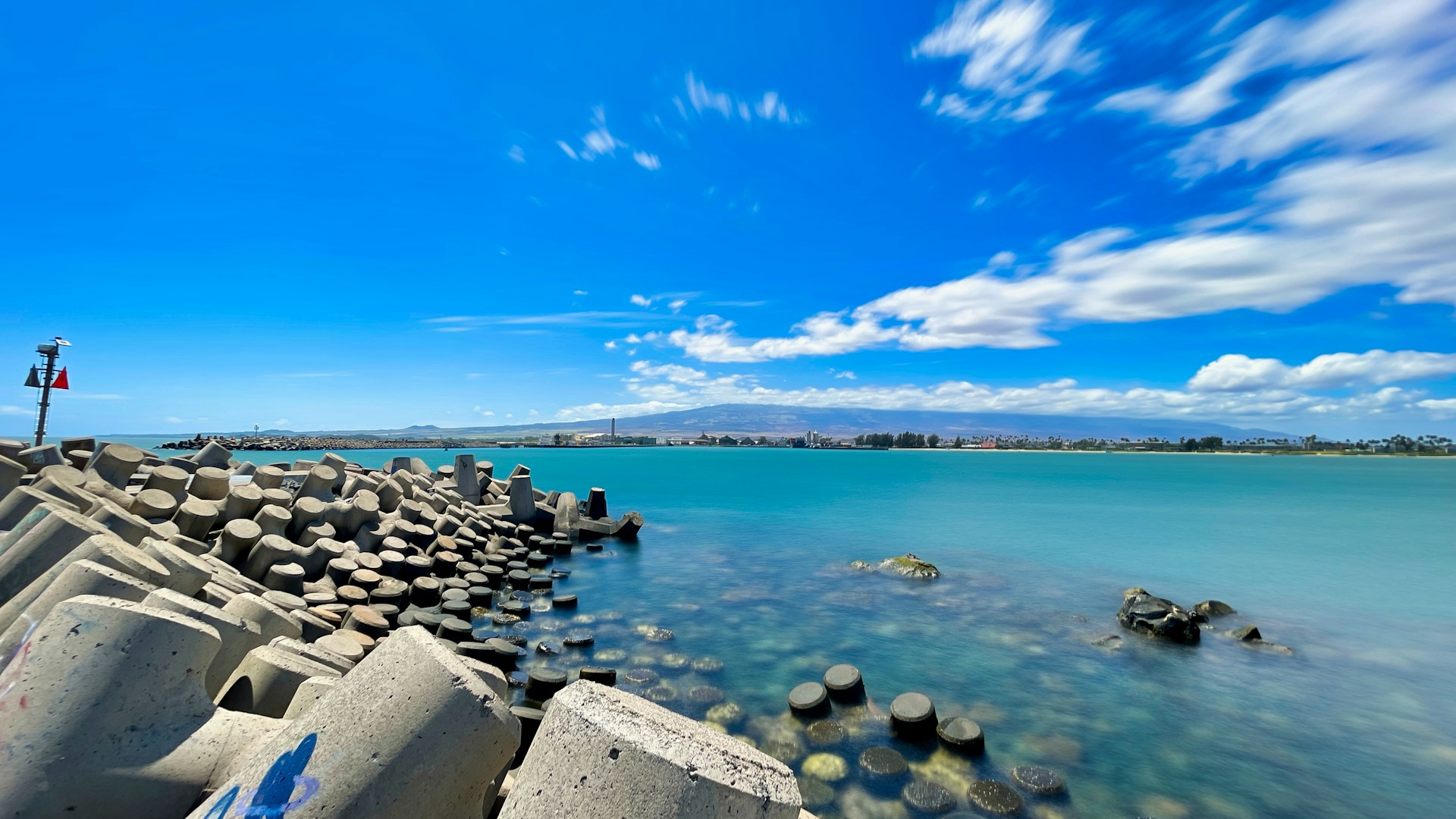
The Maui County Council’s Budget, Finance and Economic Development Committee voted 6-3 Tuesday to recommend full Council approval of the county’s proposed purchase of a contested Kaʻehu Bay shoreline parcel in Waiehu, setting aside calls from a Native Hawaiian family for deferral pending further consultation.
Voting in favor were Council Members Shane Sinenci, Gabe Johnson, Nohelani Uʻu-Hodgins, Tom Cook, Keani Rawlins-Fernandez and Tamara Paltin, who voted “aye, with reservations.” Voting “no” were Council Chair Alice Lee, Budget Committee Chair Yuki Lei Sugimura and Vice Chair Kauanoe Batangan.
The legislation — Bill 102 and Resolution 25-53 — would authorize the county to buy the 0.41-acre parcel at 104A Lower Waiehu Beach Road from the Church of Jesus Christ of Latter-day Saints for no more than $480,000 plus expenses.
A preliminary appraisal by Title Guaranty of Hawaiʻi, dated Jan. 6, 2026, fixed the property value at $571,500. An earlier appraisal put the price at $411,000. Then, the proposed price of $480,000 was negotiated based on the original appraisal, according to a Feb. 2 letter to from Finance Director Marcy Martin to the Budget Committee chair.
The proposed purchase would be funded by shifting money from a previously dropped Lahaina land acquisition in the fiscal year 2026 budget.
Five public testifiers spoke against the purchase, raising concerns about unresolved title questions and a lack of prior outreach to their family before the matter moved forward.

Kahala Johnson demanded the committee defer action pending a “facilitated good faith meeting” with his ʻohana, warning that the county risked litigation by underwriting disputed ownership claims with public funds.
“Content acquisition of a property using public funds should not move faster than its commitment to due diligence and verification,” Johnson told the committee.
Testifier Kanealiʻi argued the LDS Church may not hold clear title to the property under historic land commission award rules, contending the parcel traces back to a will that prevented its conveyance.
Dane Malo, who identified himself as a family member, told the committee he had independently researched the property’s history and had already located historical deeds predating the 1938 chain of title the county has been relying upon. He brought his 1-year-old daughter to the hearing.
“I don’t want her generation to spend their lives still fighting over this land the way my papa had to,” Malo said. “I just want the truth fully investigated before decisions are made that could affect our family for generations to come.”
During deliberations, committee members asked Department of Finance Director Marcy Martin if there was a property title report and if the title was clear.

“We have provided the current title report, and corporation counsel did provide an opinion on the title report,” she said.
Sugimura told committee members that Department of Finance property manager Guy Hironaka had informed her that the LDS Church already had another offer on the property and would list it on the open market if the county did not act.
Budget Director Lesley Milner confirmed the administration remained open to the acquisition and reiterated that—if a court later determines that county-owned land belongs to a local family, the land would be returned to them. She added there would be no objection if the Council decided not to proceed.
“I think that would be a good idea not to proceed,” Lee said.
Milner’s assurance appeared to help sway most committee members who expressed discomfort with the situation but concluded that county ownership was preferable to the property going to an outside buyer.
Sinenci said he believed the family would face a harder road asserting their claim against a private buyer than against the County.
“I don’t want to put them in a lose-lose situation,” Uʻu-Hodgins said. “But I don’t disagree that if somebody else buys it, their ability to hopefully reclaim what is theirs will be more difficult.”
Lee was firmly opposed.
“Since the family believes it has a good case, then the church cannot sell the property,” she said.

She added that “I’m really disappointed in the administration because this is their proposal. They should not have done a half-baked job on this.”
Lee said she did not want her “no” vote to be misread. “We do support the family,” she said. “We do not have all the details, and I do not like making decisions on the fly.”
Batangan said the unresolved questions left the water “more muddy than opaque” and joined Lee in opposing the motion.
Rawlins-Fernandez offered her office’s help to facilitate discussions between the family and the administration before the bill reaches its first full Council reading. She said she believes the family’s account of the land history.

“It’s not uncommon that kanaka are constantly losing ancestral land because of paperwork,” she said. “It’s really frustrating that this is the system that we’re in.”
Rawlins-Fernandez said she recognized that “we’re under the colonizer’s court, and we’re occupied by America, and it’s their laws that they’re enforcing.”
She said she was hopeful that the LDS Church would have acted in good faith, and “I’m really disappointed that they have not… For the LDS Church to make a profit off of stolen ʻāina — that’s just hewa (wrong).”
Efforts by Maui Now to contact a representative of the church were unsuccessful Wednesday.
The bill and resolution now advance to the full Council for first and second readings.
Sponsored Content