


 Hawai'i Journalism Initiative
For sale for $17M: Late billionaire David Murdock’s home, one of his last ties to Lāna‘i
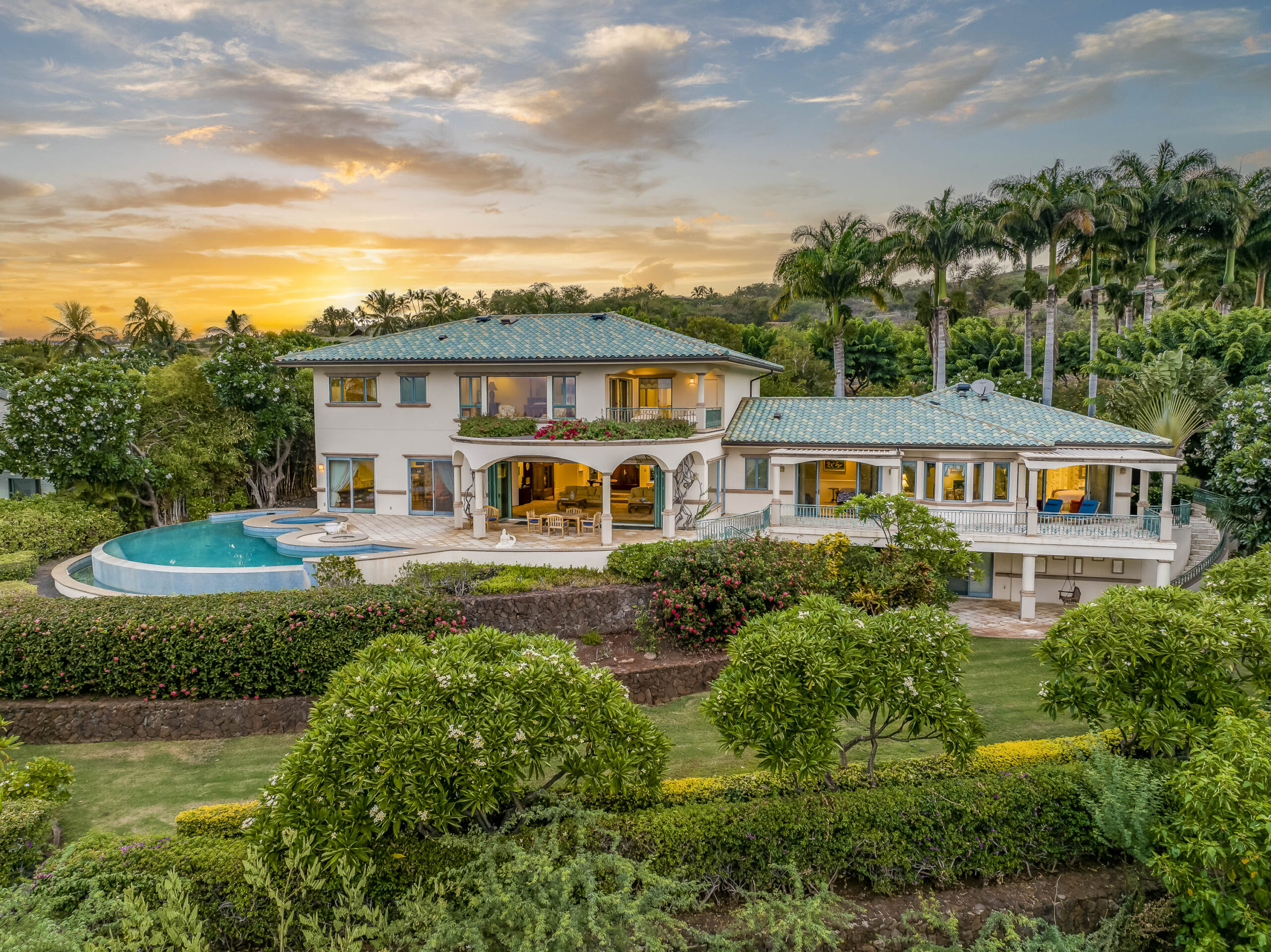
One of the last pieces of Lāna‘i real estate owned by the late billionaire David Murdock, who steered the island’s economy from a dying pineapple operation to tourism in the 1990s, is on the market once more for $17 million.
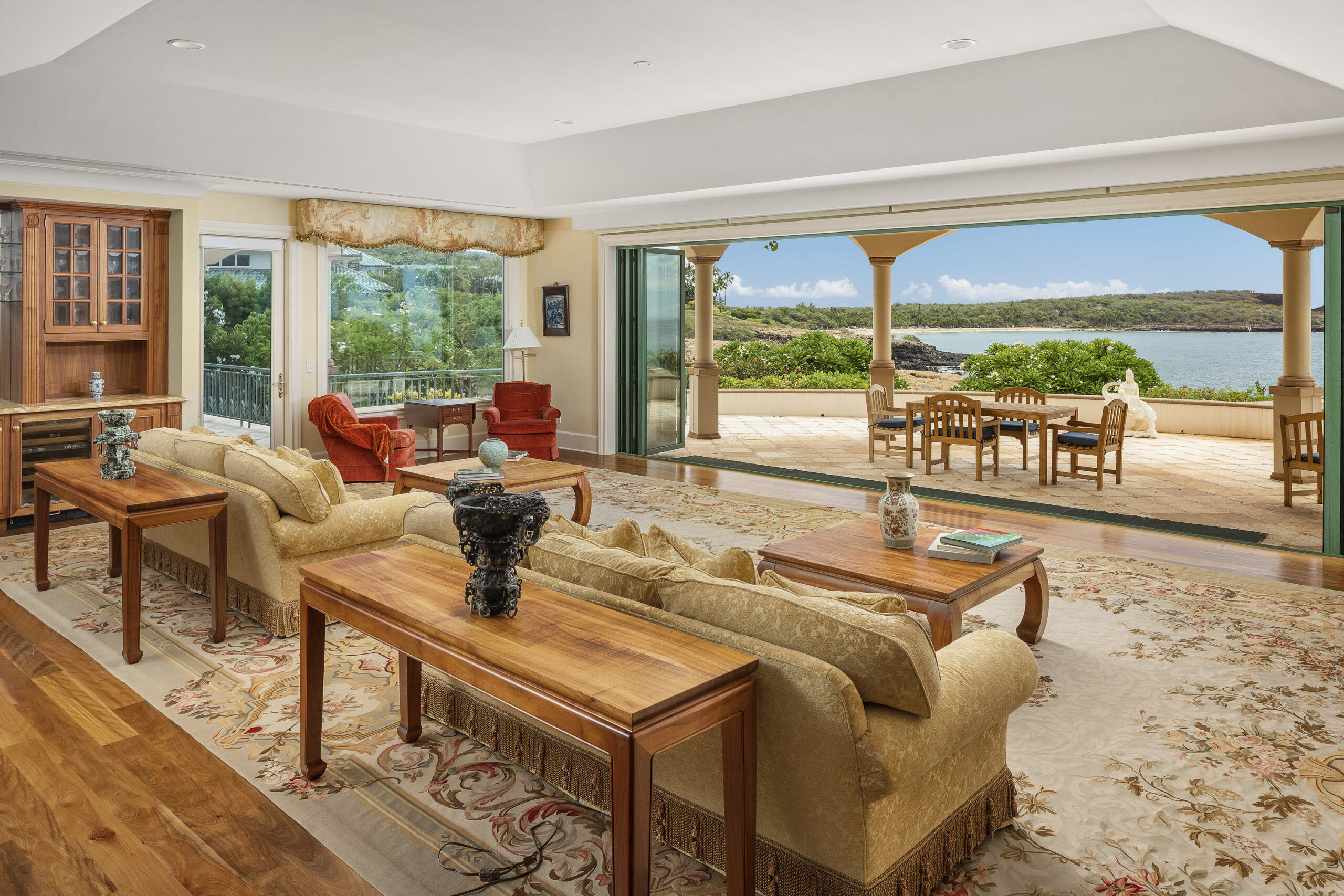
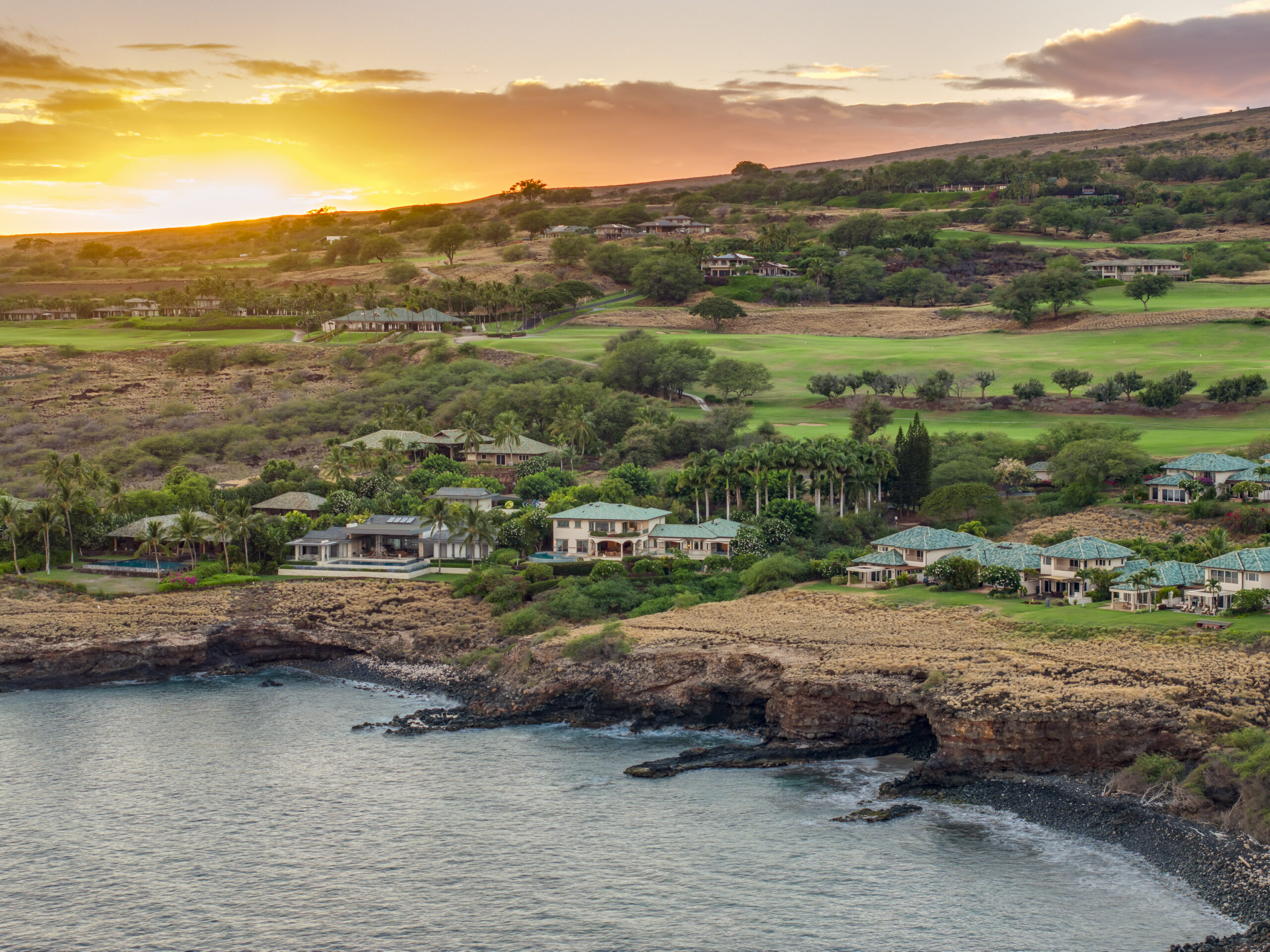
Murdock’s seven-bedroom, nine-bathroom home on a 1.03-acre property overlooking Hulopo‘e Bay was one of the only things he held on to when he sold the island to billionaire Oracle founder Larry Ellison in 2012.
A year ago in June, Murdock died at age 102. The home and the two luxury resorts that his company built to pivot the island to tourism remain the most visible reminders of his legacy.
“There are a lot of people who appreciate what Murdock did for this island,” said Butch Gima, who was born and raised on Lāna‘i. “And there are many who do not feel that way. He’s just one of three or four individuals or businesses that owned the whole island.”
The 8,495-square-foot home was initially listed for $20 million in November 2022 and was pending in April 2023 before being taken off the market later that year, according to Zillow records. It was listed again in November 2024 for $17 million before being removed in July 2025 and then reappearing in April of this year.
Listing agent Paul Stukin, the CEO and founder of Deep Blue HI, a Honolulu-based real estate firm with exclusive listings of some of Hawai‘i’s most high-end properties, said he couldn’t speak to why the home hadn’t sold before because he wasn’t the listing agent at the time. However, he said the home underwent upgrades before it was put up for sale again this year.
The home was built in 2001 on what Stukin described as “the best lot on the island,” with views of Hulopo‘e Bay and Sweetheart Rock. Stukin said Murdock was the first to build in the area. Prior to that, he used to stay at the general manager’s quarters in Lāna‘i City during his visits to the island.
When Murdock sold 98 percent of the island to Ellison in 2012, he held on to the Mānele home as well as several apartment units at The Pines at Kō‘ele, properties at the Mānele Terrace, Richard’s Market and the Woodworking Shop, Pacific Business News reported at the time. He also kept two carved elephant tusks and two carved Balinese sculptures at what was then the Mānele Bay Resort and 1,000 orchid plants in the greenhouse at what was then the Lodge at Kō‘ele.
And, he retained the right to develop a 7,000-acre wind farm that ran into community opposition and was eventually axed by the Hawai‘i Public Utilities Commission.
The Mānele home is owned by Castle & Cooke, the company that Murdock acquired in 1985. Maui County property tax records show it was assessed at nearly $11.7 million and levied property taxes of $167,260 in 2025.
Stukin said “you can always do your best” to find a local buyer, pointing out that he helped sell actress and comedian Roseanne Barr’s macadamia nut farm in Honoka‘a to a local ranching family last year. However, he said most of the interest for the Lāna‘i estate has been from off-island buyers in places like California, Seattle and even Malaysia.
Gima said he didn’t realize that Murdock still owned property on Lāna‘i. The last time he saw Murdock was when he was shopping at the local market more than a decade ago. Murdock was more of a visible figure on island than Ellison is now, and he stepped in at a pivotal time when “the writing was on the wall” for the island’s pineapple industry, Gima said.
Castle & Cooke bought out pineapple producer Dole Corporation in 1961 but was “nearly bankrupt” by the time Murdock, a California real estate developer, purchased it in 1985. Murdock told the Los Angeles Times that year that he was developing a master plan for the island that included two hotels.
The Lodge at Kō‘ele — now known as Sensei Lāna‘i, A Four Seasons Resort — and the Mānele Bay Hotel — now the Four Seasons Resort Lāna‘i — both opened in the early 1990s. Gima remembers the hotels working with the unions and what was then Maui Community College to train plantation workers in the hospitality industry. He said the way people felt about the transition depended on how old they were at the time.
“If you were a Baby Boomer, I think it was a little harder making the transition,” he said. “Whereas if you’re younger, there was opportunity to make the decision about leaving Lāna‘i, going to school to learn a different trade or continuing to stay with the company.”
Gima’s parents, aunties and uncles all worked for the plantation, and as a teenager Gima spent four summers picking pineapples, “a rite of passage for all high school students” on the island. After serving in the Navy and attending college in California, he came back to Lāna‘i in 1992, the year Dole shuttered operations on the island.
Gima said the people who appreciated what Murdock did for Lāna‘i were grateful for the jobs and the opportunity to buy a home in the developments built during his ownership of the island. The shift to tourism “gave them different opportunities instead of working in the pineapple plantation like some of their ancestors used to do their whole lives,” he said.
For those who didn’t like Murdock’s influence on the island, Gima said he thinks it came down to “the method of running a company, sometimes that imperialistic attitude that they brought to Lāna‘i and just the perpetuation of the power and control imbalance.” Gima said the local union was also weakened because the membership was split in half during the shift from pineapple to tourism.
Alberta de Jetley, a local journalist and historian, also spent her teenage years picking pineapples alongside her mother, who worked on the plantation. When she was older, she worked for Murdock, running errands and writing a community newsletter for Castle & Cooke. She listened as he took heat from residents at public meetings.
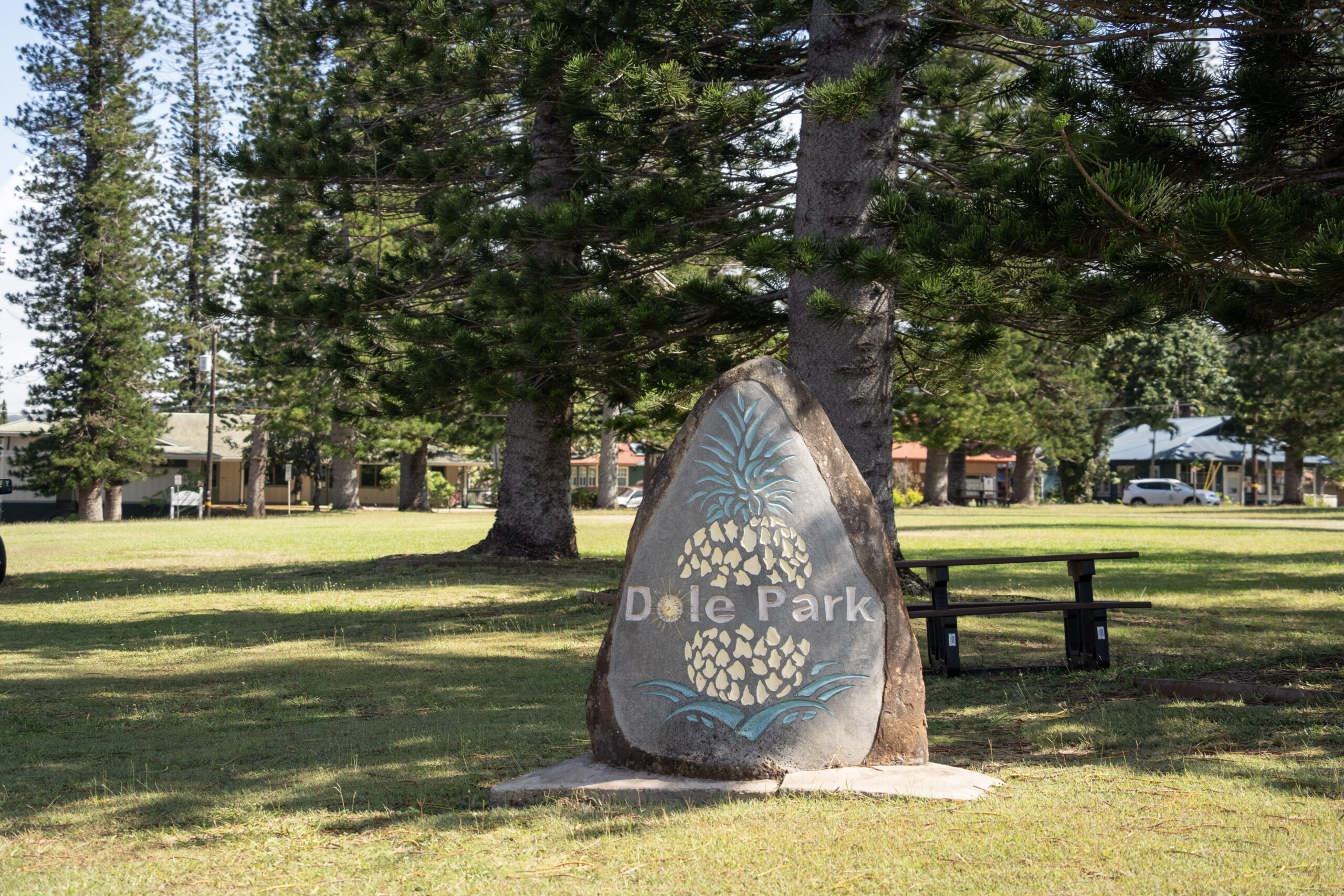
“People were really worried about their jobs, the future of Lāna‘i, whether we would be able to keep the island sustainable,” she said. “It takes a lot of money to keep this island running.”
De Jetley, whose stories of Murdock will be part of a collection of short stories published in July, said Murdock affectionately called her “that goddamned Alberta.”
By the time he sold the island, Murdock was reportedly losing millions. De Jetley thinks he did the right thing in giving it up, because Ellison could afford it, and “he’s done a lot for the community since,” including investing in housing projects, local businesses and the two resorts that have become the island’s primary economic drivers.
“I loved working for him but most people quaked in their shoes,” she said of Murdock in a text message. “He loved meeting and talking to his Lana‘i employees and often called us his children. Some did not like it, but others liked it. He truly loved Lana‘i.”