 Hawai'i Journalism Initiative
Passing the Maui film festival torch: From ‘Celestial Cinema’ to homegrown storytelling
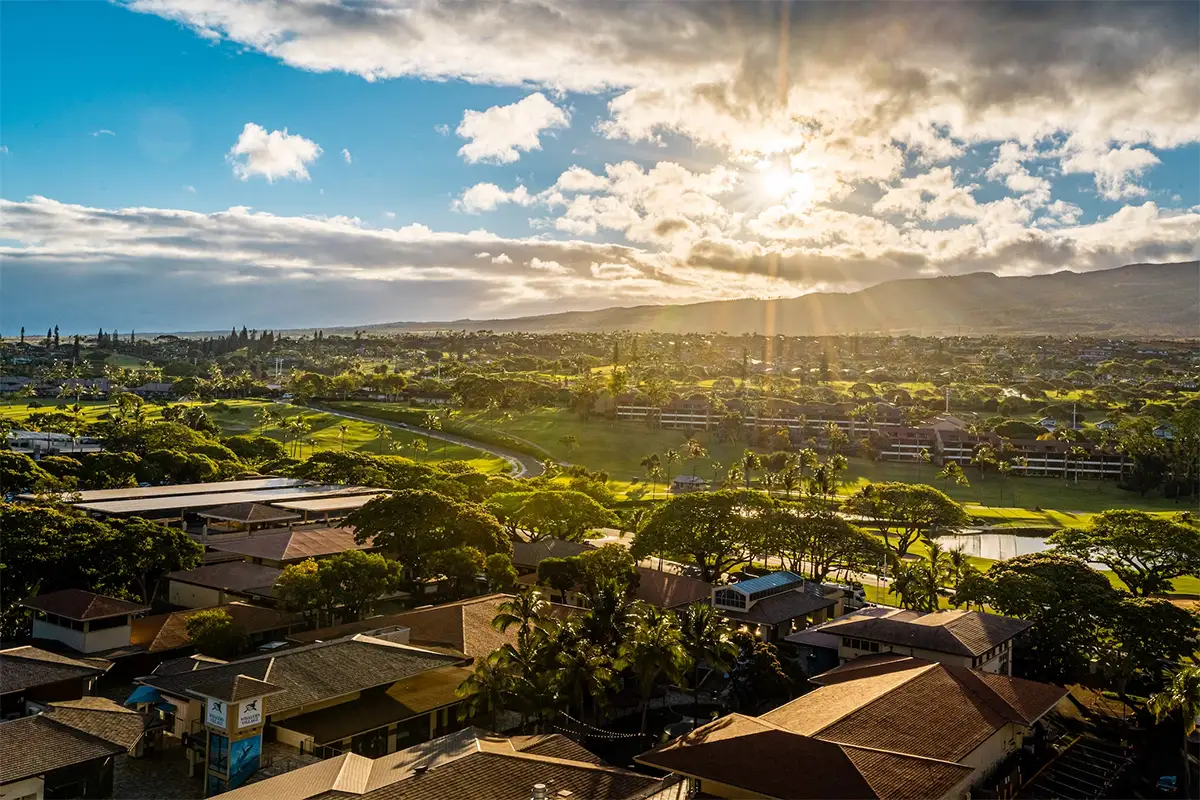
For 25 years, the cinematic heart of Maui beat to the rhythm of Hollywood A-listers and the starlit luxury of Wailea’s golf courses. But as the “Celestial Cinema” era concludes, a new, grittier narrative is flickering to life 10 miles to the north.
In the heart of Wailuku town, the glamour of the red carpet is being replaced by the resilience of the local lens. The inaugural Wailuku Film Festival, a five-day celebration that runs June 17 to 21, represents more than just a change in venue. It is a fundamental reclamation of the island’s identity, proving that Maui’s most valuable stories are no longer the ones told about the island by outsiders, but the ones told by the people who call it home.
“I believe that the right answer in the community is to create meaningful things for the community, for our people, to give our people something righteous,” said Brian Kohne, Maui County Film Commissioner and director of the new film festival.
“If we were to just start another film festival that was focused on entertaining visitors… I think we’d be missing the point.”
The Wailuku Film Festival features a robust lineup of over 100 films, including a concentrated showcase of more than 55 works by Hawaiʻi filmmakers and 31 local student films. Screenings are being held in the heart of Wailuku at the Historic ʻĪao Theater and the newly opened Naylor Theater, which is operated by the Maui Academy of Performing Arts. A special “Best of Festival” encore presentation will take place at the Maui Arts & Cultural Center’s Castle Theater.
While the program is deeply grounded in the Pacific, the films represent a global community of storytellers hailing from Aotearoa (New Zealand), Fiji, Tonga, the Philippines, Australia, and across North and South America and Europe.
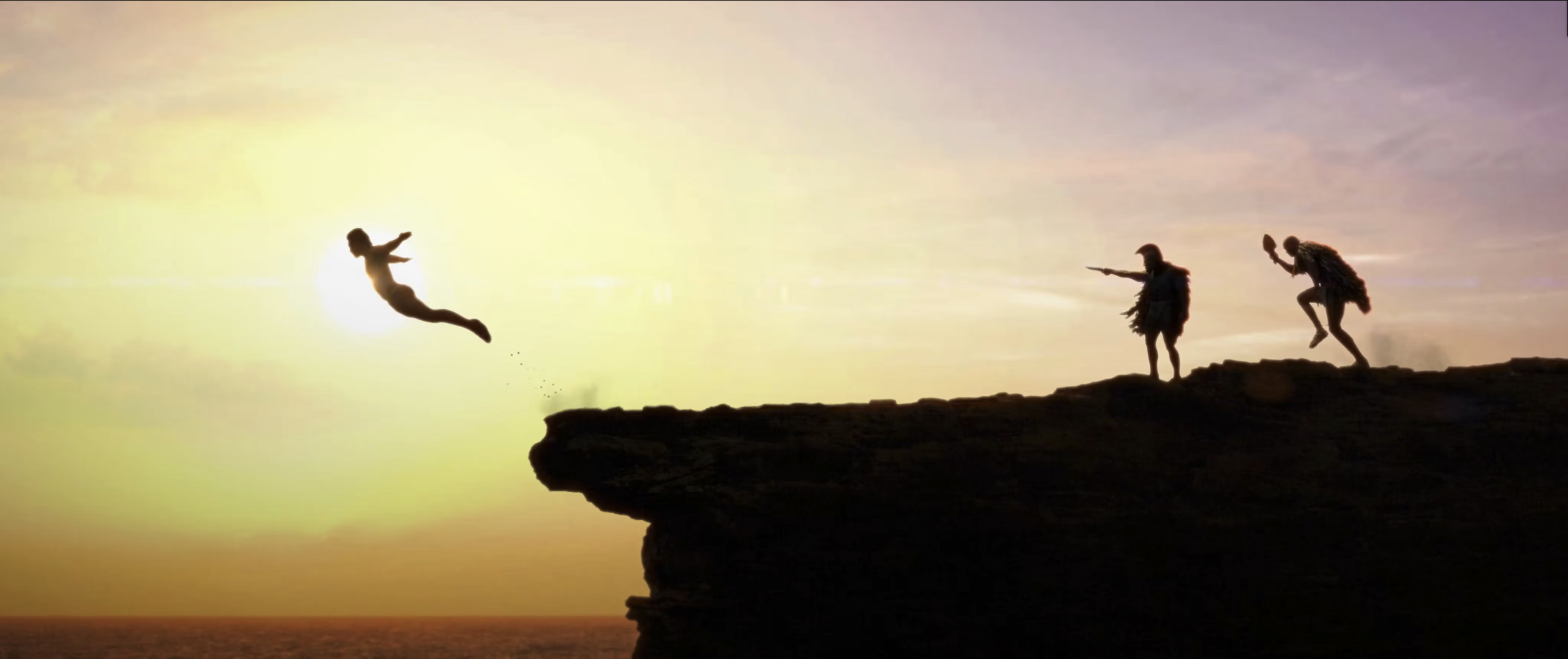
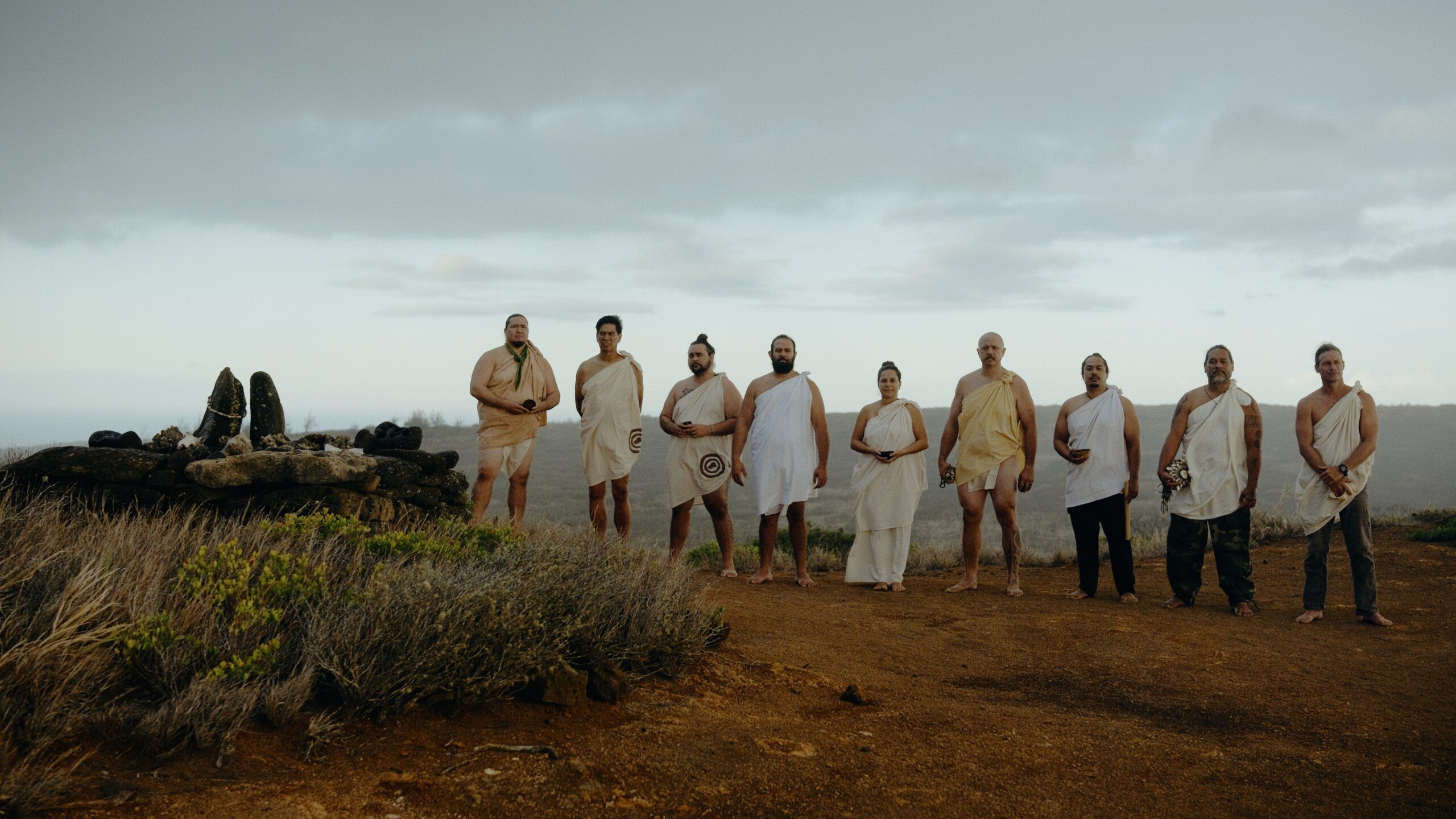
Some of the significant local works include “Remembering Wai,” which explores the historical mismanagement of water resources in West Maui, “Kūkini,” an award-winning short depicting the historic Battle of Kepaniwai in ʻĪao Valley and starring Paula Fuga and Maui’s Moses Goods (Chief of War), and “Sacred Island: Living the Dream,” which celebrates 50 years of the Protect Kahoʻolawe ʻOhana, produced by NMG Network for A Hana Hou!.
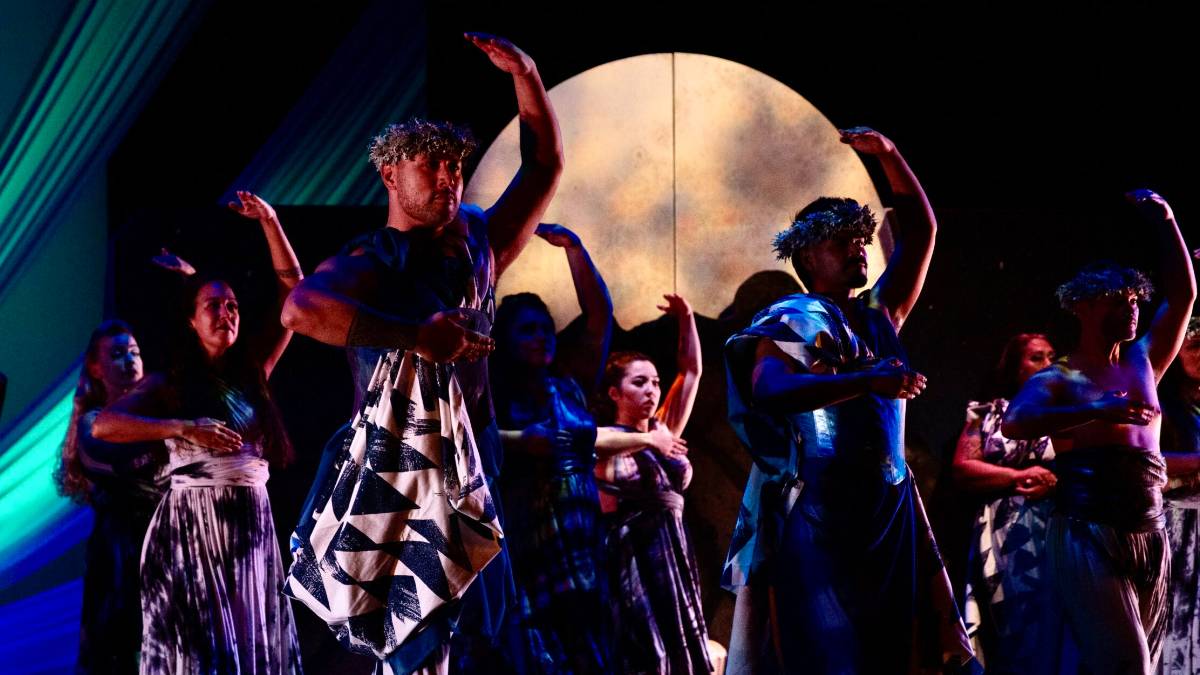
The festival also features “MĀHŪ,” directed and producd by Lisette Marie Flanary, which focuses on reclaiming the respected place of māhū (individuals who embody male and female spirit) within Hawaiian culture.
The festival’s selections broaden to the wider Pacific including films from Fiji, Tonga and the Philippines. The entry from new Zealand is “Stolen Children of Aotearoa,” a documentary on indigenous children being removed from their home. Other international perspectives include “All the Things I Leave You,” a generational story of connection set in the Philippines and “Grace,” a story set in 1959 Honolulu about a forbidden love affair.
“Being a māmā fundamentally changes how I approach storytelling and makes my approach more long-term: what are we leaving behind, and who are we accountable to?” said Park, a Hawaiʻi born filmmaker and film instructor who directed and executived produce “Grace.”
“As someone born and raised here, I see these stories not just as content, but as reflections of real communities, families and histories. That creates a responsibility to do things in a way that is pono, that respects people, place and culture.”
The festival also marks a strategic pivot from treating film as a luxury tourist attraction to establishing it as a vital engine for communal healing and economic self-sustainability, Kohne said.
Backed by a $180,000 county investment, organizers said the initiative aims to transform Maui into a primary content creator, ensuring that the next generation of filmmakers can find meaningful employment and a sense of belonging without having to leave the islands. In the wake of the 2023 wildfires, the festival also will serve as a gathering space where cinema can act as a bridge to recovery and a catalyst for developing a local production ecosystem.
“We have to give our up-and-comers who are here now a reason to believe there will be something waiting for them when they go receive that training,” Kohne said.
From Magical Backdrop to Righteous Hub
For more than two decades, the Maui Film Festival helped define the island’s cinematic identity via Hollywood glamour of the festival’s crowning event, the Celestial Cinema, a series of star-lit movie screenings that took place on the joint driving range of the Emerald and Gold golf courses in Wailea. The event brought A-list stars — including Pierce Brosnan, Colin Farrell, Jessica Chastain, Viola Davis, Laura Dern, Adam Driver and Brian Cranston — to the manicured golf courses and luxury resorts.
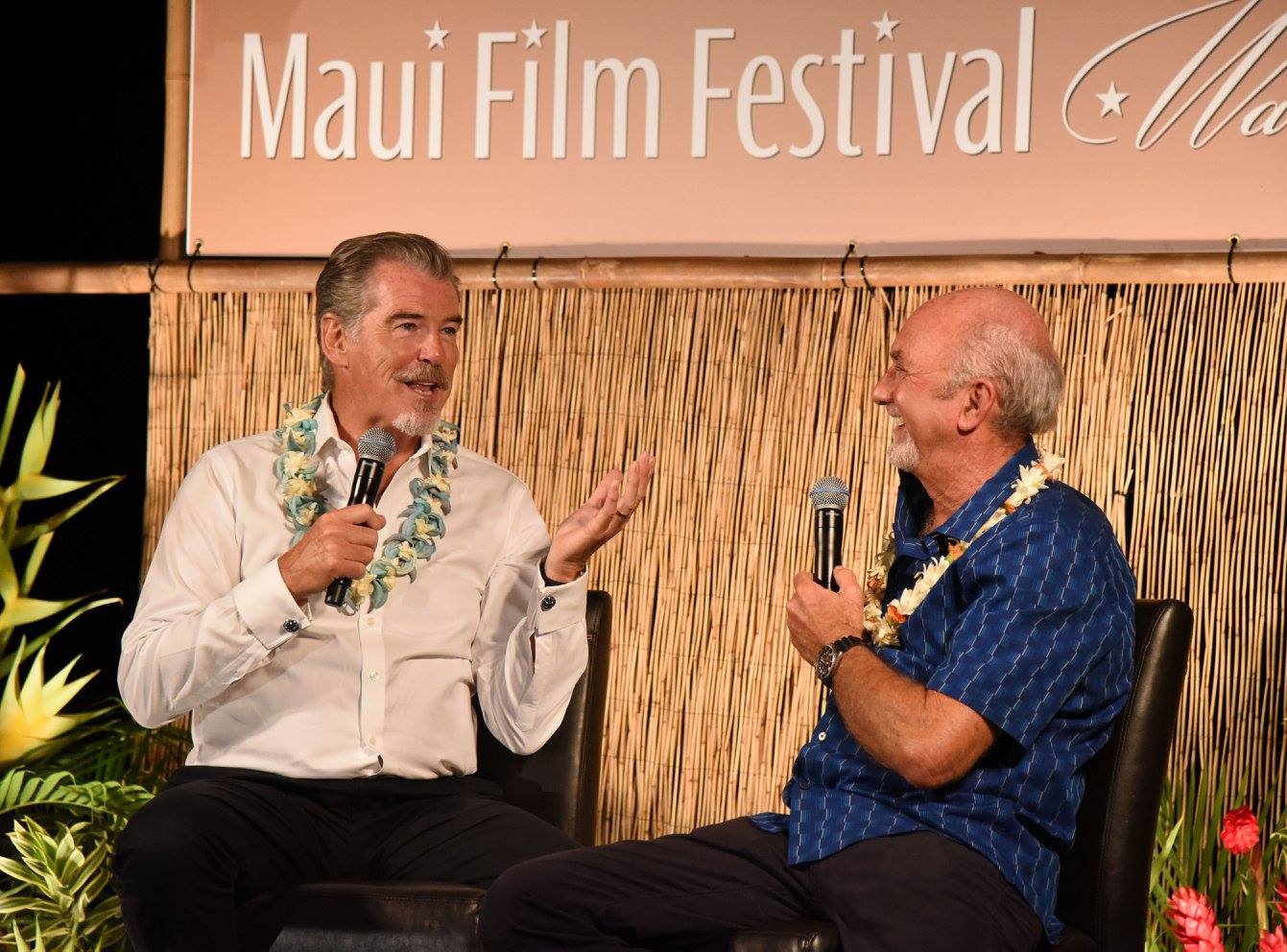
The Wailuku Film Festival has moved away from celebrity-centered spectacles to “a new era of building a local industry from the ground up,” Kohne said.
This transition is physically anchored in the heart of Wailuku town, utilizing the Historic ʻĪao Theater and the Naylor Theater that Kohne calls a move toward authenticity. The festival also will help breathe life back into the 100-year-old ʻĪao Theater, which hosted the world premiere of “From Here to Eternity” and is essential for a festival rooted in the community.
The festival’s talent-spotting legacy has also shifted. Instead of identifying rising stars headed for the Oscars (like Brie Larson), the Wailuku Film Festival’s focus is on discovering and featuring homegrown talent.
By integrating local values into both the content and the way business is conducted, the festival aims to “establish Maui as a legitimate content creator rather than just a scenic backdrop for outside productions,” Kohne said.
Cinema as Catharsis
Whenever the award-winning documentary “Lahaina Rising” begins to play on the big screen, filmmaker and fire survivor DeAndre Makakoa follows a quiet, personal ritual: he walks out of the theater.
Though he has screened the film at the United Nations and the Hawaiʻi International Film Festival, Makakoa admitted he has never actually watched it in full with an audience. Having fled the Aug. 8, 2023 flames with his growing family, he found the production process — which required sifting through traumatic police body cameras and donated iPhone footage — difficult enough without reliving those scenes of his friends and neighbors in pain.
“I leave during the beginning when it’s so happy and I come back in at the end when it’s all hopeful,” he said.
Films like “Lahaina Rising” and others are part of the festival’s understated “cinema as a catharsis” mission, which frames filmmaking as a vehicle for community resilience and healing. Kohne said that while some of these works might be difficult to watch, they can provide a dignified setting for survivors to confront these truths and be a dialogue that can lead to both personal recovery and community action.
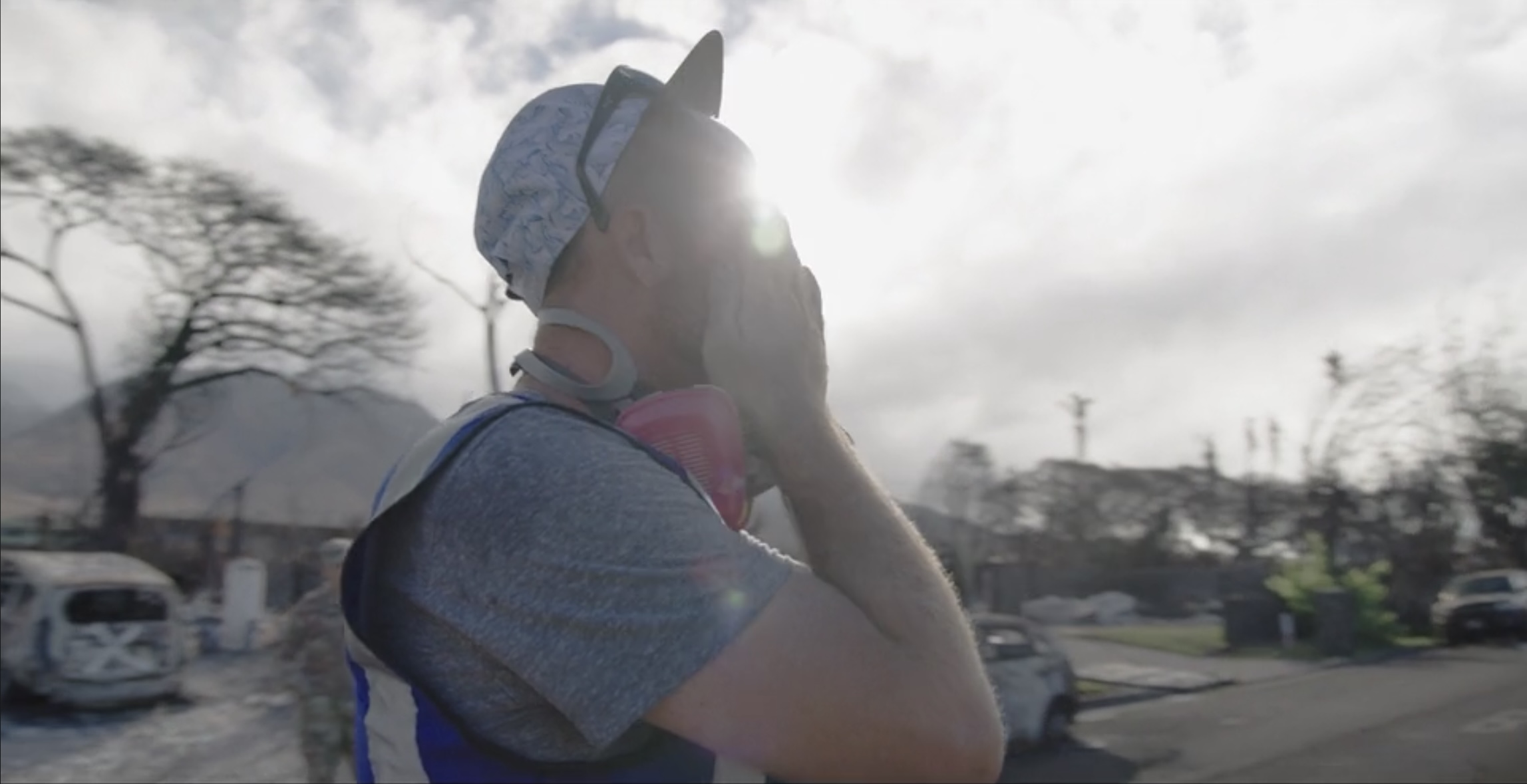
Makakoa said these local films, about the fire and other issues, also provide communities the chance to tell their stories their way.
“When the story is not told by the people who live it, then the story often gets … blurry and strays away from the actual lived experience,” he said. “When we get to be in charge of the narrative and in charge of the way we tell these stories, then we (not only) get to have justice in the way that the stories are told, but we also have kind of like healing and uniting.”
Makakoa said positive impacts also come from getting to tell, hear and see your stories being told.
And, he said, authentic stories are different from those told through the lens of a “fantastical, Hallmark paradise vision of what this place is when that’s not really our reality here.”
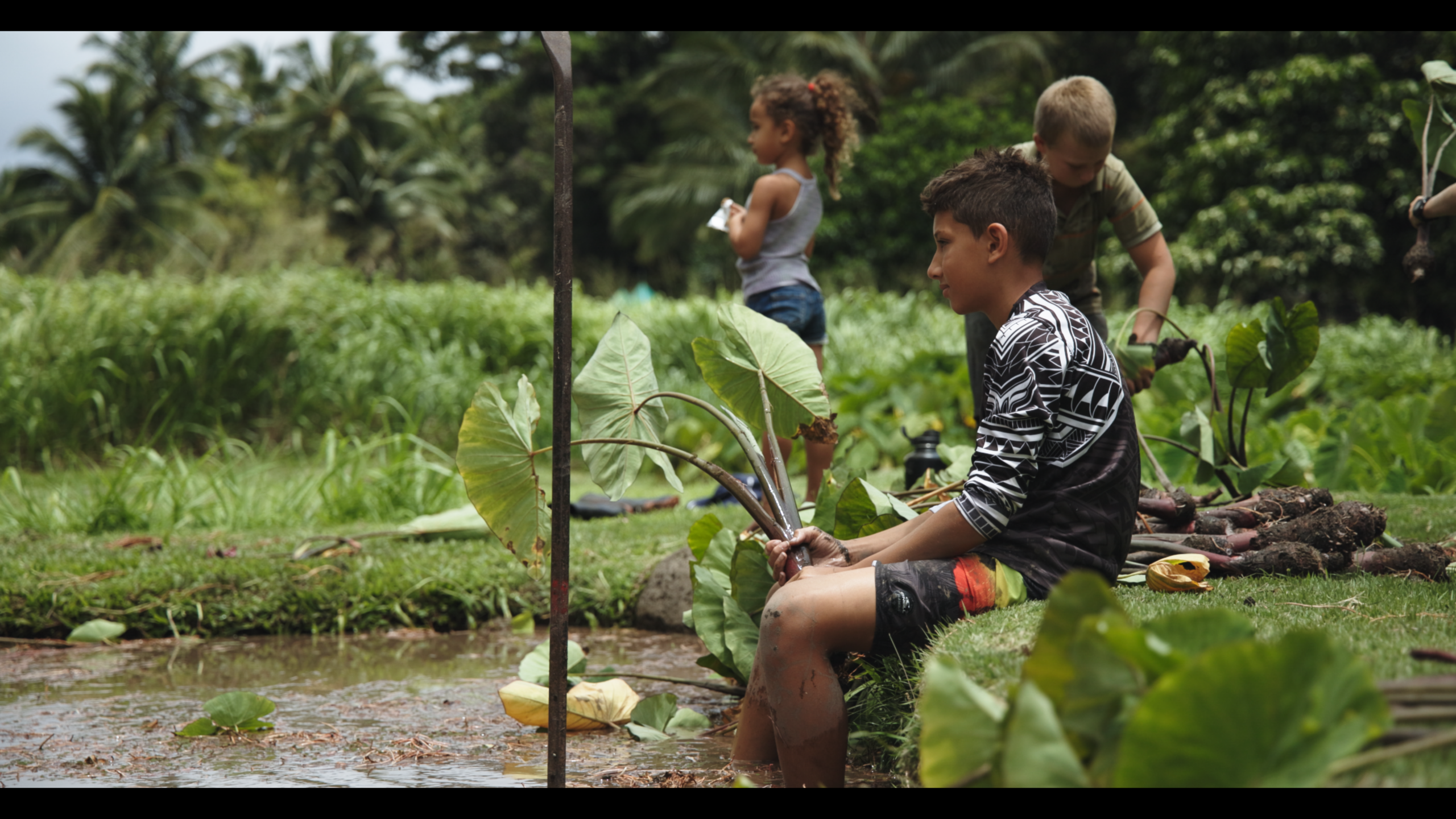
Economic, Education and Entertainment
Georja Skinner, chief of the Creative Industries Division at the Hawaiʻi Department of Business, Economic Development & Tourism, said the inaugural Wailuku Film Festival is a critical component of the state’s strategy to shift from a service-based film economy to a creator-based one. It fits into the state’s “Hawaiʻi First” initiative to improve opportunities and work on the islands.
“It really is about celebrating the entrepreneurial and creative talent in the state and really our focus on export of local IP (intellectual property), whether it’s in design and fashion, whether it is in film, media, immersive entertainment,” she said.
The economic stakes are high. The loss of the $340 million “Chief of War” movie starring Hawaiʻi native Jason Momoa stands as a stark case study of revenue lost to New Zealand due to previous gaps in Hawaiʻi’s creative infrastructure and incentives.
In response, the state has modernized its approach with Senate Bill 2580, which provides a 32% tax credit for large-scale film production on neighbor islands like Maui, provided that productions meet an 80% local hire requirement.
The bill passed both chambers of the Hawaiʻi State Legislature on May 6 and now is awaiting the signature of Gov. Josh Green.
Skinner said this change will put “the neighbor Islands like Maui in a very interesting position because the increased credit makes them more financially attractive to large-scale projects that previously might have overlooked them due to a lack of competitive incentives.”
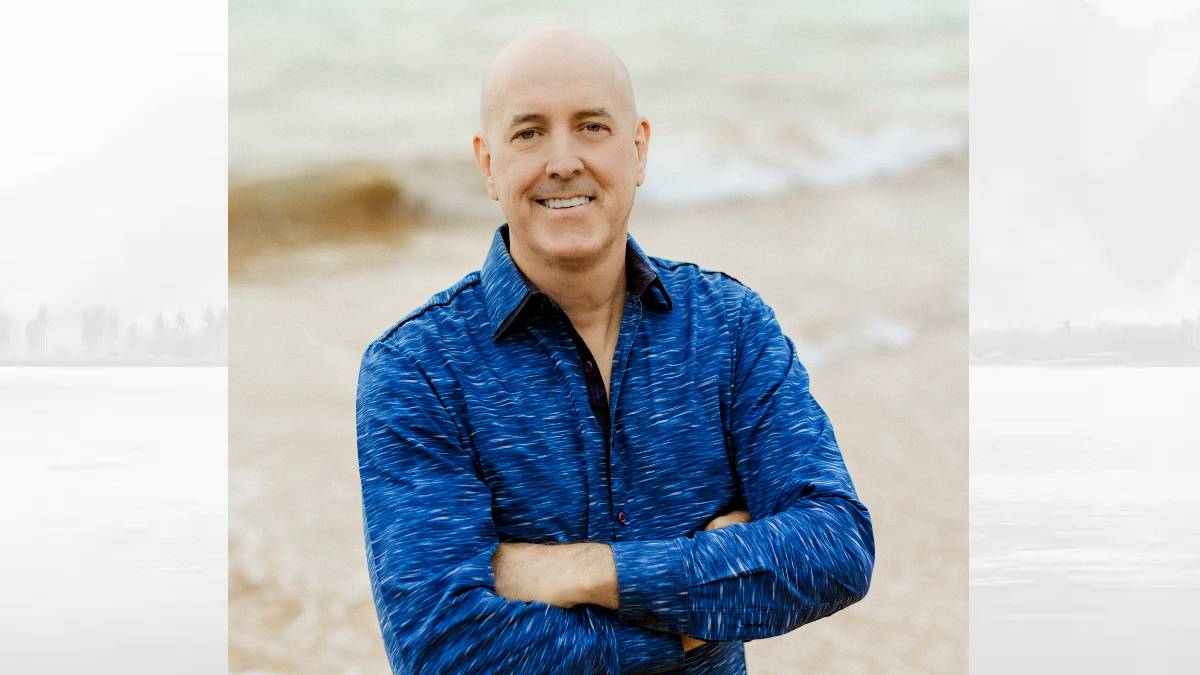
The festival also serves as the “final bridge” between classroom education and a professional production ecosystem, said Kohne. This “cradle to career” pipeline is anchored by the competition’s 31 student films.
These films are the vanguard in the push toward improving the local creative economy so that no one faces the “career suicide” of returning to or staying in Hawaiʻi to be a filmmaker, he added.
“Anybody who’s been at it as long as I have will tell you how important the festival experience is,” Kohne said. “It’s not about finding distribution. It’s about finding your tribe and taking your work on the road and learning from others and sharing your art and connecting.
“And this is where industry connections happen at film festivals, where you find inspiration and those who are serious about moving forward independently, especially film festivals provide that setting.”
Josiah Castillo’s “Ka Po Loʻihi” is one of the student films to be screened. He is a recent graduate of the University of Hawaiʻi at Mānoa, with technical experience on six feature films, and an adjunct professor. The film addresses drug-related trauma through the lens of Hawaiian values like mālama ʻāina (respecting the land).
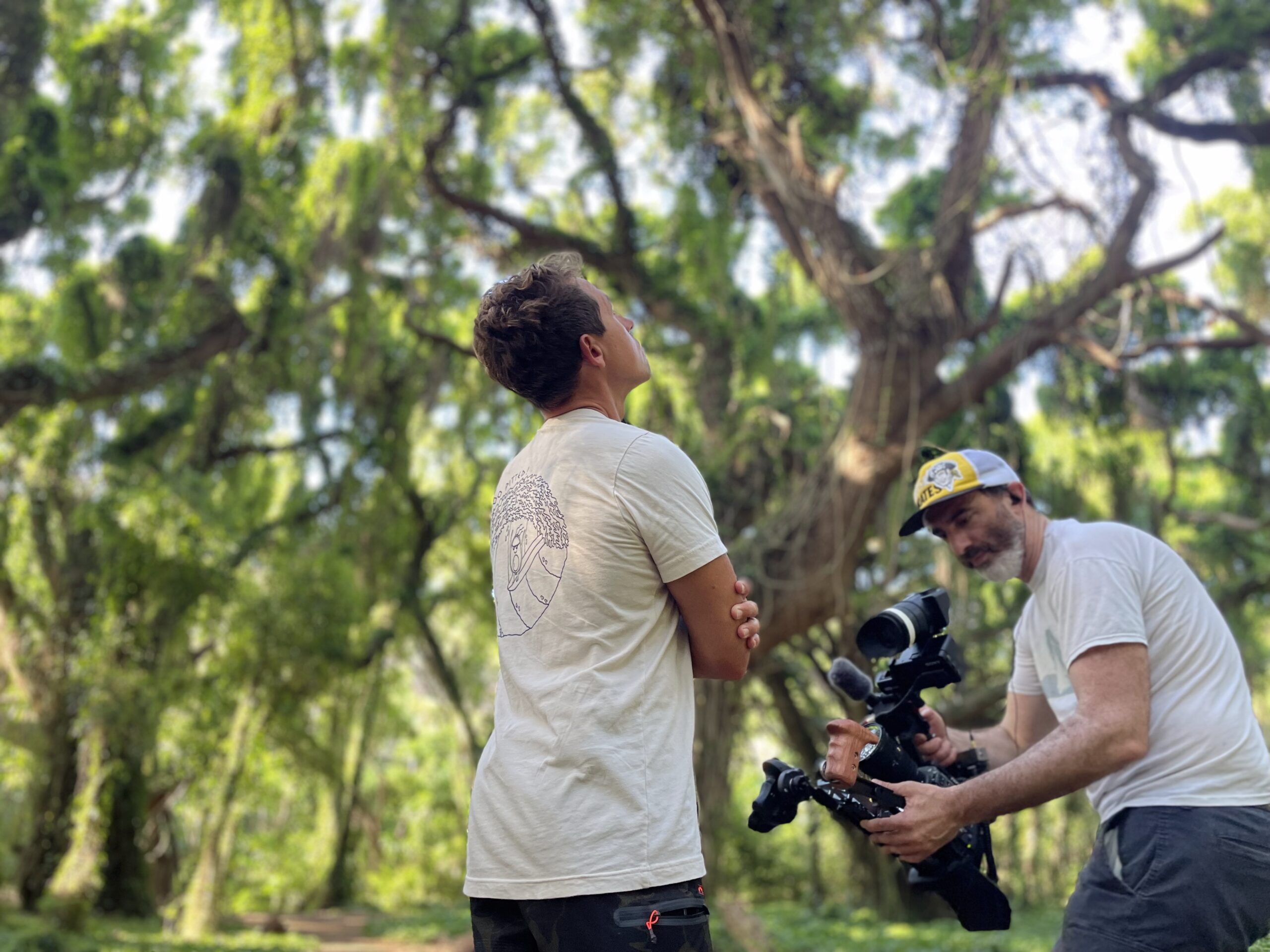
Passing the torch: From Celestial Cinema to Sundance of the Pacific
The conclusion of the Maui Film Festival’s 25-year run — marked by a Chapter 7 bankruptcy filing and the retirement of founders Barry and Stella Rivers — was not the end of Maui’s cinematic journey. In a final act of support for the island’s creative community, the Rivers referred their long-standing $100,000 county grant to the new Wailuku Film Festival.
This hand-off shows that the Wailuku Film Festival is the natural next step for cinema in Maui, Stella Rivers said. Her one piece of advice above all is to persevere, because a film festival “is not an easy task at all.”
“Keep moving forward and making it as fun and fantastic as possible,” she said. “They are the future, and the future is now, and we should support that.”
Shifting the focus away from Hollywood to homegrown will help to move Maui’s cinematic journey from a single act to a self-sustaining industry, Kohne said. The festival’s five-year vision is for it to evolve into a premier gathering place for Pacific-based filmmakers, establishing a marketplace where global talent meets local innovation, he said.
Skinner called the grassroots model a “formidable beginning.” Looking ahead to the festival’s trajectory over the next five years, she envisions it achieving a level of prestige comparable to the world’s most renowned independent film hubs.
“It becomes a marketplace where people from all over the world come to find the next brilliant talent that has its own creative voice, becomes our own little Sundance in the Pacific,” she said.
For Kohne, success is much more locally grounded.
“I think the ultimate success will be when the community itself wakes up to what an event like this can be, and that we establish an audience, a supportive audience for makers within the community,” he said. “If we could cultivate a climate here where there’s deep respect and interest in empowering local, regional storytelling, that personally would be the success I’m looking for.”
Editor’s Note: The inaugural Wailuku Film Festival is a five-day celebration scheduled to run from June 17 to June 21, 2026. Film screenings for the first four days are held in the heart of Wailuku at the Historic ʻĪao Theater and The Naylor Theater. For ticket prices and more information, visit the Wailuku Film Festival website. Also, Lisette Marie Flanary is the director and producer of “MĀHŪ.” An earlier version was incorrect.