

State seeks to fine 3 Big Island men for illegal take of 4,000 ‘opihi from marine reserve
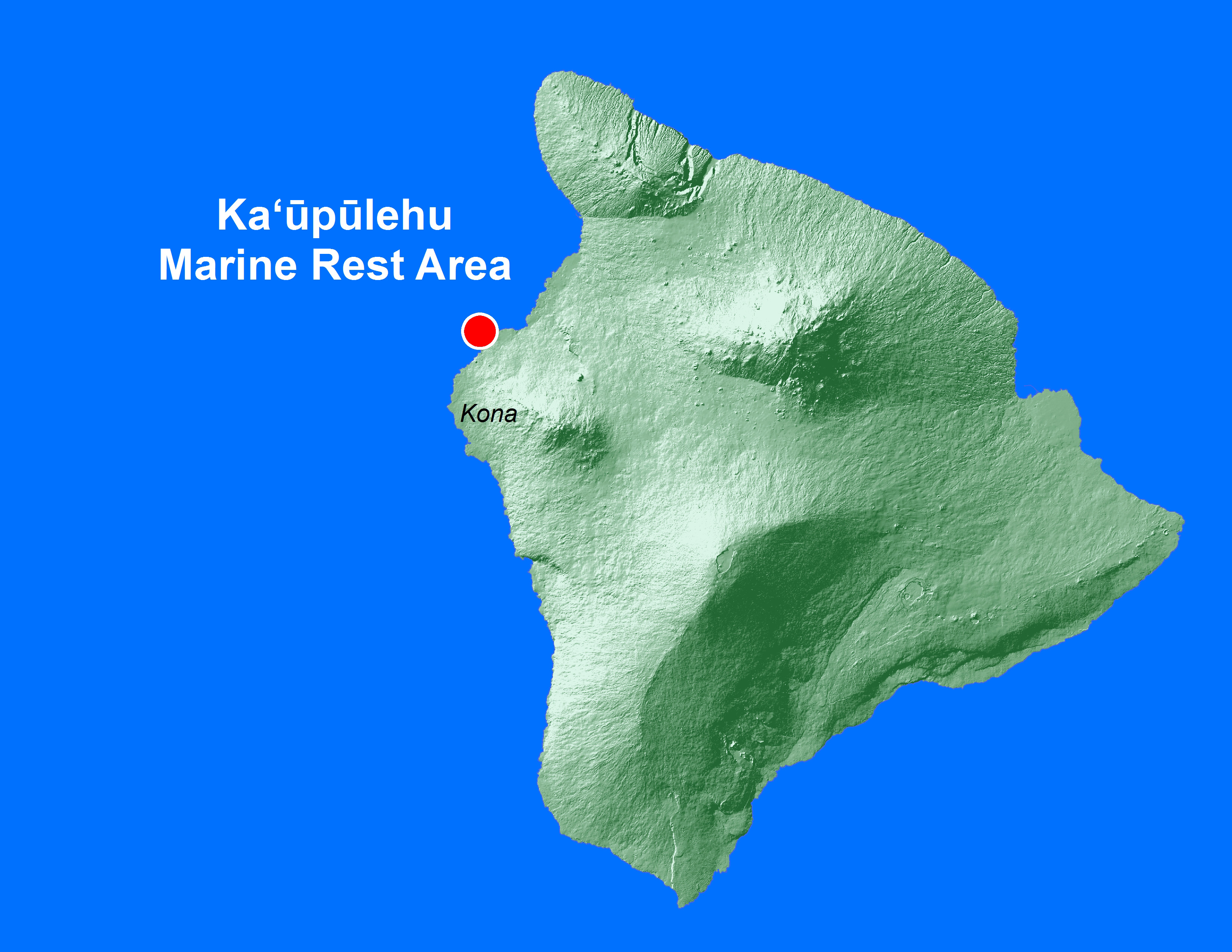
On Sept. 18, 2025, a community member witnessed a yellow-hulled vessel idling within the Ka‘ūpūlehu Marine Reserve off the Kona Coast while three men carried large bags full of what appeared to be the traditional Hawaiian delicacy ʻopihi along the shoreline.
Officers with the Division of Conservation and Resource Enforcement followed up on the tip and tracked the alleged violators from the protected waters to the Kawaihae Small Boat Harbor, where they seized 4,068 ‘opihi, a small sea snail that clings to coastal rocks.
Now, the state Department of Land and Natural Resources is seeking to fine the three men from the Big Island. They were identifed as Brandon K. Carvalho, Kaipo J. Botehlo-Matthey, and Keaupililani J. Solomon-Lewis.
During the June 12 meeting of the state Board of Land and Natural Resources, the state resources enforcement division requested administrative fines and penalties totaling $46,186 or $15,395 each.
The fines and penalties were requested after criminal citations in the case were dismissed in November 2025 with prejudice because the Hawai‘i County prosecuting attorney mistakenly thought there were no available criminal penalties for the violations initially brought against them by the Department of Land and Natural Resources.
After about an hour of discussion and entering executive session, the seven-member land board voted unanimously to defer the fine request to enable the men to collaborate and communicate with the state department about a possible settlement.
Carvalho acknowledged the group had gone out to gather fish and ‘opihi for family celebrations, according to the state enforcement report last September.
Also found on the boat were two butter knives that had been adapted for the purpose of taking ‘opihi, and a red cooler containing legal reef fish, one ono and one tako.
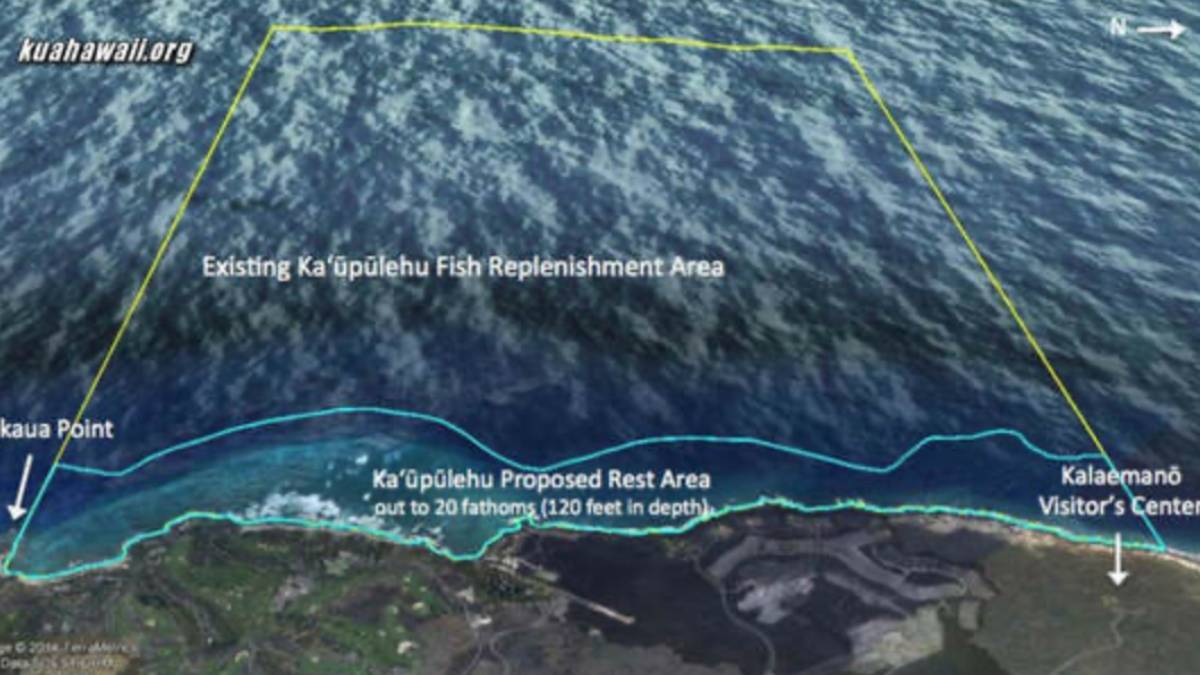
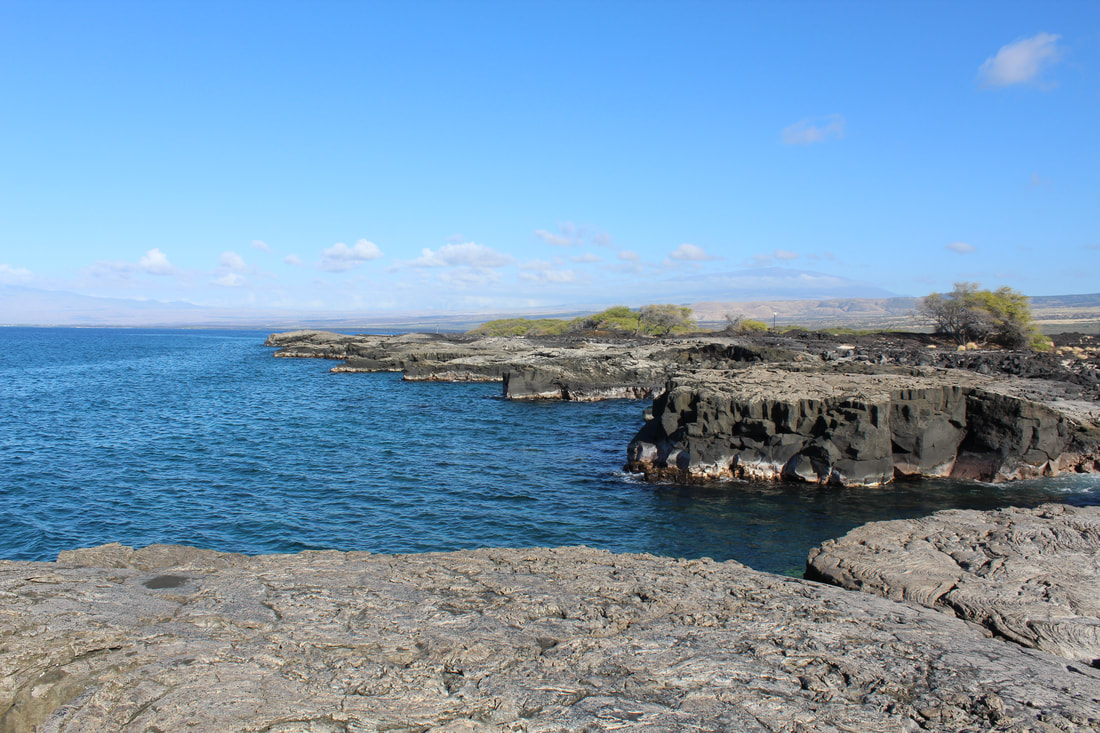
Ka‘ūpūlehu was established as a no-take reserve in 2016 from the shoreline to approximately 20 fathoms — to allow depleted reef resources to recover. This regulatory action implemented the community-driven “Try Wait” period—a 10-year rest period prohibiting most nearshore fishing from Kīkaua Point to Kalaemanō.
That resting period, which ends this year, was to buy time for a plan for sustainable harvest to be developed.
During the meeting, a personal friend of the men read the men’s joint statement to the board, asking to reduce or waive the administrative penalties.
It read in part: “We were born and raised locally and understand the importance of preserving our marine resources for future generations, and at no time did we intentionally violate any law or regulation. The basis of our request is that neither us or any of the others that were there were aware that we were within a designated no-pick zone or a marine reserve area at the time of the incident. We assessed the area by boat rather than by land.”
The statement also drew attention to the dismissed criminal case and noted the recommended penalty “appears a little excessive in light of the circumstances.”
Botelho-Matthey, along with Carvalho, attended the meeting held in Oʻahu by phone. Botelho-Matthey told the board he was sorry.
“I’m all about the Hawaiian culture,” Botelho-Matthey said. “I really feel bad. I try to provide. Not take.”
Rebecca Most, executive director of Hui Kahuwai, provided testimony supporting the fines, saying she was part of the team that tried to return the ‘opihi to the shoreline after they were recovered in September. But a few days later, she told board members that most of the native marine limpets did not survive.
The mission of Hui Kahuwai is to protect and perpetuate the biocultural resources in Ka‘ūpūlehu.
Most said the September incident is an example of how much can be taken and how quickly.
“It’s precisely the kind of event that shows us how fragile the recovery is that we’ve been working so hard on this past decade, and that the gains of a decade can be wiped out when people who don’t know or respect this place treat the resource like an ATM instead of the ice box that it is,” Most said. “In order for Ka‘ūpūlehu to feed the community long-term, we need to not be greedy.”
Wesley “Kaiwi” Yoon, an at-large member of the Board of Land and Natural Resources, got emotional during the meeting as he spoke to the men facing the potential fines. Yoon said to claim ignorance was not acceptable.
“For decades, our generation and each of these board members that you see in front of you, we fought to protect and preserve,” Yoon said. “But at the same time, we wanted to extol the virtues and mana of our culture, even in the face of adversity.
“These actions, these types of actions, boys, demonstrate our inability as a lahui to love and preserve and protect our fragile cultural resources. I’m not upset, boys. I’m disappointed and I’m hurt. I’m hurt because we fought all these years for you guys, this next generation.”
Sponsored Content