 Hawai'i Journalism Initiative
‘Īao Valley emergency flood repairs approved, but questions arise about long-term impacts to river
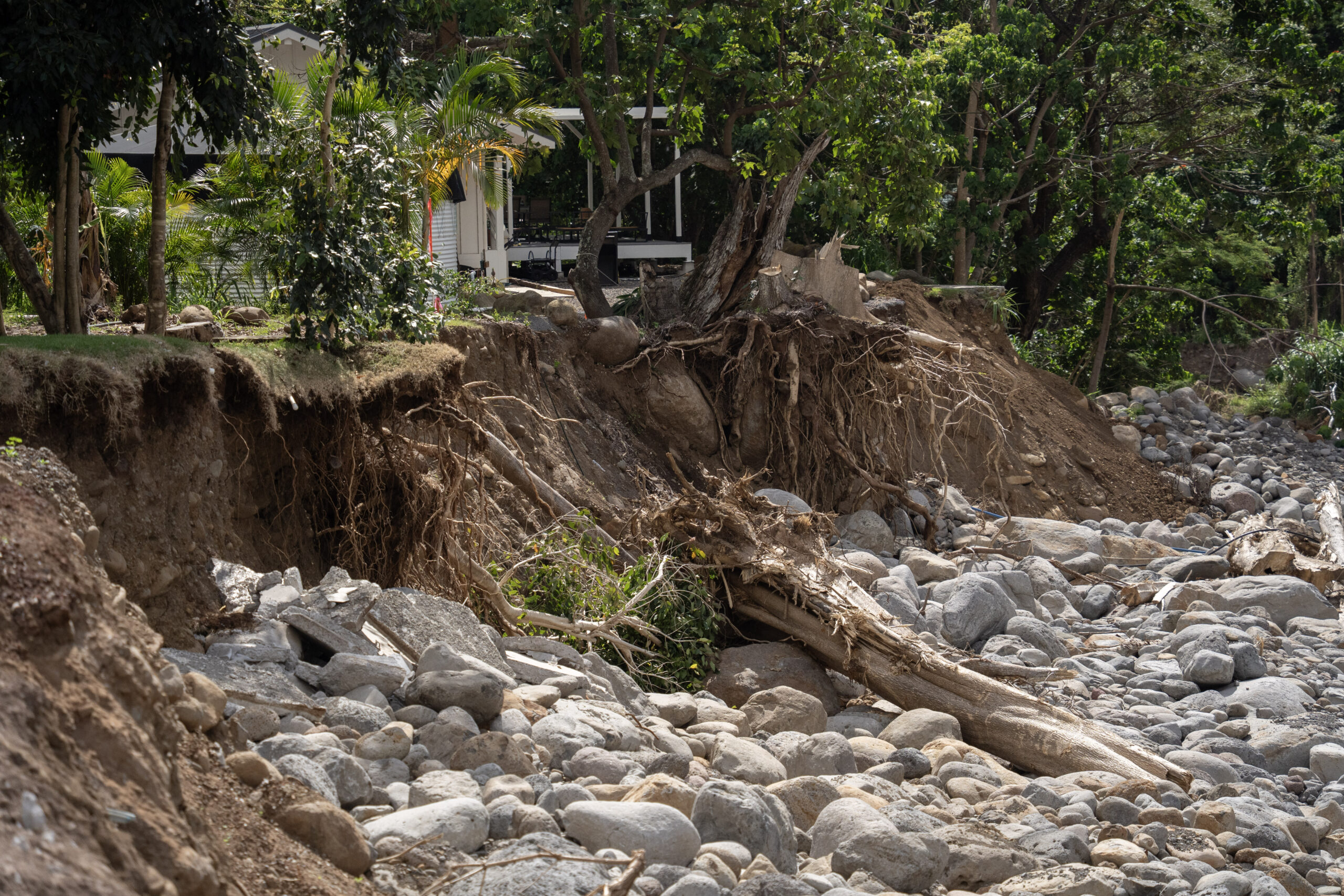
When rising floodwaters threatened their properties in March, ‘Īao Valley residents living on the banks of the Wailuku River rushed to protect their homes.
“We were all in constant communication, wanting to make sure we were doing what we could to help each other and not hurt each other,” said Kainoa Horcajo, whose family lost several acres during the storm.
On Tuesday, the Hawai‘i Commission on Water Resource Management decided the work done by residents in the days after the flood to move rocks with excavators and redirect the Wailuku River was in line with emergency rules and won’t require additional permitting.
Owners of six properties in the valley came before the commission on Tuesday to review the emergency measures they had taken and asked to forgo a stream channel alteration permit that’s required for any work done in a stream. The commission approved all of them.
But the patchwork repairs along the banks raised questions about the long-term impacts to the river and what can be done in the future to protect homes and natural resources as destructive storms become more frequent.
“We know that our climate is changing, weather patterns are changing. This may no longer be a 100-year flood event. Maybe it’s going to be happening every 10 years,” said Hōkūao Pellegrino, president of Hui o Nā Wai ‘Ehā, an organization that advocates for mauka to makai streamflow restoration. “
In the days after the flood, Pellegrino the organization received 13 emails and phone calls complaining about excavators in the Wailuku River. The heavy machinery was an emergency measure, brought in shortly after the first Kona low storm to shore up the banks of the river before a second storm descended on the islands the following weekend.
Before the hui had even contacted the water commission to ask for an investigation, the state reached out and said it had also received complaints. On March 20, the Department of Land and Natural Resources posted a photo on social media warning against the unauthorized use of heavy machinery in streams.
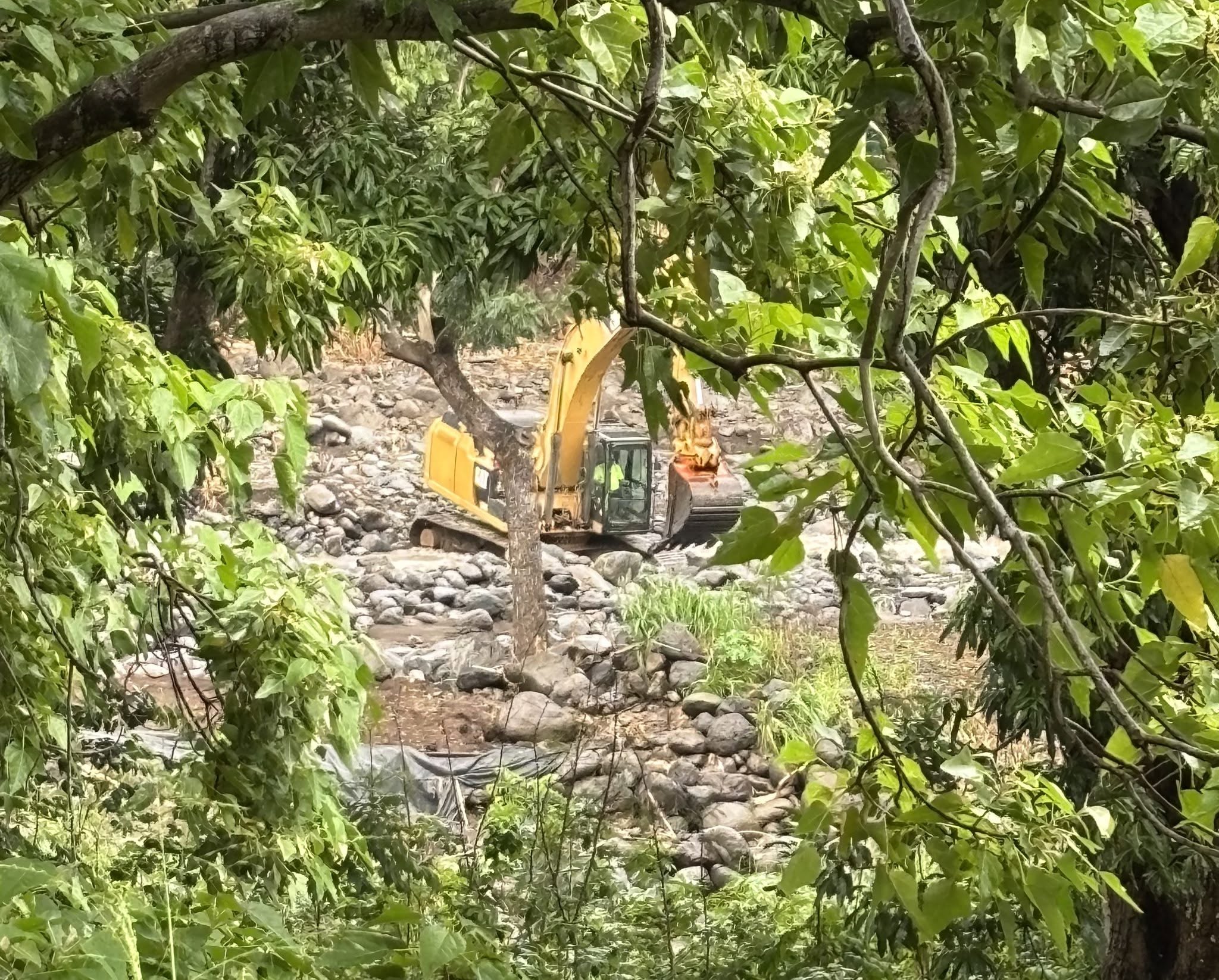
Residents said at the time that the excavators were removed from the valley shortly after, leaving them with half-finished berms as they braced for the second storm.
Dean Uyeno, manager of the Stream Protection and Management Branch, said state laws allow residents to take emergency action to prevent loss of life or damage to property, as long as the work is focused on removing “immediate threats” and the residents notify the department and seek emergency authorization.
If the commission decided the property owners had gone beyond the minimum amount of work necessary for an emergency authorization, it could require full stream channel alternation permits and require the residents to take corrective actions.
Residents said the work they did was limited to repairing damage caused by the storm and restoring the stream channel to how it was before. They included:
Robert and Tamara Horcajo: Their property was one of the hardest hit by the flood, which impacted 2,500 feet of river fronting their land. On the north side, they lost land, and on the south side, they lost farm crops, planting areas, farming supplies, lumber material for milling and building material next to a wash/pack facility, which was then in the current path of the river.
According to their application, “emergency actions were taken to protect the wash/pack facility and other farm assets by redirecting the river flow towards the location where it existed prior to the storm,” and more emergency action is still needed to protect the second farm dwelling. The Horcajos requested emergency authorization on March 20 and were approved on March 23.
Yas and Mina Yamazaki: The flood impacted about 275 feet of river fronting their property. While their home survived, the Yamazakis lost some land as well as their river water pumping station. Their 15,000-gallon water tank, the only source of water for the Yamazakis and two other neighboring families, was in danger of falling into the river.
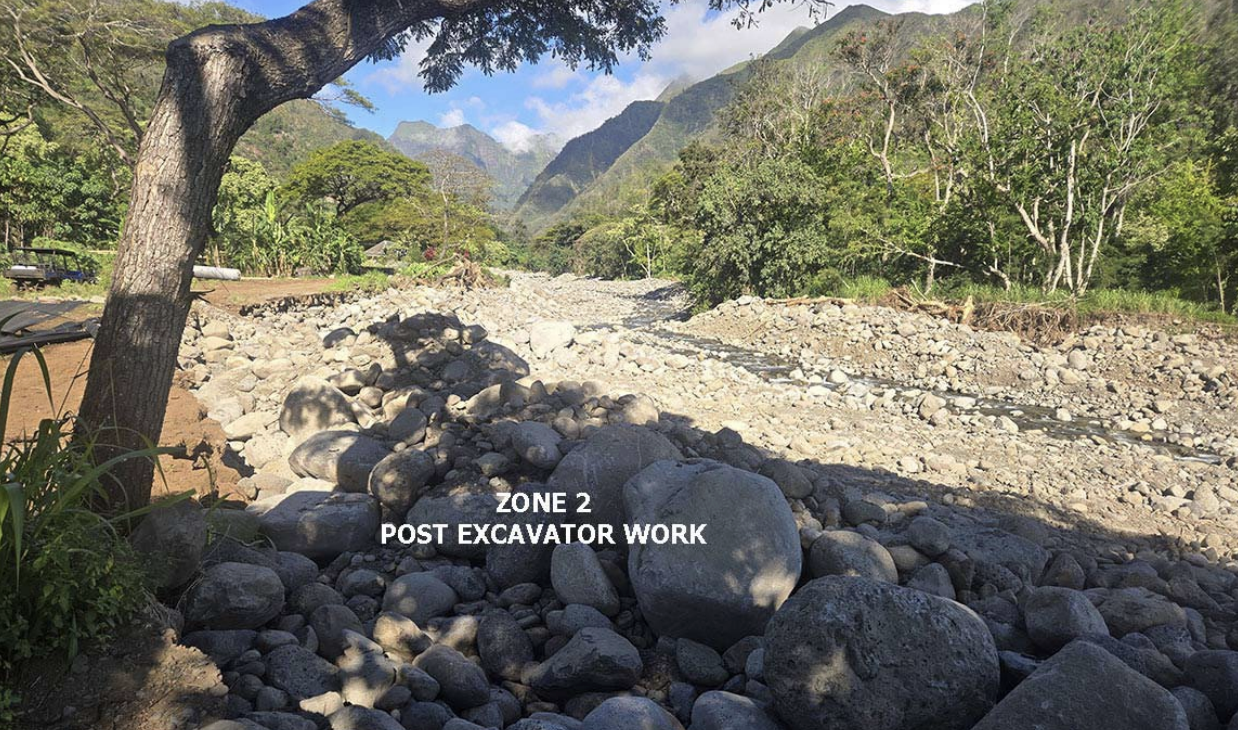
Work on their property involved piling rocks at the base of the denuded streambank to reach the top of the concrete stairs that partially washed away. They requested emergency authorization on March 20 and were approved on March 23.
The Duey family: The flood impacted about 1,900 feet of river fronting their land and started encroaching on structures on the property as the river changed course. The family wanted to remove large boulders, fallen trees and other litter that washed downstream, as well as redirect the river back toward its prior pathway and remove debris to prevent obstruction of streamflow.
Work on their property included creating a rock berm to divert streamflow toward the opposite bank. They applied for emergency authorization on March 23 and were approved on March 24.
Tom and Carrie Bashaw: Flooding impacted about 160 feet of river in front of their property, weakening the riverbanks until their home collapsed into the stream. It also threatened their septic system which was within 15 to 20 feet of the riverbank, along with a barn/shop building about 90 feet away.
Work involved moving rocks toward the remaining streambank to protect their property. They requested emergency authorization on March 24 and were approved on the same day. Tom Bashaw said they also “put a little bit of soil on the edge of the bank” to make it safer and so they could access the river to pump water to their tanks. He said they’re not planning on adding any more soil, and that bringing in enough soil to replace the land they lost is “cost-prohibitive for us.”
“We’re just going to leave it the way nature takes it,” he said.
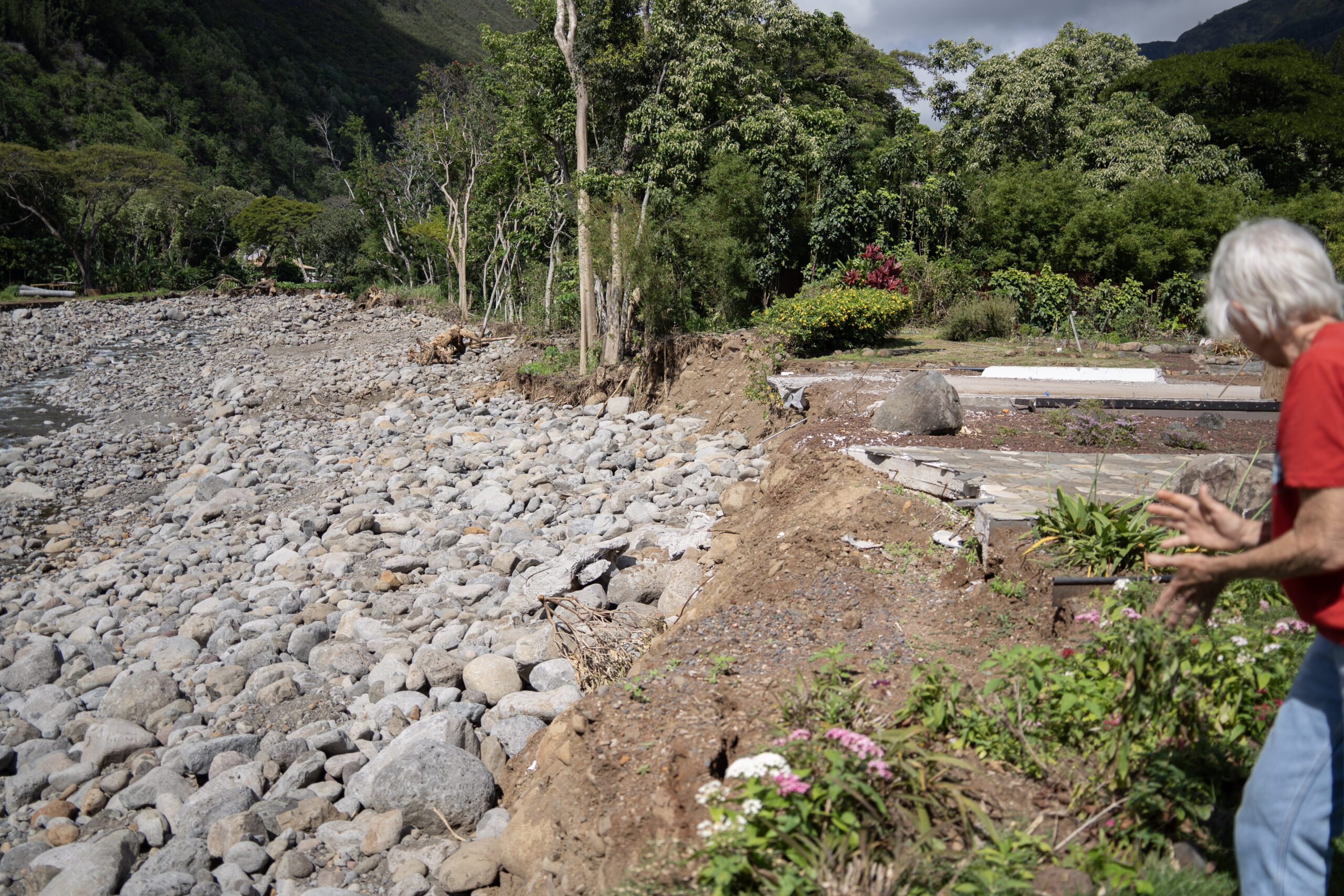
Mark Juergensmeyer: The flood impacted the entire 230 feet of river fronting the property, eroding away about a third of an acre as well as trees and a gazebo. The realigned river threatened a storage structure about 15 feet away from the new river bank and his main home about 30 feet away. Juergensmeyer sought to use an excavator to move rocks in the river to protect the remaining streambank. He requested emergency authorization on March 26 and was approved on March 27.
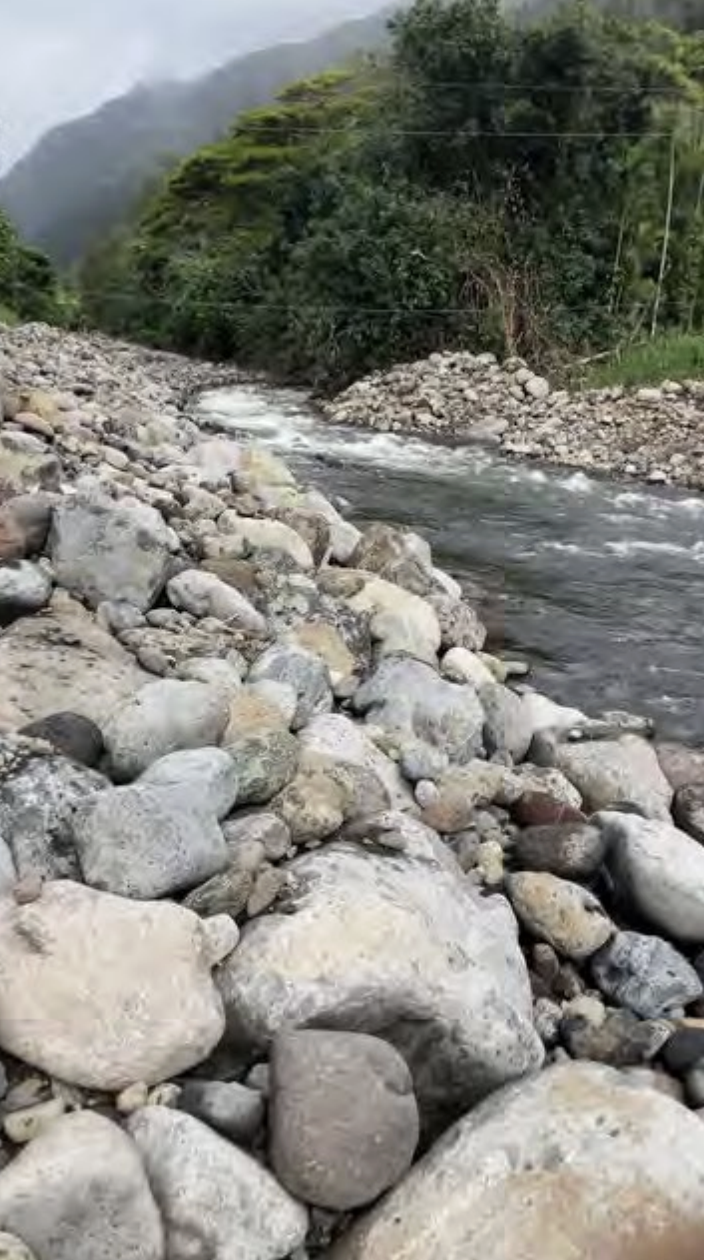
Robert and Mary Ann Gomes: The flood impacted about 40 feet of river fronting their property. While their homes were not damaged, the Gomes family lost about 20 to 40 feet of land on both the north and south streambanks. Work involved restoring both banks of the river. The family requested emergency authorization on March 26 and were approved March 30.
On all of the properties, commission staff said excavators were used and the work “was limited to the minimum amount necessary to remove immediate threats to health and safety or to prevent immediate or further damage to property.”
There was no hardening of the stream bank or construction of new structures.
Commissioners said any future non-emergency work in the river will require a stream channel alteration permit.
In 2016, after a flood in ‘Īao Valley was described as a “100-year event” by officials, Maui County removed thousands of tons of rocks that had washed downstream and sent some to the landfill to be crushed, sparking backlash from Native Hawaiians who said the rocks were sacred.
The response to 2016 flooding was “very messy, and this time around, we wanted to stay ahead of that,” said Pellegrino. But he added: “We fell into similar situations where work was being done without authorization,” which was challenging given that the hui knows and works with many of the families in the valley.
“We’re not here to impede or be a barrier to the work that is needed to protect those that were affected,” Pellegrino said. “We want to reiterate the importance of making sure that the work in our streams and rivers, and in particular the Wailuku River, is being done in a pono manner, and that both cultural and natural resources are being protected.”
He said the hui has concerns about how the repairs to individual properties could impact the overall river in the long term. With all these “one-offs,” rechanneling and moving parts of the stream to make sure it goes back into the center, Pellegrino said the big questions is: “How is that impacting those neighbors that didn’t do any of that rechanneling work? How is that impacting water infrastructure, cultural resources, native aquatic stream life?”
This is especially important because the Wailuku River is the cultural and scientific “gem” of Nā Wai ‘Ehā, which also includes the Waikapū, Waiehu and Waihe‘e streams, Pellegrino said.
Uyeno said “it’s difficult to say” how the river would change after the flooding and repairs. The river already has expanded from 20 to 40 feet to nearly 100 feet in some areas because of the storm.
“Ideally, we would want them to come forward with a concerted effort as a community to come up with a solution,” Uyeno said. “But when you’re in that, when that storm is happening, it’s hard to make these decisions. And it’s hard, we’re not on the ground on Maui or anywhere else to make these decisions, and so we do the best that we can.”
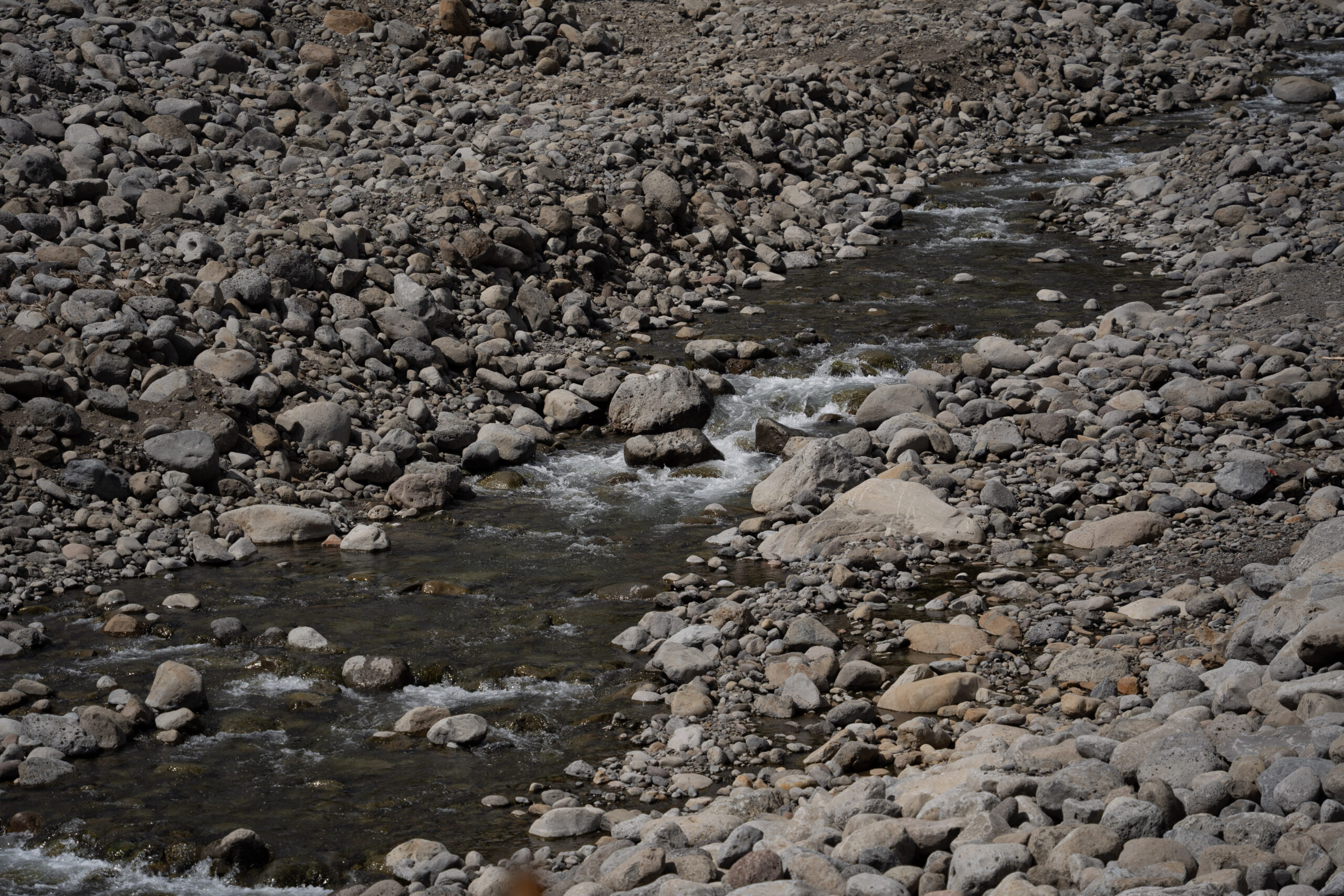
Kainoa Horcajo said while there are many landowners in the valley, only about seven or eight live along the 2-mile stretch of the river from Kepaniwai Park to the county’s flood control basin. They have formed a group called Hui Mālama ‘Īao that includes both river-fronting neighbors as well as other landowners in the valley who are starting to have discussions about “long-term safety, resiliency and stream river restoration.”
“We know that long term, we need to do something else,” he said. “No one wants to work independently.”
Hocajo agreed with Pellegrino that solutions need to be culturally respectful and scientifically based, and said one of the hui’s goals is working with the county and the state to figure out whether they can do a “complete watershed restoration plan.”
“We’re trying to do our best to move as quickly as we can to figure out what we need to do, knowing that the changing weather environment will provide more opportunities and more dangers like this in the future,” Hocajo said. “We do not want to impact negatively cultural resources, the biological resources of the river.”
The group aims to work with Hui o Nā Wai ‘Ehā and doesn’t want to duplicate its work. Hui Mālama ‘Īao’s focus will go beyond the river, including security, exit and entry, and other issues for residents in the valley.
“We hope to do our best,” Horcajo said. “We know that we often might disagree. What might be best for one individual property might not be what someone else wants to do. We want to operate within the law in this.”