


 Hawai'i Journalism Initiative
Plans to replace portable toilets with permanent bathrooms at Mākena State Park cause big stink
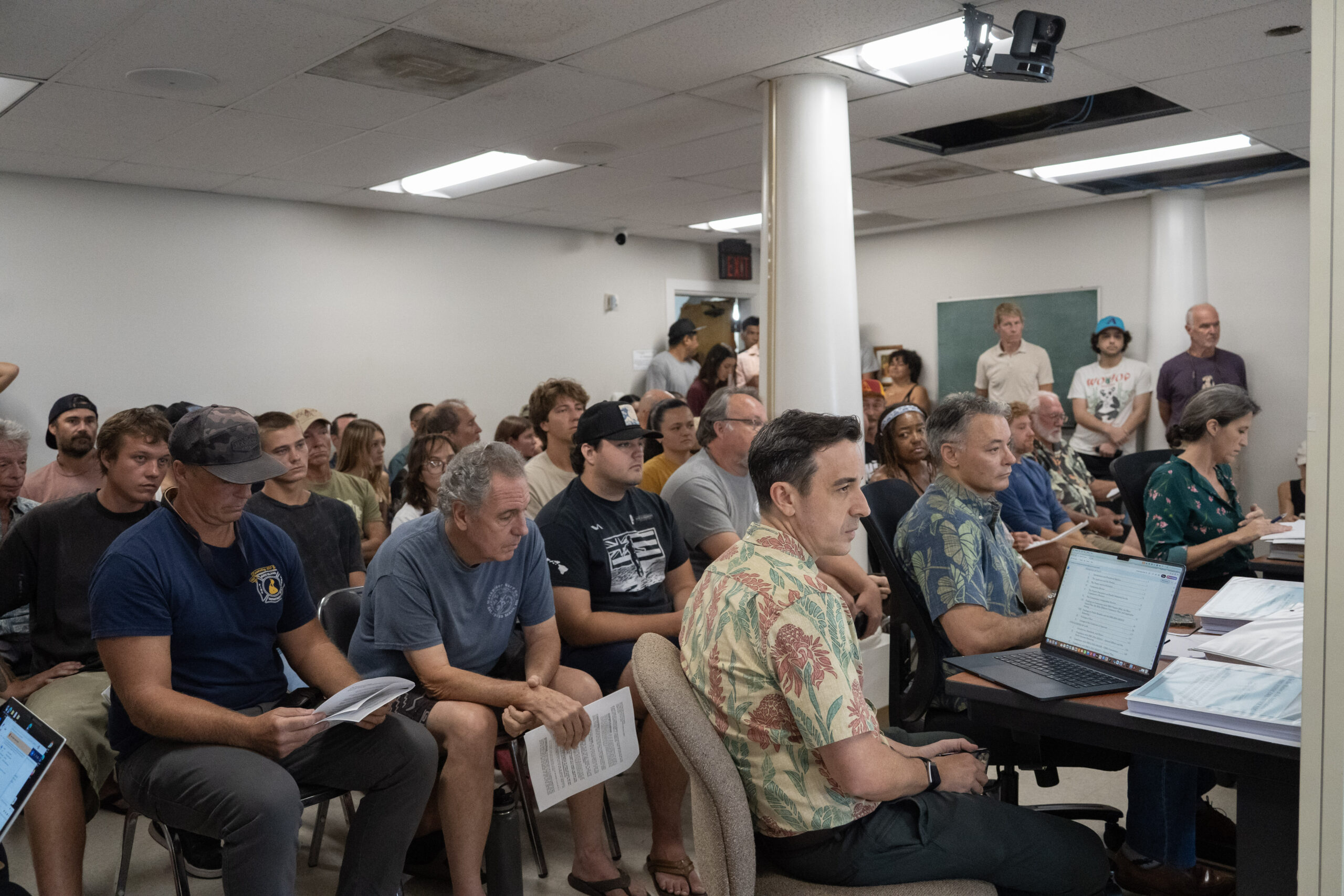
WAILUKU — Crammed tightly into a small meeting room with people spilling out into the hallway, dozens of community members came to Wailuku on Tuesday to put a stop to a planned development in South Maui.
The residents hadn’t come to protest The Grand Wailea’s expansion plans or the Outrigger Kāʻanapali Beach Resort’s proposed upgrades. They were worried about a different project: bathrooms at Mākena State Park.
The Hawaiʻi Department of Land and Natural Resources wants to build two “comfort stations” with bathroom stalls to replace existing portable toilets that it says are unpopular with beachgoers. The project also calls for installing two new outdoor showers, adding water infrastructure and expanding the parking lot.
But the plans are spurring a debate over tourism, safety and protection of natural resources in a place that both sides describe as one of the island’s most treasured spots.
On Tuesday, opponents urged the Maui Planning Commission to deny a special management area permit for the project, saying it would ruin a pristine location and attract more inexperienced visitors to the often dangerous shorebreak.
But supporters said the improvements would replace “hot, smelly” porta-potties with much-needed facilities that the community has wanted for a long time.
“It bums me out to have a whole bunch of people behind me who are going to testify against it,” Alan Carpenter, the acting administrator of the department’s State Parks Division, told the Planning Commission.
Carpenter said everyone deserved to be heard but added that there has been “a lot of misinformation circulating” about the state’s plans, which he said would not change access or management of the park.
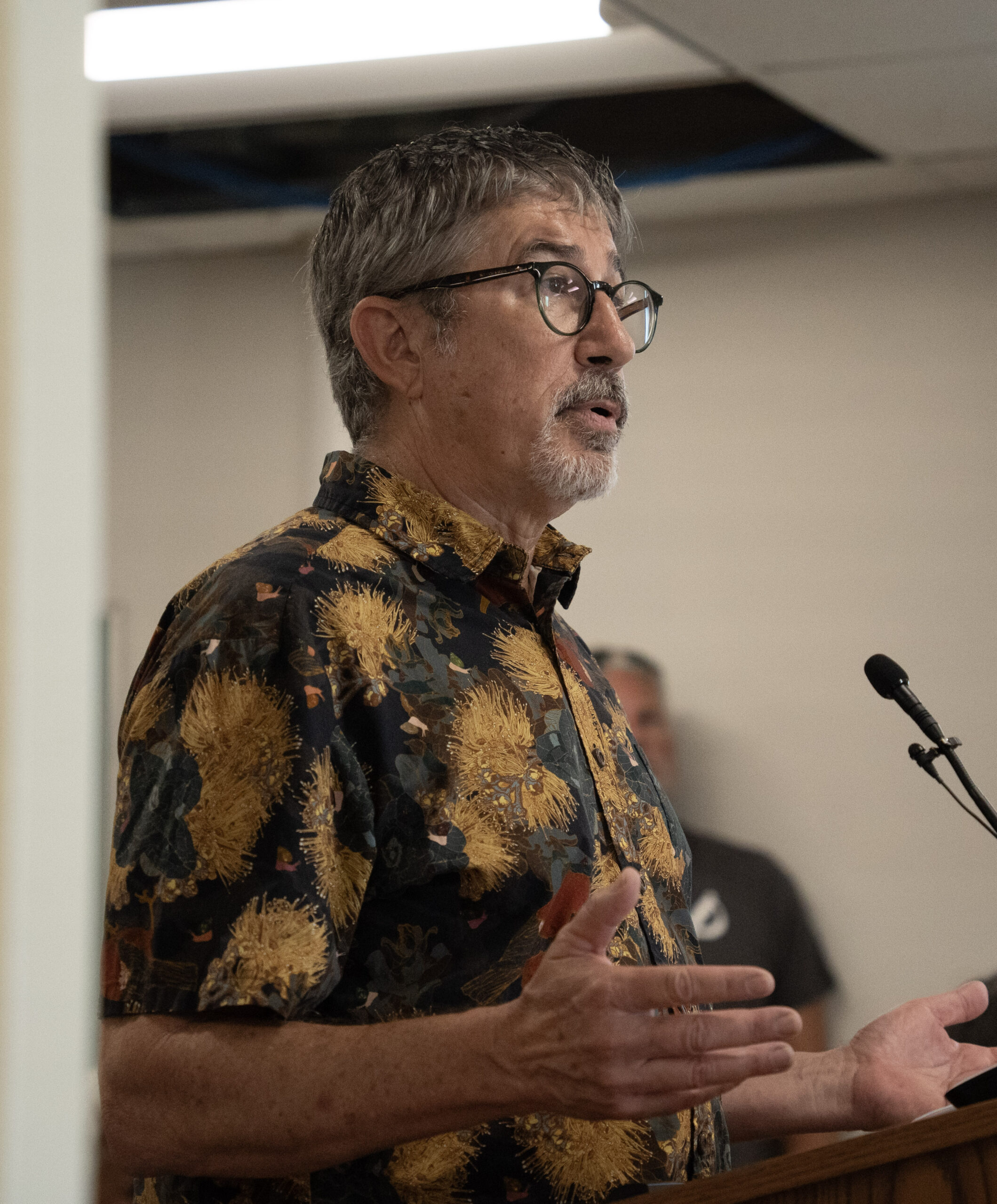
“We are simply proposing to create a higher-quality experience,” Carpenter said.
The deep blue waters and wide sands of Mākena’s 165-acre park, which includes Oneloa (Big Beach), Oneuli (Black Sand Beach) and Pu‘u Ōla‘i (Little Beach), are beloved by residents and visitors who come to swim, bodyboard, fish and soak up the natural beauty. For years, Pu‘u Ōla‘i also has been a hotspot for nude sunbathers.
Carpenter said the state doesn’t have an exact count on the number of residents who go to Mākena but estimated that about 500,000 people use the park each year, including close to 120,000 visitors.
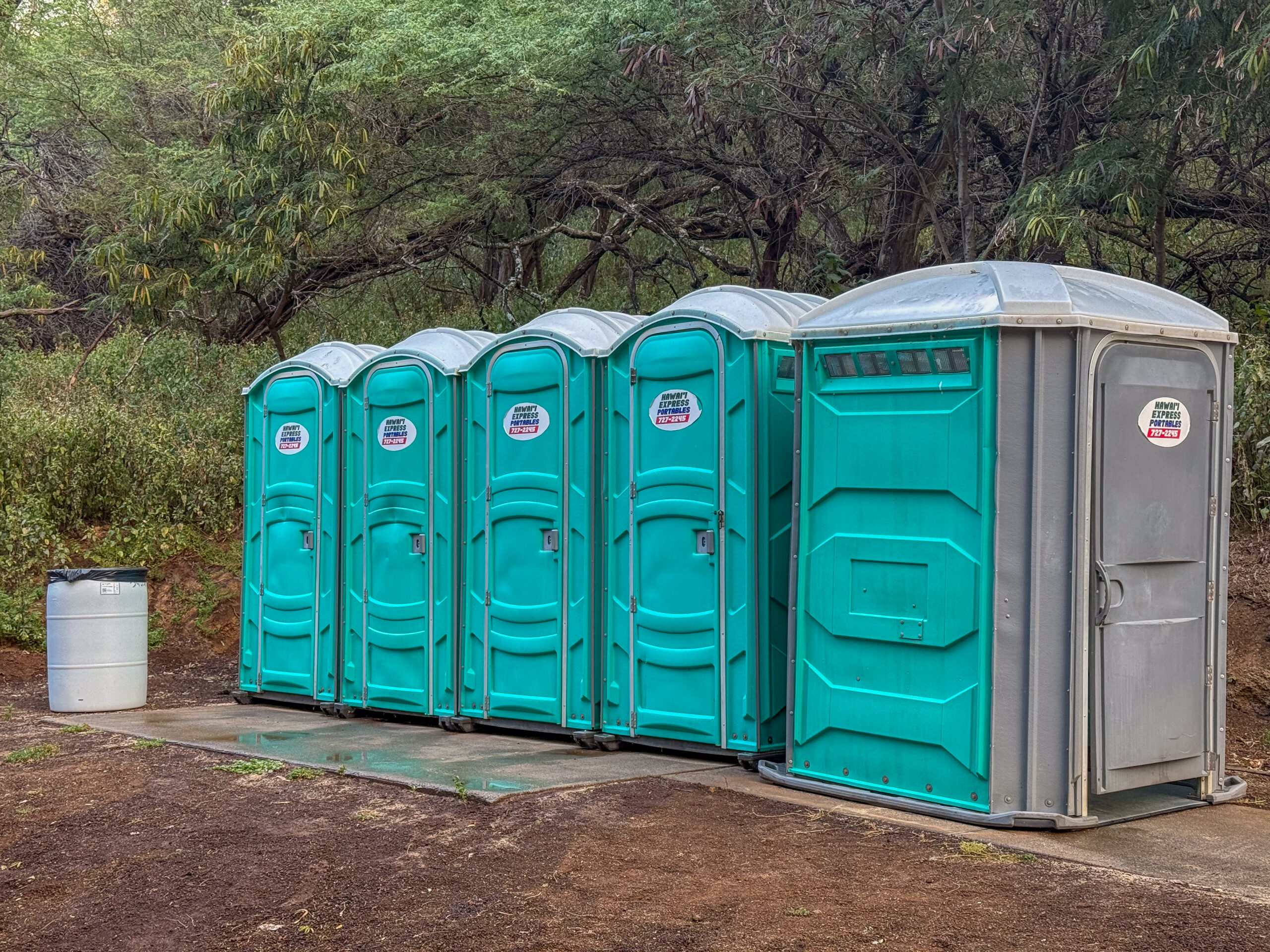
Amenities at Mākena are sparse, with five porta-potties at the entrance to the beach and no showers. Residents said they’ve learned to haul in their own jugs of water or drive to nearby beach parks to shower off.
Gwendolyn Rivera of Munekiyo Hiraga, the state’s consultant for the project, said the portable toilets can get hot, reaching over 100 degrees. Some beachgoers dislike them so much that they resort to going in the bushes and leaving behind trash. Servicing porta-potties also is a struggle because there are only a handful of companies that do it on Maui, and demand for them is high in Lahaina because of the rebuilding from the August 2023 wildfire.
Many Mākena beachgoers go to other nearby beach facilities afterward to use the showers, Rivera added.
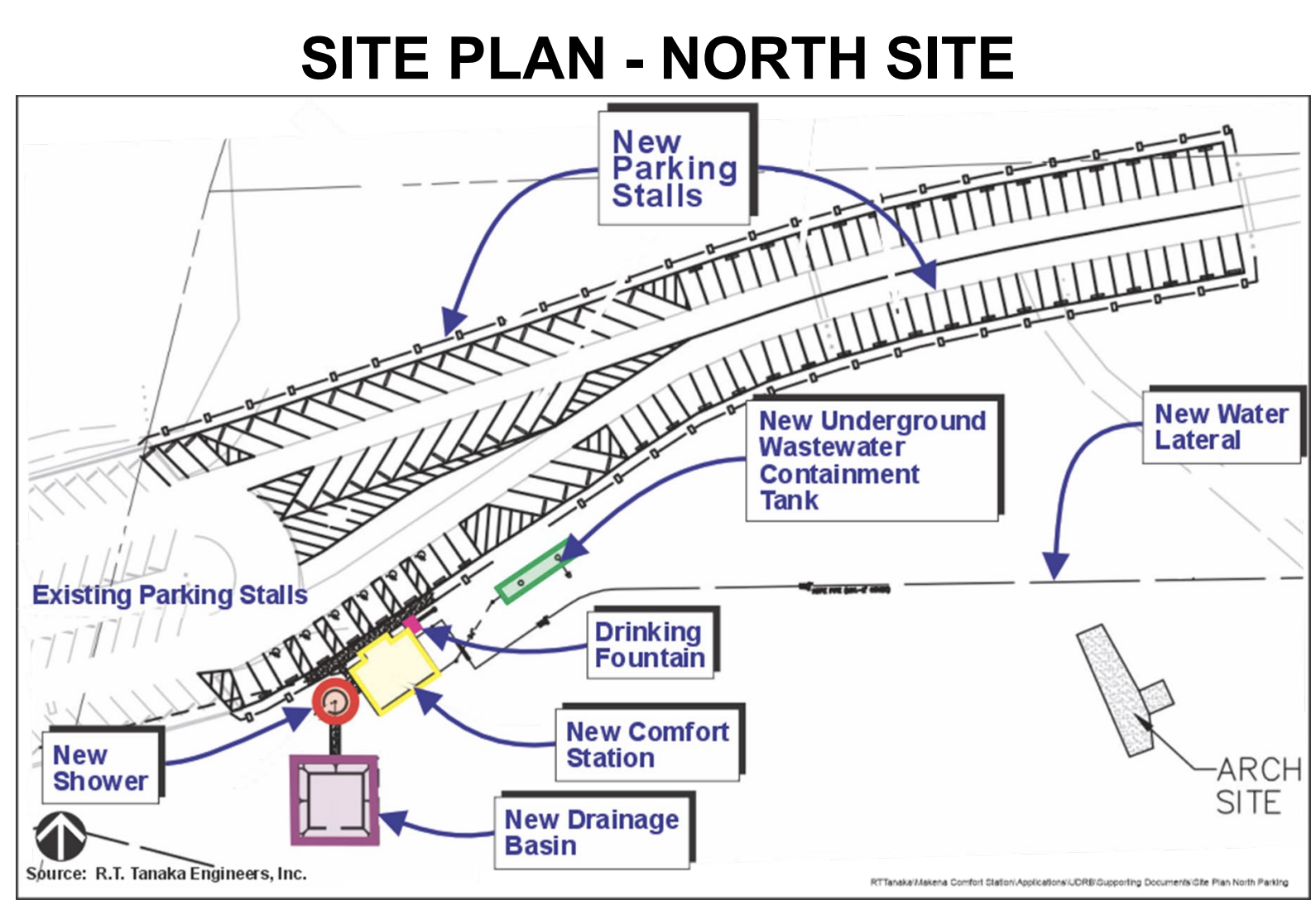
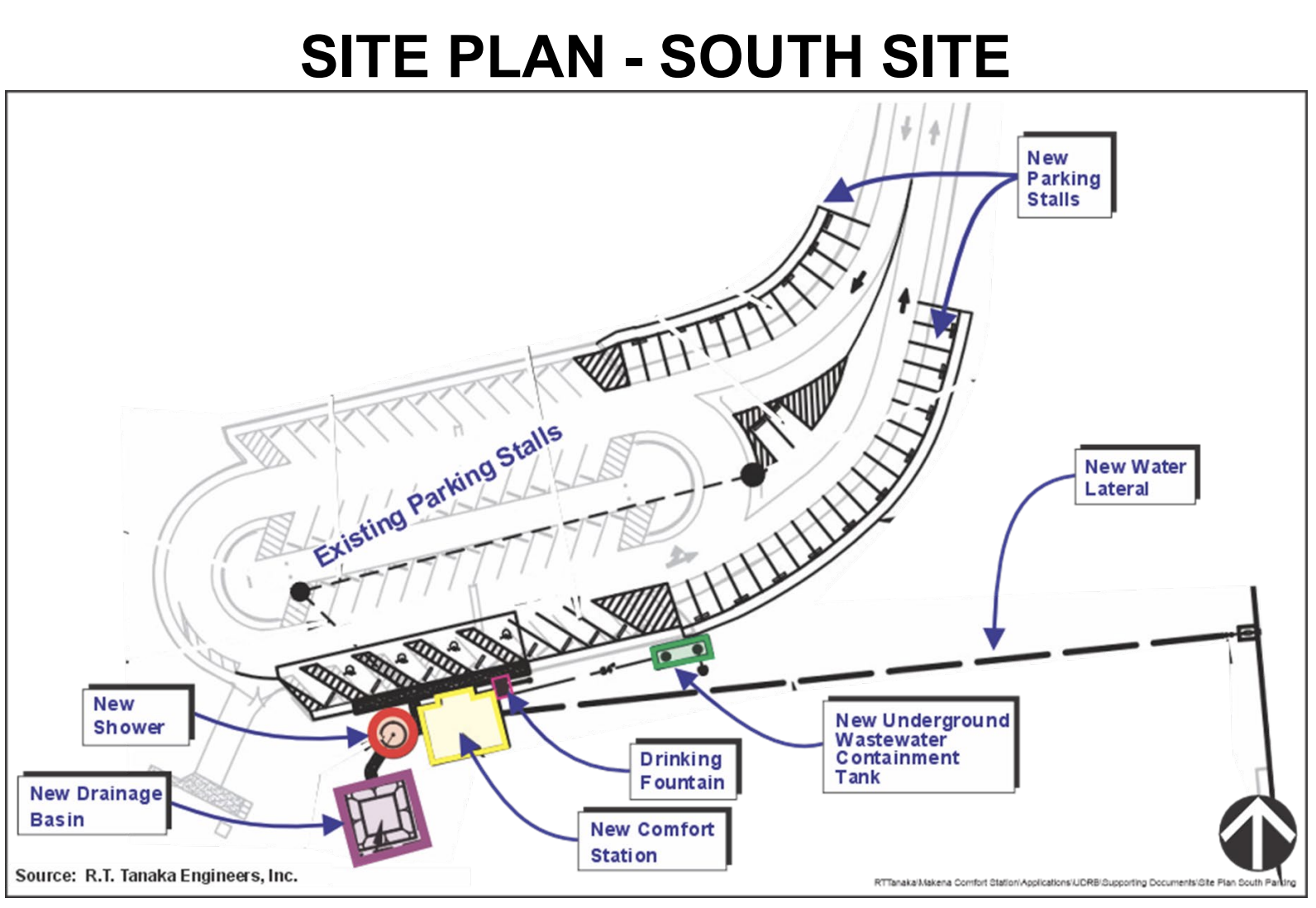
The state’s proposed 1,300-square-foot comfort stations would each include four women’s toilets, three men’s toilets, a urinal, interior sinks and a central maintenance storage area that would be built next to the north and south site parking lots. The two showers would be located next to the comfort stations, and two new water service laterals would also be installed to provide water for the toilets, sinks and a water-filling station.
The state also wants to pave and stripe unmarked parking and increase capacity from 238 to 276 stalls, with all of the new stalls at the southern site. Currently there are 138 striped stalls and 100 “unsanctioned” stalls on the road shoulders and gravel areas, according to Carpenter. Rivera said the “unorganized” gravel parking lot doesn’t leave enough room for emergency vehicles, and cars with hot exhaust systems parking on the shoulders with dry grass pose a fire risk.
Aiming to squash rumors, Rivera emphasized the project would not include park fencing or gates, other than small fenced security enclosures for wastewater containment tank areas. There also would not be a reservation or shuttle system; changes to parking and access policies; the creation of a single park access point; a walk-in ban; changes to street parking outside the park; or work within the shoreline area.
The project, which completed its final environmental assessment in 2022, is expected to take a year and cost just over $2 million. The state aims to start construction once it can get approval for the special management area permit.
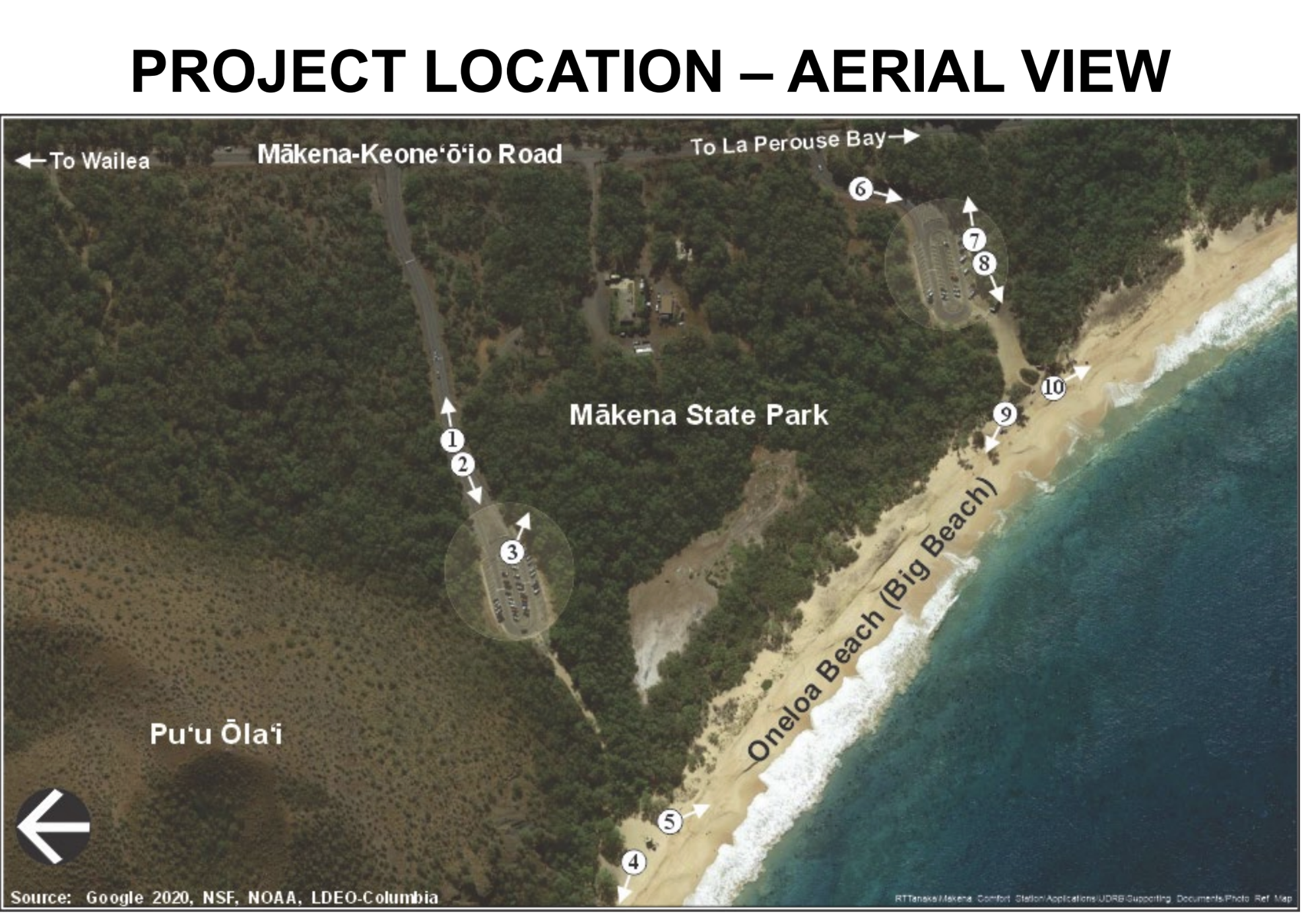
 An aerial view shows the layout of Mākena State Park’s parking lots. Graphic courtesy: Munekiyo Hiraga
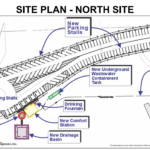
- A map shows the location of proposed improvements at the north parking lot of Mākena State Park. Graphic courtesy: Munekiyo Hiraga
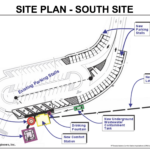
- A map shows the location of proposed improvements at the south parking lot of Mākena State Park. Graphic courtesy: Munekiyo Hiraga
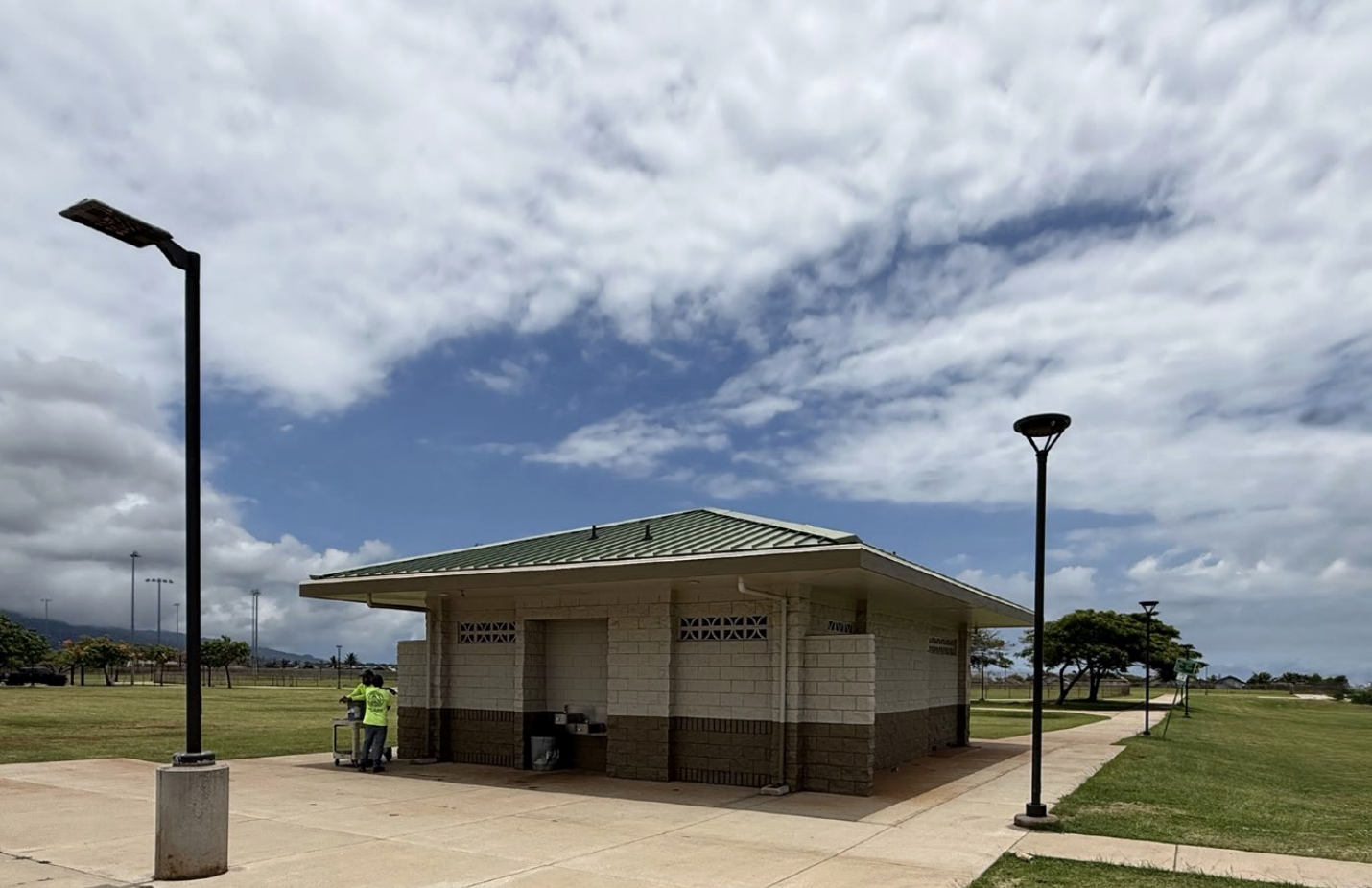
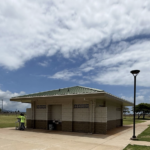
- The bathrooms at Mākena State Park would be similar to this facility at the Central Maui Regional Sports Complex. Photo courtesy: Munekiyo Hiraga
Carpenter said people think the state wants to turn Mākena into “a cash cow” or follow the model of Hā‘ena State Park on Kaua‘i, which curbed overcrowding by making changes that included a paid reservation, parking and shuttle system for tourists. While Carpenter said that “has been a godsend” for Kaua‘i, “Hā‘ena is not Mākena. We don’t need that model here.”
“I have not once ever suggested using that plan, shuttles, reservations, any of that at Mākena,” he said. “We don’t intend to. So I just want that part to be clear from the beginning.”
Carpenter explained that Mākena operates at a deficit of about $1.3 million a year. Annual operating costs are more than $2 million a year, primarily for paying lifeguards, while revenues from $10 parking and $5 entry fees for visitors (residents get in free) generate about $700,000. The state installed the pay stations in December 2019.
Rivera said the improvements project is a “direct response” to the community’s wishes in a 2013 survey by the Oneloa Coalition, which found that park users supported permanent restrooms and showers at Mākena.
Sam Garcia Jr., who was born and raised in Wailuku and has lived next to Keawala‘i Congregational Church in Mākena for 50 years, said he spent nearly four decades pushing for a restroom and showers at Mākena. He’s served as the president of the Mākena Homeowners Association since 2005 and said the organization “has always seen value in this project.”
“We see restrooms as being the most sanitary means of providing for our local residents as well as our visitors,” Garcia said. “The porta-potties are hot, smelly and definitely not sanitary. This is not the way to treat our valued residents or our visitors.”
Garcia said there are beach showers near his home, and every evening, people “come in with radios blaring” to wash off in the ice-cold water, letting out startled screams at “all hours of the night.”
But Ryan Quinn, who moved to Kīhei in 1987, worried that bathrooms, showers and more parking would erode the charm of Mākena that blew him away the first time he drove down the dirt road to the beach. “I didn’t know that beautiful places like that existed,” he said. Aside from the paved parking and the lifeguard stands, it’s basically the same today.
In an area where most of the valuable shoreline is hogged by massive resorts and “sprawling estates for the rich,” Quinn said, “this small stretch of coastline is about the only place around here that hasn’t been changed.” He said he didn’t want to see more lights, sidewalks or smells from the new bathrooms.
“Mākena, in my opinion, does not need improving,” Quinn said. “It needs to be left alone and respected.”
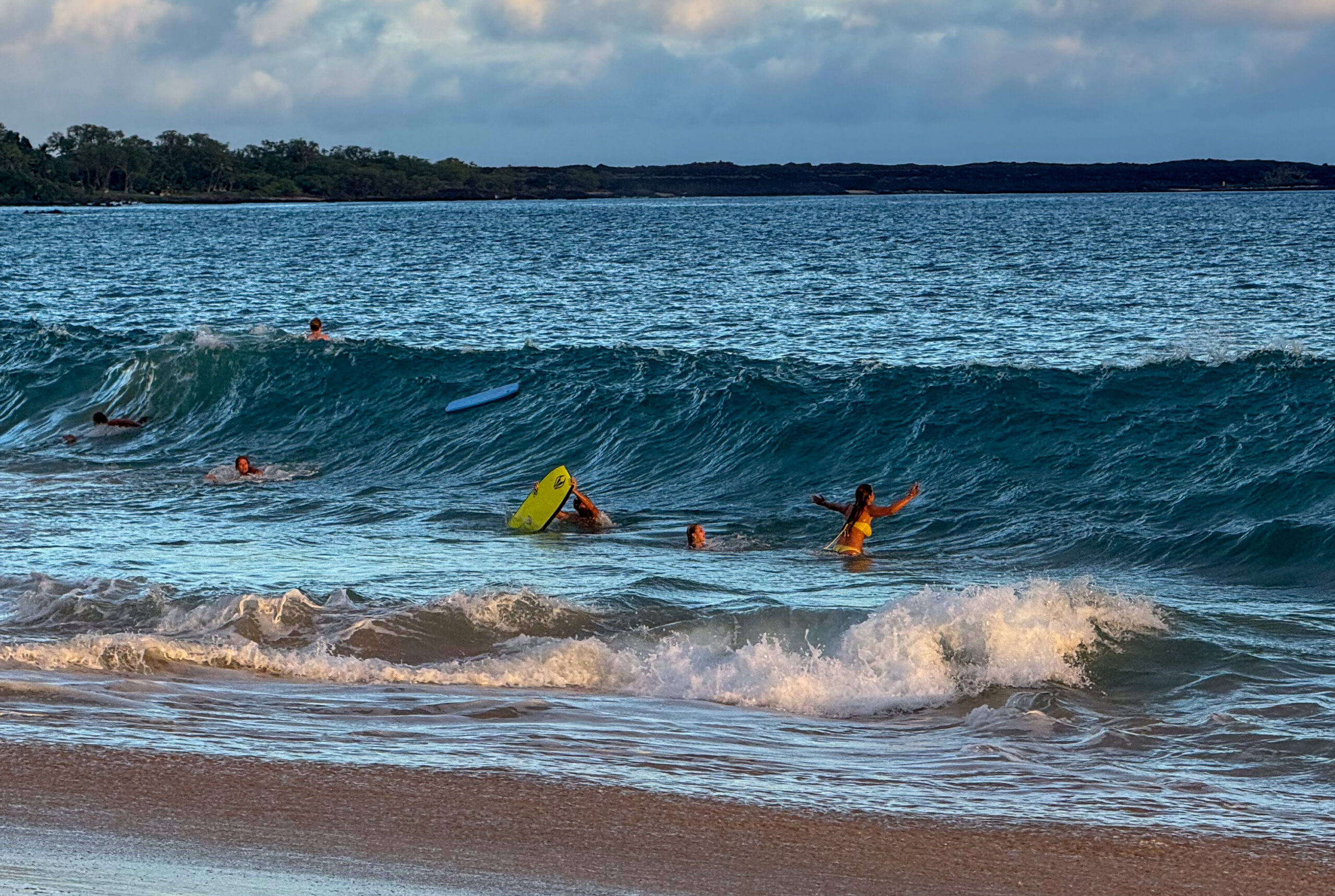
Like Quinn, many residents said they were enchanted by Mākena’s unspoiled beauty and worried that the bathrooms would bring in more visitors, especially ones who couldn’t handle the dangerous shore break. From 2009-2017, it was the top beach for spinal cord injuries in the state with 40, according to the Hawai‘i Department of Health.
Mary Kerstulovich said she personally knows someone who fractured their neck at Mākena.
“What you guys are doing is inviting people without experience to come to this portion of the island that is wild and untamed the way that most of us residents like it,” Kerstulovich said.
Others wondered why the state wanted to put in bathrooms when it doesn’t manage facilities at other parks, such as ‘Īao Valley, which has had extended bathroom closures. They worried that the new bathrooms would attract unhoused people, that the new showers would waste water and that the overall project would impact an important wetland area. Some also questioned whether the 2013 survey was still relevant more than a decade later.
Ha‘ikū resident Lucienne de Naie was a member of the Oneloa Coalition and said the survey was sent out to 548 people, including about 40% who were current residents and 26% who were lifetime residents. The rest were visitors or part-time residents. About 70% of the people thought there should be permanent restrooms and showers, but the opposition included many lifetime residents, de Naie recalled.
De Naie said she was “in complete support of sensible management of our resources,” but was concerned about making park improvements without doing a carrying capacity study of what the park could handle.
“We need to look at this and see if there’s a realistic alternative to a permanent building,” she said.
Supporters of the project said the community has been calling for bathrooms for decades and that people defecating in the bushes are already a detriment to Mākena’s wildlife. They wondered why a public beach park couldn’t have fresh water when nearby hotels and golf courses had plenty of it, and said that the parking improvements would help manage tourism.
Kai Nishiki said her dad Wayne Nishiki and many others fought to save Mākena from hotels and luxury developments decades ago, allowing for the eventual creation of the state park.
“It is really sad to see folks now using and perverting this righteous fight to object to much-needed basic infrastructure like bathrooms and showers, protection of our natural resources and tourism management,” Nishiki said. “The real and valid battle today is to manage overtourism and curb abuse of this much-loved area.”
Tiare Lawrence said the state’s plans “are not new, nor are they being created to serve private development interests.” They’re a result of kūpuna in the community advocating for better facilities and stewardship of Mākena, she said.
Lawrence has grown tired of seeing toilet paper scattered throughout the bushes at Mākena and said that “one of Maui’s most treasured public beaches” shouldn’t have to rely on temporary facilities. She said locals have been treated like “second-class citizens” for too long and deserve clean public spaces.
“I recently saw a sign that said, ‘Keep Mākena wild.’ I agree,” Lawrence said. “But perhaps we have different definitions of what that means. To me, keeping Mākena wild does not mean leaving it unmanaged. It does not mean allowing invasive species to take over, human waste and toilet paper to accumulate in the bushes, or illegal activities like nudity to continue unchecked.”
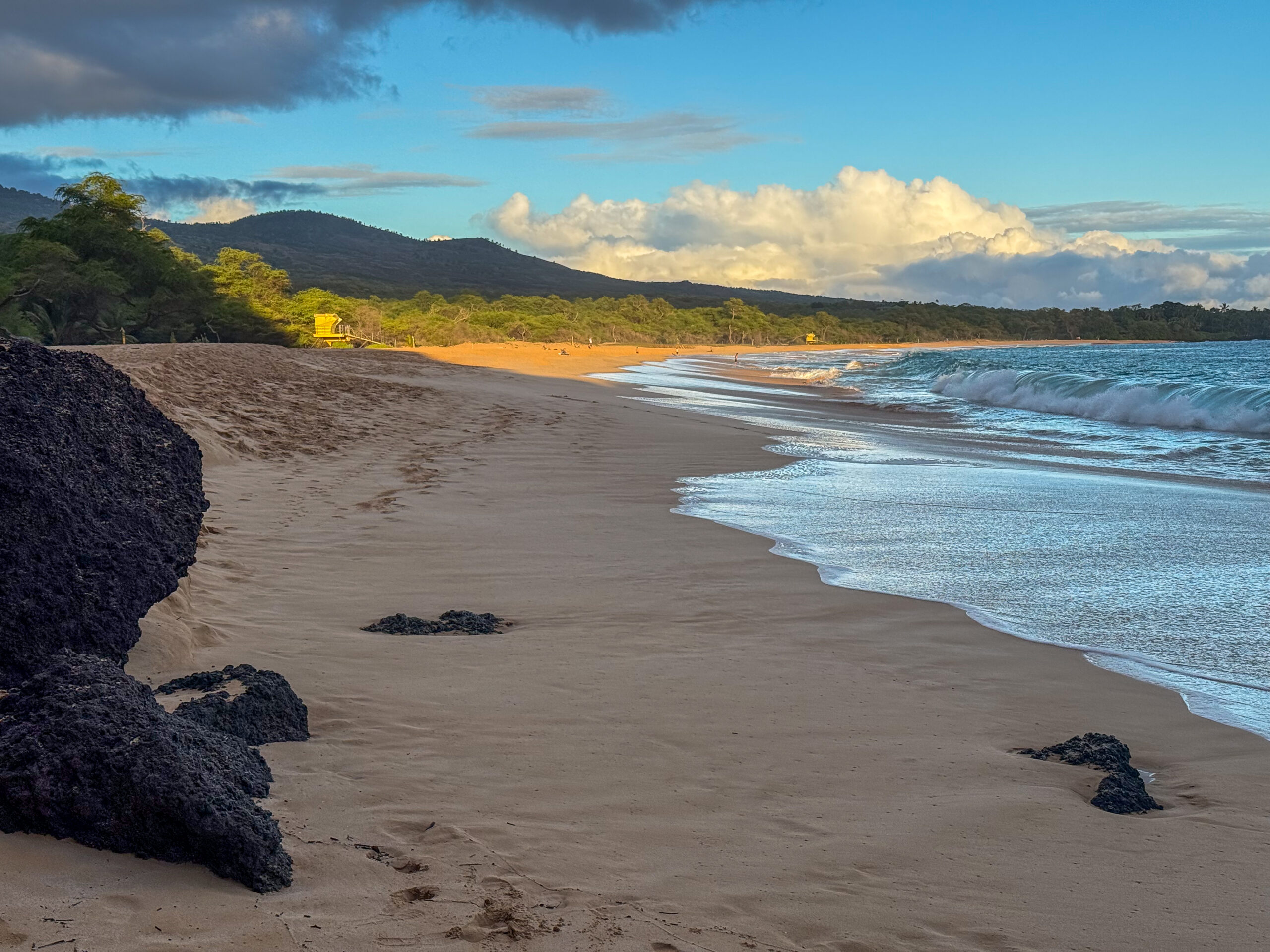
Nude sunbathing and swimming are prohibited under DLNR’s rules. However, Little Beach has been known as a place for nude recreation for more than 30 years, and “has done no harm to the community,” said Randy Gonce of the American Association for Nude Recreation.
Gonce worried that the improved facilities would increase DLNR’s presence and enforcement at Mākena.
“We all like to have nice things, but the likelihood of this increased presence and footprint would bring a situation that wouldn’t make people feel comfortable,” he said.
Even some state employees were conflicted about the project. Justin Kekiwi, the state’s caretaker for Mākena State Park, said improvements are “a double-edged sword.” From the state’s perspective, he sees the need for upgraded public amenities but worries about the impacts to the land.
“To me the improvements are benefitting people … and not ‘āina,” he said. “I always going to side with ‘āina. I work for DLNR. That’s my mission statement. That’s where I stand.”
Michael Kahula, state parks Maui district superintendent, agreed “there’s pros and cons.”
“But it’s really about management,” he said. “Unless we can stop the planes, it’s not going to happen. We need to come (up) with a way that we can manage these spaces.”
The Maui Planning Commission deferred a decision until its July 14 meeting.