Toxoplasmosis is cause of death for Hawaiian monk seal RH32
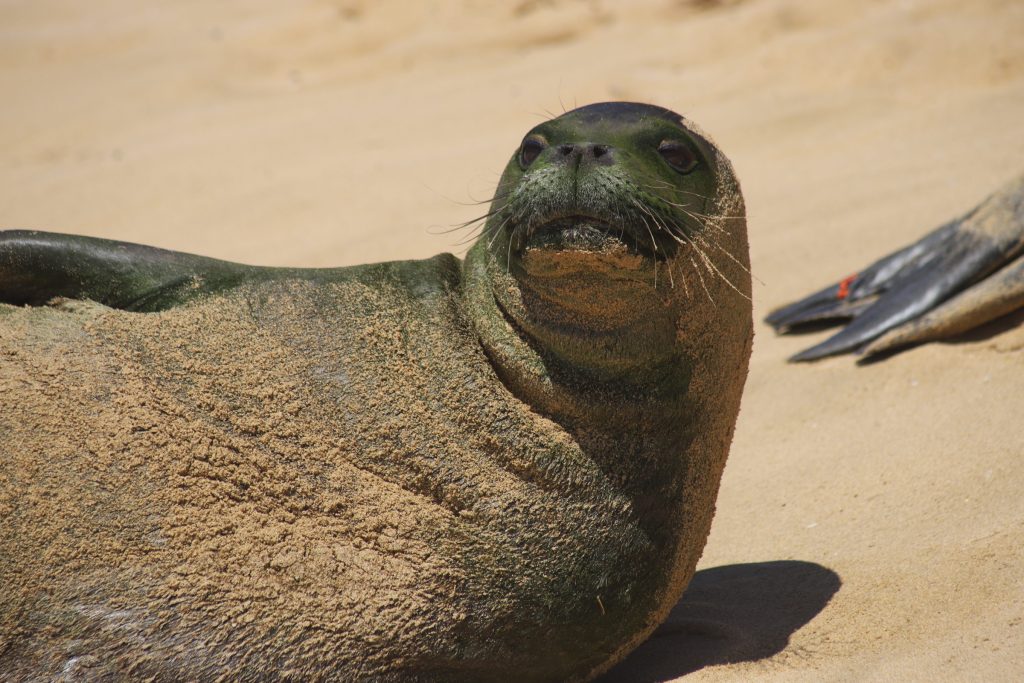
NOAA Fisheries has confirmed that the cause of death for Hawaiian monk seal RH32, known as Ka‘ale, was toxoplasmosis. The determination was made following recent necropsy (animal autopsy) and histopathology results.
RH32’s last reported sighting was on March 10, 2026. At that time, he was hauled out at one of his regular West Oʻahu locations, showing typical behavior with no outward signs of illness. He was recovered about two months later on May 6, 2026 off the coast of Nānākuli, Oʻahu.
Toxoplasmosis is a disease caused by a protozoal parasite, Toxoplasma gondii, that enters the environment through cat feces. Once a monk seal is infected, the parasite can cause severe inflammation and dysfunction in vital organs throughout the body, including the brain, heart, liver, and lungs.
In Hawaiʻi, toxoplasmosis also poses a threat to spinner dolphins and several species of native birds, including the Hawaiian goose (nēnē) and the Hawaiian crow (ʻalalā).
Toxoplasmosis remains one of the leading threats to the recovery of endangered Hawaiian monk seals in the main Hawaiian Islands. Because the infection is often rapid and hidden, seals rarely show obvious external symptoms until the disease is highly advanced, making intervention and treatment incredibly difficult.
Sixteen Hawaiian monk seals, including RH32, are known to have died as a direct result of toxoplasmosis. However, given that more individual seals disappear from the population than are found dead, NOAA Fisheries estimates that the toll of the disease on the monk seal population is even greater.
Reporting is vital to recovering endangered Hawaiian monk seals. Because toxoplasmosis develops silently, with limited or no early outward systems, regular sightings are a primary tool for monitoring population health. Every report provides critical data that helps NOAA detect potential threats across the islands.
The public can help by reporting all seal sightings—including healthy, injured, or deceased seals—to the NOAA Marine Wildlife Hotline at 888-256-9840.
Sponsored Content