Do humpback whales fertilize Hawaiian waters? Maui study tests the “Whale Pump”

PacWhale Eco-Adventures has completed the first round of seawater sampling for a study led by the Marine Mammal Research Program (MMRP) at the University of Hawaiʻi at Mānoa, testing whether the seasonal arrival of humpback whales measurably enriches the waters of Maui Nui.
The aim is to quantify the “whale pump,” the process by which whales fertilize the ocean through waste, cycling nutrients that feed phytoplankton, the microscopic plants that form the base of the marine food web and produce roughly half of the oxygen we breathe.
The work brings MMRP together with Pacific Whale Foundation (PWF), the Aquatic Microbial Ecology Lab, the Heʻeia National Estuarine Research Reserve, and an international team of researchers. Over 33 weeks, from Oct. 30, 2025 to June 12, 2026, a team from PWF and PacWhale Eco-Adventures collected 75 seawater samples spanning the pre-, peak-, and post-whale season.
Humpback whales gather in Hawaiʻi each winter to breed and calve, not to feed. “Humpback whales spend their winters in Hawaiʻi without feeding, so any nutrients they release here, primarily through urination and defecation, come from reserves built thousands of miles away,” said Jens Currie, Chief Scientist at Pacific Whale Foundation. “We want to know whether that input is large enough to measure in the water, and what it would mean if the whales stopped coming.”
That last question is not hypothetical. The number of humpback whales using Hawaiian waters has declined by an estimated 6,000 animals since a 2013 peak of more than 18,000, and a changing climate could shift where the whales spend their winters. Understanding what they contribute while they are here is part of understanding what would be lost if they stop arriving.
The whale pump is well documented in feeding grounds. Its role in a tropical breeding ground is an open question. “Maui Nui is an ideal place to test it because the whales arrive and depart on a predictable schedule,” said Lars Bejder, Director of the Marine Mammal Research Program at the Hawaiʻi Institute of Marine Biology. “If we can detect a seasonal nutrient signal that tracks whale numbers, it changes how we value these animals as part of the ecosystem.”
To find that signal, the team will analyze each seawater sample for its chemistry and microbial abundance. “Nutrients, total organic carbon, and flow cytometry let us see both the chemistry of the water and the microbial life responding to it,” said Shimi Rii, Research Coordinator at the Heʻeia National Estuarine Research Reserve. “Pairing those measurements with environmental DNA gives us a fuller picture of what is in the water and how the community changes across the season.” Added Michael Rappe, Research Professor of the Aquatic Microbial Ecology Lab at the Hawaiʻi Institute of Marine Biology.
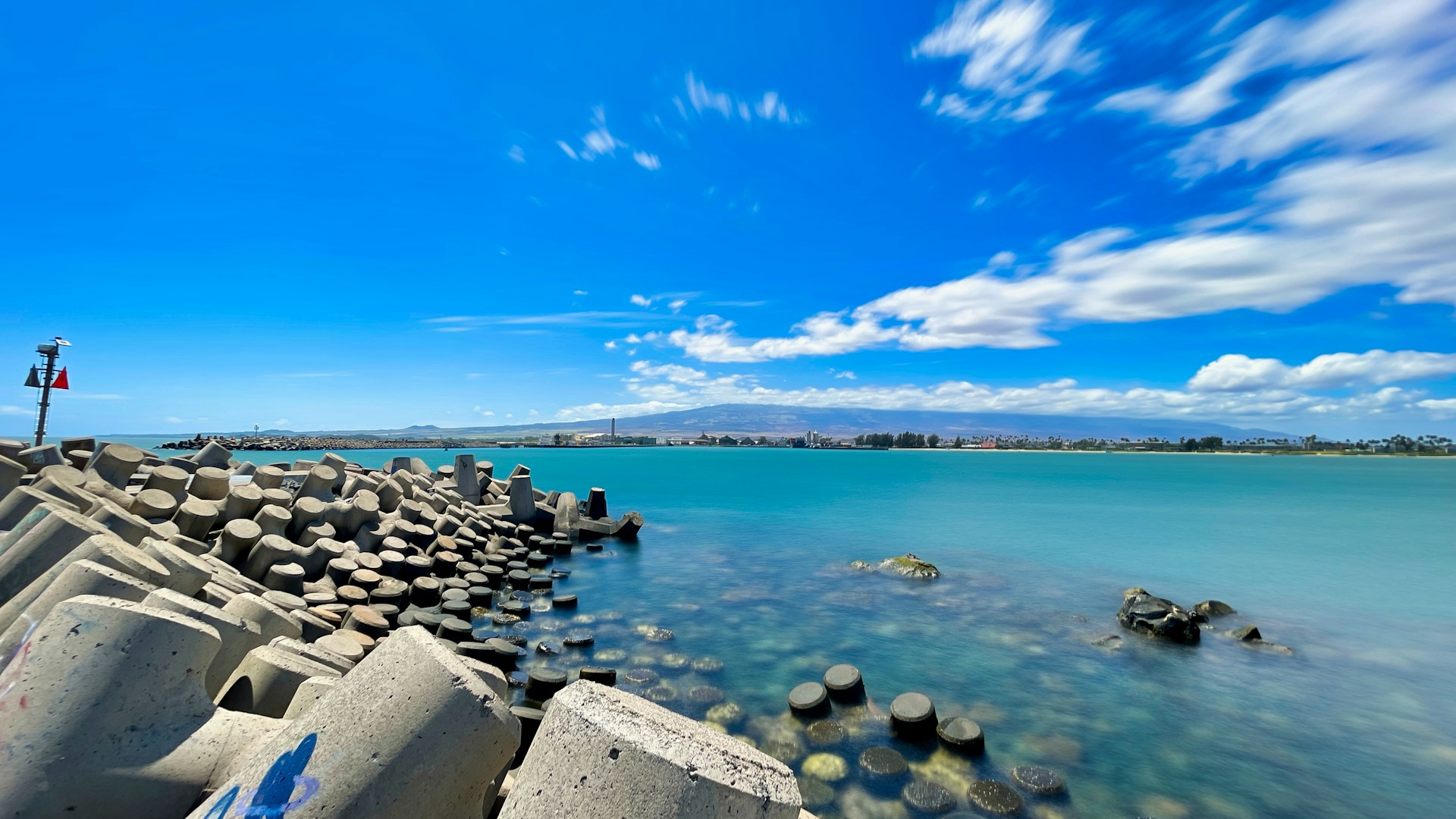
Samples were collected between Molokini Crater and Māʻalaea Bay by PacWhale Eco-Adventures, the social enterprise of Pacific Whale Foundation, over the eight-month season during the normal flow of routine snorkel trips and whale watches. “Some mornings you can count over 50 humpback whales between the Bay and the crater.” said Brian Stirling, Research Technician at Pacific Whale Foundation. “That concentration is what makes it such a good place to look for a humpback signal in the water.”
“Supporting projects like this is an important part of our role as the social enterprise of Pacific WhaleFoundation,” said Alyssa Moser, Director of PacWhale Eco-Adventures. “Because our vessels and crews are on the water every day, we have a unique opportunity to integrate research activities into our regular operations. This project allowed our teams to directly support the collection of valuable data while continuing to connect guests to Maui’s marine environment and the work being done to better understand and protect it.”
With the field season complete, the research team is now processing the 75 samples. Results will show whether nutrient and microbial indicators rose in step with the seasonal peak in whale numbers, and will contribute to a broader effort to quantify the role of the whale pump in local nutrient cycling.
Sponsored Content