UH continues decommissioning of UKIRT telescope; science operations to end this fall
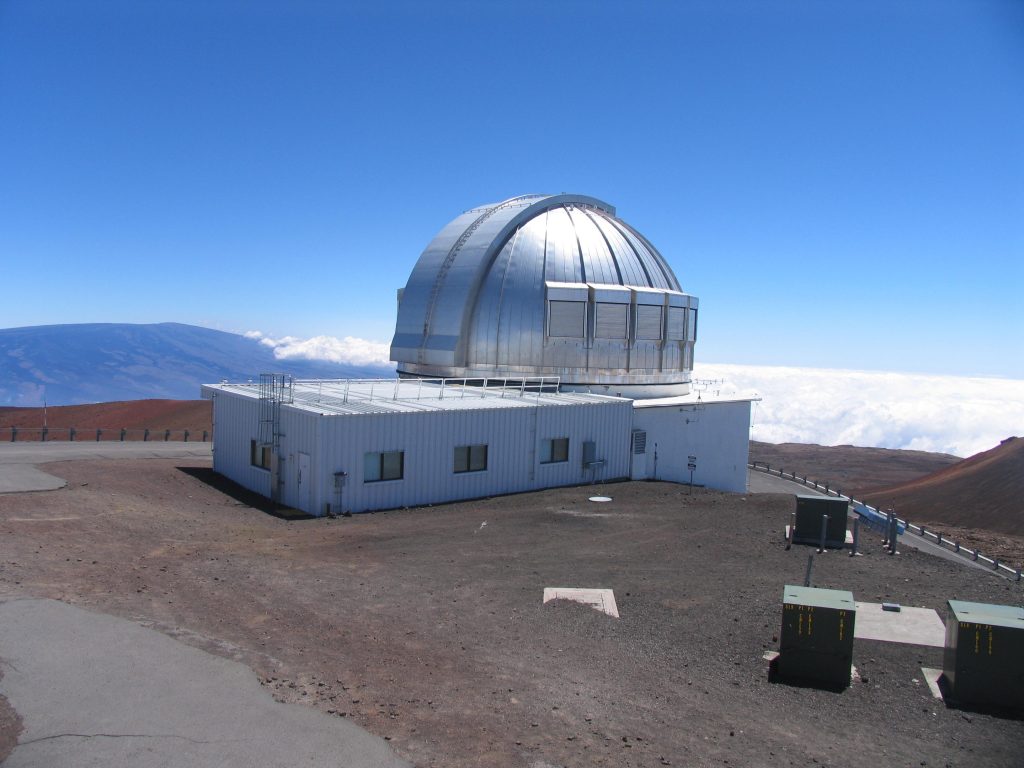
The University of Hawaiʻi is taking another significant step toward reducing the number of telescopes on Maunakea, announcing July 1, 2026 that science operations at the United Kingdom Infra-Red Telescope (UKIRT) on Hawai’i Island will conclude on Sept. 15.
Aging facilities and funding challenges, especially given the expiration of the UH master lease in 2033, in addition to the obligations contained in the UH Master Plan, led to the decision to end science operations. The US Naval Observatory has sponsored scientific research at UKIRT for many years, supporting decades of discovery through the telescope.
UKIRT will become the third Maunakea telescope to be decommissioned. In 2025, the UH Institute for Astronomy (IfA) announced plans to remove the observatory following the conclusion of its science mission. Current planning targets completion of the decommissioning process by 2030.
“UKIRT has had an extraordinary run and has been one of the most prolific telescopes on the planet,” said Doug Simons, director of IfA. “For nearly five decades it has expanded our understanding of the universe, helped train generations of astronomers and strengthened Hawaiʻi’s reputation as one of the world’s premier locations for astronomical discovery.”
Decades of discovery
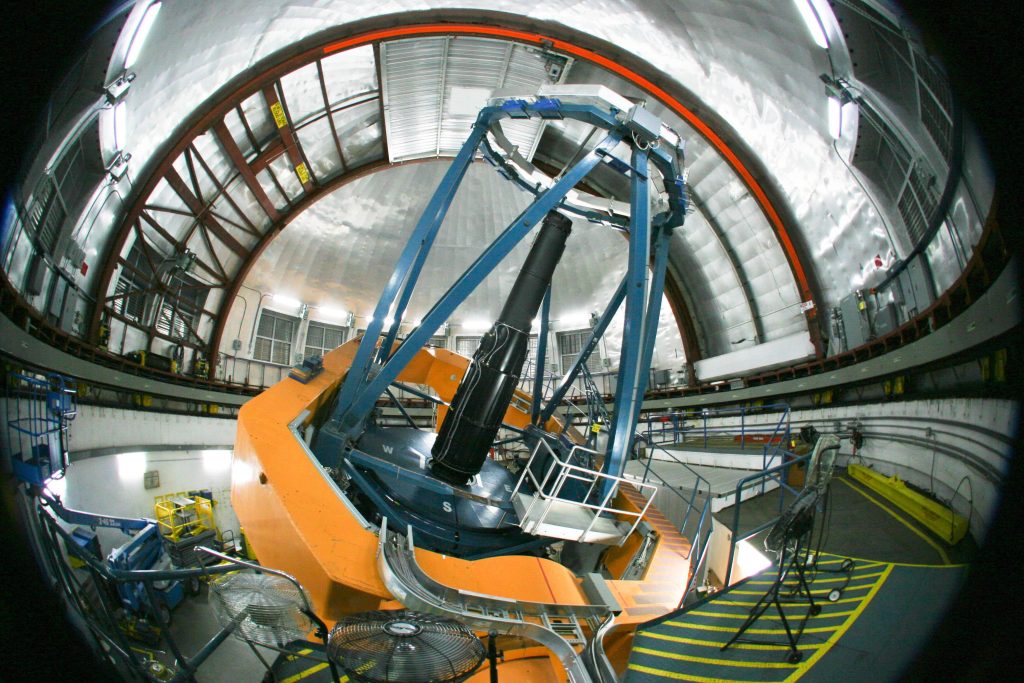
IfA assumed ownership of UKIRT in 2014 after the United Kingdom ended funding for the facility. The telescopes on Maunakea rank among the world’s most scientifically productive collections of observatories, and UKIRT has been an important contributor to that legacy. Since opening in 1979, it has helped scientists understand how stars and planets form, map vast regions of the Milky Way and study distant galaxies.
Eight full-time employees currently support UKIRT operations and will continue to have the opportunity to support operations through the September 15 closure date.
Proven decommissioning process
The decommissioning of the first two Maunakea telescopes, the Caltech Submillimeter Observatory and the UH Hilo Hōkū Keʻa Observatory, was completed in 2024. Under the UH-developed Maunakea Master Plan and Maunakea Comprehensive Management Plan (CMP), the university committed to reducing the number of observatories on Maunakea while continuing world-class astronomy and responsible stewardship.
Guided by the CMP’s Decommissioning Plan for the Maunakea Observatories, the UH Hilo Center for Maunakea Stewardship (CMS) oversaw the first two decommissioning projects. This fall, UH will hire a consultant to develop a detailed cost estimate, project schedule and permitting plan for the UKIRT decommissioning.The construction company selected for the project will coordinate closely with CMS, IfA, and other UH offices, building on the practices established during the previous decommissioning projects. Those practices include cultural training for construction crews and the integration of Native Hawaiian protocol into every stage of the work, from deconstruction through site restoration.
“Decommissioning is about honoring our commitment to care for Maunakea,” said Greg Chun, CMS executive director. “Every decommissioning project is an opportunity to demonstrate that our commitment extends beyond astronomy to restoring these sites with care, respect and purpose.”
Management responsibilities for Maunakea are transitioning from CMS to the Maunakea Stewardship and Oversight Authority (MKSOA), established by the Hawaiʻi State Legislature in 2022. Throughout the UKIRT planning, permitting and decommissioning process, CMS will continue working closely with MKSOA while engaging the Hawaiʻi Island community.
Sponsored Content