ʻUlu o Lele marketplace to open this fall, a milestone in returning business to Front Street
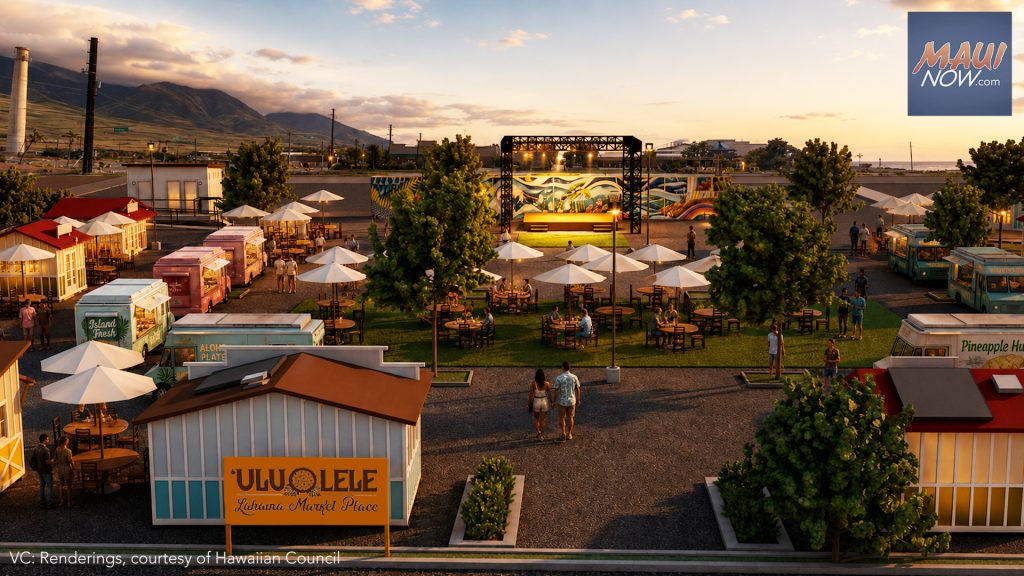
An interim marketplace planned for the former Outlets of Maui site in Lahaina will be the first project to bring storefronts back to wildfire-ravaged Front Street since the 2023 disaster, county and nonprofit officials announced Thursday.
ʻUlu o Lele — Hawaiian for “growth of Lele,” honoring Lahaina’s traditional name — is an $8 million, two-year initiative led by the nonprofit Hawaiian Council with funding from its Kākoʻo Maui Fund and a $4 million grant from the Hawaiʻi Community Foundation’s Maui Strong Fund.
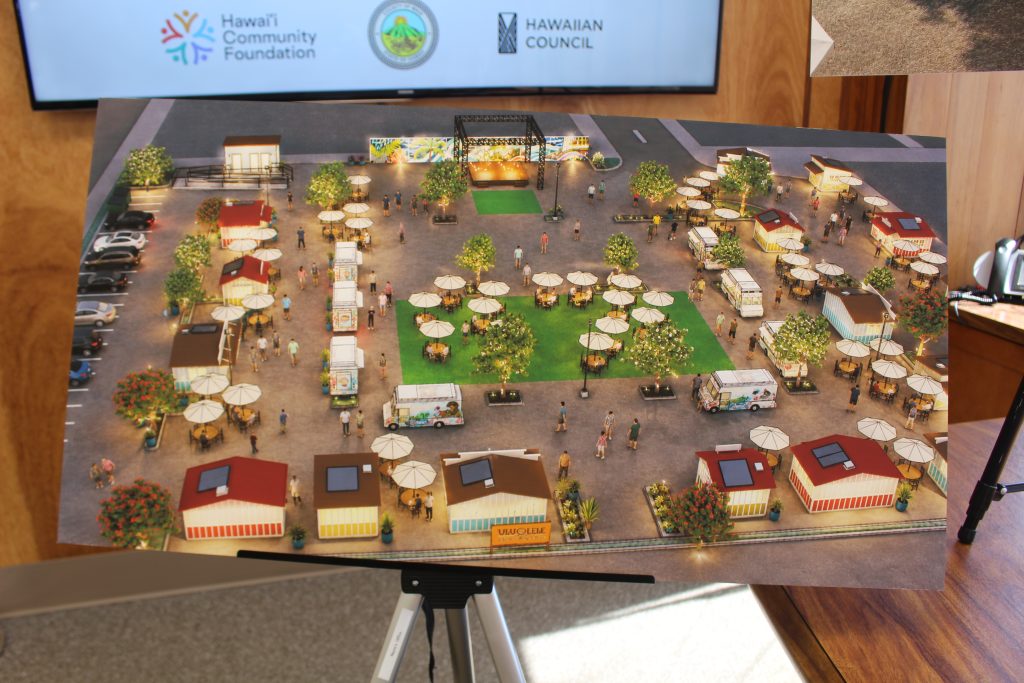
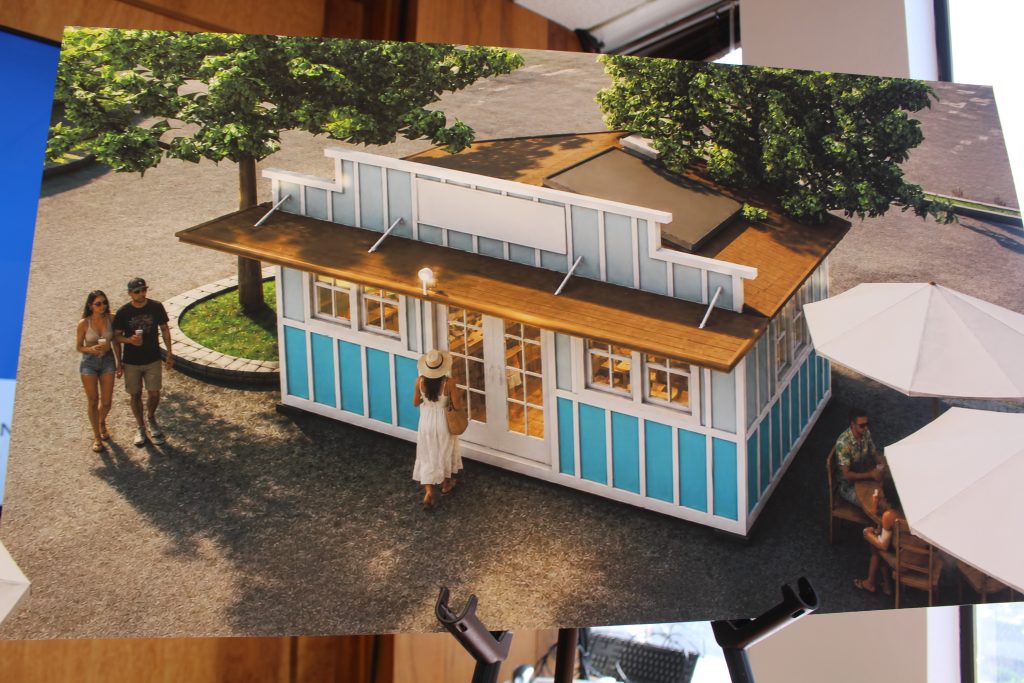
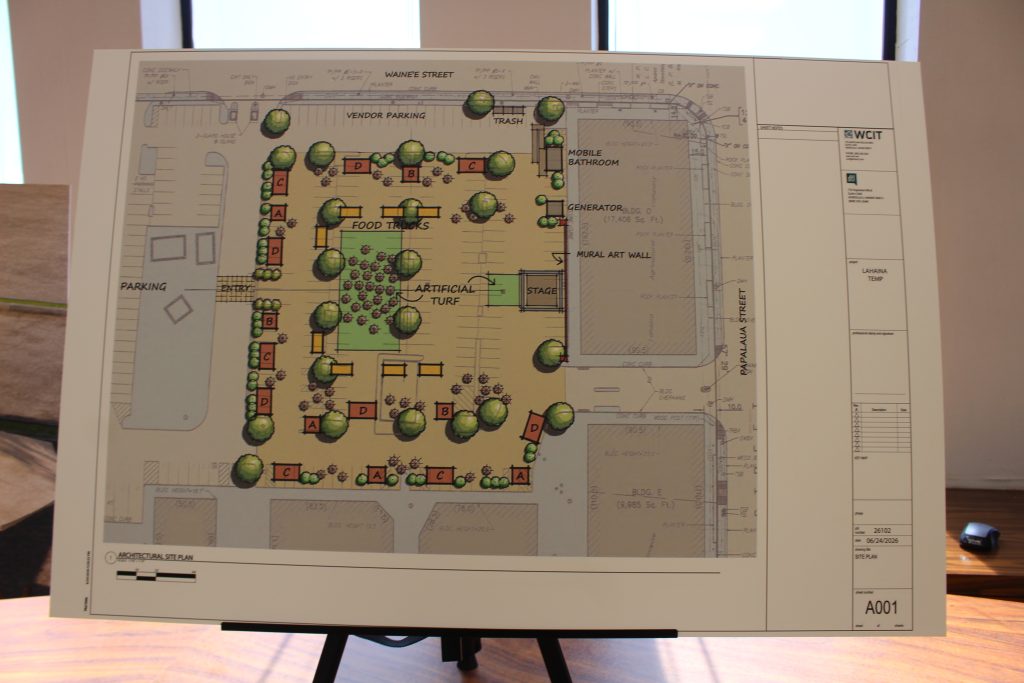
The marketplace will include 17 retail units and eight food trucks, for a total of 25 vendor spaces, along with a stage for nightly entertainment, said Hawaiian Council Chief Executive Officer Kūhiō Lewis.
“Since the fires, our Kākoʻo Maui team has worked alongside families, businesses and community members on the ground, and ʻUlu o Lele reflects what we have heard directly from Lahaina: recovery must include places for local businesses to reopen, jobs to return, culture to be shared, and community to gather again,” he said. “This project is about helping create that bridge while honoring the history, identity and people that make Lahaina so special.”
The marketplace is expected employ about 90 people and open in September.
“ʻUlu o Lele is envisioned as a vibrant gathering place featuring cultural demonstrations led by Native Hawaiian practitioners, farmers markets, nonprofit and community pop-ups, local food vendors, music, entertainment and family-friendly activities for residents and visitors,” a Maui County announcement says.
Eligibility and rents
Priority for inclusion in the marketplace will go to businesses and cultural practitioners that were displaced or lost operations because of the fire, rather than new startups or businesses from outside the area, Lewis said. A community selection committee — not the Hawaiian Council itself — will choose which businesses get space, he said.
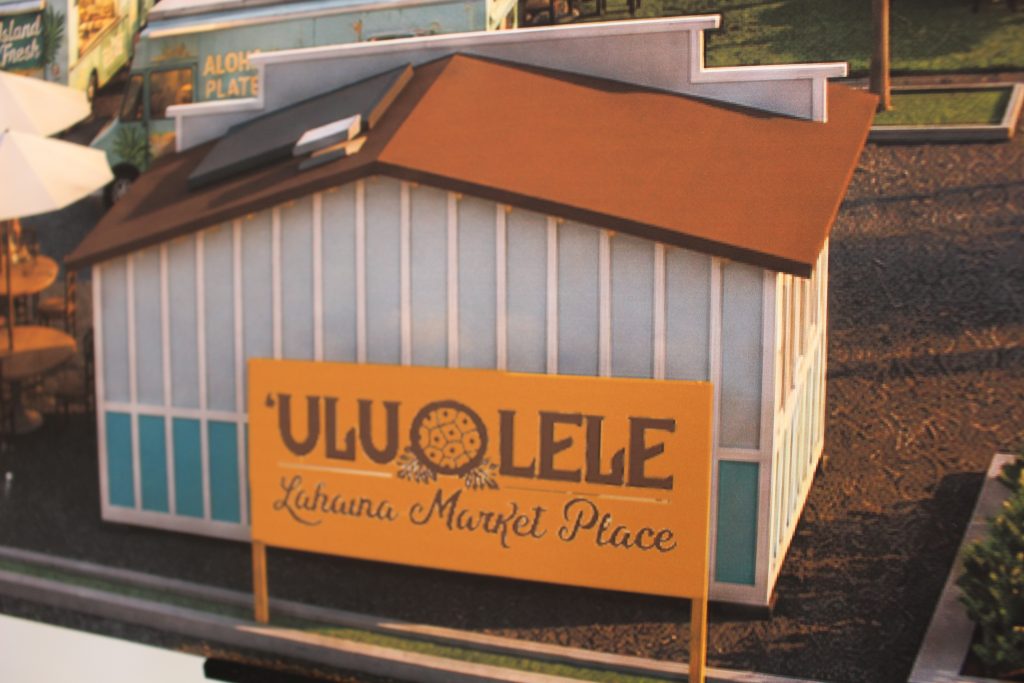
Units will range from 144 to 240 square feet, with rents from $800 to $1,500 a month depending on size, Lewis said. The structures will be solar-powered.
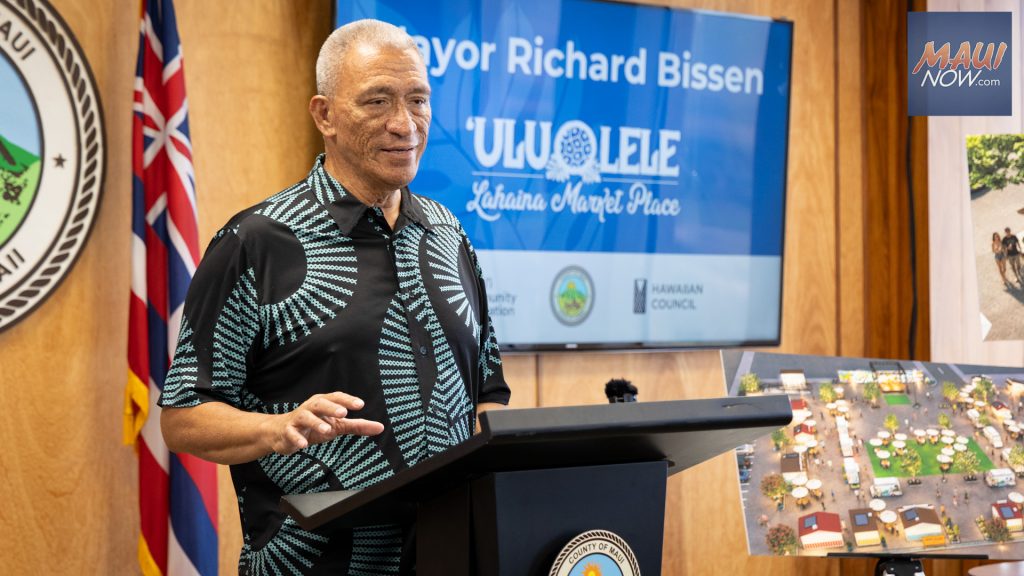
Mayor Richard Bissen said the project builds on nearly three years of partnership between the County, Hawaiian Council and the Hawaiʻi Community Foundation.
“We are committed to bringing Lahaina’s commercial district back, but that requires someone willing to take the first step,” Bissen said, adding that reopening without knowing when customers will return “is an enormous risk” for small business owners.
“The ʻUlu o Lele marketplace is a powerful example of community-driven recovery in action,” said Hawaiʻi Community Foundation President and Chief Executive Officer Terry George. “Shaped by local input and focused on local businesses, it creates an immediate pathway for economic activity while preserving the culture and character that makes Lahaina so special.”
The foundation is “proud to support this important investment in Lahaina’s future with a $4 million grant from the Maui Strong Fund,” George said.
Broader Front Street recovery
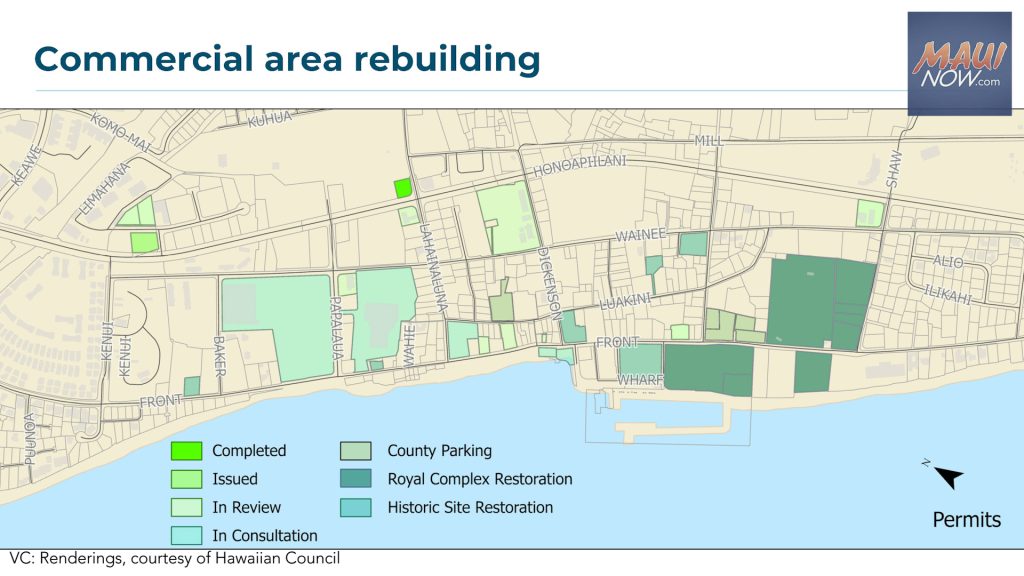
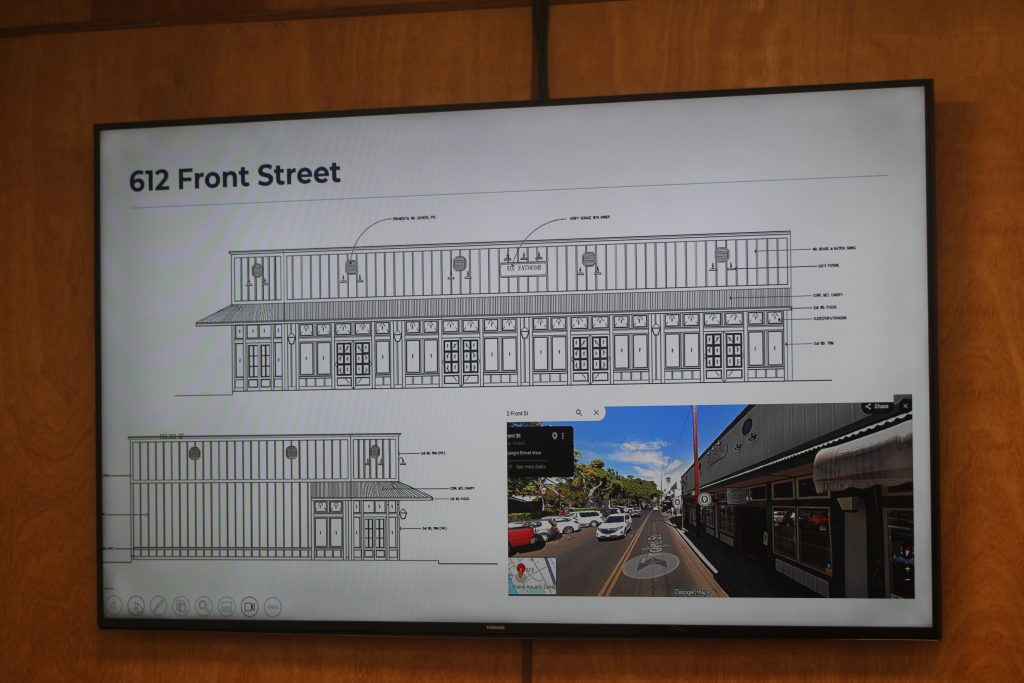
Five commercial building permits have been issued along Front Street, with one project under construction, two more permits close to being issued and about a dozen properties in pre-application consultation.

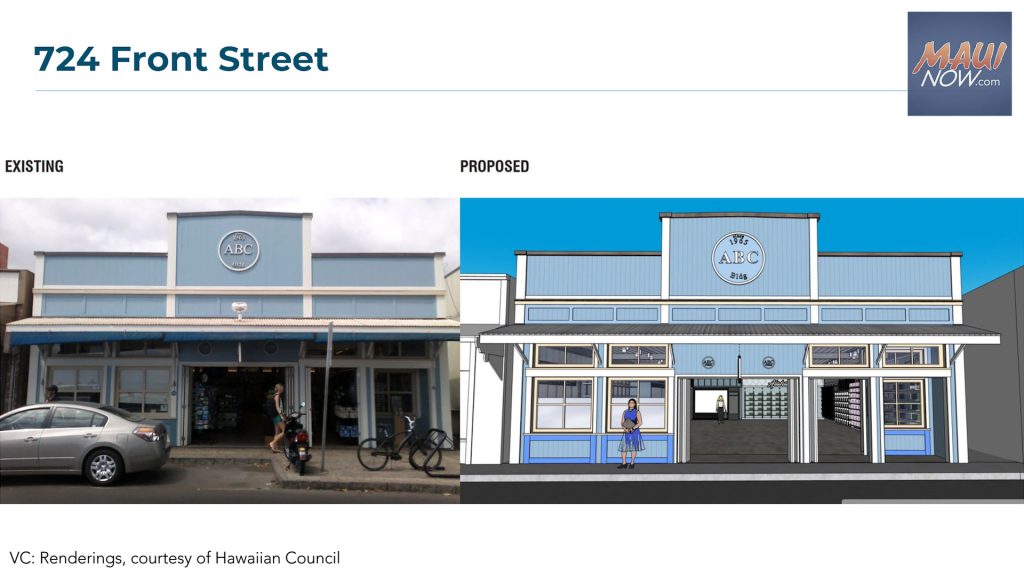
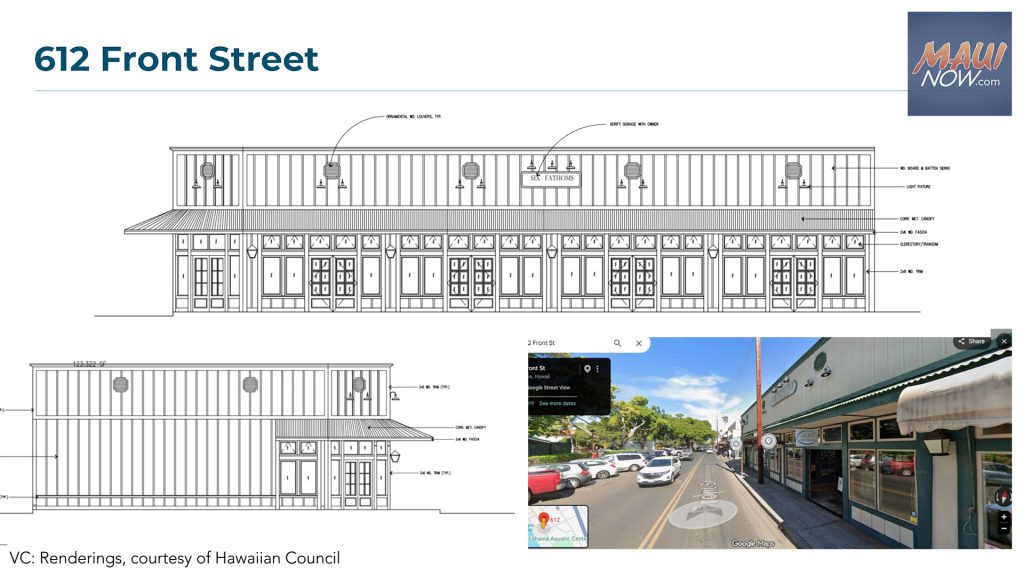
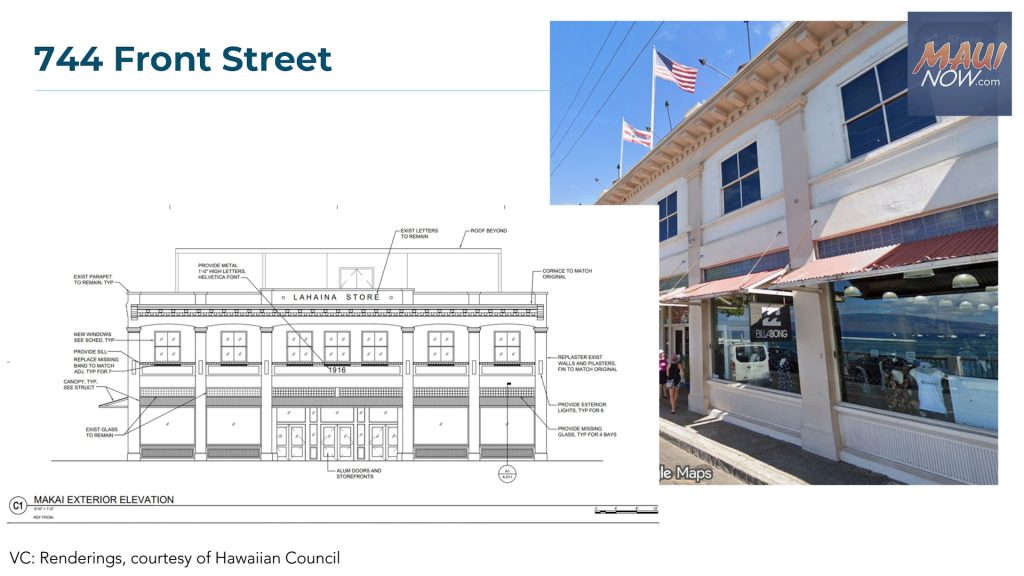
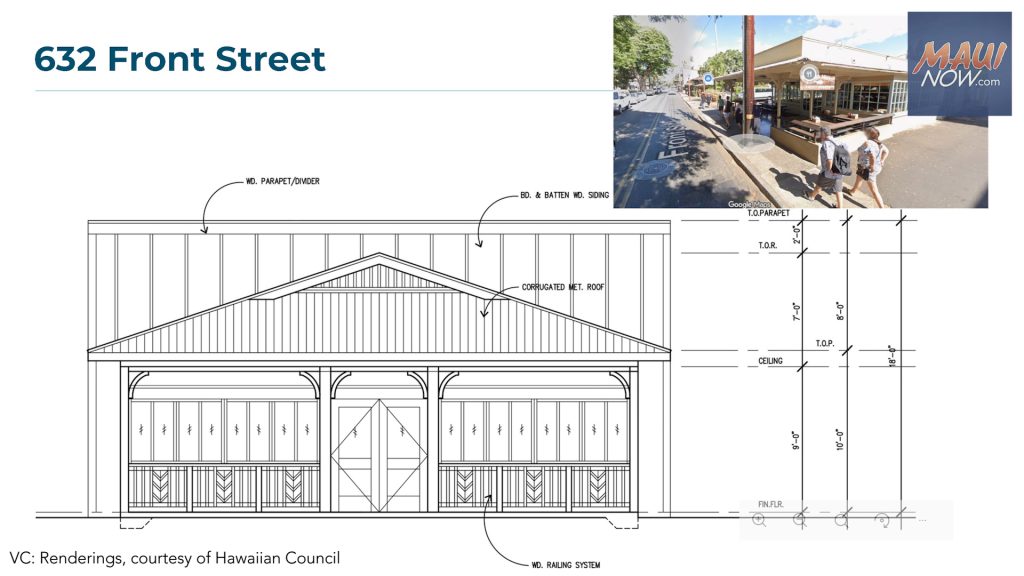
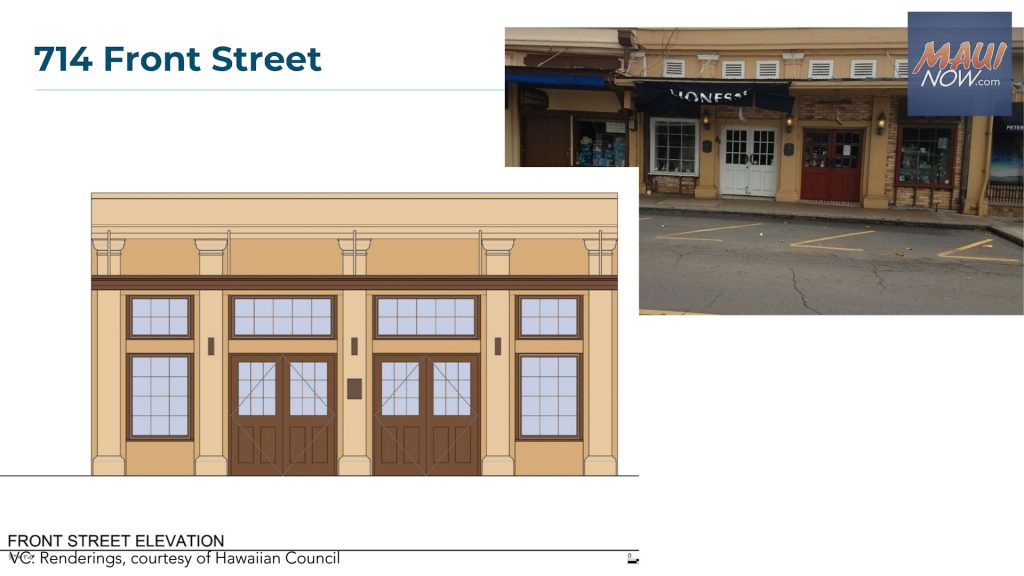
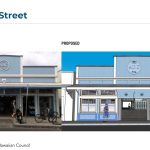
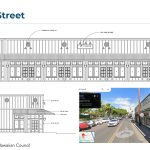
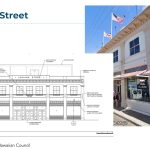
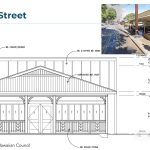
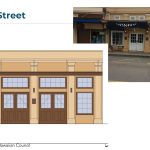
Several of those projects — including buildings at the 600 and 700 blocks of Front Street — are being rebuilt to closely match their original historic appearance, including a rebuild of what had been the Paia Fish Market, Deputy Managing Director Erin Wade said.
On the makai side of Front Street, Wade said there are 10 commercial properties with more complicated paths to reconstruction. Some of those properties had over-water leases from the state of Hawaiʻi that were discontinued after the wildfires, leaving a small footprint on land for rebuilding, she said.
The County has set up a buyout program for owners who decide not to rebuild, with those properties designated for open space and public access, she said.
Asked how recovery timelines compare with expectations from three years ago, Bissen said more than 500 homes have been built in Lahaina, with about 700 residential permits issued and another 700-plus pending approval. Underground infrastructure work needed to support returning commercial activity — much of it tied to federal Community Development Block Grant-Disaster Recovery funding — took about two years to secure before construction could begin.
 Commercial area rebuilding. PC: courtesy of Hawaiian Council
- 724 Front Street. PC: courtesy of Hawaiian Council
- 612 Front Street. PC: courtesy of Hawaiian Council
- 744 Front Street. PC: courtesy of Hawaiian Council
- 632 Front Street. PC: courtesy of Hawaiian Council
- 714 Front Street. PC: courtesy of Hawaiian Council
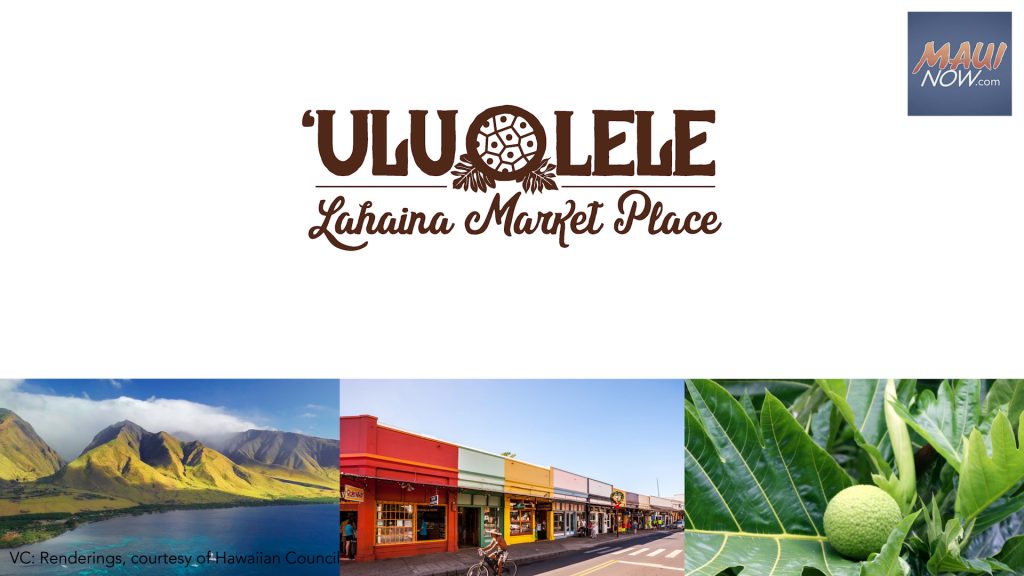
- ‘Ulu o Lele. PC: courtesy of Hawaiian Council

Community reaction
Courtney Lazo, who owns a Lahaina clothing company called Henōhea, said the marketplace represents an early, affordable opportunity for displaced business owners to re-establish a presence in town while permanent rebuilding continues, at a time when many cannot afford Front Street rents.

The project is reminiscent what an 85-year-old Lahaina kupuna described to her about the town’s old commercial center — a gathering spot with a bakery, grocery store and shaded benches where residents caught up over coffee, Lazo said. Businesses selected for the marketplace will be given priority to remain in the area as the district continues to rebuild.
Asked about the broader significance of restoring Lahaina’s commercial base, Bissen said Front Street’s economic activity historically benefited the entire state and remains tied to the town’s identity well beyond dollars and jobs.
“It’s exciting, and it’s important,” he said.
- A schematic shows a view of a unit at the ʻUlu o Lele, an interim marketplace and community gathering space being developed by the nonprofit Hawaiian Council. PC: Wendy Osher
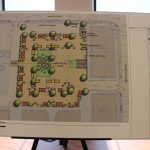
- A model details the layout of the ʻUlu o Lele project in Lahaina. PC: Wendy Osher
- A close-up view of a storefront at the planned ʻUlu o Lele marketplace in Lahaina. PC: Wendy Osher
- A model depicts a storefront at ʻUlu o Lele, an interim marketplace planned for the former Maui Outlets property in Lahaina. PC: Wendy Osher
- A display gives another view of the project layout. PC: Wendy Osher


The Maui Business Recovery and Resilience Assessment, a community-informed planning effort funded by the Hawaiʻi Community Foundation, identified the need for near-term commercial space as a priority for West Maui’s economic recovery, and officials said the marketplace grew directly out of that process.
The Hawaiian Council expects to issue a request for proposals for vendors soon.
Sponsored Content