

Port of Guam reopens after Super Typhoon Bavi suspends port operations
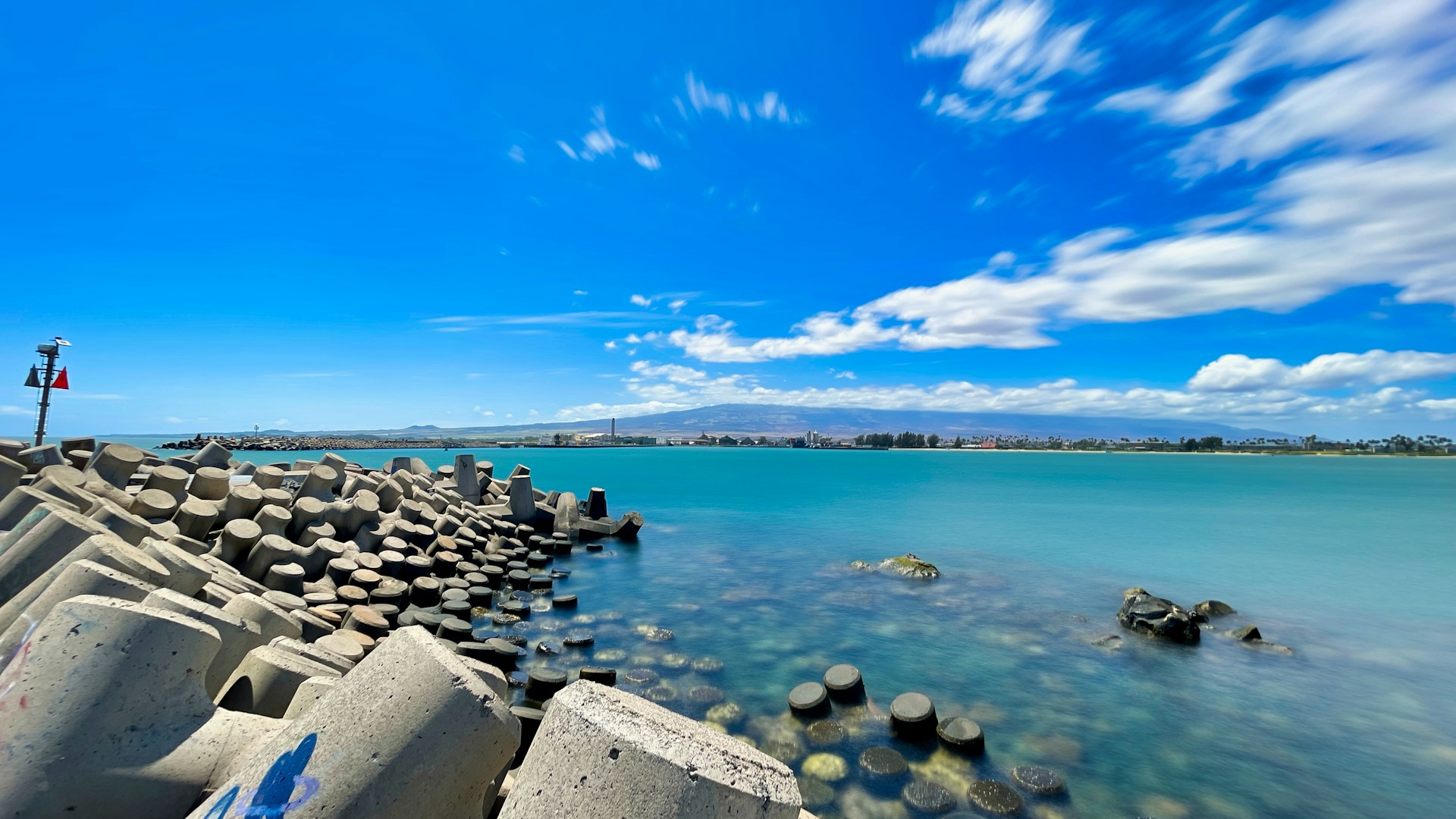
The US Coast Guard has reopened the Port of Guam, following the US territory’s brush with Super Typhoon Bavi.
The Category 5 storm packed sustained winds of 180 mph and gusts of over 200 mph when it made a direct hit on the island of Rota in the Commonwealth of the Northern Mariana Islands, about 40 miles northeast of Guam.
Bavi’s winds were clocked as high as 111 mph on Guam, and the storm left a new daily rain record of 12.64 inches. Roughly 60 miles north of Rota, Saipan saw winds over 100 mph at its airport.
Severe and widespread power outages left Guam residents in the dark while strong winds and flooding inundated roads with muddy water and debris. Guam’s Port Authority suspended operations and schools and hospitals were impacted.
The captain of the Port for Guam and the Northern Mariana Islands reset Port Heavy Weather Condition WHISKEY for the Port of Guam, effective 2 p.m. Chamorro standard time on Thursday, July 9. The upgraded condition reopened the port to 24/7 commercial traffic and cargo operations without waterway restrictions.
All operators must coordinate operations with the Port of Guam and the harbormaster.
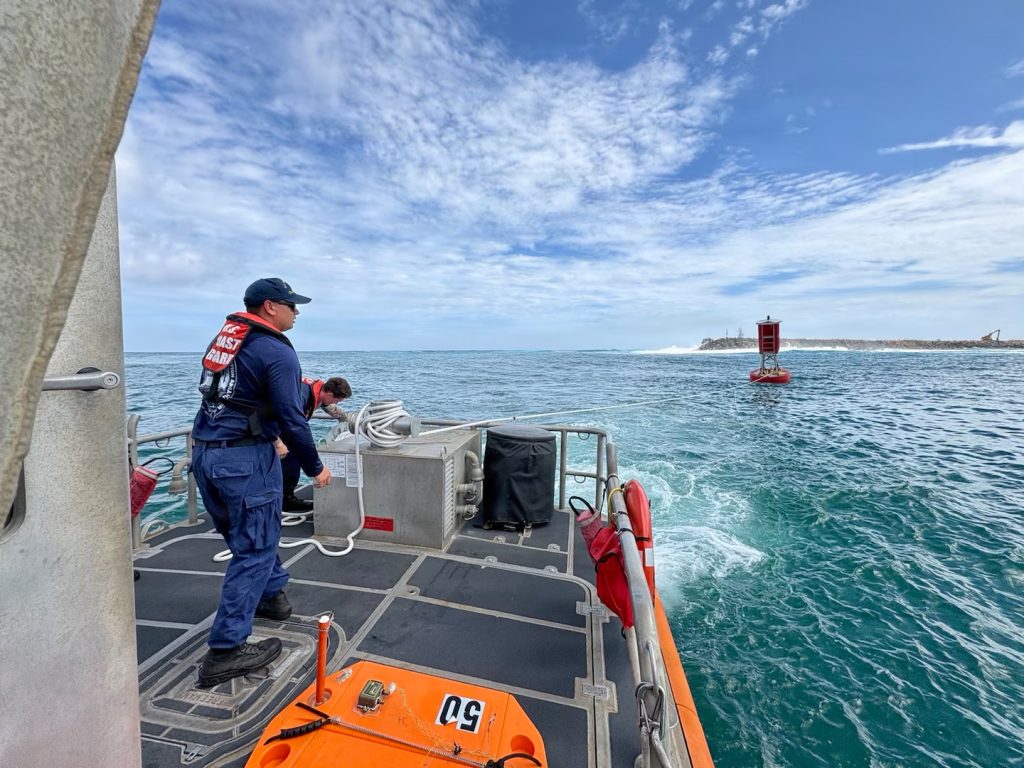
A US Coast Guard Station Apra Harbor 45-foot Response Boat-Medium crew working with US Navy Explosive Ordnance Disposal Mobile Unit Five removed Buoy 2 at the Outer Apra Harbor entrance, which moved off station during the storm into the channel.
“Our thanks to our partners at EOD for assisting with freeing Buoy 2 and working alongside our Station Apra Harbor crew to relocate it,” said Capt. Jessica Worst, commander, US Coast Guard Forces Micronesia/Sector Guam and captain of the Port Guam and the Northern Mariana Islands.
“Their efforts not only allowed us to reopen the waterway and get commerce flowing but also freed up our US Coast Guard divers to head north and begin to address discrepancies in Tinian and Rota.”
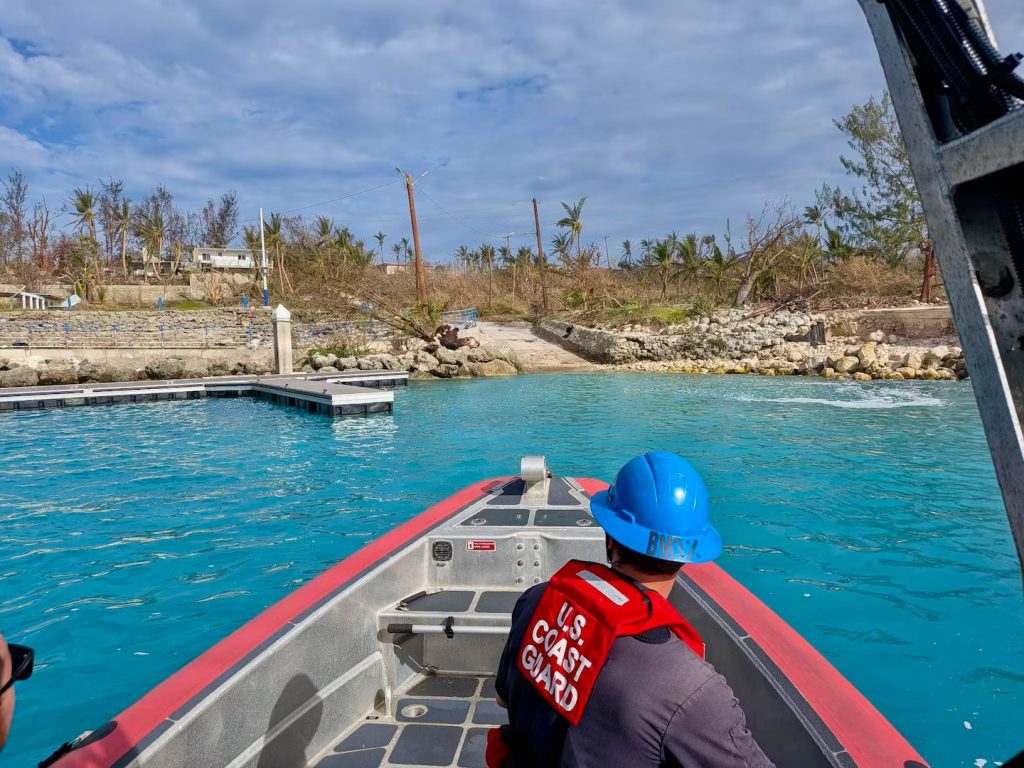
The Coast Guard continues to work with the Port of Guam, the Commonwealth Ports Authority, and commercial partners to reopen ports and address storm impacts.
The Marianas operate on a hub-and-spoke model, with most cargo and vessels transiting Guam before reaching the CNMI, a function of commercial logistics and routes rather than anything the Coast Guard regulates. Reopening Guam and Saipan are vital to reaching Rota and Tinian, not a substitute for it. Rota sustained infrastructure damage during Typhoon Sinlaku, and the Bavi further damaged the region.
Multiple navigational aids are reportedly discrepant, off station, or simply missing. The Coast Guard issued a broadcast notice to mariners and reminds all operators to exercise extreme caution when transiting waterways as restoration efforts continue.
Sponsored Content