
Wailuku Greystar property named in statewide housing voucher discrimination complaint
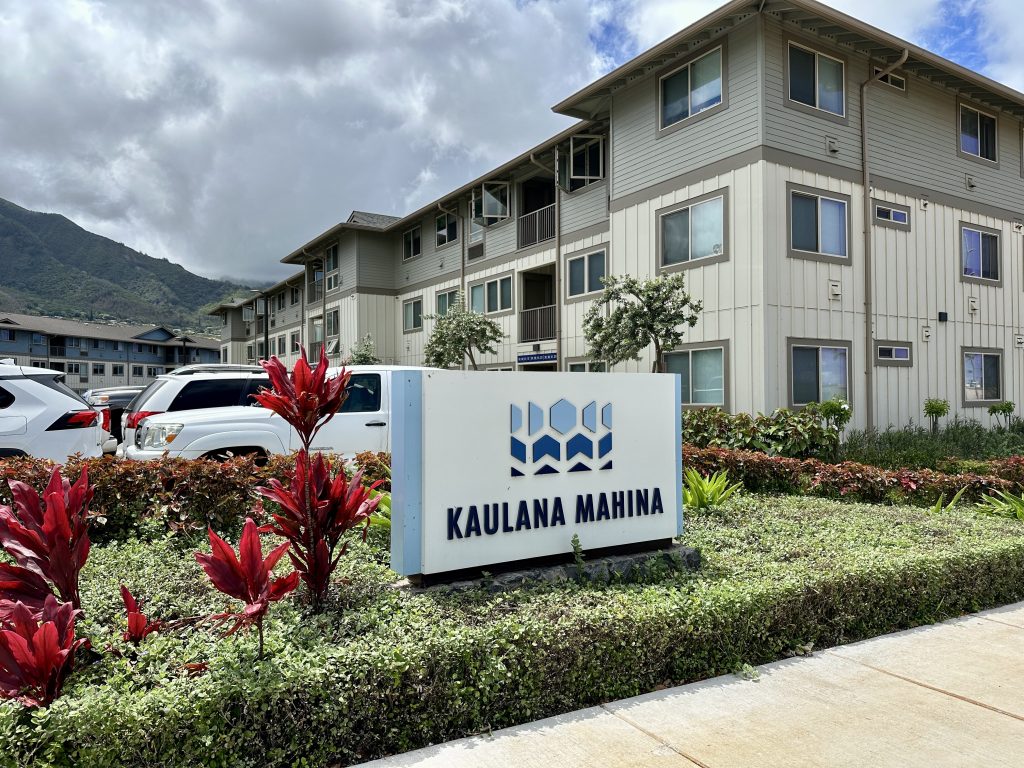
A Wailuku apartment is among the Greystar properties named in a civil rights complaint filed Monday alleging the company illegally refused to rent to prospective tenants using federal housing vouchers.
Housing Rights Initiative, a national housing watchdog group, filed the complaint with the Hawaiʻi Civil Rights Commission alleging five violations of state fair housing law at Greystar properties statewide, including Kaulana Mahina at 10 Piha Poepoe Way in Wailuku.
The Hawaiʻi filing is part of a broader multistate action alleging 114 violations across seven jurisdictions — Hawaiʻi, California, Maryland, Michigan, New Jersey, Virginia and Washington, D.C. — against Greystar, which the group describes as the nation’s largest apartment owner and manager.
The complaints stem from an undercover investigation in which Housing Rights Initiative testers posed as prospective tenants and called Greystar properties to ask whether they could pay rent using a Housing Choice Voucher, commonly known as Section 8.
According to the group, Greystar leasing agents repeatedly refused to accept vouchers, imposed unlawful conditions on voucher holders or declined to count voucher assistance toward income requirements.
At the Wailuku property, a tester called on Jan. 22 asking about a one-bedroom apartment listed at $2,246 a month. The Greystar agent confirmed availability but said the property did not accept Section 8 vouchers. When the tester asked again whether she could use her voucher, the agent said, “We do not accept it under this certain unit.”
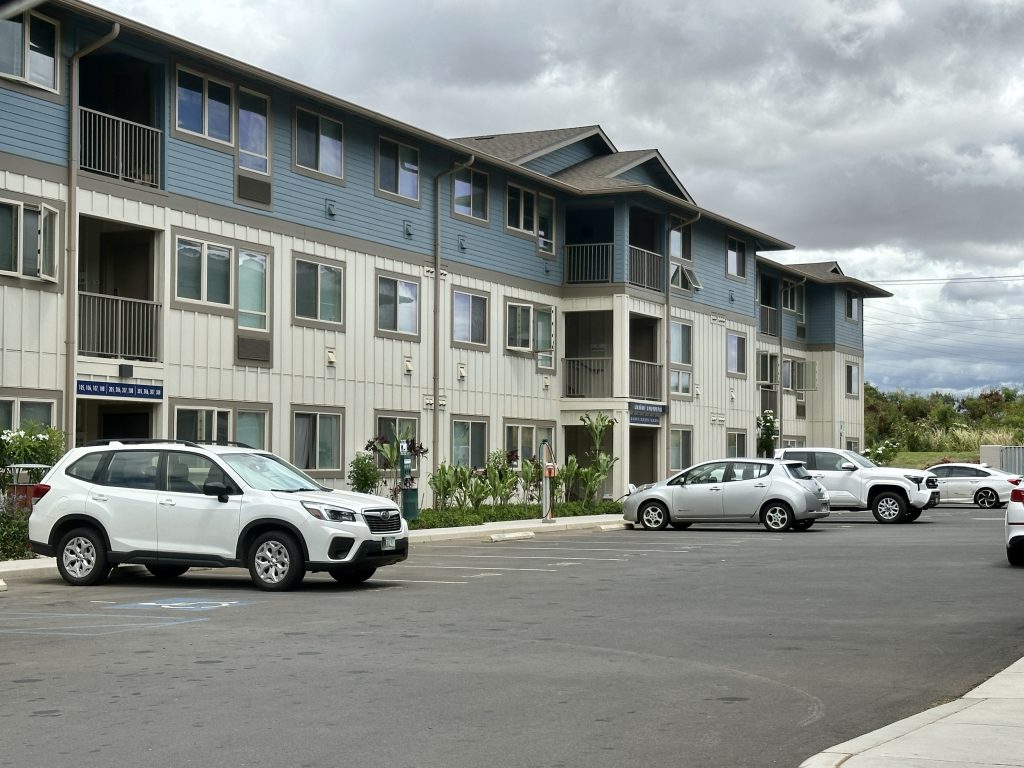
Hawaiʻi law prohibits housing providers from discriminating against tenants based on their source of income, a protection intended to prevent voucher holders from being shut out of the rental market.
“Greystar has been committing mass civil rights violations at a scale unlike anything our organization has ever seen,” said Aaron Carr, founder and executive director of Housing Rights Initiative, in a statement announcing the filings. Testers calling Greystar properties nationwide got the same response over and over: no vouchers accepted, he said.
Brian Corman, a partner at Cohen Milstein Sellers & Toll, the law firm representing Housing Rights Initiative in the filings, said voucher discrimination undercuts a program designed to fight poverty and housing instability.
“When housing providers unlawfully refuse to consider applicants simply because they use a voucher, they erect barriers that undermine these proven benefits and deny families access to housing opportunities that the law is designed to protect,” Corman said.
Housing Rights Initiative said its investigation of Greystar began in October 2025 and is ongoing, with additional violations possible as testing continues. The group said it is calling on civil rights agencies and attorneys general in each jurisdiction, including the Hawaiʻi Civil Rights Commission, to act on the evidence presented.
According to Greystar’s website, the company manages more than 1.1 million multifamily units and student beds globally. Greystar did not immediately respond to a request for comment from Maui Now.
The Hawaiʻi Civil Rights Commission has authority to investigate housing discrimination complaints and can pursue enforcement action, including penalties, against landlords found in violation of state fair housing law.
Maui County administers federal Section 8 housing program locally as its “Housing Choice Voucher” program.

Department of Housing Director Richard Mitchell said Housing Choice Voucher wait list is temporarily closed until the existing list has been reduced to a level that allows the program to effectively serve new applicants.
There were an estimated 2,200 names on the wait list when it was closed in 2023, Mitchell said. The list currently has about 750 names. Names are removed from the list for various reasons, including people acquiring housing through vouchers and people becoming ineligible due to income changes.
“The department is committed to promoting fair housing, encouraging landlord participation in the Housing Choice Voucher Program and supporting meaningful access to rental housing for voucher holders without unlawful discrimination,” Mitchell said.
Sponsored Content

_(1)_1787857947612.webp)