Three years after Maui Wildfires, DOH continues to support long-term community health
Three years after devastating wildfires swept through Lahaina and parts of Upcountry Maui, the Hawaiʻi Department of Health continues to support the health and recovery of Maui communities through behavioral health services and partnerships with community organizations.
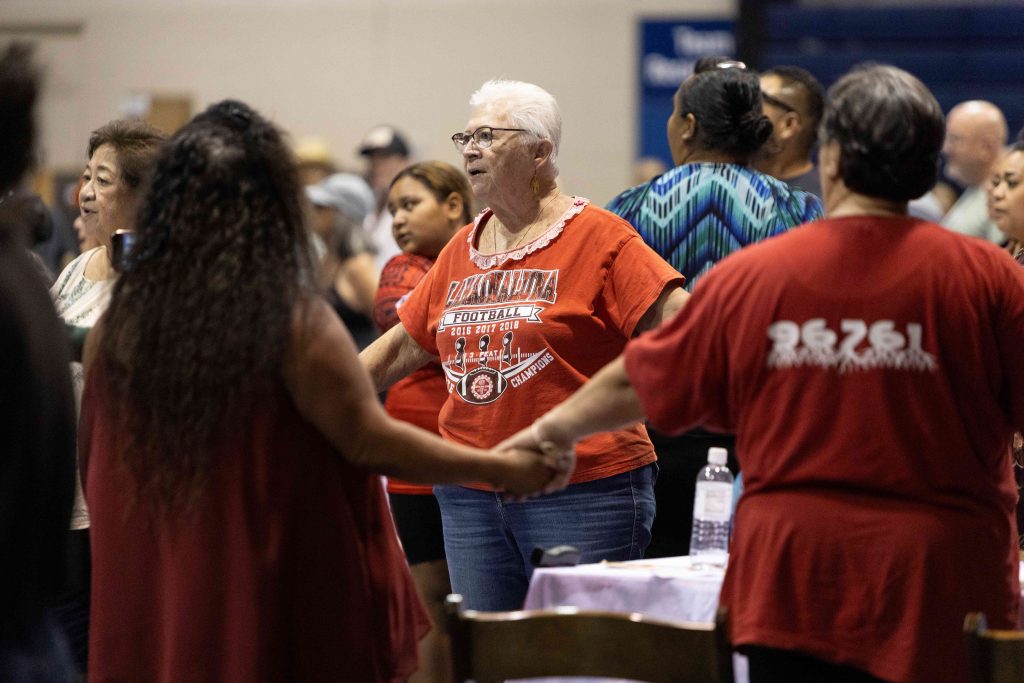
At the Lahaina Comprehensive Health Center, behavioral health staff continue to see residents seeking help, including people who are accessing services for the first time nearly three years after the fires. Staff report that displacement fragmented families and disrupted childcare, work, school and community connections. Many residents, including kūpuna, continue to experience grief, loss of identity and uncertainty about their place in a changing Lahaina.
The health center provides both clinical and community-based programs, including counseling and behavioral health services as well as ʻukulele, art, youth, men’s support and tai chi groups, acupuncture, lomi lomi and other Native Hawaiian healing practices. Programs evolve in response to community needs and provide opportunities for residents to connect in a safe, low-pressure environment.
The Department of Health’s Maui Behavioral Health Wildfire Response, funded by the US Substance Abuse and Mental Health Services Administration (SAMHSA) Emergency Response Grant (SERG), has provided 86,903 sessions of support, therapy and holistic services to date.
About 37% of those sessions involved formal behavioral health services, such as therapy, case management or psychological services. Since the fires, SERG provider agencies and DOH have also facilitated 436 training sessions for 8,323 participants. In addition, health fairs, wellness events, socialization opportunities and therapeutic programs have served more than 2,400 individuals.
More than 20 local and traveling provider agencies have contributed to these efforts, focusing on strengthening connections among community members and supporting healing throughout the past three years of recovery. During the first six months of 2026, an average of 4,050 individuals each month engaged in recovery services provided by DOH partners through the SERG network. More information is available at polhi.org/MauiSERG.
Additionally, DOH’s Adult Mental Health Division opened two Certified Community Behavioral Health Clinics on Maui in late 2023, serving Kahului, Lahaina and surrounding communities. More than 1,600 individuals are currently engaged in active services through the expanded clinics, in addition to more than 150 clients served by the long-standing Wailuku Community Mental Health Clinic. To learn more about available services, visit wellness.hawaii.gov.
“Healing does not happen on a set timeline,” said Dr. Courtenay Matsu, deputy director of Behavioral Health. “Three years later, people in the Lahaina community continue to experience the effects of displacement, loss and trauma in different ways. We remain committed to meeting people where they are and ensuring that behavioral health services and community-based supports are available to those who need them.”
Three years after the fires, DOH continues to focus on environmental and psychological safety, building hope and resilience, continuously assessing community feedback and emerging health needs, and expanding services in partnership with private agencies and community partners.
DOH also continues to make its environmental monitoring data available to the public to empower the community with data-driven information.
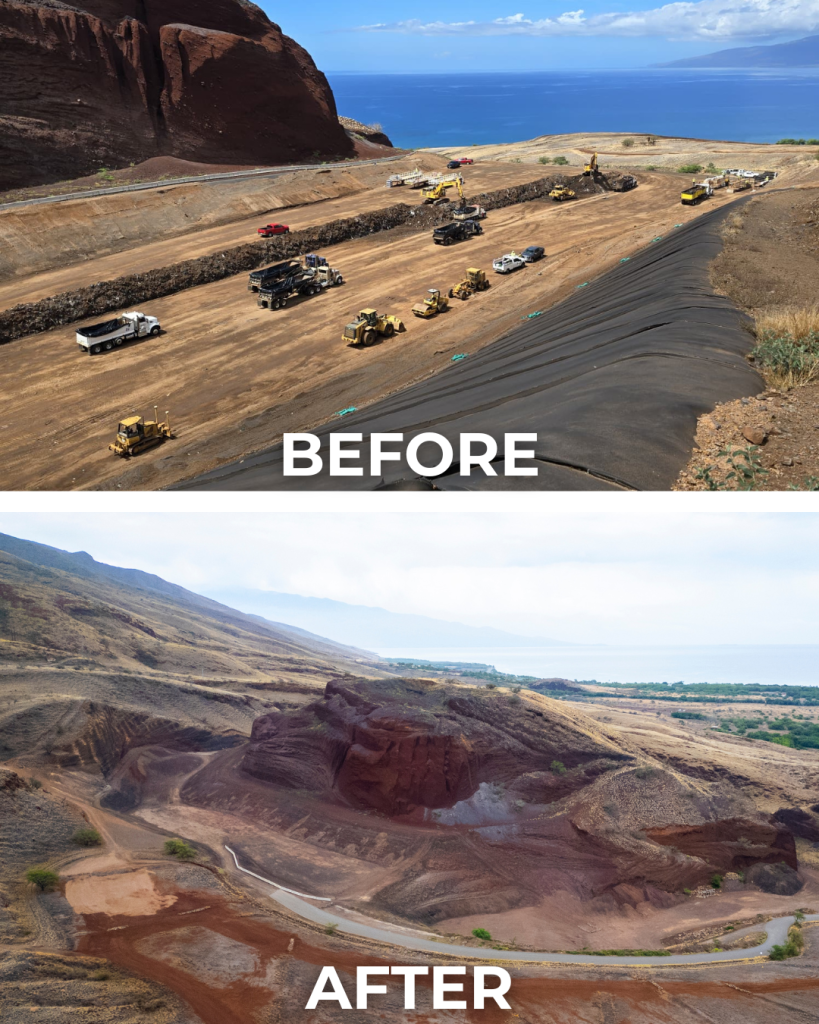
The closure and restoration of the Olowalu Temporary Debris Storage Site marked the completion of wildfire debris removal. The removal of wildfire debris mitigated a major environmental risk — and post-removal sampling confirmed that it was safe for residents and businesses to return and begin rebuilding.
From the weeks after the fire through the restoration of the Temporary Debris Storage Site, DOH and its partners completed monitoring and sampling of air, ash and debris, beach sand, coastal sediment, coastal waters, soil and streams. DOH and other state agencies continue to work on watershed-based restoration projects and coastal sediment monitoring. Monitoring to date confirms that streams and coastal waters around Lahaina are safe for recreation.
Real-time air-monitoring sensors installed following the Maui wildfires continue to be deployed in the community to augment existing monitoring resources.
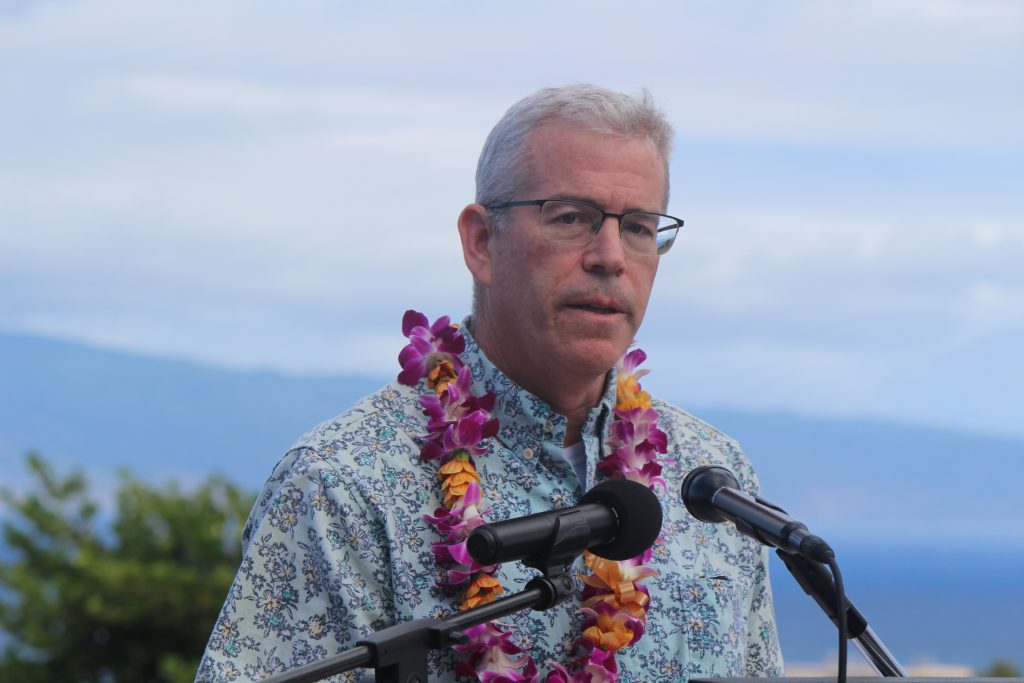
“Three years after the Maui wildfires, the completion of wildfire debris removal is an important milestone for the community and the recovery process,” said DOH Director Kenneth Fink, M.D. “We remain committed to working alongside Maui communities, sharing the information we gather, continuing environmental monitoring and supporting the health and well-being of residents as recovery continues.”
For the latest Maui wildfire environmental monitoring results and health resources, visit the Maui Wildfire Data Dashboard.
Sponsored Content