What separates fact from fiction? Wildfires and public safety power shutoffs
The summer months bring dry and windy conditions that increase the risk of wildfires, such as the deadly blaze that devastated Lahaina town in August 2023.
Now, Hawaiian Electric Co. and the Hawaiʻi Wildfire Management Organization are addressing what they say are five of the most widely held myths about wildfires and prevention strategies, such as public safety power shutoffs.
“The more we know, the more we can prepare. By working together as a community, we can increase our awareness of the risks of wildfires and take steps to protect ourselves,” said Jim Alberts, Hawaiian Electric senior vice president and chief operations officer.
“Now that public awareness of the threat of wildfires is growing, it’s critical we ground that urgency in good information and shared action. This is a long-term challenge, but if we care, learn, and work together, we can protect what we love and build lasting resilience,” said Elizabeth Pickett, Hawaiʻi Wildfire Management Organization executive director.
Here are the five top myths, according to the organization and Hawaiian Electric:
Myth 1: There’s plenty of time to prepare for wildfires
Wildfires can happen suddenly and at any time, not only during the summer.
“Review your emergency plans and take steps to protect your home or business. Wildfires can spread rapidly, so have a ‘go bag’ with essential items and be ready to evacuate with little notice. Waiting too long to evacuate can expose you to more risk and create additional traffic that impedes the efforts of first responders.” Residents are urged to download Hawaiian Electric’s Handbook for Emergency Preparedness and visit HWMO’s website for information about wildfire safety.
Myth 2: Wildfires and Public Safety Power Shutoffs only occur during Red Flag warnings
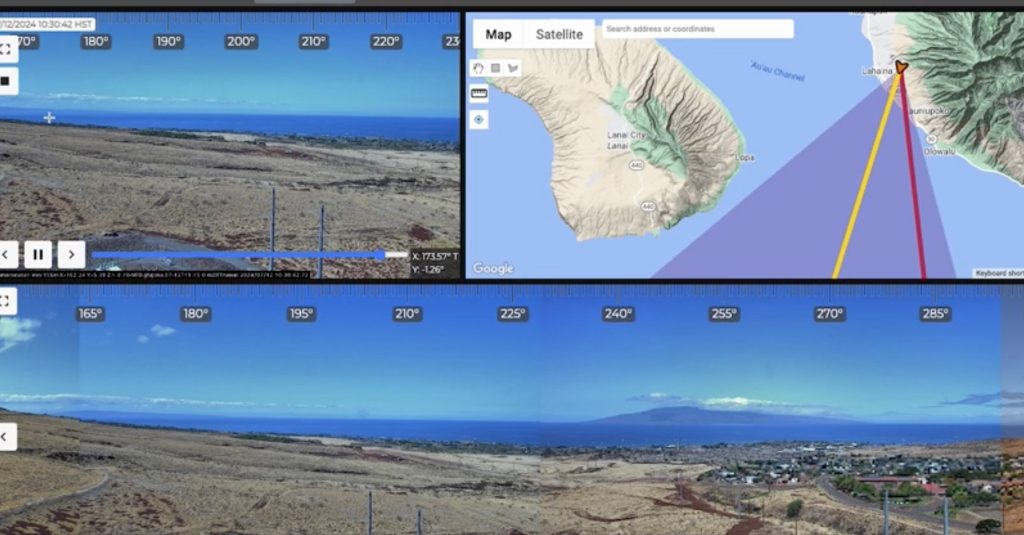
“Wildfires aren’t limited to Red Flag warnings. They can occur at any time, not just during summer months or other periods of hot, dry weather. As a last line of defense, Hawaiian Electric may proactively shutoff power in high-risk areas to reduce the risk of ignitions that may cause wildfires, a procedure referred to as a Public Safety Power Shutoff.” A Red Flag warning does not automatically trigger a safety power shutoff. The three primary criteria for determining such a preventative measure are:
- Persistent drought conditions.
- Wind gusts 45 mph and higher
- Relatively humidity below 45%
- Visit Hawaiian Electric’s website for more information about the PSPS program and maps of PSPS zones on Oʻahu, Hawaiʻi island and Maui County.
Myth 3: As soon as weather conditions improve, there’s no risk of fire and any power outages can be restored immediately
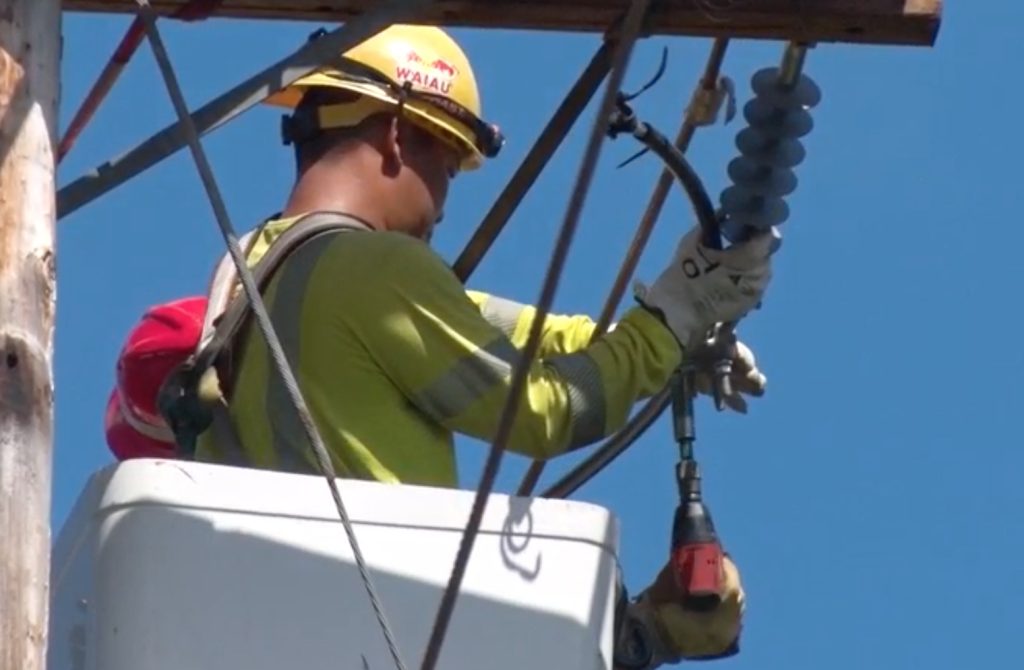
“The threat of fire weather may pass but dangerous conditions may remain. If high winds caused any power outages or a public safety power shutoff was activated, any damage to the electric system must be repaired before power can be restored. Turning on the power too early may result in sparks that can start a fire. Crews must visually inspect power lines to ensure everything is safe before power can be restored, a process that can only be done during daylight hours. This may result in extended outages, possibly lasting overnight.” Click here for more information about the power restoration process.

Myth 4: Wildfires only happen in certain areas
“While certain hot, dry areas face higher risks, historical data shows wildfires have occurred across each major island in Hawaiʻi. Regardless of their location, residents and businesses should be prepared in case a wildfire breaks out nearby. More communities are banding together to take action. The Firewise program helps communities adapt to dealing with wildfire risks and encourages neighbors to work together and take action to prevent losses. In Hawaiʻi, 30 communities have joined a nationwide network of more than 1,500 Firewise sites.” To learn more about the Firewise program and reducing wildfire risks in your neighborhood, visit HWMO’s website.
Myth 5: It’s someone else’s job to prevent wildfires
“Everyone has a role in preventing wildfires. Government, utilities, first responders and public service agencies prepare year-round to prevent and respond to hazards of all types. In February, HWMO brought together stakeholders from across the state for a summit to strategize and share information. Hawaiian Electric is implementing a multi-year strategy to harden its grids and reduce the risk of wildfires associated with utility infrastructure. Residents and businesses can do their part by being prepared and taking steps to reduce risks in communities.”
Sponsored Content