The Sewing Hui brings characters to life in Maui OnStage’s ‘Come From Away’
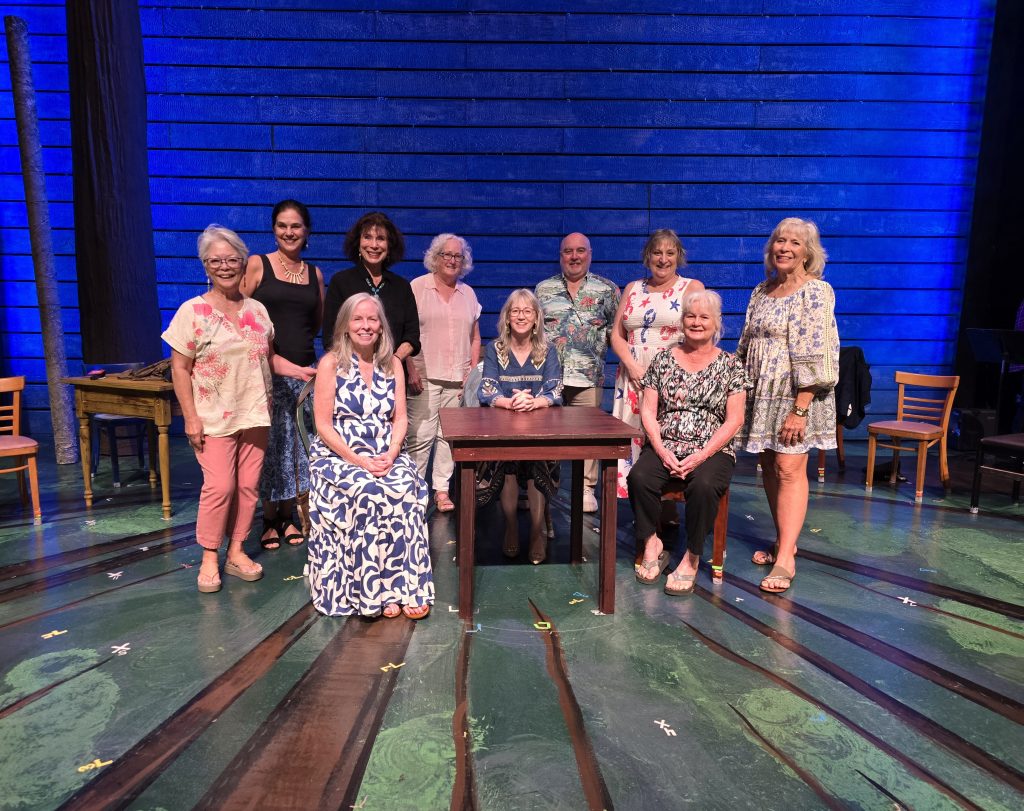
The Sewing Hui, a 501(c)3 nonprofit organization dedicated to sewing for the Maui community, continues to make its mark on the island’s arts scene with its latest collaboration: the Maui OnStage production of “Come From Away.” This powerful, Tony Award-winning musical is running now through July 27, 2025, at the historic ‘Īao Theater in Wailuku.
This is no ordinary production. Maui OnStage is the first community theater in the United States to be granted the rights to produce “Come From Away.” This makes the Maui run not just a local milestone, but a national one.
Set in the days following the Sept. 11, 2001 attacks, “Come From Away” tells the remarkable true story of 7,000 airline passengers diverted to the tiny town of Gander, Newfoundland, and the open-hearted locals who welcomed them.
“It’s a story of human kindness, connection, and resilience,” organizers said.
Jennifer Oberg, costume director for the show, teamed up again with Director Kalani Whitford, after working together last fall on “Murder on the Orient Express.” She led a team of dedicated volunteers from The Sewing Hui in creating a wardrobe that captures the qualities of each character in “Come From Away.” Actors play multiple roles, sometimes changing costumes onstage.
One challenge with the show was making it look like the actors weren’t wearing costumes at all while still making sure each character had a distinct, intentional look that told their story.
“Costume designer Toni Leslie-James did an incredible job developing the original costume design for the Broadway version of ‘Come From Away,'” Oberg said. “Her design execution was smart and effective. My role as costume director wasn’t to reinvent the wheel, but to bring her design plan to life for our cast.”
Another unique challenge in costuming this production was that the roles were essentially double cast, with understudies guaranteed performance dates. This meant Oberg and her team often had to source two of many costume pieces, as the actors were typically different sizes.
The costume team also had to consider the band members’ attire, as they appear onstage during a key scene in the Legion Hall, playing music to cheer up the stranded passengers. The musicians sourced their costumes from their own closets under Oberg’s guidance.
The costume changes in this show are nonstop. Because actors play multiple roles, a character change can happen in a matter of seconds. It might be as simple as a scarf, hat, glasses or coat to indicate a completely different person.
“We have two incredible wardrobe and prop assistants, Sam Castillo and Maile Libonati, working in the wings at each show,” Oberg said. “They’re constantly moving, handing off pieces, resetting costumes. They’re an essential part of making the magic happen.”
Some changes require coordination between actors. For example, actor Josh Pelletier transforms from passenger Kevin T to Garth, the head of the local union, by simply removing his leather jacket onstage. Another actor whisks it away, and just like that, he’s someone new.
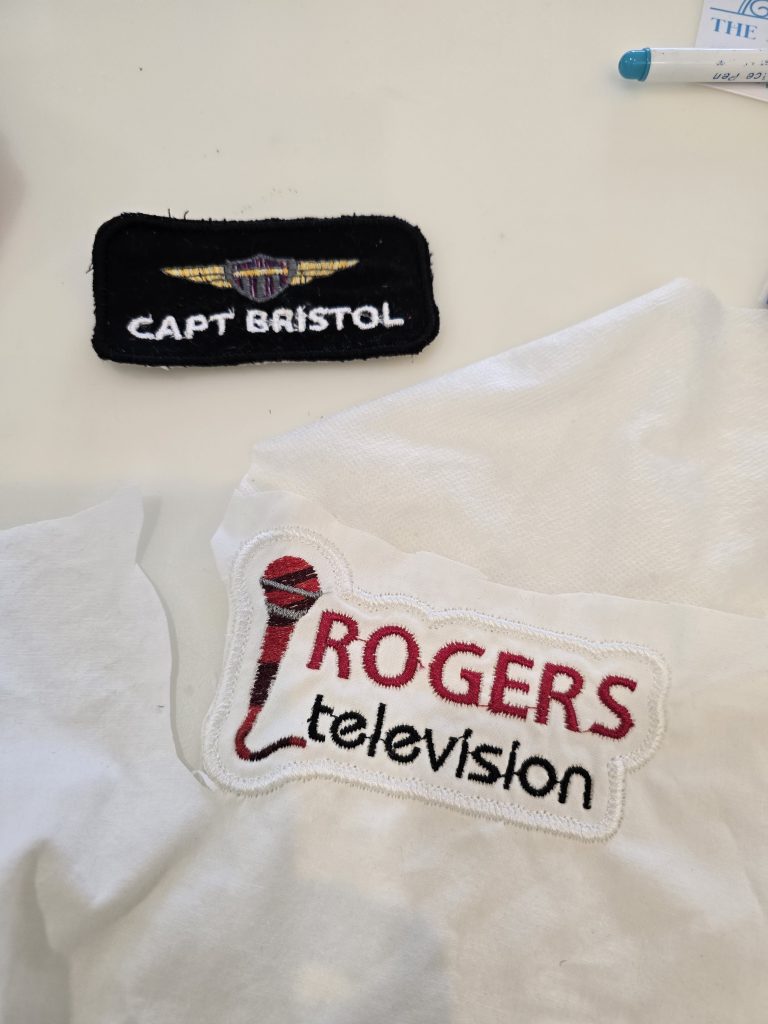
 Lynne Donaldson’s custom patches for the show. (Courtesy: The Sewing Hui)
- Actor Sarah Verity Flynn (Captain Beverley Bass). (Courtesy: The Sewing Hui)
- Actors Josh Pelletier (Garth) and Nara Boone (African passenger). (Courtesy: The Sewing Hui)
- Actors Dale Button (Doug), Jesie Rocetes (Dwight), Brian Miller (Officer Oz), Grant Matthews (Mayor Claude), Kristi Scott (Beulah), and Amber Rose Seelig (Janice). (Courtesy: The Sewing Hui)
- American Airlines Pin. (Courtesy: The Sewing Hui)
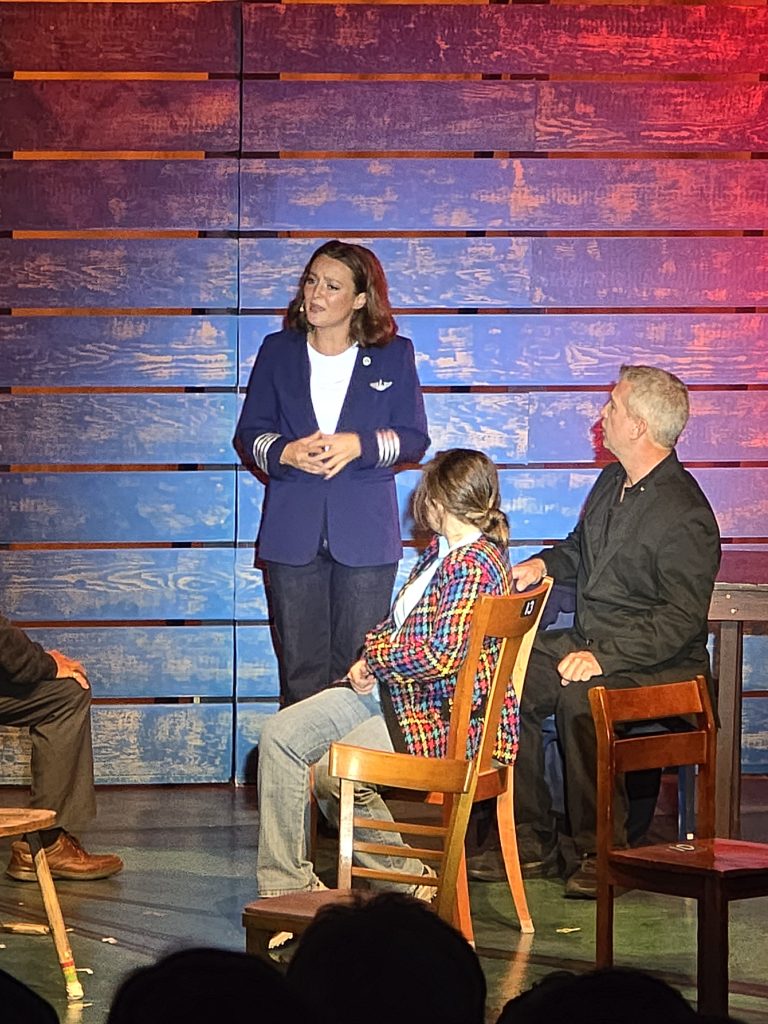
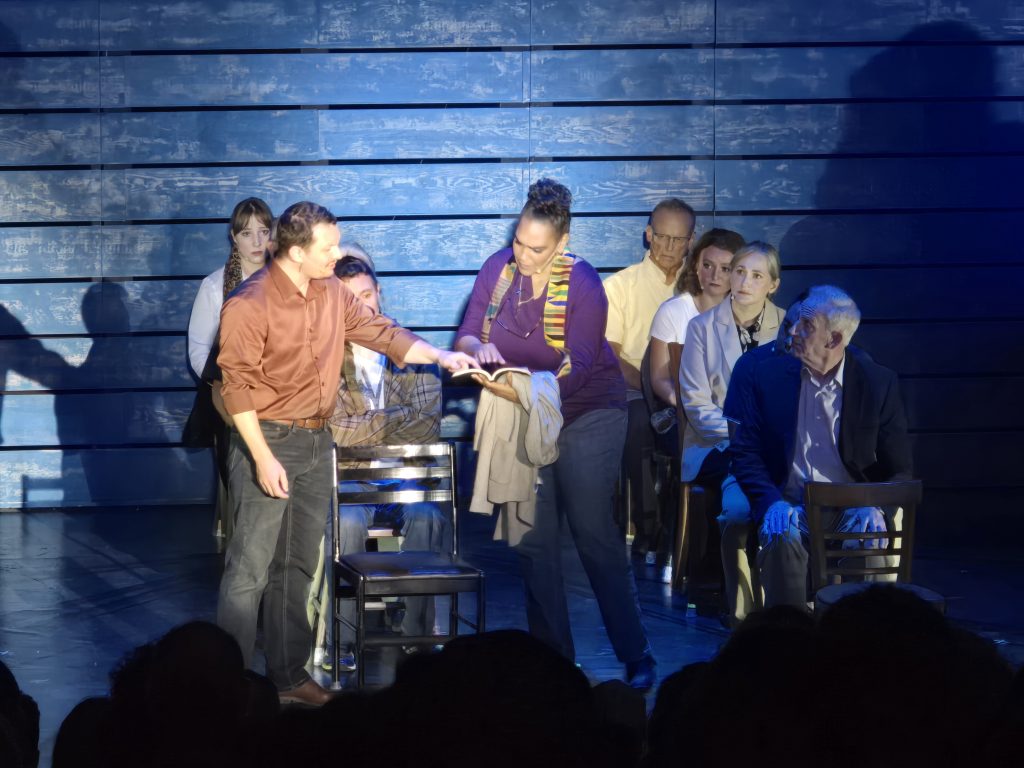
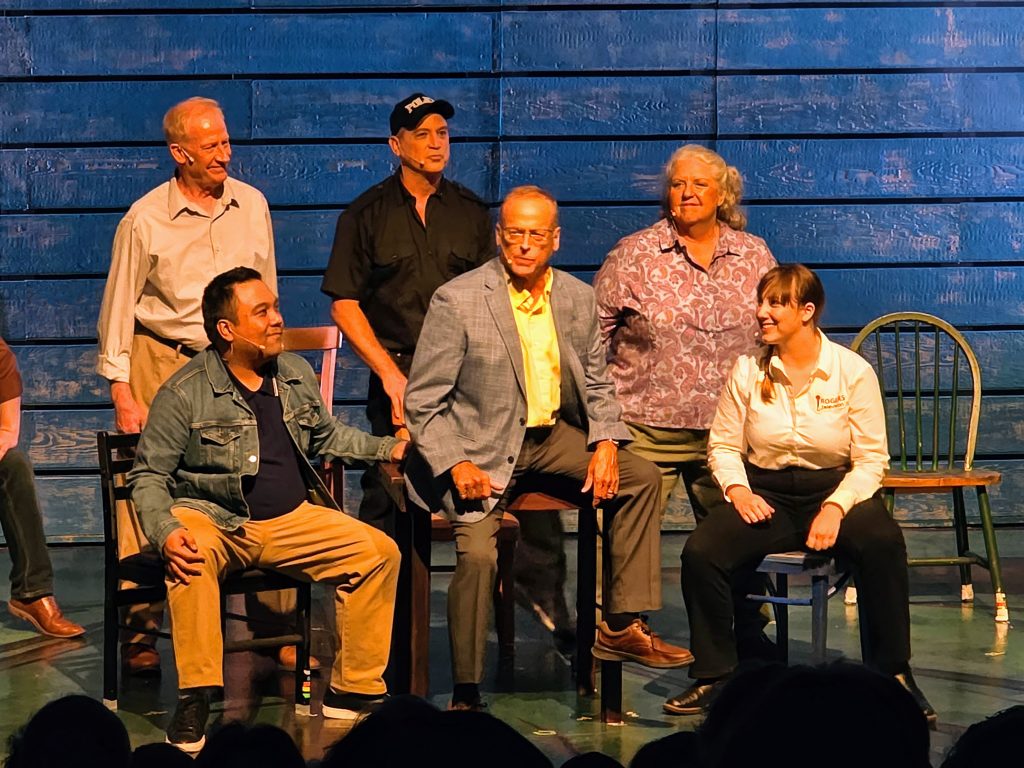
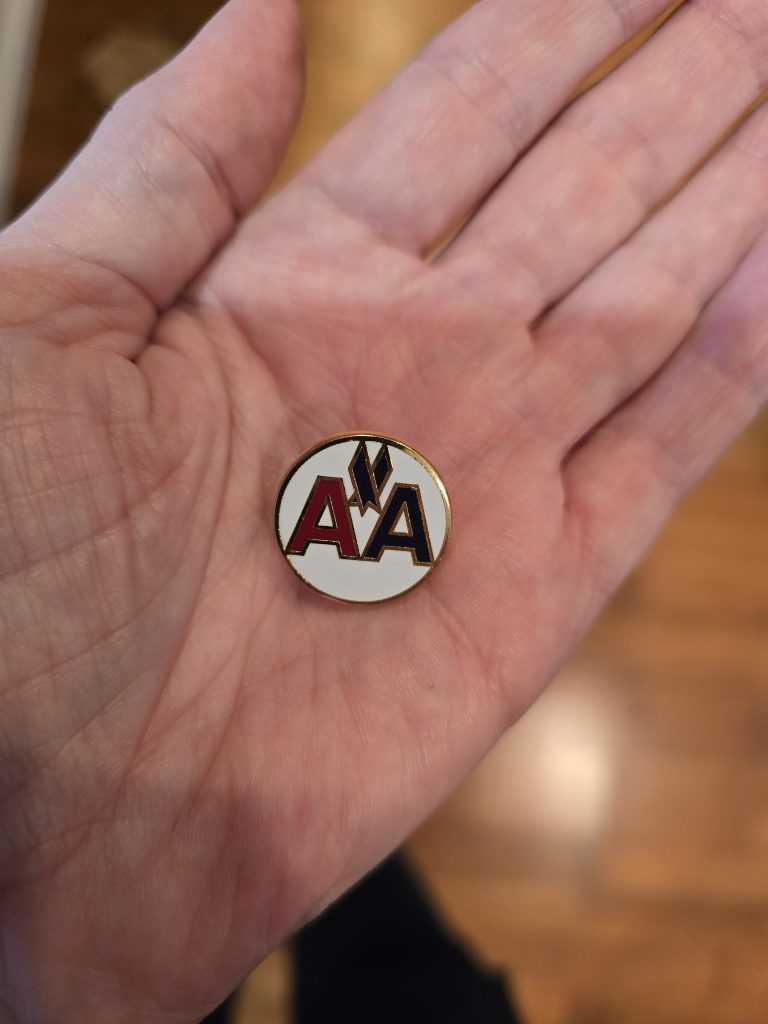
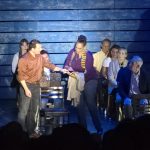
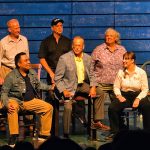
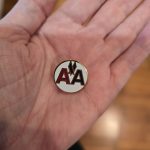
Oberg looked for pieces that would help bring each character to life, like the classic 1990s vest worn by actor Sarah Verity Flynn and Lia Krieg as Annette, or the perfect gold cross for Nara Boone and Aida Rose in the role of Hannah, or the American Airlines pin worn on the lapel of Captain Beverley Bass’ pilot jacket.
Sewing Hui volunteer Lynne Donaldson used her embroidery machine to create custom patches for the Walmart greeter apron and for TV reporter Janice Mosher, played by Amber Rose Seelig and Lily Werner. She also created a name patch for Captain Bristol, the Virgin Atlantic pilot played by Daniel Church.
Another meaningful detail is the gold military star worn on the lapel of Officer Oz Fudge, played by actor Brian Miller. The pin was a personal gift to Brian from a Canadian friend, adding a heartfelt layer of authenticity to his portrayal.
“I love when actors bring their own ideas and attention to detail to their characters,” Oberg said. “I know how hard they work, and when I’m in the audience watching them, it’s like a jolt of electricity runs through me, so exciting. I love the actors so much. The costumes are nothing without them.”
The costumes may look simple, but there’s hidden complexity built into them. Extended interior pockets were added to hide costume props, and stretchy fabric pockets were reinforced with grosgrain tape so the weight of the props wouldn’t distort the shape of the pocket. Every detail had to be carefully considered to support the fast changes and constant movement.
“One change happened by accident, and it ended up being one of my favorite moments,” Oberg said. “Actor Daniel Church wears a New York Yankees T-shirt under a plaid shirt, but during one quick change he didn’t have time to put the plaid shirt back on for the finale. The Yankees shirt stood out, and I loved it. It was a visual connection between Gander and New York City, so I asked Daniel to keep that moment in the show.”
Volunteers Diane Mathison, Jani Hoffmeier, Pamela Patrick, Patty Davis, Gail Pickholz, Lynne Donaldson, Murray Donaldson, Mallory Armstrong, Rita Avancini, Elaine Shaw, Ellie McGaughey, Pauline Fiene, Anita Hulstrom and Micah Oberg all contributed their time and talent to the production, sewing, altering and finishing garments.
Even basic alterations were essential. Things like hemming pants to the right length for the time period, taking in the waists of jeans or shortening sleeves. For the scene where the passengers are wearing donated clothes, they had to walk a fine line. The fit needed to feel a little too big or small like borrowed clothing would, but still look polished enough not to be distracting.
- Volunteers Pamela Patrick, Jani Hoffmeier, Diane Mathison, and Mallory Armstrong with the cardiologists’ lab coats. (Courtesy: The Sewing Hui)
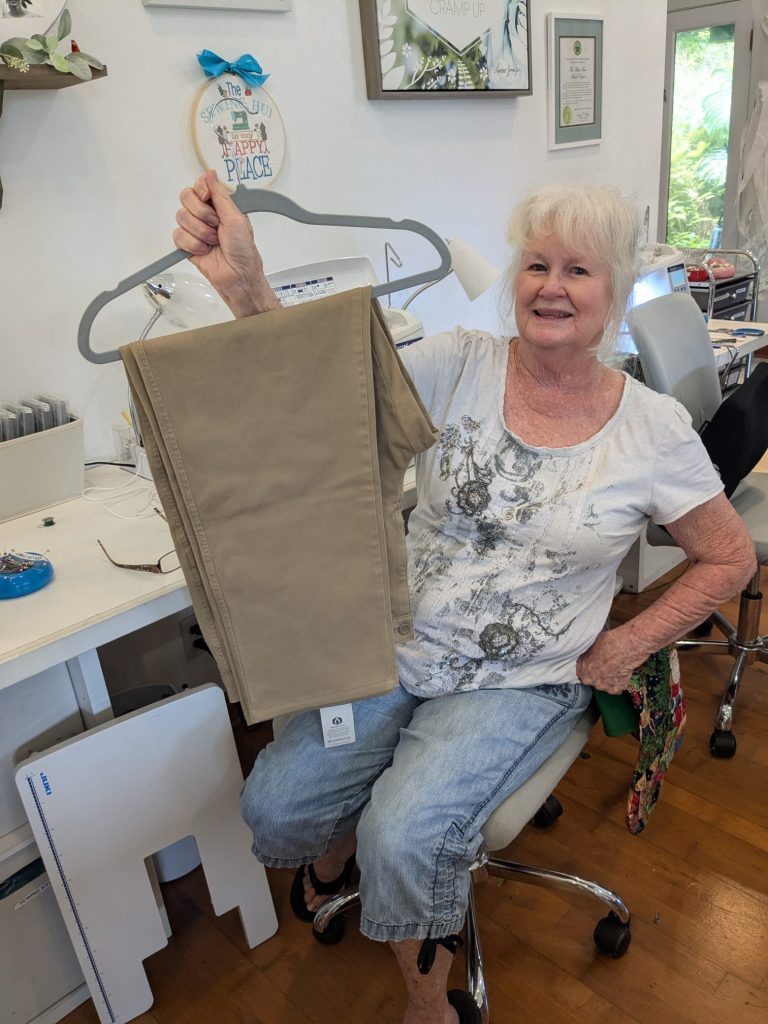
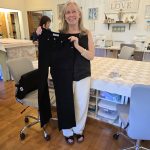
- Volunteer Diane Mathison finishing up a pant hem. (Courtesy: The Sewing Hui)
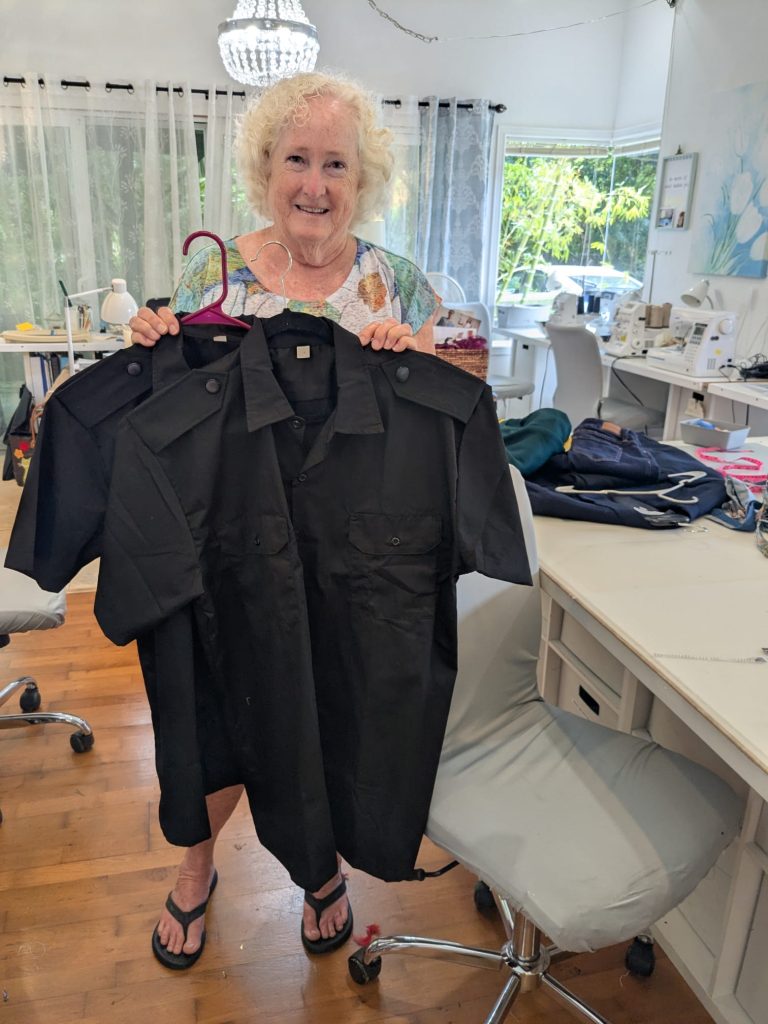
- Volunteer Mallory Armstrong with Officer Oz Fudge’s uniform shirts. (Courtesy: The Sewing Hui)
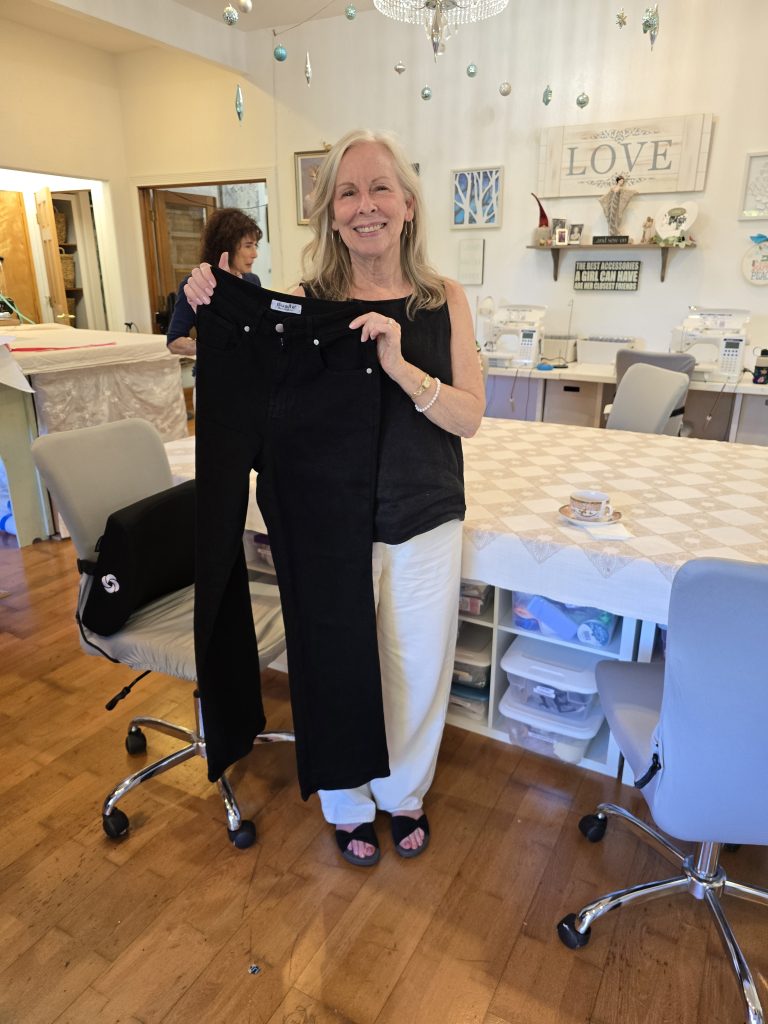
- Volunteer Patty Davis hemming Captain Beverley’s pants. (Courtesy: The Sewing Hui)
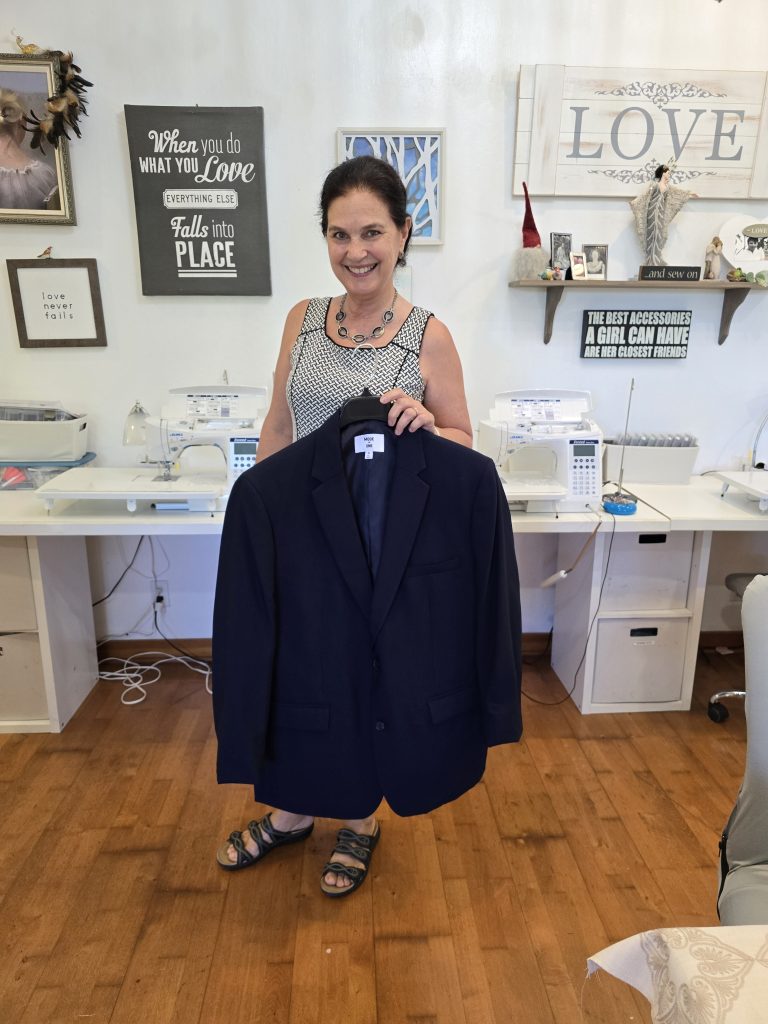
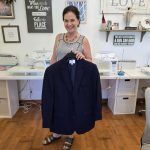
- Volunteer Rita Avacini with Nick’s suit jacket. (Courtesy: The Sewing Hui)
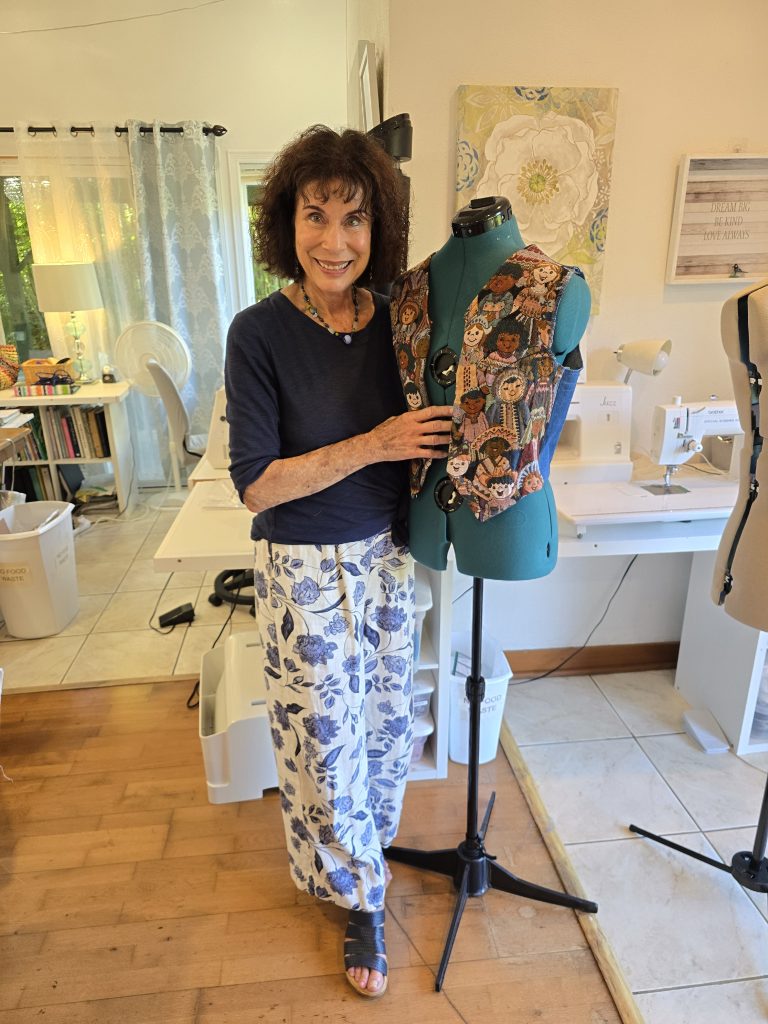
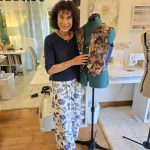
- Volunteer Gail Pickholz worked on Annette’s vest. (Courtesy: The Sewing Hui)
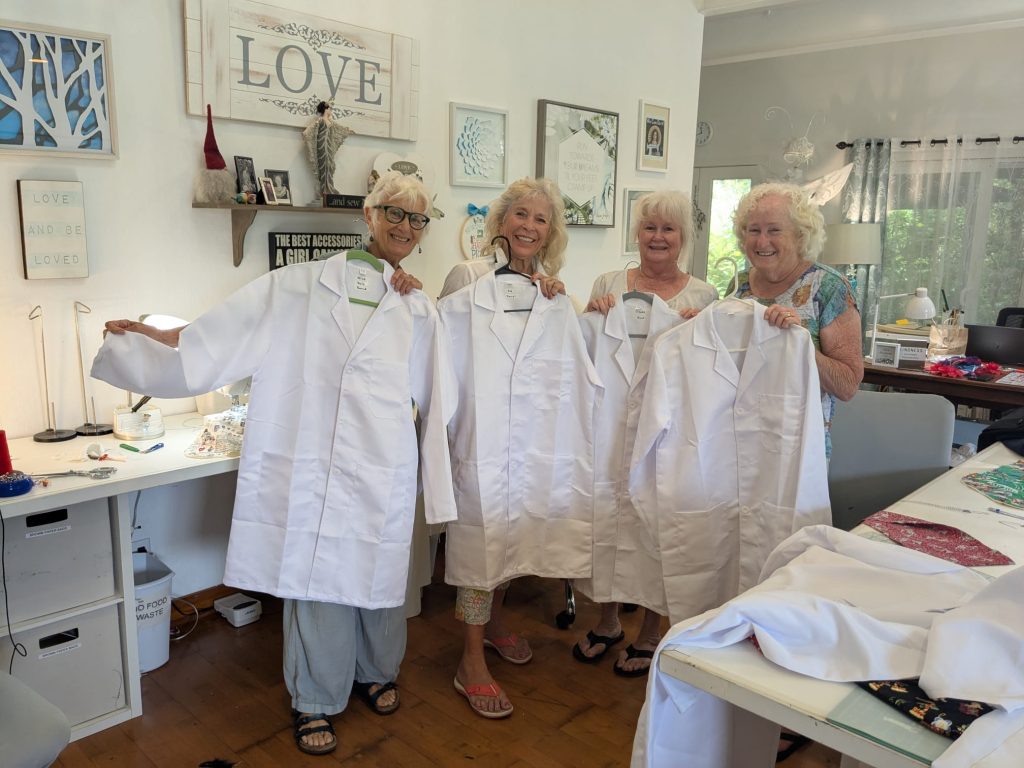
Sewing Hui members have been moved not just by the story, but by the overall production quality.
“One of the best of Maui OnStage,” said volunteer Gail Pickholz. “Every actor was supremely talented, professional and, of course, well dressed.”
Another volunteer, Patty Davis, said the show is full of “every emotion you can muster” and that it had her in tears at the end.
“I moved to Maui on Sept. 8, 2001. Like so many people, I remember 9/11 vividly,” Oberg said. “In particular that feeling of being in the middle of the ocean with no planes in the sky. If you had told me back then that 24 years later I’d be costuming a show about that day, I never would have believed it.”
The theatrical experience is intended to show the power of empathy and the strength of community. “Come From Away” runs through July 27, 2025 at the ‘Īao Theater in Wailuku.
For tickets and showtimes, visit: mauionstage.thundertix.com.
To learn more about The Sewing Hui or to volunteer, visit: thesewinghui.com.
Sponsored Content