
 Hawai'i Journalism Initiative
Last people leave homeless community along Amala Place as county clears out vehicles, belongings
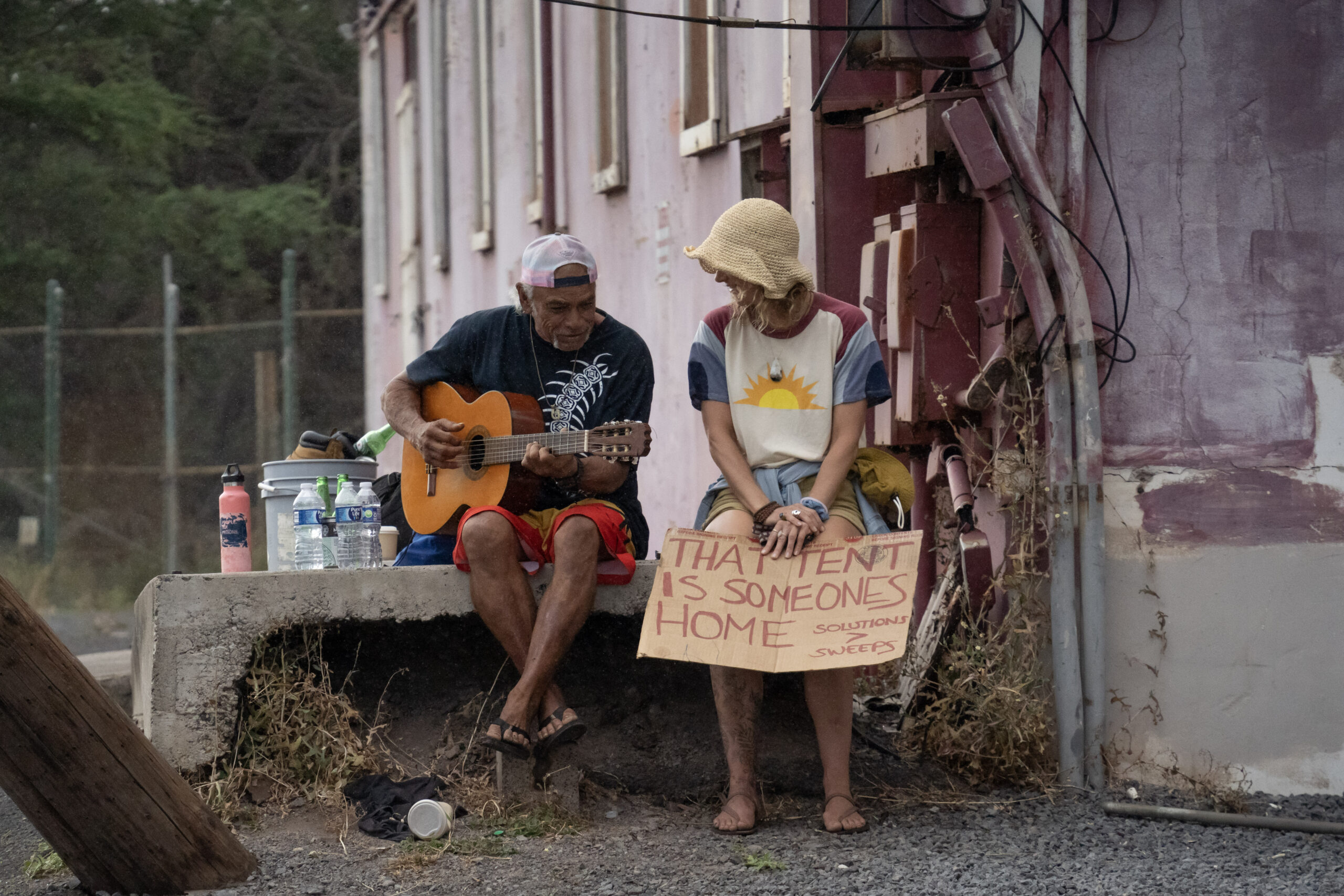
KAHULUI — When it finally came time to leave the homeless community along Amala Place, Robert Dyment took only his bicycle and his guitar. At 69 years old, he said it was too much to wrap up his other belongings, including hand tools and the bed he built out of plywood and futons.
While sitting on a concrete stoop behind Island Grocery Depot, Dyment strummed a quiet tune early Thursday morning as the last of 46 people living in makeshift homes hauled their items out of the area.
HJI Weekly Newsletter
Get more stories like these delivered straight to your inbox. Sign up for the Hawai‘i Journalism Initiative's weekly newsletter:
“The end of a sad story,” he said.
Thursday marked the beginning of a two-day effort by Maui County to clear out people, vehicles, belongings and trash along the popular road to Kanahā Beach Park.
County officials said once again conditions had become unsafe for people to live along that stretch, and that they should instead be in housing. These were the same reasons the county cited before conducting a similar cleanup of that same area in 2021.
But some advocates say it’s not a sustainable solution and will only create more instability for folks who can’t afford the island’s high cost of living.
Of the people who were living along Amala Place, 14 households totaling 23 people got into shelter over the last week, including 21 to Ka Hale A Ke Ola and one each to Aloha House and Mana Recovery, county spokesperson Laksmi Abraham said Thursday afternoon. No arrests were made.
It is unclear where the other 23 people went.
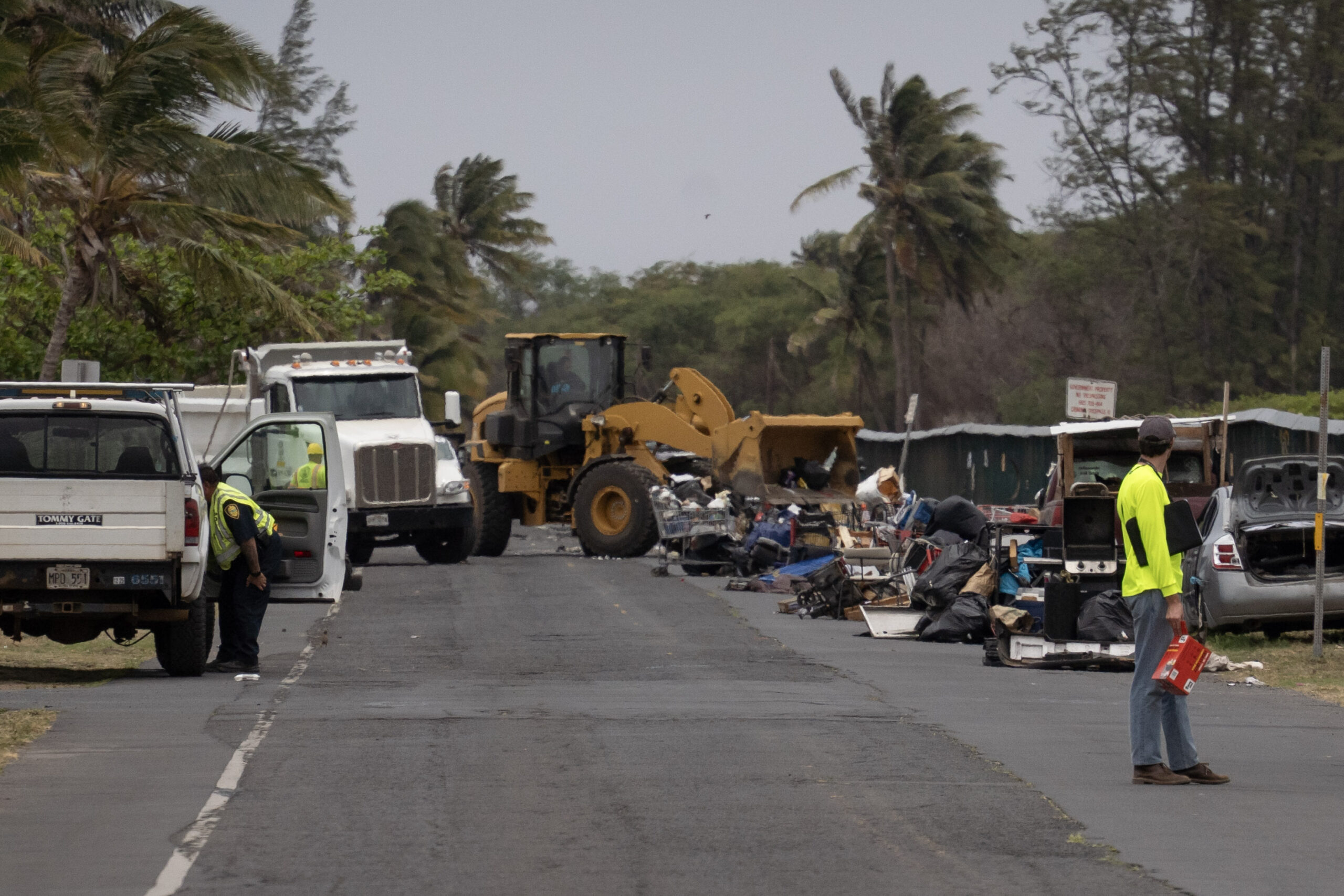
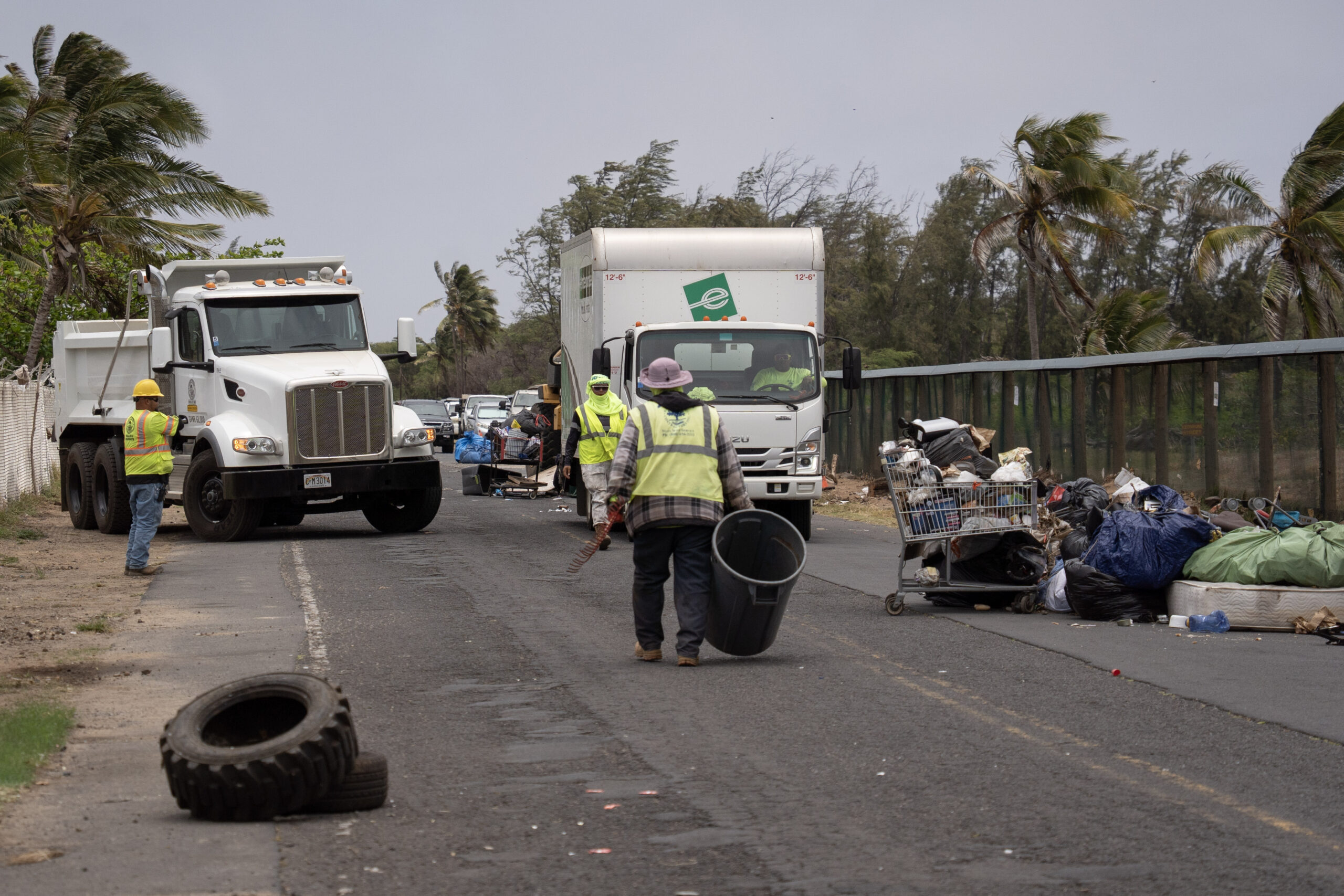
Abraham said 10 truckloads of trash — about 13 tons — were removed from the area. But this time, two truckloads of personal belongings were put into storage. Sixteen cars were removed and also put into storage.
The county’s homeless solutions coordinator Naomi Crozier said that people can call 808-318-0370 to retrieve their belongings or have it delivered to them. They have 30 days to do so before the impounded property will be sold or destroyed.
Maui County is offering the storage option after it was sued in 2021 over its sweep in which residents’ belongings that were not taken in time were part of the 58 tons of solid waste and 54 derelict vehicles that were removed and destroyed.
Both the Hawai‘i Supreme Court and Maui’s 2nd Circuit Court agreed with a group of residents who sued the county claiming they should have gotten a hearing before their property was taken.
The county and the American Civil Liberties Union, which represented the plaintiffs in the 2021 lawsuit, disagree about whether Maui County has taken the proper steps this time.
Maui County says because it is giving people a chance to recover their property, a contested case hearing is not needed. In 2021, the court found a hearing was necessary “because there were no alternative safeguards in place to protect the rights of the individuals involved to prevent the destruction of their property,” Mimi DesJardins, Maui County’s First Deputy Corporation Counsel, told the Hawai‘i Journalism Initiative via email on Wednesday.
“If the county intended to destroy personal property during the cleanup, and not store it, the county would have to offer a contested case hearing to the affected individuals,” DesJardins said. “But that is not what the county is doing.”
In this case, DesJardins said: “The county is adequately balancing the property rights of individuals with the county’s right to maintain its property and preserve public safety.”
Wookie Kim, legal director of the ACLU of Hawai‘i argued that just because the county has a process for storing and retrieving belongings doesn’t mean that people aren’t entitled to a hearing. The point of due process is to make sure “that mistakes are not made by the government that irreparably harm people’s life, liberty and property,” especially ones that can’t be reversed, Kim said. If the government destroys property, “it’s impossible to undo.”
“So in those situations, more needs to be done in advance to ensure that mistakes aren’t being made and that the government has a legitimate basis to do what it’s about to do,” Kim said Monday.
The ACLU is still considering whether to file a legal challenge, Kim said Thursday. One of its main concerns is that it believes residents were not given adequate information on how to challenge the county’s actions.
On July 8, the county issued people living along the road with notices to vacate. This provided nine days for them to remove their property before the 7 a.m. Thursday deadline, when anyone still in the area would be cited for trespassing. The notice told people that there would be a meeting in two days where they could raise concerns and questions.
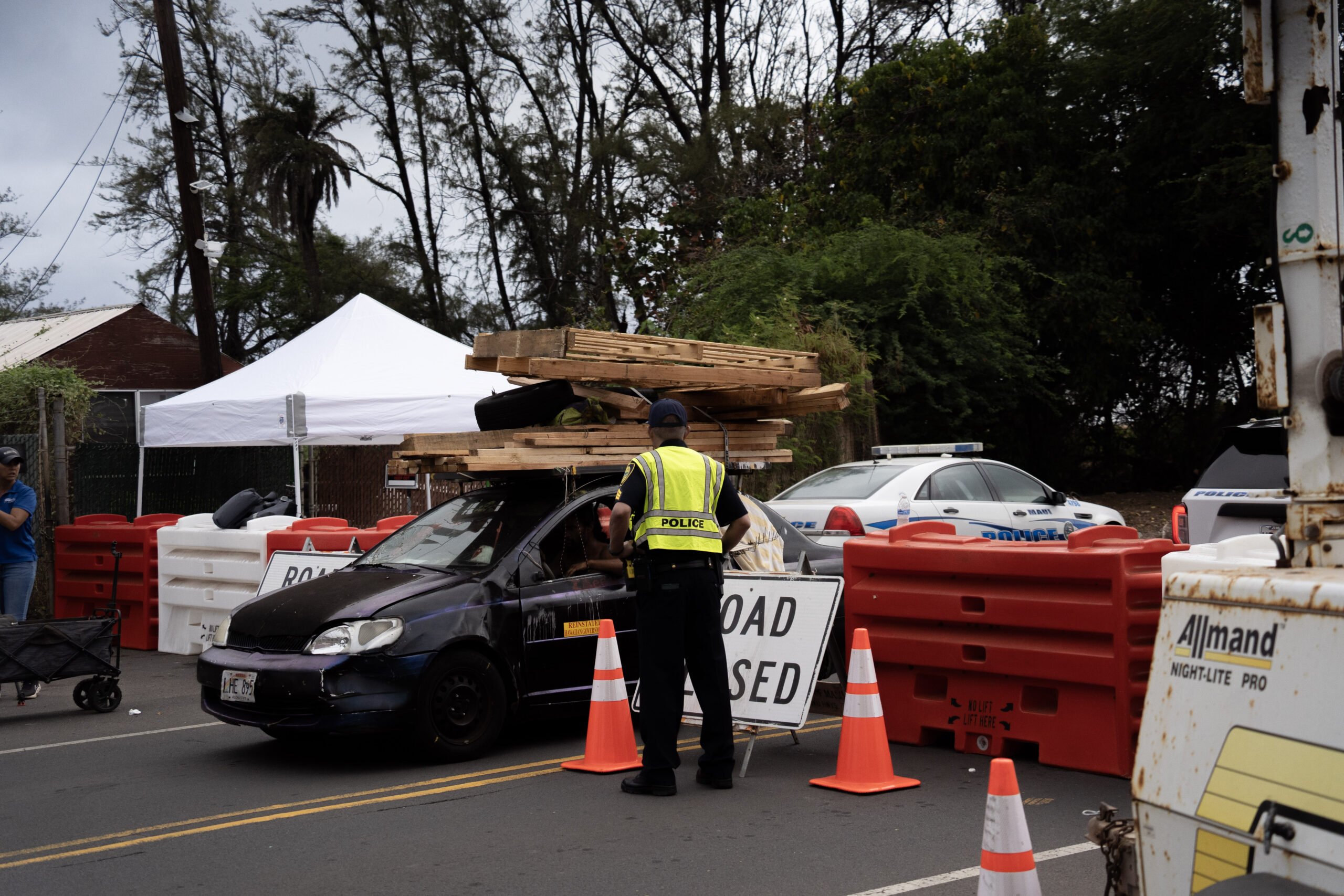
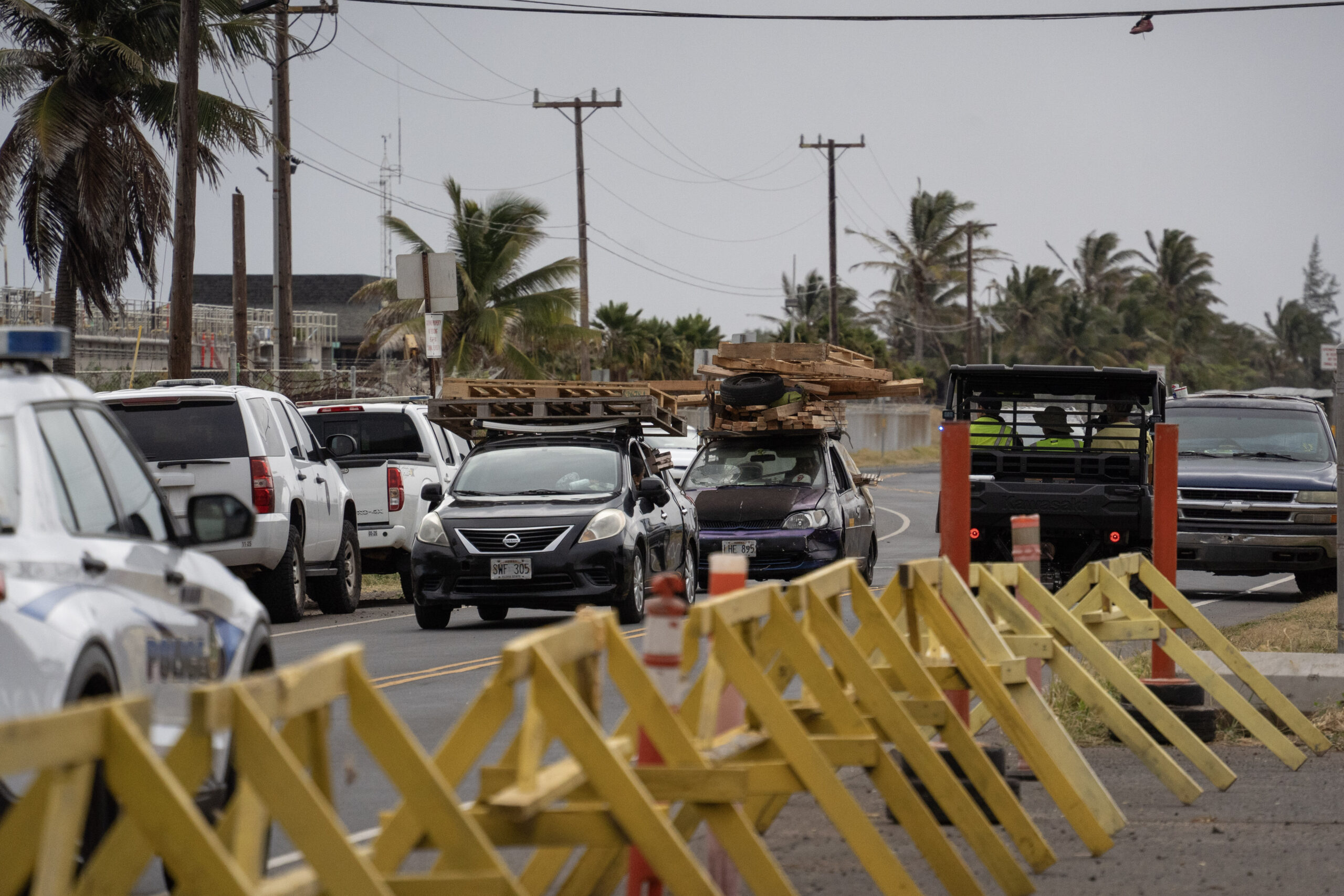
Many people left ahead of the deadline, but a few were still trickling out of the area on Thursday morning, some with cars piled high with pallets, others on foot lugging their belongings.
Maui County Public Affairs Director Mahina Martin said about eight people were still in the area at around 5:30 a.m., and that everyone was out by 8 a.m. with the help of the organization Maui Rapid Response.
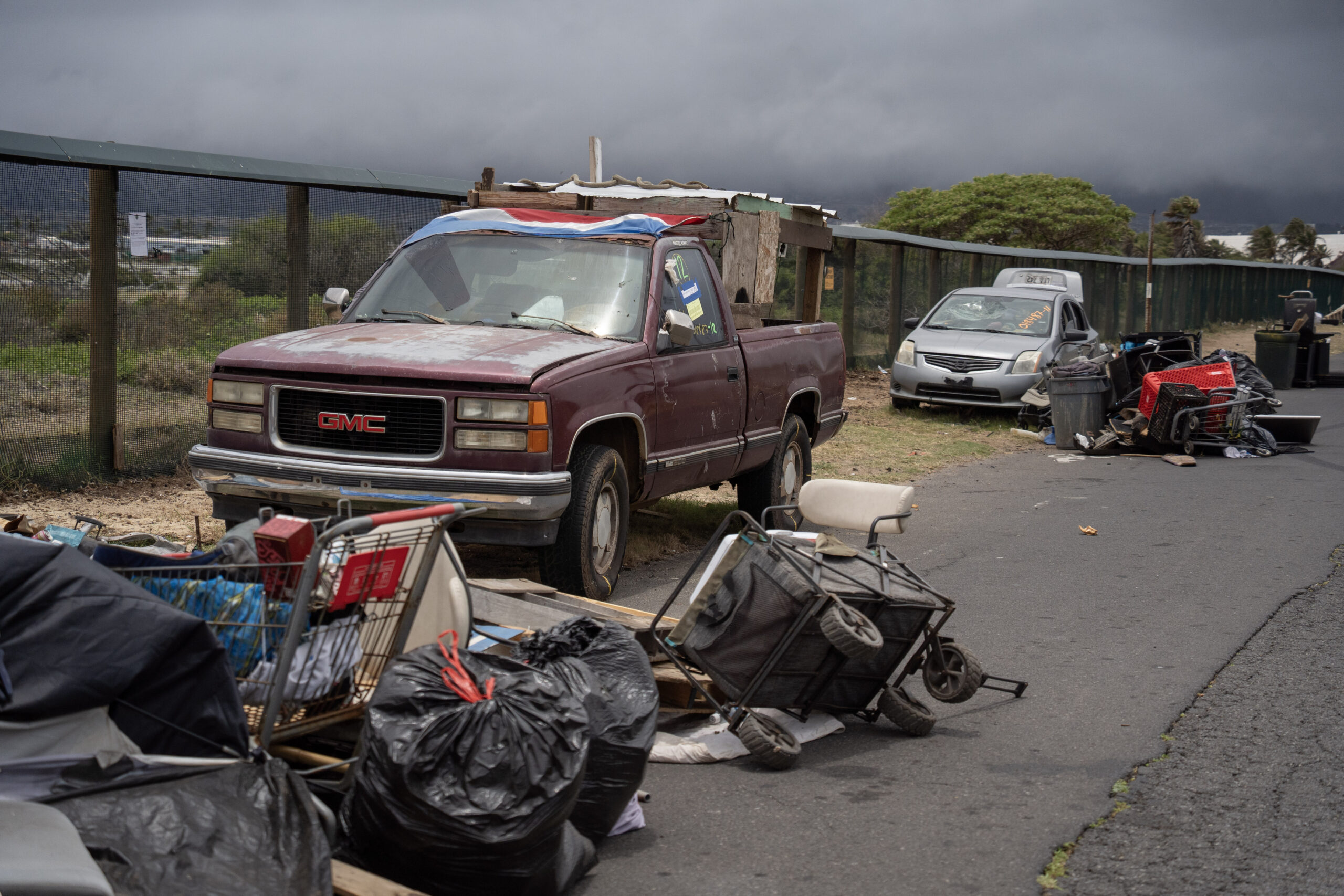
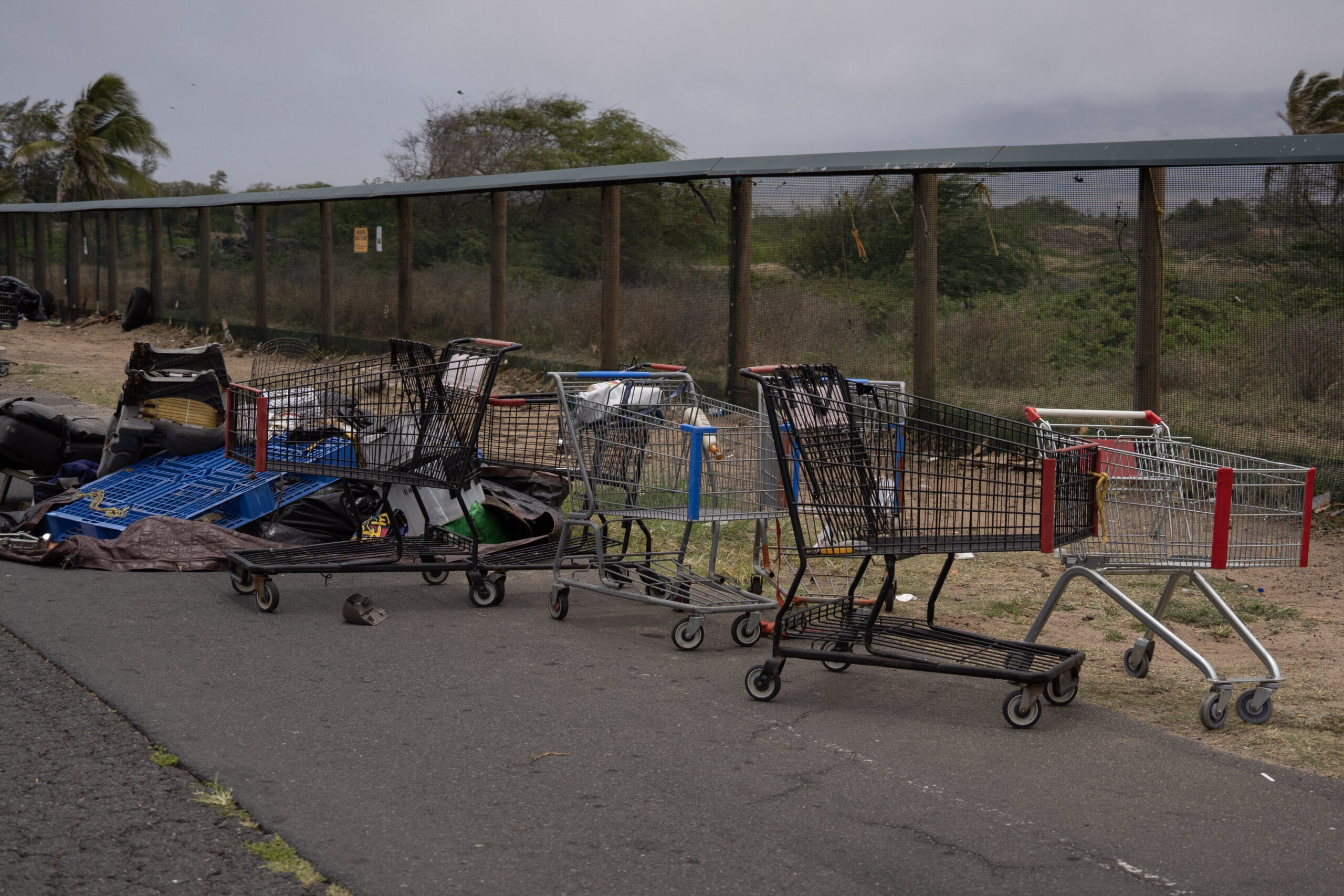
By noon, there were still several cars left, as well as some large piles of belongings, including a barbecue grill, a couple of camping tents, several shopping carts and mattresses.
One woman who declined to give her name teared up as a friend helped her move.
“It’s just a little bit overwhelming at this point,” she said. “But I’m going to try to get in the shelter in the long run.”
Kaina Tinao said he’d been living along Amala Place for almost a year after getting out of jail and having nothing to his name.
“It’s tough for sure, but I mean, I got along with everybody, the people,” he said. “It ended up being like a little community. We all got love for each other and try to do the best we can each day to survive.”
Tinao said he didn’t want to go somewhere he’d have to follow a curfew or other rules and instead was thinking about relocating to the bushes in Maui Lani. He is the nephew of Sonia Davis, one of four plaintiffs who sued the county in 2021.
Dyment, a U.S. Army veteran and retired tile and granite fabricator, said Family Life Center helped him get shelter but that he came back to Amala Place to spend one last night there because “I just had big feelings for this place.”
He moved from O‘ahu to Maui about a year ago to help out his son. They both ended up living at Pu‘uhonua o Nēnē, the state-operated temporary shelter by the Kahului Airport, before Dyment came to Amala Place.
Life there wasn’t easy — no water, and the bathroom was far. But kind strangers sometimes dropped off canned food, and he spent his time diving for squid in the nearby waters and playing songs like “He Hawai‘i Au” and “Lahainaluna” on his guitar. He stayed as long as he could Thursday morning until a police officer escorted him away.
“They got to do what they’re doing,” he said. “The higher-up is telling them what to do, so I don’t blame them at all. But people-wise, it’s hard for us. Hard for us to stay on the street, find you a corner to go sleep, nobody bothering you. … Everybody’s scrambling now because nobody knows what to do.”
Advocates and nonprofits, including Maui Rapid Response, Maui Medic Healers Hui, Share Your Mana and Maui Rescue Mission, were on hand to offer residents support and assistance. Maui Rapid Response brought tarps, garbage bags, straps and bungee cords to help people pack up.
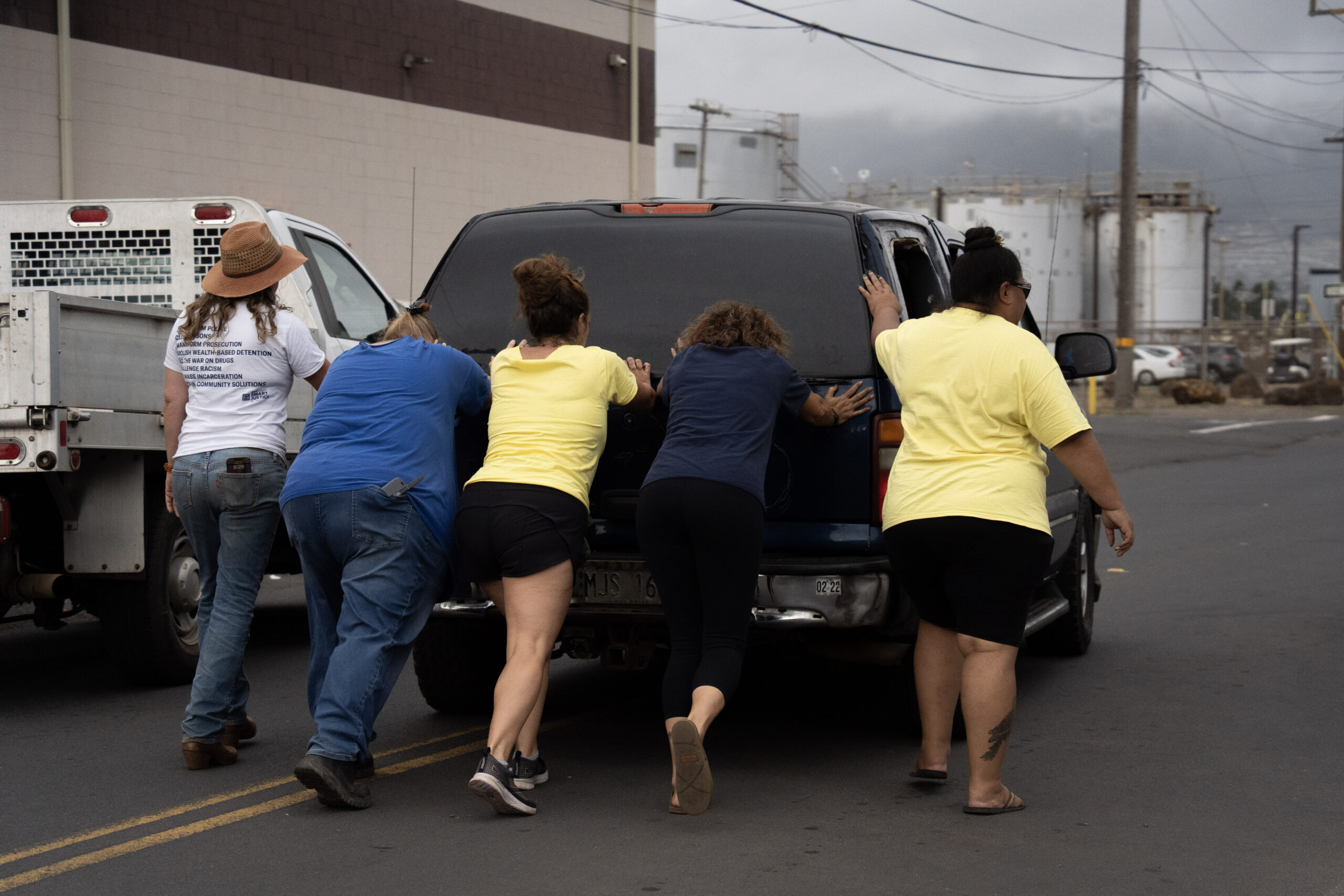
At one point, in an effort to get one person’s broken-down vehicle out in time, five women helped push it through the barricades.
Trinette Furtado, who works with Maui Rapid Response and runs the Ice Cream Aunties Mission of Aloha program, said “even though this is stressful,” the whole community has to work together to find solutions. She pointed out that she would likely run into the officers who were enforcing the blockade at the grocery store.
“We have to figure out a better way to be together, to live together, because this is an island and it is small,” Furtado said. “And it’s getting smaller as we find more and more folks coming in from the continent. … We got to take care of our folks.”
Maui Rescue Mission’s mobile unit offered hot showers and charging ports.
“These folks, they don’t have much, and one of the things that they don’t have is stability of any kind,” Executive Director Scott Hansen said. “And so when you’re constantly worried about whether or not you can stay where you’re at. … it makes it extremely difficult, nearly impossible to hold down a job, to wake up on time for your appointments.”
But Crozier said that living on the street is not a stable situation. She said the county’s goal is “to give people housing, because this is no way to live. They deserve better.”
The county said it has a preliminary budget for the cleanup but that the actual cost will be determined once the work is complete.
 Protesters gather in front of the county building in Wailuku on Wednesday to oppose the sweep of Amala Place. HJI / COLLEEN UECHI photo
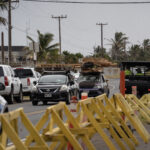
- Cars and belongings left behind by residents line Amala Place on Thursday. HJI / COLLEEN UECHI photo
- An Enterprise rental truck and a county dump truck are ready to be loaded with items on Thursday. HJI / COLLEEN UECHI photo
- Cars loaded up with pallets and belongings drive out of Amala Place early Thursday morning. HJI / COLLEEN UECHI photo
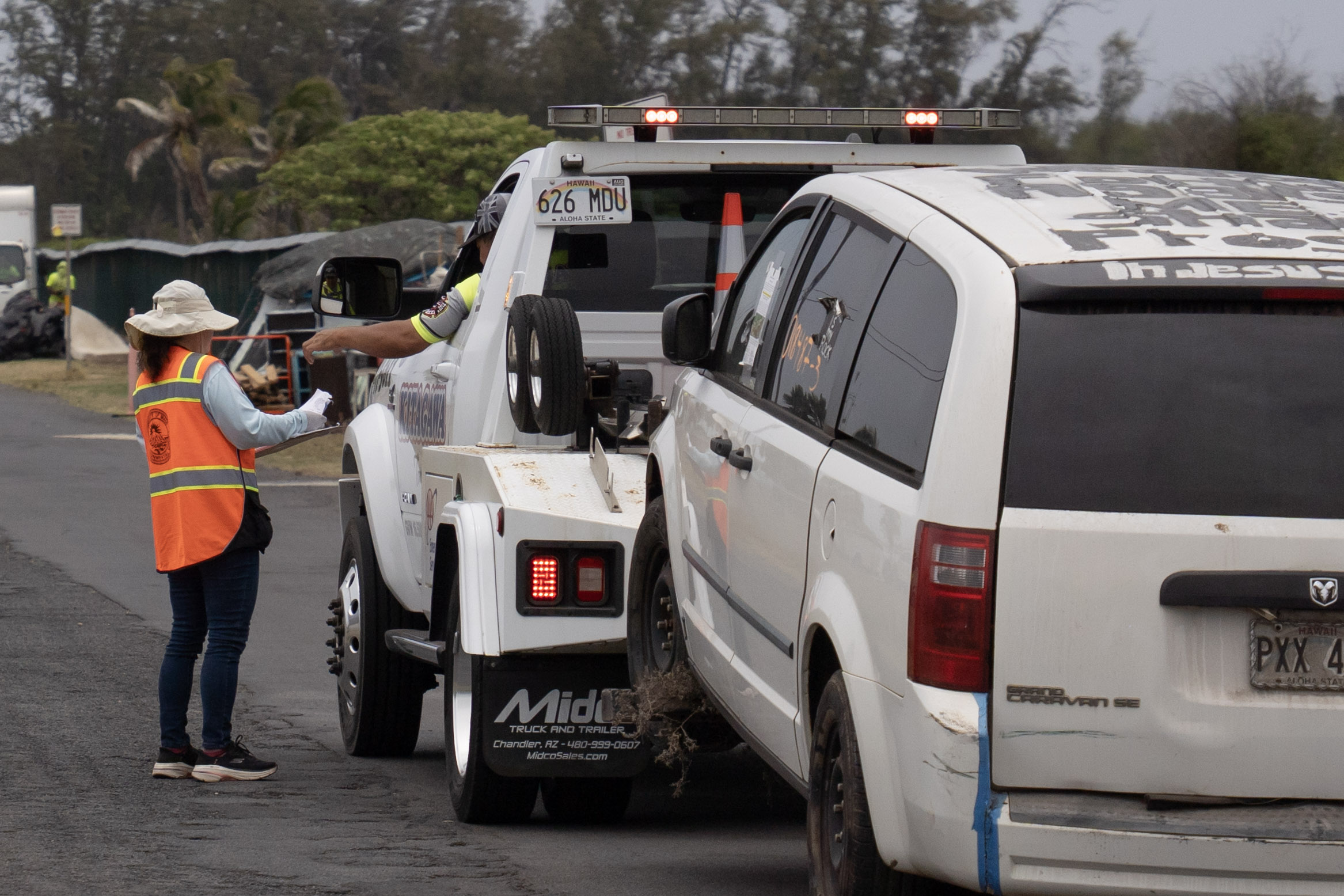
- A car is towed along Amala Place shortly after noon on Thursday. HJI / COLLEEN UECHI photo
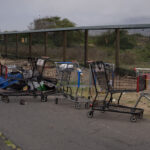
- Abandoned shopping carts are left along Amala Place. HJI / COLLEEN UECHI photo
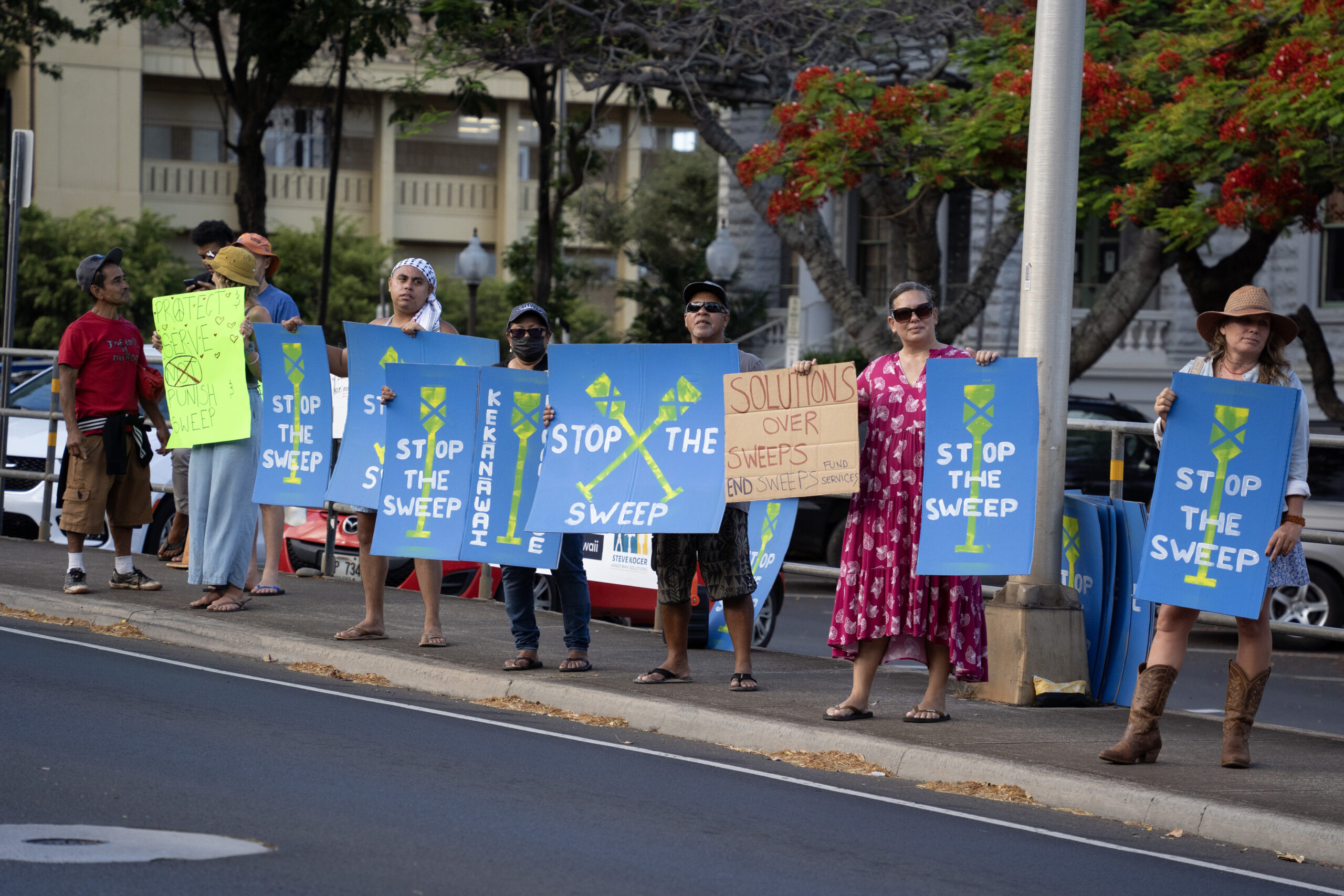


Protesters against the sweep — a term the county won’t use but residents say describes what is happening — gathered in front of the county building on Monday and Wednesday and along Amala Place on Thursday.
“I’m here to help make awareness that they’re still human beings, and we want them to be free in their own country, in their own place, even if they don’t have a roof over their head,” Wai‘ehu resident Terry Miller said Wednesday.
Pukalani resident Kelsey Mapa said the money that’s being used to push people out of Amala Place “could really be used in more productive ways,” like providing people with temporary housing and health resources.
“I just think that we need to build systems of care and compassion instead of criminalizing homelessness,” Mapa said.
Maui County is preparing to select a contractor for a pilot program that would allow people living in their cars to park overnight in a secure area. When asked why the county couldn’t wait until the program is in place before pushing everyone out, Martin said: “Should we, and would we have left folks here? These are unsafe conditions. … The speeding traffic, the way it’s just unsanitary, that could not work either.”
Mayor Richard Bissen said in a statement to the Hawai‘i Journalism Initiative on Thursday: “The County remains committed to ensuring that public lands are safe, accessible and well-maintained for the entire community, while continuing to expand support for individuals experiencing homelessness.
“We recognize that clean-up efforts at Amala Place and Kanahā Beach Park today and Friday may be especially difficult — not only for those directly impacted, but also for the many individuals doing this challenging and compassionate work,” Bissen said.
Amala Place and Ka‘a Street remain closed through 7 p.m. today as the county continues to remove items from the road.
NOTE: This story contains a correction stating that Trinette Furtado works with Maui Rapid Response and runs the Ice Cream Aunties Missions of Aloha program. A previous version of the story listed the incorrect organization. The Hawai‘i Journalism Initiative apologizes for the error.