US Navy ordered to provide information on potential harm to Guam’s wildlife
A federal court has ordered the US Navy to provide information about its operations’ potential harm to endangered species and cultural resources in Guam. The Center for Biological Diversity reports the order effectively rejects the government’s attempt to “shield its actions from public scrutiny.”
In a Dec. 12 decision, the US District Court of Guam ruled that conservation groups and community advocates are entitled to additional evidence beyond the government’s administrative record to determine whether the Navy is complying with the Endangered Species Act.
“This was a careful, courageous opinion that affirms the rule of law in Guam and could help save rare animals and plants from extinction,” said Maxx Phillips, Hawaiʻi and Pacific Islands director and staff attorney at the Center for Biological Diversity. Phillips said the order recognizes that “transparency and accountability are essential” when endangered wildlife and irreplaceable island ecosystems are on the line. “This decision sends a powerful message that environmental laws apply fully and fairly in Guam.”
The ruling stems from a 2023 lawsuit against the Navy filed by the Center for Biological Diversity and local advocacy group Prutehi Guåhan, with support from local leaders. It challenged the Navy’s compliance with the Act in connection with large-scale military construction and troop relocation projects in Guam. The Center reports that the lawsuit “followed years of concern that the Navy failed to carry out conservation measures it had promised to protect Guam’s imperiled plants and animals.”
“For too long, our island has been treated as a sacrifice zone,” said Leevin T. Camacho, attorney for Prutehi Guåhan. “This ruling affirms that the military does not get a free pass just because it operates behind fences. Our people, our wildlife and our cultural practices deserve protection and respect.”
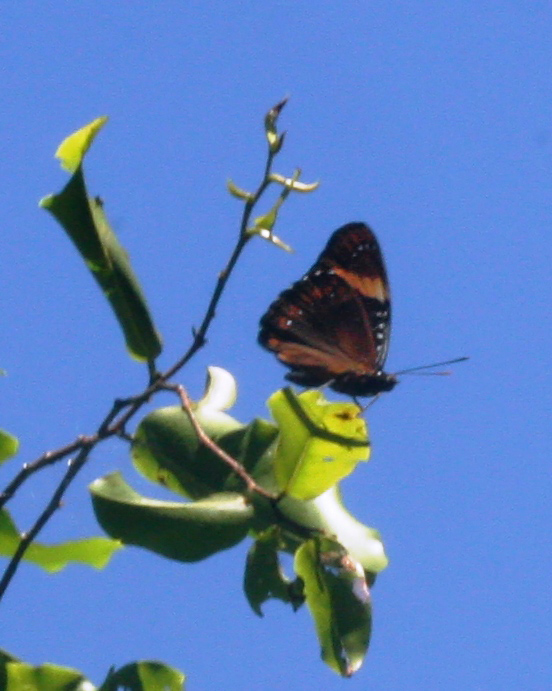
Guam is home to many imperiled species found nowhere else on Earth, including the ababang, or eight spot butterfly, a rare native insect that depends on intact forest habitat and healthy native plant communities to survive.
Under the military’s own commitments in 2015 and 2017, mitigation measures for the butterfly, including habitat protection, were proposed alongside construction.
Chamorro cultural practices are deeply tied to the land, forests and native species of Guåhan.
The court said discovery will not be used to relitigate past agency decisions, but said it is essential for determining compliance with the Endangered Species Act.
Sponsored Content



Subscribe to our Newsletter
Comments