


Human-caused trauma, infectious disease found in more than 65% of investigated whale and dolphin strandings
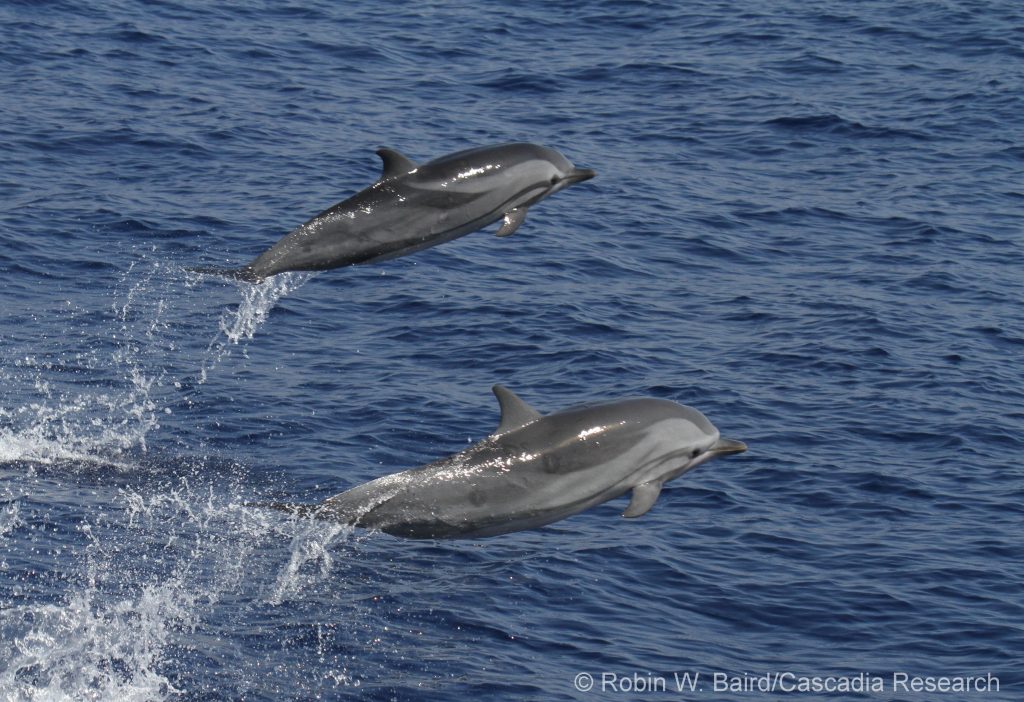
From land-borne pathogens to high-speed vessel strikes, Pacific whales and dolphins are caught in a “perfect storm” where human-caused trauma and infectious diseases were found in more than 65% of investigated strandings. A study spanning nearly two decades by University of Hawaiʻi at Mānoa researchers provides insights into the threats whales and dolphins face in the Pacific Islands.
Based on 272 stranding investigations of 20 cetacean species between 2006 and 2024, the study provides foundational data to better manage and conserve Hawaiʻi’s whales and dolphins.
“Dolphins and whales are sentinels of ocean health – we need to understand why these animals die to help others live,” said Kristi West, director of the UH Health and Stranding Lab at the College of Tropical Agriculture and Human Resilience.
Disease is prevalent
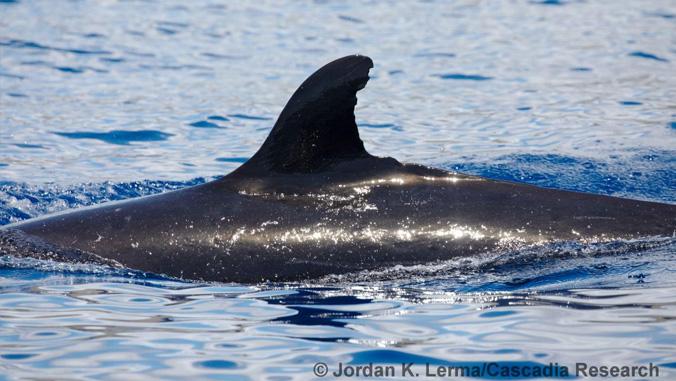
Over 18 years, scientists examined more than three-quarters of the stranded whales and dolphins to understand why they died. Most cases (62%) were linked to diseases, and about half of those animals were in poor body condition due to long-term illness.
Infectious agents proved to be a significant threat, affecting 11 different species, including striped dolphins and Longman’s beaked whales. Two of the most concerning pathogens were morbillivirus and brucella, which can cause serious brain and lung problems in marine mammals.
Toxoplasmosis – a parasite that infects warm-blooded animals and spreads through cat feces across the environment – was responsible for the deaths of two spinner dolphins and one bottlenose dolphin.
Trauma linked to humans
The study revealed that 29% of all strandings were linked to anthropogenic (human-caused) trauma. Vessel strikes were a significant risk, resulting in fatal vertebral and skull fractures for seven individuals, including two pygmy sperm whales, two humpback whale calves, a goose-beaked whale, a spinner dolphin and a striped dolphin.
Interactions with marine debris and fisheries were confirmed as fatal in multiple cases, including:
- A sperm whale died from plastic and fishery debris blocking its stomach.
- A bottlenose dolphin died after a fishhook tore into it.
Public reporting urged
In the Pacific Islands, most dolphins and whales die at sea, and recovery rates are very low. Each stranding examination provides stakeholders with valuable information about what is happening to these animals and their ecosystem. Public reporting is critical to understanding threats to marine mammal health.
Sightings of dead or distressed marine mammals can be reported to the statewide NOAA Marine Wildlife Hotline at 888-256-9840, toll-free.
Sponsored Content



Subscribe to our Newsletter
Comments