Senate committee advances bill to hold Big Oil responsible for climate damage
A state Senate committee pushed forward a bill Wednesday that would allow the state to sue major corporations for climate-related damages, a move that attempts to stabilize Hawaiʻi’s volatile insurance market.
Senate Bill 3000 authorizes the attorney general and insurers to file civil actions against companies that knowingly contributed to climate change. The legislation seeks to recover costs associated with climate disasters, including the August 2023 Lahaina wildfires.
Legislative findings: Climate disasters threaten market collapse
According to the bill’s legislative finding, climate disasters are causing widespread harm to Hawaiʻi residents — destroying homes, cutting wages and injuring public health — while pushing the state’s insurance infrastructure toward potential collapse.
Lawmakers warn that these events now threaten the stability of the entire system, putting private insurers, the “insurer of last resort” Hawaiʻi Property Insurance Association, and the taxpayer-backed Hawaiʻi Hurricane Relief Fund at risk of failure.
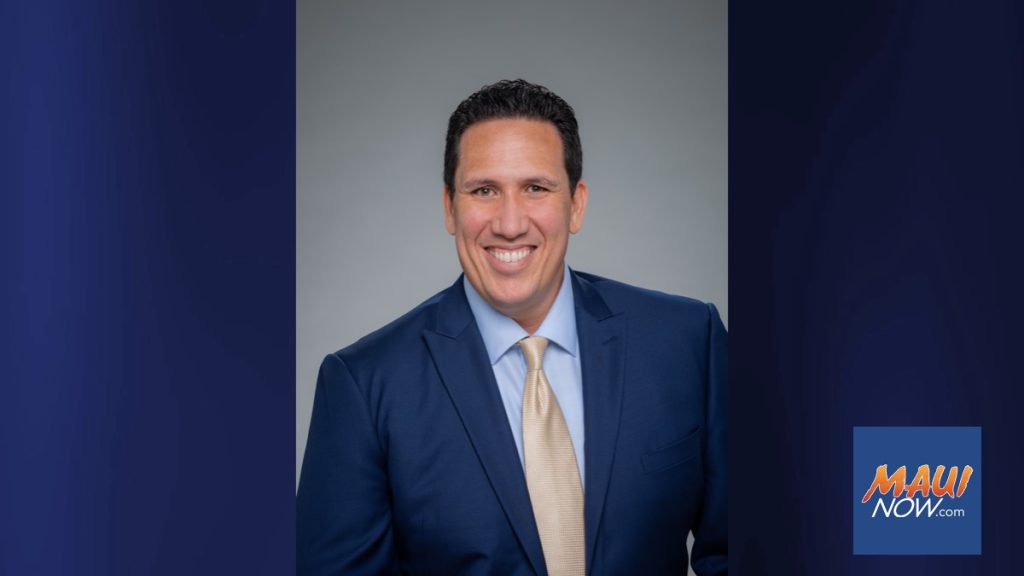
Sen. Jarrett Keohokalole, chair of the Commerce and Consumer Protection Committee, said the bill addresses the sharp rise in insurance premiums and non-renewals hitting homeowners across the islands. For many local families, these hikes have made maintaining coverage and keeping their homes increasingly difficult.
“Without a doubt, the increasing incidence of really devastating natural disaster events is what’s driving the insurance crisis,” Keohokalole said. “Residents shouldn’t have to pay for the risk mitigation of private entities… It’s time for a comeuppance.”
Supporters of the measure argue that financial liability for climate disasters currently falls disproportionately on residents, policyholders and taxpayers. The bill aims to shift that burden to the entities responsible for the environmental changes driving the damage.
Opposition from oil and gas industries
The American Petroleum Institute, which represents the nation’s natural gas and oil industries, submitted testimony in opposition to the bill.
The institute said the bill would establish a new liability and cost-recovery framework for climate-related damages tied to the lawful production, use and sale of fossil fuels.
“The measure singles out one industry, which violates equal protection and due process rights,” it said. “Although framed as a climate accountability measure, the bill would impose, strict liability on companies that have operated for years under state and federal permits, tax structures and regulatory approvals that expressly enabled Hawaiʻi’s fossil-fuel-based energy system.”
“Stated another way, the state is imposing strict liability on the production of products they permitted, licensed, regulated and subsequently purchased,” the institute said.
“Fuel remains a legal, essential product that underpins critical sectors such as transportation, tourism, emergency services and inter-island commerce,” it said. “By adding broad new liability exposure and litigation, SB 3000 would discourage the continued investment and long-term planning needed to maintain reliable supplies of transportation fuels, marine fuels, and backup generation that households and businesses still depend on every day.”
In other public testimony, the bill drew strong support from environmental advocates who maintained that it’s time for polluters to pay for Hawaiʻi’s insurance crisis.
The organization 350Hawaii.org supported the measure, putting responsibility squarely on Big Oil polluters.
“Fossil fuel companies knowingly lied to the public about global warming for decades,” the organization said. “Their own scientists predicted the destabilization of our climate system as a result of the greenhouse gases their products were emitting. They not only understood the science before it became a public issue, they spent millions to promote misinformation and climate denial so they could block action to address those emissions. Now our communities are paying the price.”
The Sierra Club of Hawaiʻi said passage of the measure would allow “our islands to continue leading in the fight against the climate crisis, and the perpetrators of this existential threat to humanity.”
“This measure represents a bold, but urgently needed, strategy to address a looming insurance crisis, and the climate crisis that is driving it,” the club said in written testimony. “With so much damage already inflicted upon our islands and people from climate-driven events, and with fossil fuel corporations continuing to act with impunity as they rake in trillions in profits from their destruction of our planet, we simply cannot afford to wait for the next climate disaster to take action.”
Supporters argued that the financial burden of climate change currently falls on taxpayers and policyholders. The bill seeks to shift that cost to “responsible parties” — defined as companies that significantly contributed to the climate crisis while concealing the risks.
The measure comes as the state’s insurers of last resort, Hawaiʻi Property Insurance Association and Hawaiʻi Hurricane Relief Fund, face increasing financial pressure from repeated climate disasters. The bill would allow these entities to seek restitution and disgorgement of profits from oil companies to maintain solvency and keep coverage accessible for residents.
The state Department of the Attorney General offered comments on the bill, saying that it’s legally unclear how provisions of the measure would be carried out.
In the Senate Commerce and Consumer Protection Committee, the bill was recommended for passage with amendments on second reading by a vote of 3-1. Those voting in favor were Sens. Keohokalole, Carol Fukunaga and Angus McKelvey. Sen. Brenton Awa voted “no.” Sen. Rachele Lamosao was excused.
Earlier litigation
In October 2020, Maui County filed a lawsuit against 20 fossil fuel companies seeking compensation for the costs and impacts of climate change. Nearly two years later in July 2022, the Ninth Circuit Court of Appeals ruled in favor of the county to keep its ongoing litigation against Big Oil in Hawaiʻi state courts, instead of moving the lawsuit to federal court.
At the time, Maui County attorneys said they wanted the case tried in Hawaiʻi where climate change impacts have been happening.
The state of Hawaiʻi filed a similar case against oil companies in May 2025.
Sponsored Content