Hawaiʻi’s economic outlook remains steady
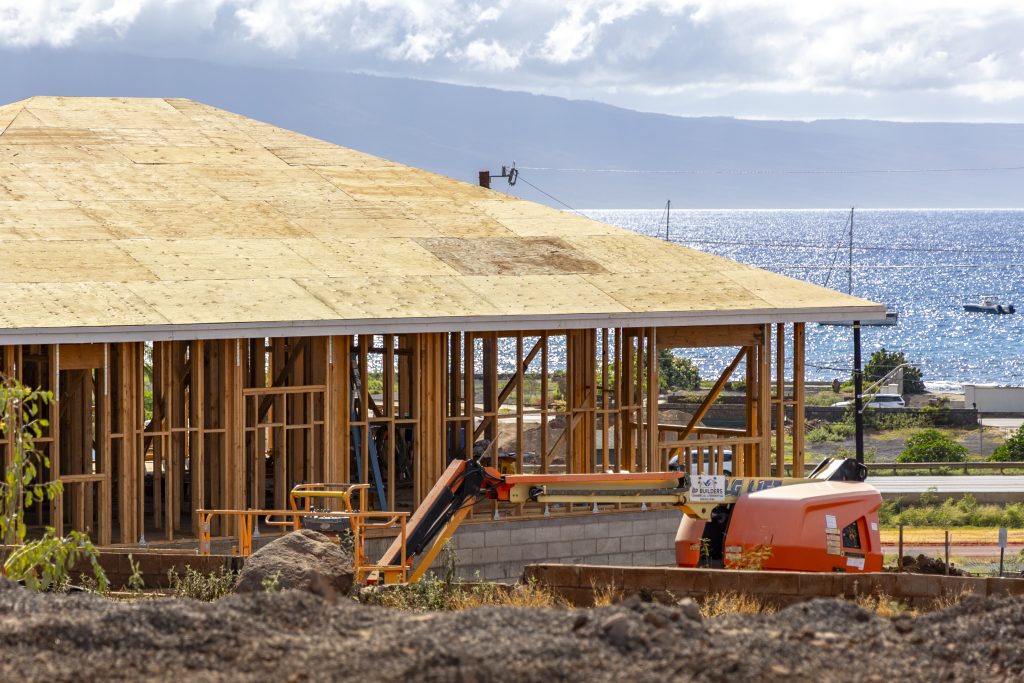
Hawai‘i residents can expect a steady but slower economic climb this year as high construction demand and robust visitor spending help shield the islands from broader global headwinds.
According to the first quarter 2026 report released Thursday by the Department of Business, Economic Development and Tourism, the state’s economy is projected to grow by 1.7% this year.
This represents a drop of nearly a percentage point from the 2.6% growth estimated for 2025. State economists now forecast the pace to settle around 1.8% through 2027. For the average household, the data shows relative stability; personal income rose 5.2% last year to a per capita average of $74,830.
However, state officials cautioned that potential changes in federal trade policy and global market fluctuations remain unpredictable variables for local costs.
“Hawai‘i’s economy continues to demonstrate resilience, supported by a solid labor market, rising personal incomes, continued construction activity and steady visitor spending,” DBEDT Director James Kunane Tokioka said.
Tokioka noted that while the pace of expansion may moderate, the state is well-positioned, citing thousands of units in the affordable housing pipeline and a low unemployment rate.
Labor and housing demand
The local job market remains a primary driver of the state’s optimism. By the end of 2025, Hawai‘i’s unemployment rate sat at 2.2%, which officials identified as the lowest in the nation at that time.
Construction jobs jumped 6.9% in the final quarter of 2025, fueled by a backlog of housing projects and infrastructure needs that have kept local contractors and laborers in high demand.
While the cost of living remains an ongoing concern, the latest figures bring some relief. Inflationary pressures have eased slightly, with the local inflation rate at 2.4% in January. That figure remains lower than the national average of 2.8%, providing a small buffer for residents navigating grocery and utility costs.
Shifts in tourism and tax revenue
The visitor industry, the traditional engine of the state economy, is showing a distinct shift. Although total air arrivals dipped 3.2% in the fourth quarter of 2025, travelers who did come spend significantly more.
Fourth-quarter visitor expenditures reached $5.6 billion, marking an 8.5% increase despite the lower headcount. Early data for 2026 suggests that volume may be rebounding as well, with January arrivals up 11.1% over the previous year, accounting for $2.3 billion in spending in a single month.
Despite these gains, the state’s balance sheet showed some late-year volatility. While consumption-related taxes like the general excise tax remained steady, overall general fund revenues fell 14.7% in the third quarter of 2025. Budget analysts attributed much of that drop to 7.8% lower income tax collections.
Sponsored Content