


Fraud losses in 2025 increased by 25% to $79.6 million compared with previous year
Federal Bureau of Investigation and Federal Trade Commission fraud reports reveal Hawai‘i saw a 25% increase last year in reported money lost to fraud and ranks fifth in the nation among states for per-capita losses.
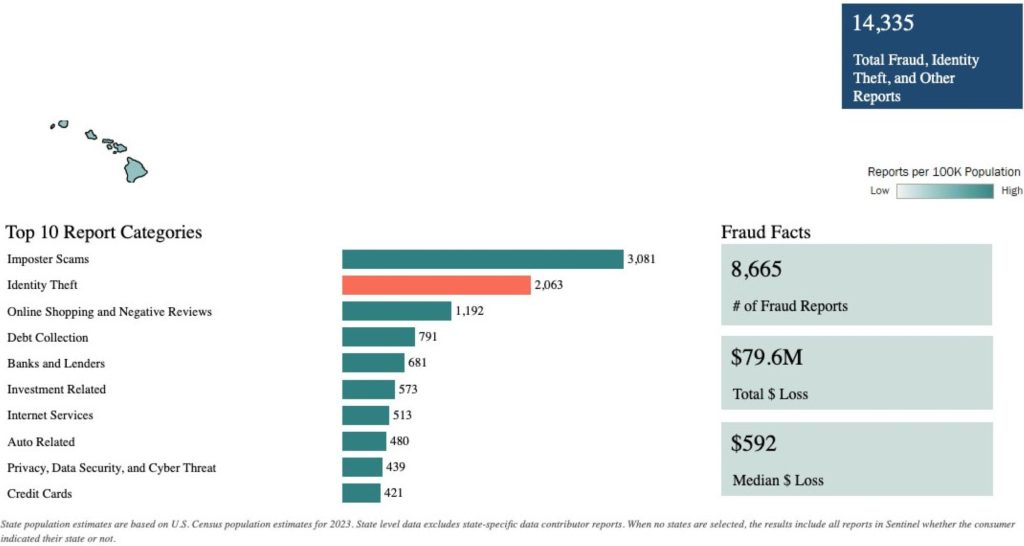
Federal Trade Commission received 8,665 fraud complaints last year resulting in $79.6 million lost by Hawai‘i consumers compared with $63.7 million lost in 2024 and 8,932 reports.
The actual losses are likely much more because many victims do not report fraud.
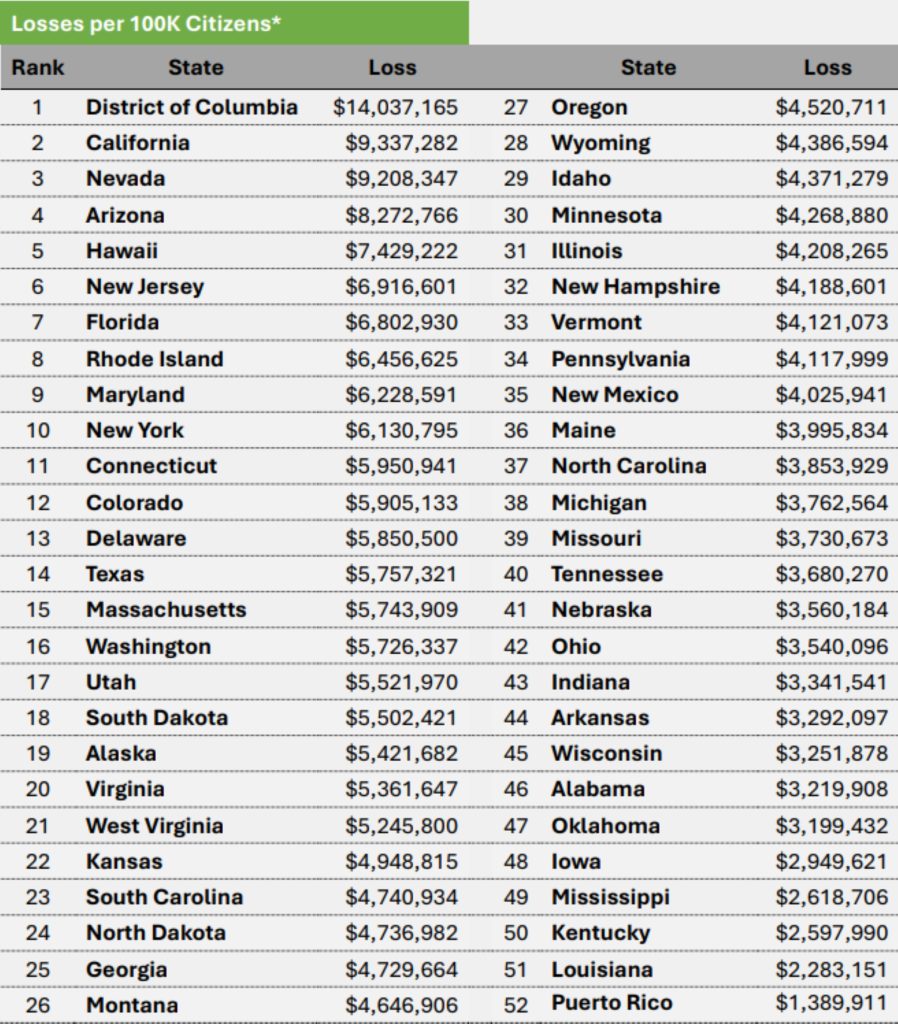
Hawai’i consumers reported losing more than $7.4 million per 100,000 residents, ranking Hawai’i behind only Arizona with $8.2 million, Nevada with $9.2 million, California with $9.3 million and District of Columbia with $14 million in losses as well as ahead of New Jersey with $6.9 million lost.
Federal Bureau of Investigation reports receiving more than 1 million fraud complaints nationally with nearly $21 billion in losses, a 26% increase from 2024.
Kūpuna ages 60 years and older reported the highest losses with about $7.7 billion stolen by scams, up about 60% from 2024, compared with other age groups.
About $11 billion was lost to scams involving cryptocurrency. The bureau also reported about the growing trend of cryptocurrency kiosks/automatic teller machines being involved in scams.
“AARP is fighting for stronger laws to protect consumers and to raise awareness about fraud and how to prevent it because kūpuna are disproportionately affected.” said AARP Hawai‘i State President Grant Chun in a release about the new data. “We are urging the [Hawai‘i] Legislature to pass strong consumer protection measures [House Bill 1642, Senate Bill 2387] to safeguard consumers against frauds involving cryptocurrency kiosks, also known as cryptocurrency [automatic teller machines].
Chun added that scammers took $389 million last year using cryptocurrency kiosks — and the vast majority of the victims were kūpuna.
Yuriko Higa, a 93-year-old resident of Kea‘au, was almost one of those victims.
She shared her story to alert others about the problem of fraud and cryptocurrency kiosks.
Higa said her computer froze earlier this year and a note appeared on the screen telling her to call Apple to solve the problem. She called the number, which turned out to be a scam phone number, and was told her computer was frozen because of illegal activity and $20,000 was being withdrawn from her bank account by someone in China.
The 93-year-old said the scammer told her she could recover the money if she acted quickly by taking $25,000 — including a $5,000 fee — out of her bank account and putting it in a safe account using a cryptocurrency kiosk at a convenience store.
Higa was told she might lose all the money if she told anyone about what was happening.
“He told me to listen to him carefully and that he would take me step-by-step about what I must do,” she said in the AARP release.
The scammer explained how to deposit the cash into the cryptocurrency kiosk after Higa withdrew the money. Luckily, a passerby noticed her attempting to put money in the machine. After listening to the Kea‘au woman’s story, the passerby advised her that she thought Higa was being scammed.
Higa stopped what she was doing and thanked the good Samaritan. She redeposited the money in her bank and worked with the bank to change her account number and take other steps to protect herself.
“Cryptocurrency kiosks or [automatic teller machines] are like a getaway car that scammers use to drive away with your cash,” Chun said. “Once the money is put into a cryptocurrency wallet through these machines, it’s lost and the scammers get it.”
Not everyone is as fortunate as Higa, and AARP Hawai‘i urges state lawmakers to pass the strongest possible laws imposing safeguards on these machines before the 2026 legislative session ends.
“Consumers literally can’t afford to wait another year and suffer more losses before action is taken,” Chun said.
Visit the AARP Hawai‘i website to join the organization’s fight to pass cryptocurrency kiosk legislation.
A free webinar is also scheduled May 14 with AARP expert Doug Shadel, who will speak about stopping fraud in the artificial intelligence and cryptocurrency era. Click here to register.
Learn about other webinars and events the organization is offering by following AARP Hawai‘i on Facebook and clicking on the “Events” tab under “More” or visiting the AARP Hawai‘i website.
Sponsored Content