New testing shows drop in environmental pathogens following Kona Low storms
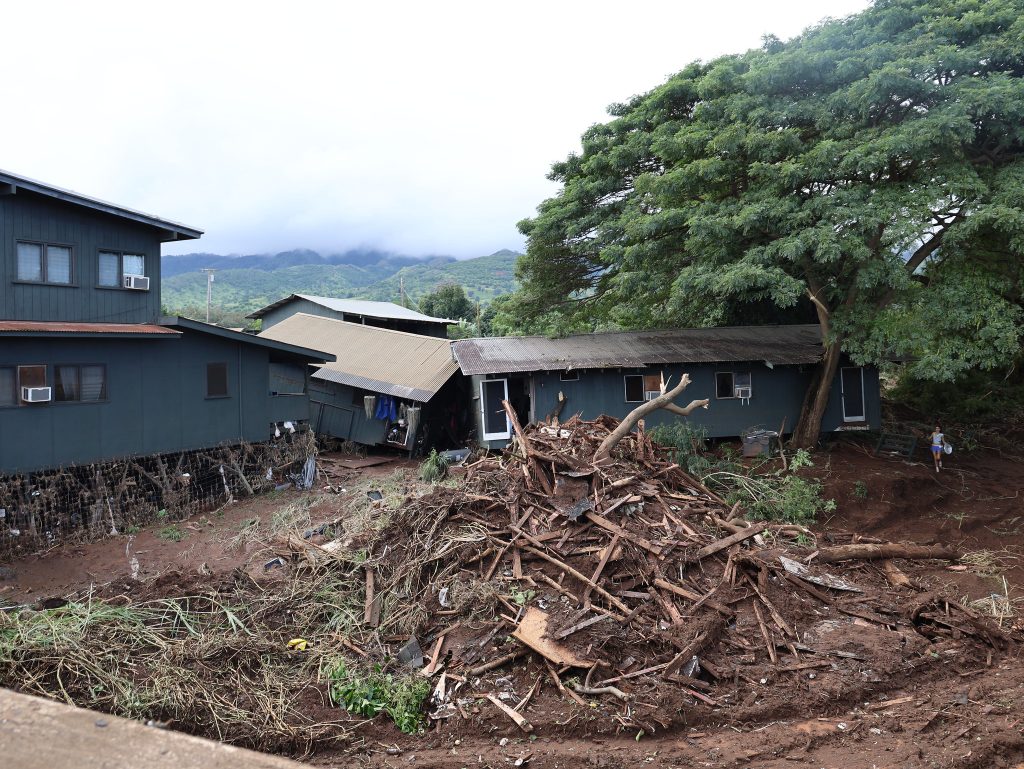
A follow-up round of environmental sampling in areas impacted by the Kona Low storms shows a general decrease in concentrations of environmental pathogens associated with the event. Overall, downward trends from initial measurements suggest the environment is recovering and naturally reducing the presence of storm-related pathogens.
Follow-up sampling was conducted at two sites where mud and sediment from impacted communities were consolidated. In this second round of testing, several environmental pathogens were not detected, including Enterococcus, Salmonella, hepatitis A, Campylobacter, Clostridium perfringens and Clostridium tetani. Lower levels of Escherichia coli (E. coli) and Staphylococcus aureus were detected, and Leptospira bacteria continued to be present; all are commonly found in the environment.
One sampling point at Weed Circle that previously tested negative for Leptospira was found to be positive in the follow-up sample, collected approximately three weeks after the initial testing. This isolated detection may reflect recent local contamination, possibly from wildlife or additional rainfall, rather than ongoing impacts from the Kona Low storms.
Despite these encouraging trends, existing health precautions should continue to be followed in areas affected by flooding. The public, including children, should avoid contact with standing water, mud and wet soil. Pets should be kept from drinking stagnant or potentially contaminated water. If a pet develops signs such as vomiting, decreased appetite, lethargy, muscle soreness or yellowing of the skin, gums or eyes, seek veterinary care as soon as possible.
The Hawai‘i Department of Health (DOH) continues to urge individuals taking part in cleanup or recovery activities to follow recommended precautions to prevent bacteria from entering the body through the skin or mouth. These include wearing personal protective equipment, cleaning exposed skin and washing hands after handling mud, soil or standing water. These precautions greatly reduce health risks from pathogens and other contaminants commonly present after flooding.
Full sampling results and cleanup guidelines are available at health.hawaii.gov/konalowstorm/.
Sponsored Content