 Hawai'i Journalism Initiative
Lahaina school rebuild gets nearly $200M, wildfire study misses out on funding

Maui came away with the promise of nearly $200 million to rebuild a burned-down Lahaina elementary school but lost out on funds to expand a study on the health of wildfire survivors as the legislative session closed last week.
The results were among the wins and losses for Maui Nui at a time when Hawai‘i is balancing the third year of rebuilding in Lahaina with widespread damage from Kona low storms and flooding in March.
“When you push all the chips to the center of the table, Maui did pretty good,” Democratic Sen. Angus McKelvey, whose district includes West and South Maui, said of this year’s session.
“The fact that everything was really bad this year earlier, but we were willing to discuss different scenarios to keep the rebuild going but also recognize the need to support other districts which gave everything up for us, I think that meant a lot to my colleagues.”
McKelvey said a “huge” boost for Maui this session was the passage of Senate Bill 2930, which set aside $146 million from the state risk management revolving fund for the planning, design and construction of King Kamehameha III Elementary School, which was destroyed in the Aug. 8, 2023 wildfire. The allocation is contingent on at least $48 million being matched by federal funds.
The bill also sets aside $30 million for off-site infrastructure improvements and $12 million for roadways surrounding the school.
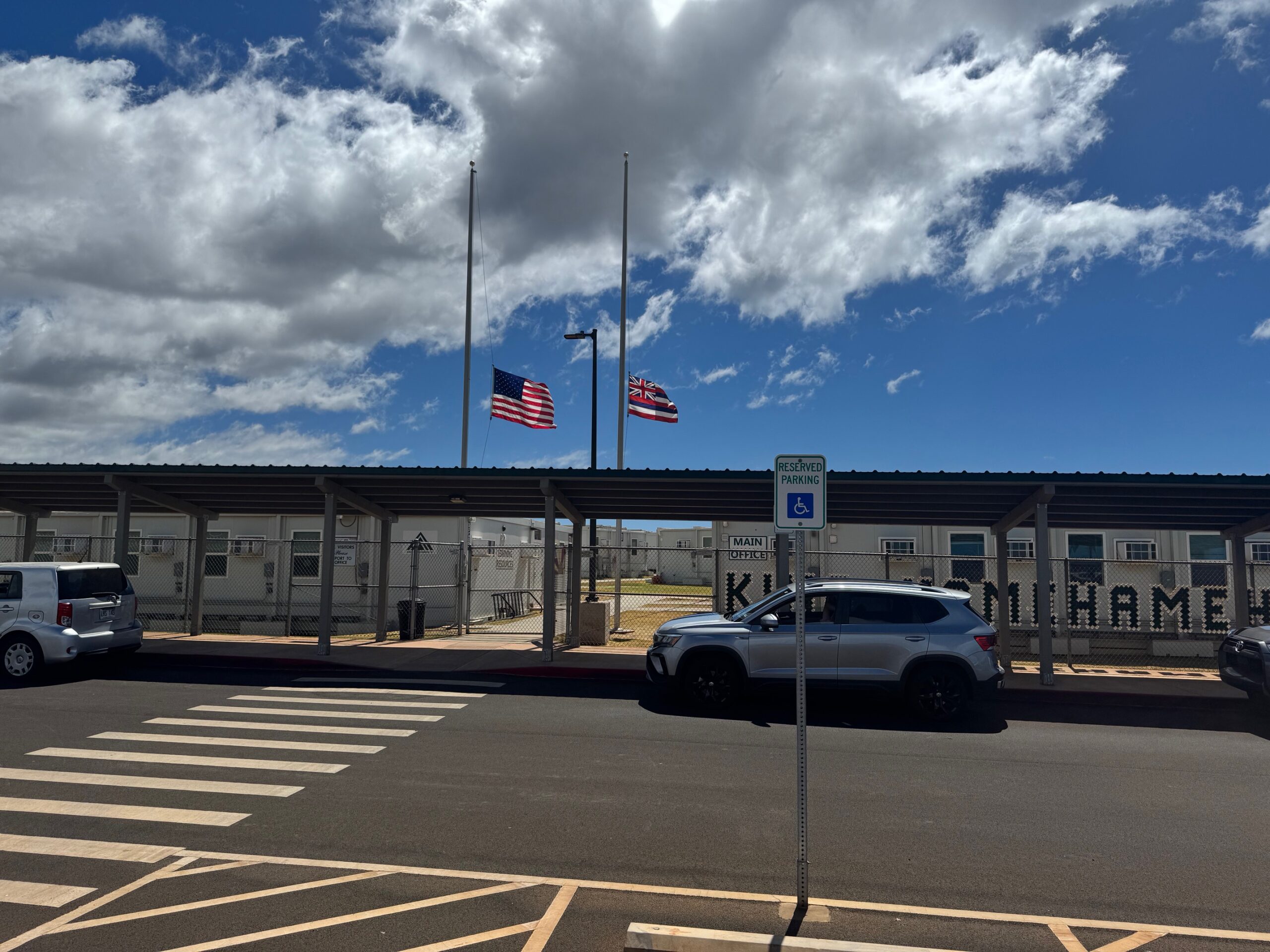
In October, the state announced that the school would be rebuilt on a 14-acre site owned by Kamehameha Schools below the Lahaina Bypass. The elementary, one of four public schools in West Maui, temporarily relocated from its former Front Street campus to a site below the Kapalua Airport.
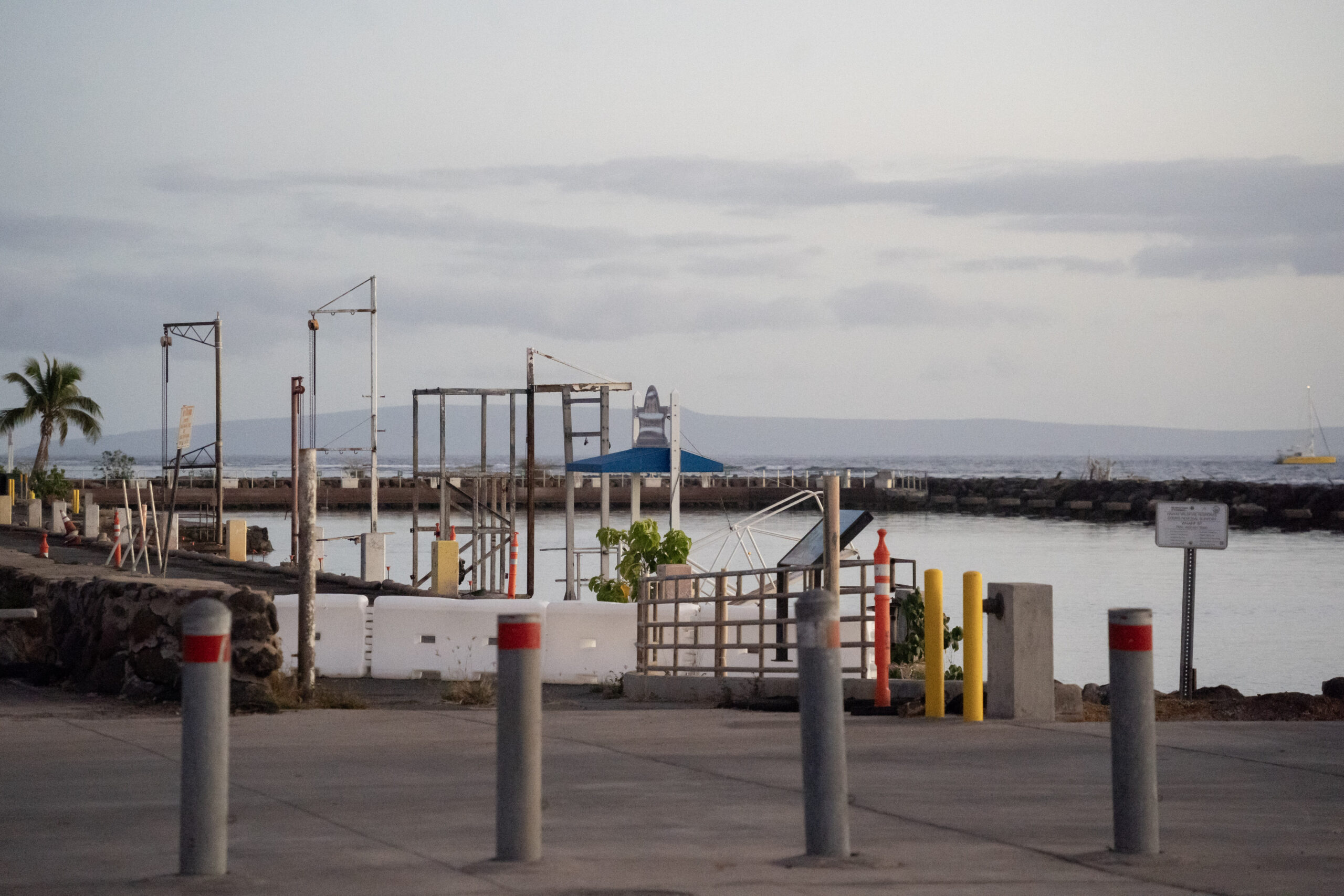
Under the bill, Lahaina Harbor would also get $12 million for the design and construction of piers, loading docks, electrical systems and pavement resurfacing in an area that was also decimated by the fire. In December, the state started allowing limited commercial operations at the harbor.
Even though it’s been nearly three years since the disaster, McKelvey said he still sees “a lot of support” for Lahaina initiatives from other state lawmakers. If there hadn’t been, Maui wouldn’t have gotten the type of funding it did for the school and the harbor.
“These are all big-ticket items,” he said. “They recognize rebuilding Lahaina is a moral imperative.”
Another major West Maui project that received funding was the relocation of Honoapi‘ilani Highway, which the state wants to move inland as sea level rise and coastal erosion threaten the main artery between Central and West Maui. The budget bill allocated $76.7 million for land acquisition and construction.
However, West Maui lawmakers didn’t get everything they wanted. Senate Bill 2969, introduced by McKelvey, proposed putting aside $3 million to help continue and expand the Maui Wildfire Exposure Study that is looking into the health and social impacts of the fires. The study has reached over 2,000 people so far, according to its website. The bill died in committee.
Republican West Maui Rep. Elle Cochran thinks this is one of the indicators that legislative support for Lahaina is fading after nearly three years. She said the study did more than just measure health — it also offered regular wellness checks for survivors who are still suffering. She thought funding the effort would be “a no brainer.”
“Interacting with the community … helps with the healing process, I think,” she said. “Because someone is caring to ask you these questions or find out how you’re doing.”
She said there are still so many Lahaina projects that need backing, including the rebuild of the public library, but thinks they are taking less of a priority for lawmakers who don’t live on Maui as time goes on.
“I think my challenge and frustration being there is that it’s sort of out of sight, out of mind, and people forget because they never went through what we did,” she said. “They don’t get the loss. They don’t feel the trauma. … We’re still living it every day.”
Frustration over Lahaina was part of the reason Cochran switched from the Democratic Party to the GOP in March, saying that “many in our community felt left behind during the response and recovery” and that she found the Republican caucus more inclusive.
Earlier this month, Maui Now reported that Cochran had the highest absence rate for House floor sessions. Cochran told the Hawai‘i Journalism Initiative that the representatives with the highest absences all came from districts that were impacted by a disaster. Rep. Sean Quinlan, for example, is from O‘ahu’s North Shore, which was hit hard by flooding in March. Cochran said she was in Lahaina during the times that she was absent from the House floor.
“I wasn’t absent from the people,” said Cochran, adding that she showed up to committee meetings “where the decisions are actually done.”
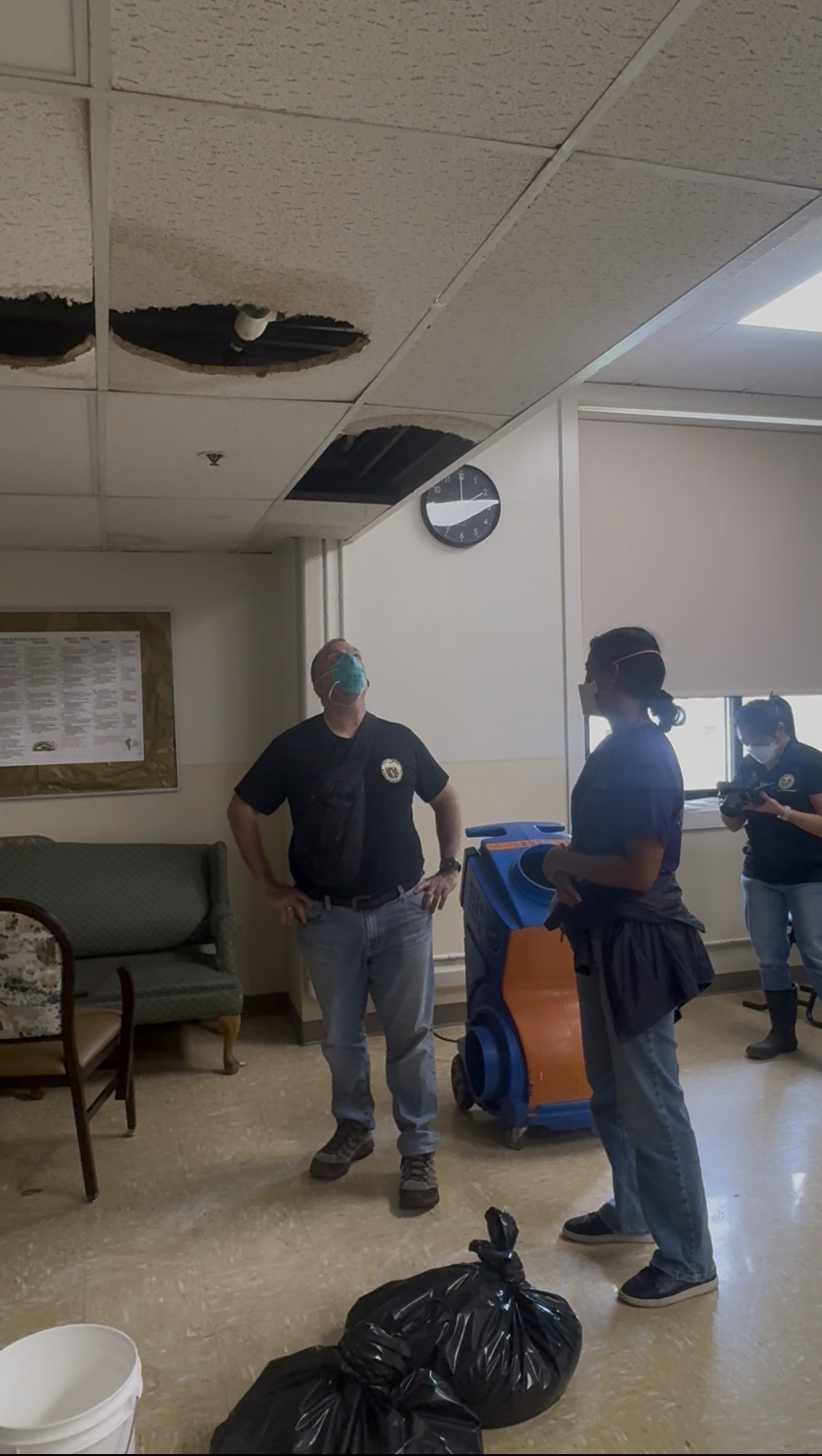
As Lahaina rebuilds, Maui is also dealing with recovery from the March storms, which undermined roads, swallowed portions of people’s properties, and damaged important facilities, including Kula Hospital, where over 100 patients had to be evacuated after heavy rains seeped into the buildings.
Every year, state lawmakers have included a subsidy in the budget for Maui Health to operate Kula Hospital, Maui Maui Memorial Medical Center and Lāna‘i Community Hospital. This year they set aside $12 million in fiscal year 2026 and $6 million in fiscal year 2027 for operations, as well as $6 million in each fiscal year for repairs, renovations and upgrades.
Democratic Sen. Troy Hashimoto, who sits on the Ways and Means Committee, said “we know that it’s not going to be enough” to address the repairs at the hospital.
“We’re trying to get an assessment to figure out whether it’s going to be a full gut of the hospital or is it just going to be simple repairs,” Hashimoto said. “Once we get some clarity on what that looks like, then I think we can help more.”
Once the costs and timeline are worked out, Maui Health could tap into the state’s emergency funds if needed, as well as federal resources now that a disaster declaration is in place, Hashimoto said.
Eventually, lawmakers hope the state will no longer have to subsidize the hospitals. When asked if he thought the storm damage would impact Maui Health’s ability to ease off the subsidy, Hashimoto said, “that is a constant conversation that we have with the hospitals.”
“If you ask the hospital, they’re very much committed to getting off the subsidy,” he said. “But, I think, at the end of the day, we know things come up, right? Who could have predicted COVID? Who could have predicted this storm?”
With all of the disaster recovery needs and “a tight year” financially, Hashimoto said Maui Nui lawmakers had to be strategic. One request they purposely didn’t make was for the next round of funds for a new Central Maui middle school that would support 1,650 students and help ease the burden on Maui Waena Intermediate, the most crowded middle school on the island with over 1,000 students.
Last year the Legislature set aside $37 million for the continued development of the school, which aims to open to 600 students as part of its first phase in 2031. Hashimoto said that should be enough to cover site work this year, “but they do need a substantial amount of money next year.”
“That is going to be a big push for us,” he said.
For lawmakers, the cost of living was a major focus this year. That’s why they supported a bill to keep the big tax breaks passed in 2024. Gov. Josh Green had proposed a pause in the tax breaks earlier this year to offset federal funding cuts, but lawmakers said they felt the tax relief was needed at a time when everyday costs like gas are going up amid the war in Iran.
The measure, Senate Bill 3125, preserves tax cuts for incomes below $175,000 for single filers or $350,000 for those filing jointly. But it also phases out renewable energy tax credits, which spurred opposition from state agencies and industry experts worried that this would disincentivize investment in clean energy.
Democratic Sen. Lynn DeCoite, whose district includes Moloka‘i, Lāna‘i, and Upcountry and East Maui, said lawmakers wanted to keep in place the cuts they promised to taxpayers.
“We cannot just give something and take it away,” she said.
McKelvey said the cost of everything is “skyrocketing.” He recently saw a four-pack of chicken thighs at Safeway selling for $17.
“People now more than ever need direct help from the government in giving them back their money,” he said.
But despite the victory that many lawmakers saw in the tax bill, they also worry costs will climb, especially for Neighbor Island residents, after the passage of a bill that will allow automatic annual rate increases for shipping company Young Brothers and the Lāna‘i Expeditions ferry.

Young Brothers, essentially the state’s only interisland shipping company, said it has been losing money and often has to wait years for the state Public Utilities Commission to review and approve large rate hikes all at once. Senate Bill 2694 would cap annual automatic increases and would allow for smaller, more predictable rate hikes, the company said.
Maui businesses and the Maui Chamber of Commerce came out in strong opposition to the bill, saying that annual increases would bypass public input and raise the cost of their operations as well as what customers will pay.
DeCoite, who lives on Moloka‘i, wasn’t a fan of the bill, but she supported it because she worries that the communities she represents could lose out on critical services if Young Brothers can’t sustain its operations.
“It’s either pay more or see them go out of business,” Decoite said, adding that “this is probably the most bitter pill to swallow.”
Cochran and fellow Maui Nui Reps. Terez Amato (South Maui) and Mahina Poepoe (Moloka‘i, Lāna‘i, East Maui) were among the 15 dissenting votes in the House. Cochran said she opposed it because she heard the concerns from Maui business advocates.
She said Young Brothers is “the only game in town, really, that does that service, and it is expensive, and they can gouge us, and no one really has any recourse to not use the service when you have to.”
McKelvey said he also didn’t like the bill but ultimately backed it because he was also concerned about Young Brothers staying afloat. But, he added, there needs to be a long-term fix that could include the state getting equity interest in the company and helping to stabilize costs.
“It’s not a solution,” he said of the bill. “It’s a stopgap.”