Ulupono Initiative funding helps local food businesses bring Hawaiʻi-made products to retail shelves
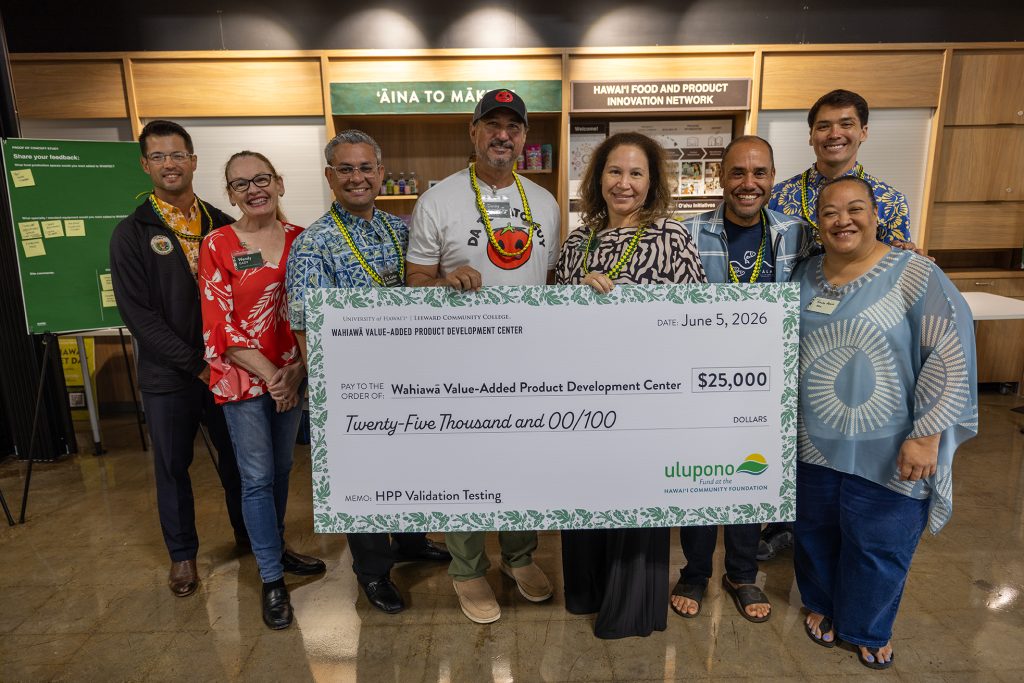
A dozen Hawaiʻi-based food makers are getting a boost as they look to expand their locally sourced products to shelves in major retailers. A $25,000 grant from the Ulupono Fund at the Hawaiʻi Community Foundation is lowering barriers for these entrepreneurs to use the state’s first high pressure processing (HPP) system at Leeward Community College’s Wahiawā Value-Added Product Development Center. The cutting-edge food preservation technology enhances food safety, extends shelf life, and supports the development of minimally processed refrigerated products.
The grant will offset the cost of required validation testing for businesses using HPP technology, confirming that products processed under high pressure meet food safety standards for commercial sale. Because validation studies can cost several thousand dollars, they can pose a significant barrier for small food producers. Through the grant program, the Ulupono Fund at Hawaiʻi Community Foundation is subsidizing up to $3,000 per company to help cover those costs.
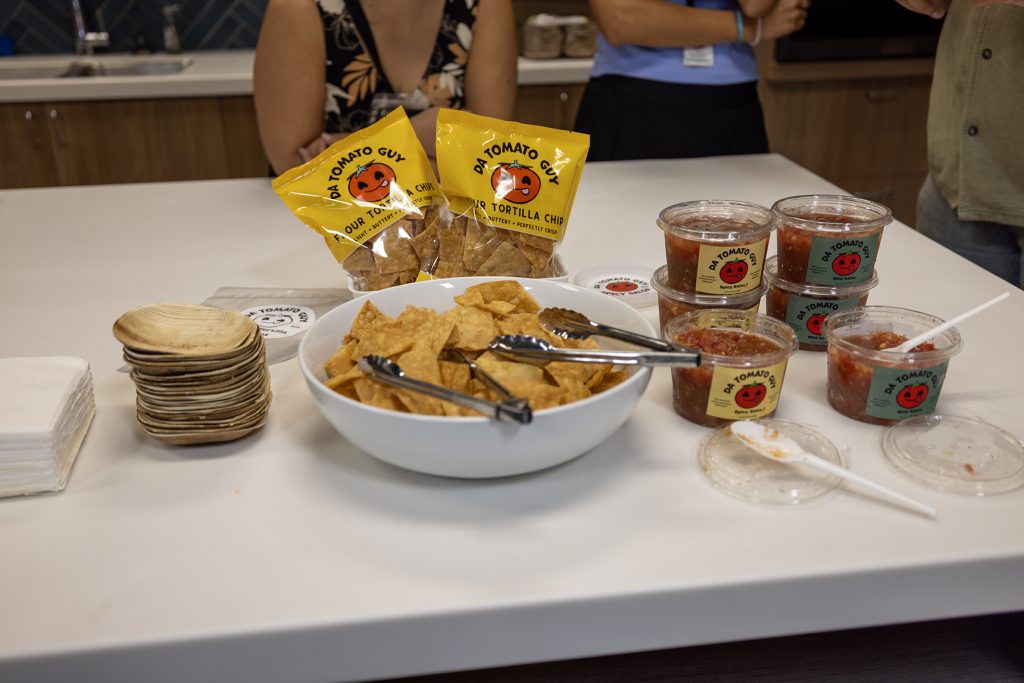
The WVAPDC celebrated this generous support with a ceremony on June 5, which spotlighted Da Tomato Guy, a Hawaiʻi-based salsa company and the first business to use the grant funding to complete the HPP validation process. Owner Danny Rudometkin sells his products at farmers’ markets across Oʻahu, with hopes of bringing his salsa to retail shelves in the near future.
“I’m grateful to the Ulupono Initiative for the support, which helps small businesses like mine grow beyond local markets and start reaching more customers,” said Danny Rudometkin, owner of Da Tomato Guy. “It’s exciting to think about our salsa being available in stores so more people across Hawaiʻi can enjoy it.”
HPP uses extremely high water pressure to inactivate harmful pathogens and spoilage microorganisms without heat, preservatives, or additives. In a matter of minutes, this process extends shelf life while preserving food’s freshness, flavor, and nutritional quality. It’s a newer technology to Hawaiʻi, helping to advance food innovation across the island chain.
“The WVAPDC was created to give Hawaiʻi’s food producers the tools they need to turn local ingredients into innovative products,” said Chris Bailey, WVAPDC manager. “Support from the Ulupono Fund helps us expand access to critical resources like HPP technology while strengthening the connections between local farmers, entrepreneurs and Hawaiʻi’s broader food system.”
“Hawaiʻi’s long-term sustainability depends on strong local food systems and the entrepreneurs who drive them,” said Keith DeMello, senior vice president of communications and external affairs at Ulupono Initiative. “Programs like this help local producers transform Hawaiʻi-grown ingredients into value-added products that can reach more markets, creating new opportunities for farmers, food makers and our communities.”
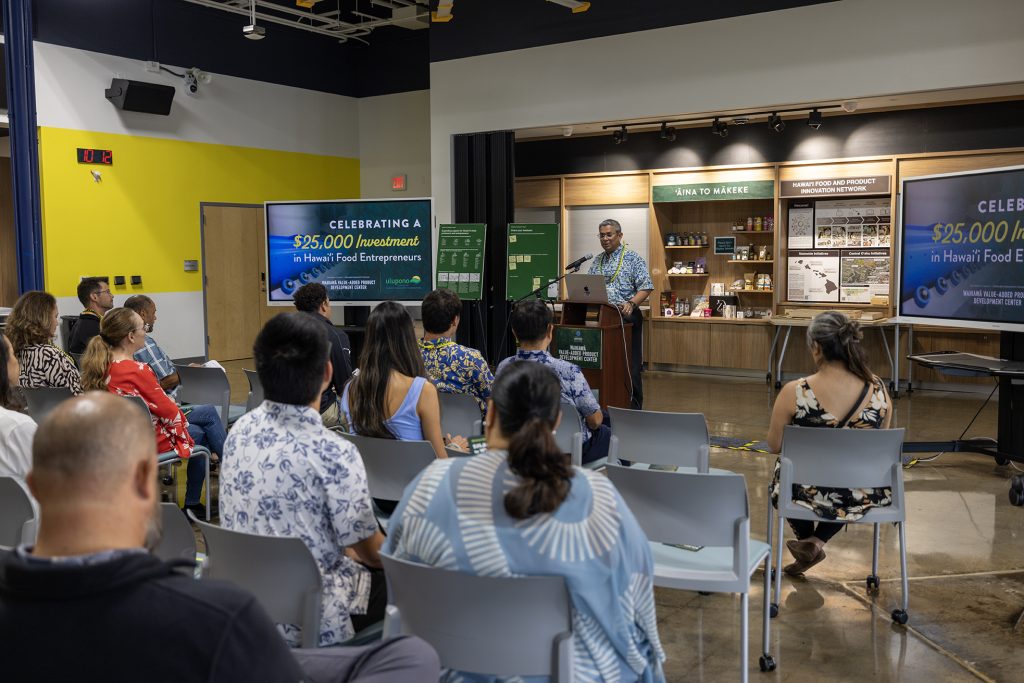
The June 5 celebration also included remarks from Dane Wicker, deputy director of the Hawaiʻi Department of Business, Economic Development and Tourism, who helped connect Ulupono with the WVAPDC during the center’s July 2025 HPP Summit. Hawaiʻi State Senator Donovan M. Dela Cruz, a key player in bringing the WVAPDC to fruition, also spoke at the event to reinforce the state’s commitment to regional economic development through investments that empower local businesses.
“This investment in WVAPDC is a meaningful step in strengthening Hawaiʻi’s local food economy,” said Dela Cruz. “We thank Ulupono for their continued support of local entrepreneurs. Expanding access to technologies like high pressure processing helps locally grown products reach broader markets while advancing food safety, sustainability, and economic growth.”
“The WVAPDC represents what’s possible when education, government and community partners invest in shared resources for local entrepreneurs,” said Carlos Peñaloza, chancellor of Leeward Community College and interim chancellor of University of Hawaiʻi–West Oʻahu. “This support from the Ulupono Fund helps us expand access to specialized capabilities like HPP and strengthen the support system available to Hawaiʻi’s food producers.”
Food businesses interested in using HPP at the WVAPDC can learn more at www.leeward.hawaii.edu/wvapdc/.
Sponsored Content