

Hui O Ka Wai Ola marks 10 years of protecting Maui’s coastal waters
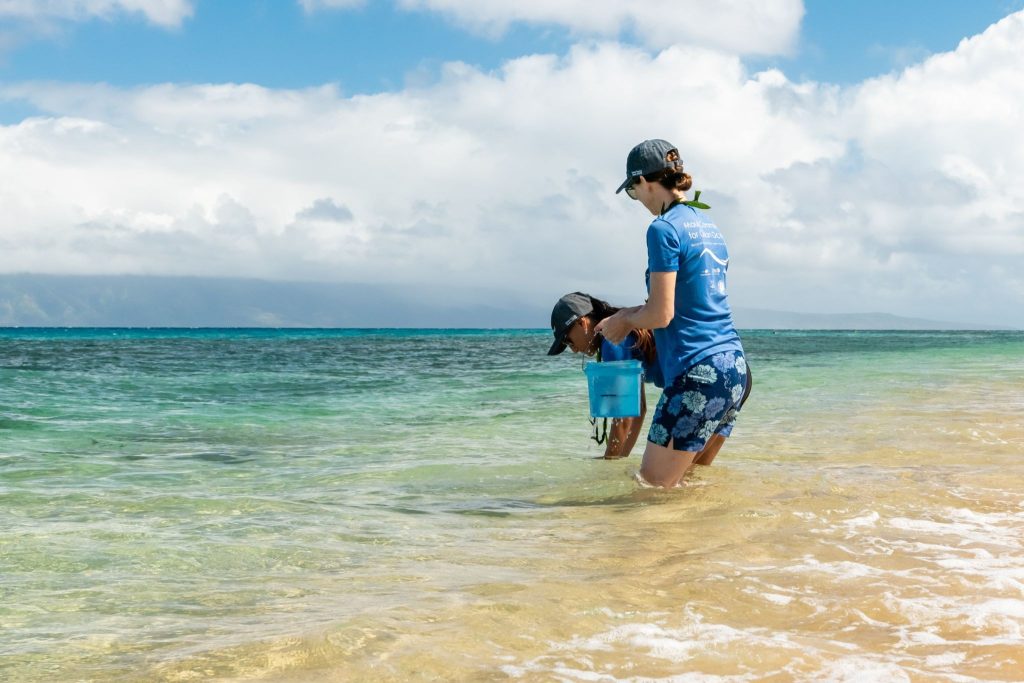
Hui O Ka Wai Ola marks its 10th anniversary of data collection with the release of its Coastal Water Quality Report 2016–2025 and a celebratory volunteer appreciation event at Duke’s Beach House Kāʻanapali.
The program took its very first water quality sample on June 14, 2016 in West Maui, and continues to test water quality across Maui Nui today.
“This milestone represents far more than a decade of monitoring. It reflects ten years of people choosing to care for Maui Nuiʻs coastal waters through stewardship, science and action. What gives us the greatest hope is knowing that this community continues to show up, invest in our coastal waters, and help build a healthier future for Maui Nui,” said Amy Hodges, Executive Director, Maui Nui Marine Resource Council.
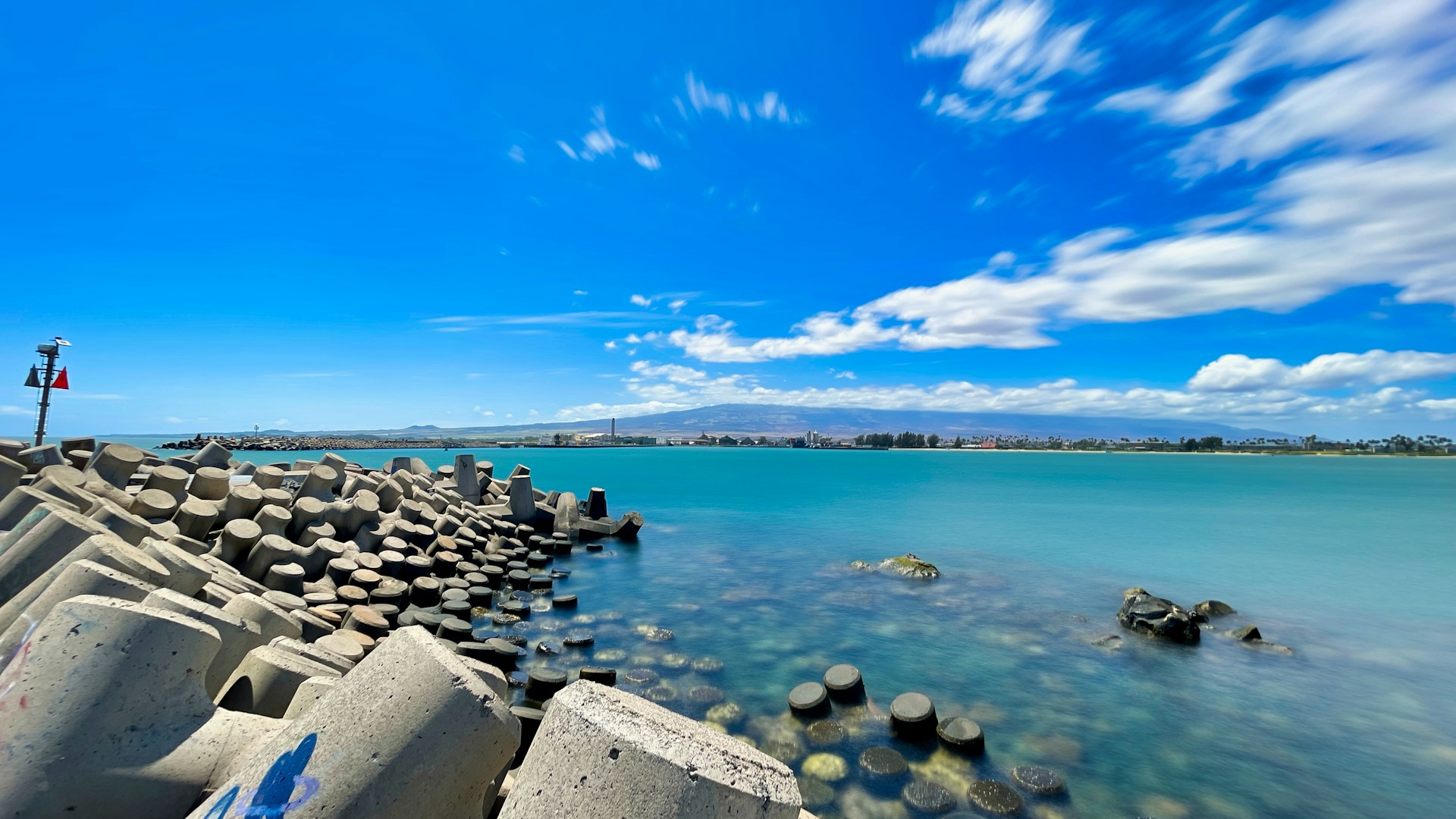
Over 10 years, Hui O Ka Wai Ola’s Clean Ocean Team has collected and analyzed more than 5,500 water quality samples from 58 sites spanning 40 miles of leeward Maui coastline and 8 miles of southern Molokaʻi.
“The new report, published June 6, 2026, is the program’s most comprehensive look yet at the health of Maui’s nearshore waters,” according to program leaders. “None of it would have been possible without the volunteers who show up, sample bottle in hand, every three weeks across the island.”
“We are thrilled to celebrate this tremendous milestone, made possible through the hard work and dedication of many, but none as pivotal as our volunteers, past and present,” said Liz Yannell, Program Manager, Hui O Ka Wai Ola. “Together, we have built a decade of trusted data, informed action, and community stewardship and we will continue working toward healthier watersheds and coastal waters for generations to come.”
What 10 Years of Data Tells Us
“The findings are sobering,” according to program leaders. “Water cloudiness caused by sediment exceeds state health standards at every monitored site across leeward Maui, with the most dramatic increases in North Kīhei, where turbidity has climbed sharply since 2021 to levels that threaten roughly 1,500 acres of coral reef. Nitrate pollution, driven by fertilizers and aging wastewater infrastructure, also frequently exceeds state standards. Cove Park in Kīhei has the highest nitrate concentrations on the island, at levels nearly 100 times the state standard.”
The report also carries a “new and striking” finding: salinity has increased at nearly all monitored sites. Researchers link this to extreme drought conditions, as 2025 was the driest year on record for Maui since tracking began in 1920.
There is also good news. Nitrate levels at Kapalua Bay dropped significantly after sewage infrastructure repairs in 2019 and have remained lower ever since. In the Lahaina area, still recovering from the August 2023 wildfires, water quality parameters beyond turbidity have stayed within normal range, according to the report.
“Ten years of data is an incredible benchmark for allowing water quality stories to come to light. We can see the impacts from improvements made, like dropping nitrates at Kapalua after sewage infrastructure upgrades, track sediment pulses and see which are driven by streams versus summer waves, and note when previously clean sites like Ulua Beach show a troubling uptick in turbidity. The length and robustness of our dataset, one of the most consistent and long-term in the state, lends gravity to our observations and makes it more powerful for guiding change,” said Tova Callender, Ridge to Reef Coordinator, DLNR Division of Aquatic Resources.
Celebrating the Volunteers Behind the Data
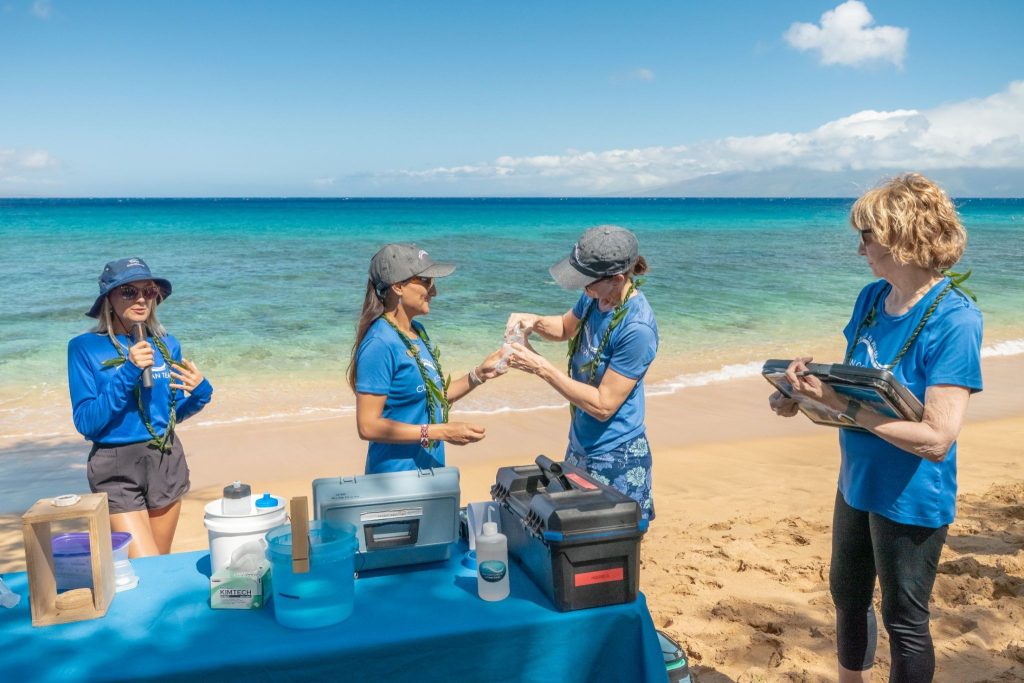
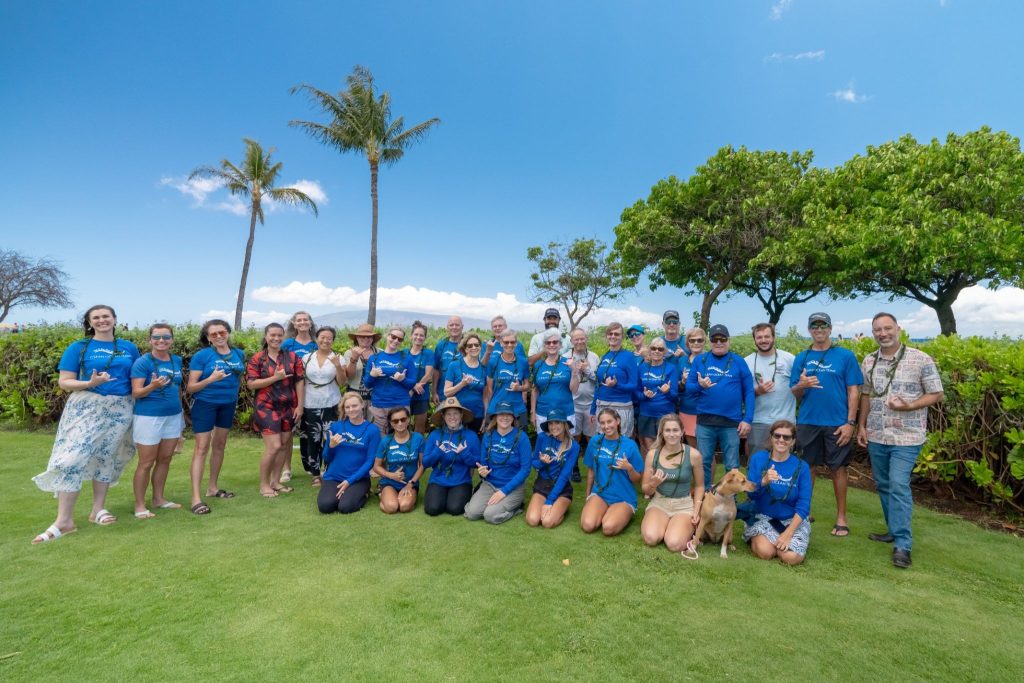
As the report’s dedication page reads, this milestone belongs to the volunteers. To honor the Clean Ocean Team, Hui O Ka Wai Ola hosted a water sampling demonstration on the beach, followed by a brunch generously provided by Duke’s Beach House Kāʻanapali.
“Hui O Ka Wai Ola water quality testing has been a wonderful project for me over the past eight years. Most of all, I love the beautiful people I have met including the program managers, team leads, and fellow volunteers. Everyone involved is passionate and dedicated to helping protect the earth and the ocean in particular,” said Kit Harris, Polanui Team volunteer.
Water quality reports and raw data are available as free downloads at huiokawaiola.com. To volunteer, donate, or adopt a beach, visit huiokawaiola.com or email huiokawaiola@gmail.com.
Sponsored Content