UH Mānoa researchers receive $2.2 million for next phase of Maui wildfire recovery study
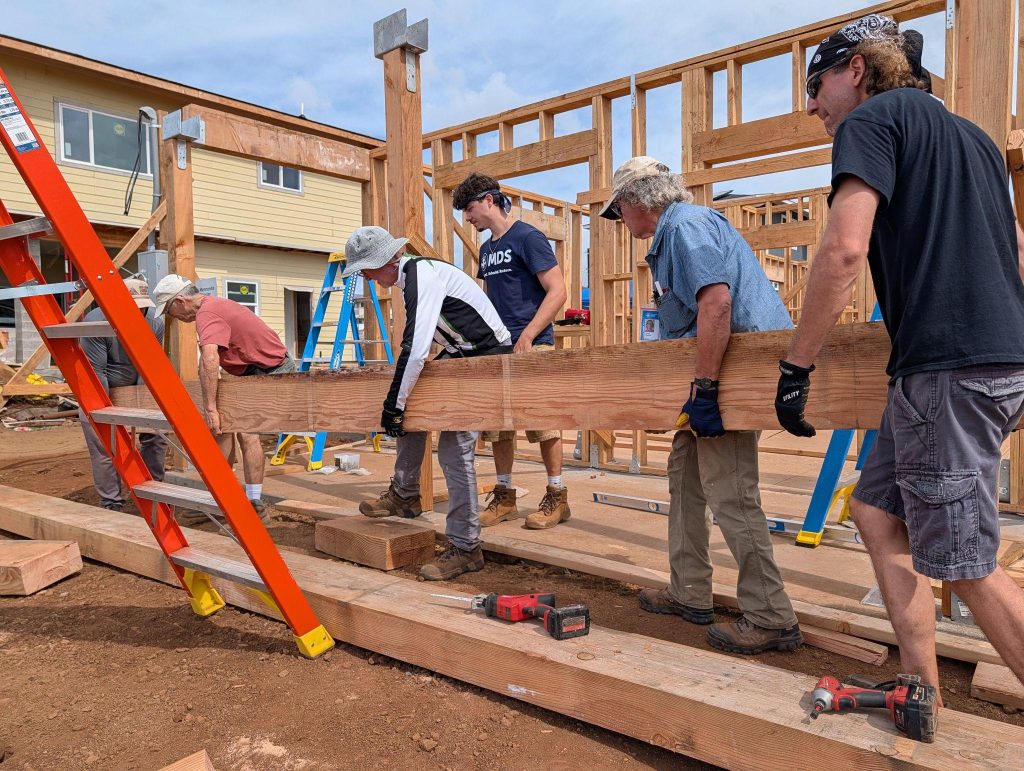
University of Hawaiʻi at Mānoa researchers have received a $2.2 million grant from the National Institutes of Health to continue a long-term study of how the 2023 Maui wildfires have affected health and well-being on Maui.
The three-year award will fund the next phase of the Maui LOA (Learnings to Overcome Adversities) study. Launched in 2024, the study examines factors shaping recovery and resilience after disasters. The research is led by Alex Ortega, dean of the Thompson School of Social Work and Public Health, and Keawe Kaholokula, chair and professor in the Department of Native Hawaiian Health at the John A. Burns School of Medicine.
The study’s first phase identified key health and mental health consequences of the wildfires, Ortega said. With continued NIH funding, researchers can now turn those findings into evidence-based strategies to improve disaster preparedness, recovery and resilience for communities facing future disasters.
In the next phase, researchers plan to survey 1,200 adults who were living on Maui at the time of the wildfires, including those who were displaced. The survey aims to identify factors that influence long-term recovery among individuals, families, communities, health care systems and social service organizations across Maui.
The new phase builds on initial research that drew on input from residents, community organizations, emergency responders and health care providers to help design the survey.
A study based on that earlier research, published in the Journal of the American Medical Association in August 2025, found that the wildfires’ mental health effects extended across Maui, not just within the burn zones. Researchers identified housing displacement and income loss as key drivers of depression and anxiety.
The upcoming survey results are expected to inform public policy, emergency response planning, health services and community recovery efforts in Hawaiʻi and nationwide, researchers said.
Nearly three years into the recovery, researchers hope to learn more about the personal, sociocultural, community and system-level factors that support health and well-being after a disaster such as the 2023 wildfires, Kaholokula said.
”Recovery is not the same for everyone,” he said. “We hope to understand how these factors evolve over time and vary across different populations as communities continue to rebuild.”
Sponsored Content